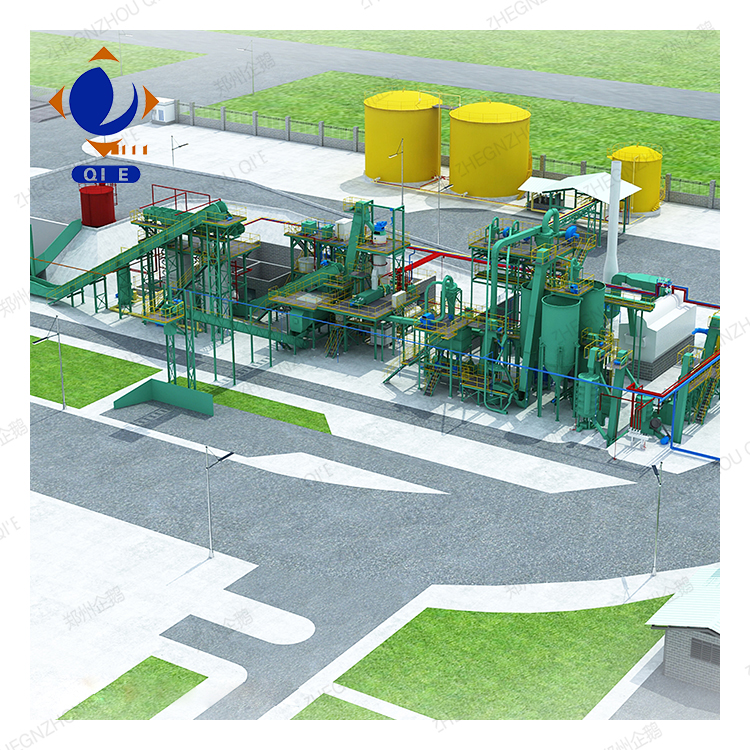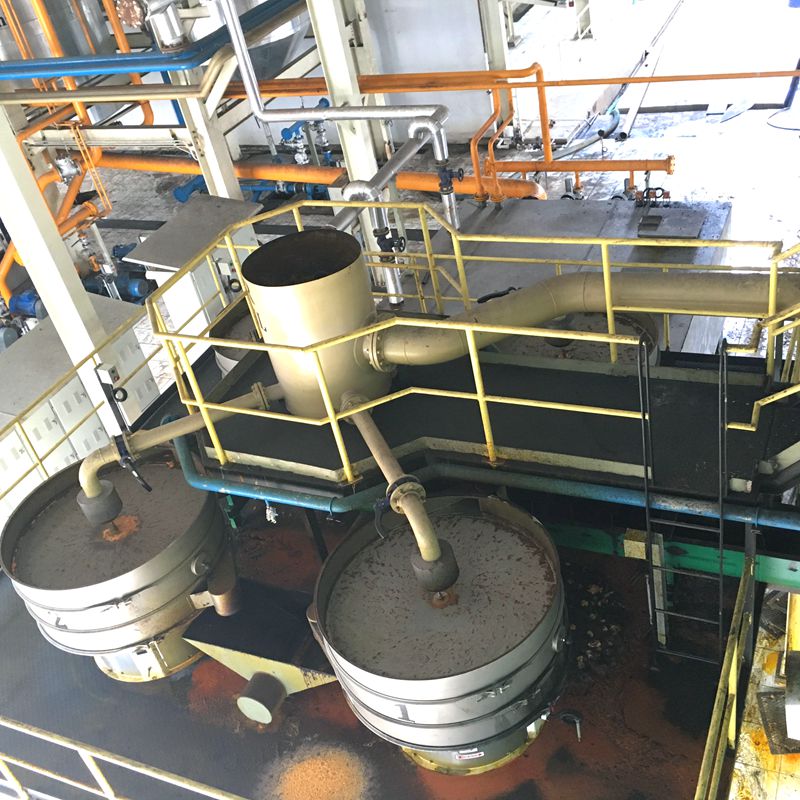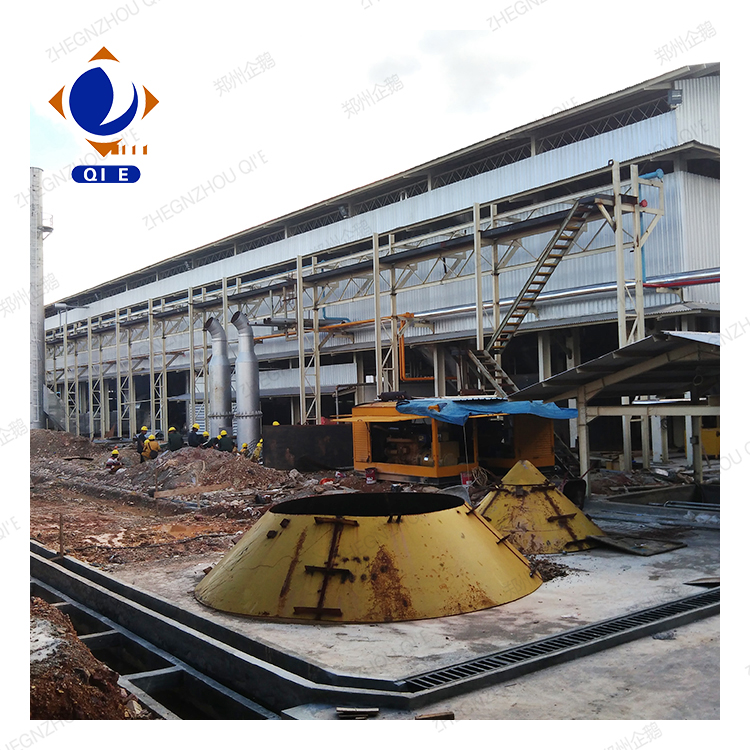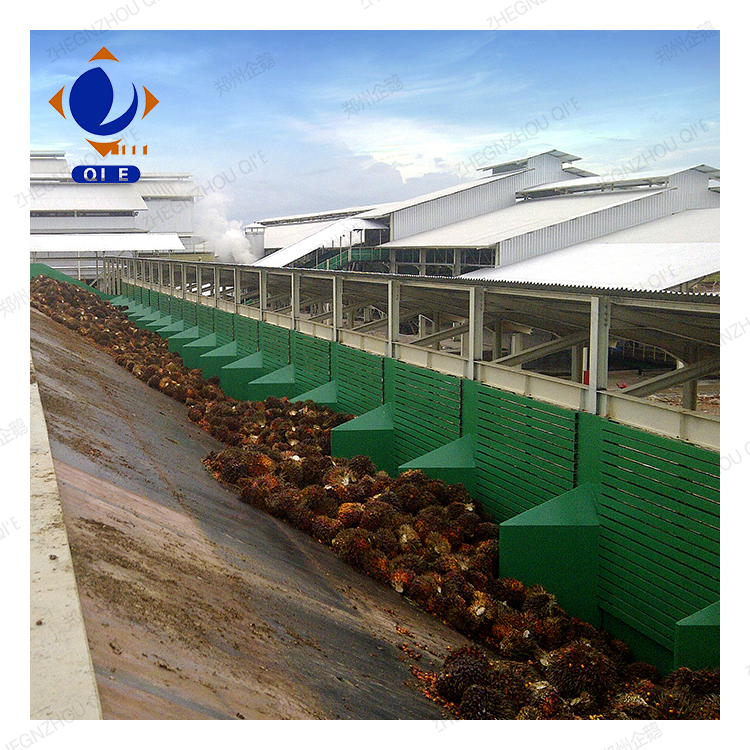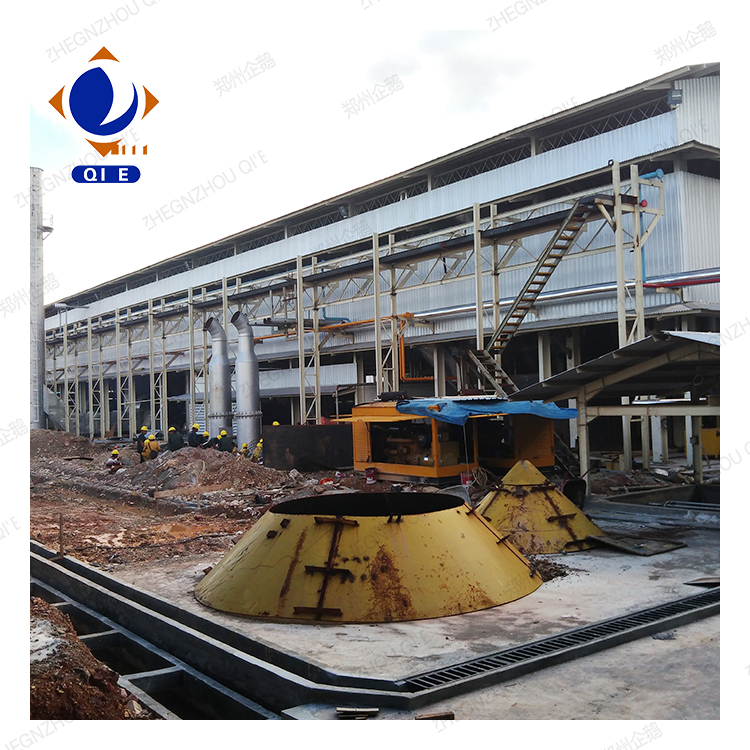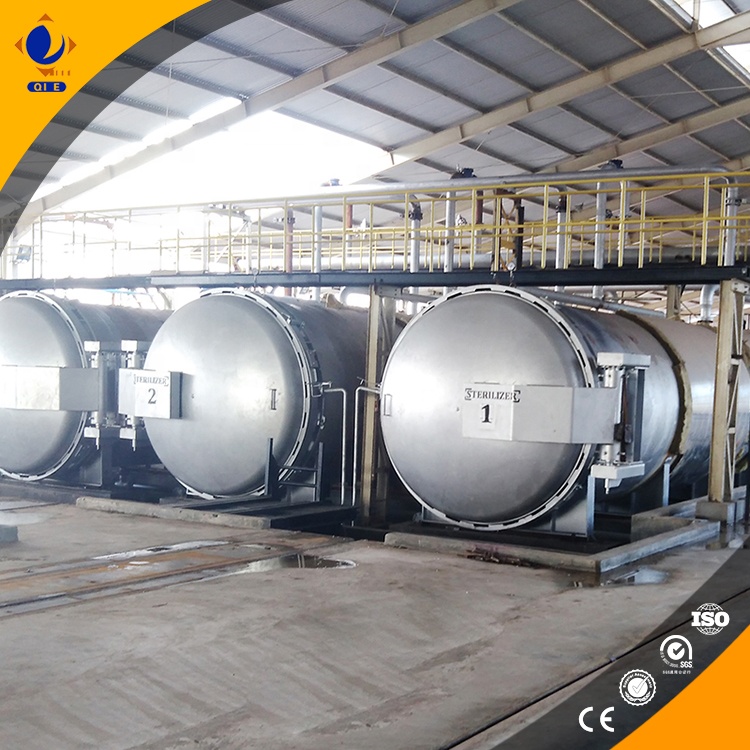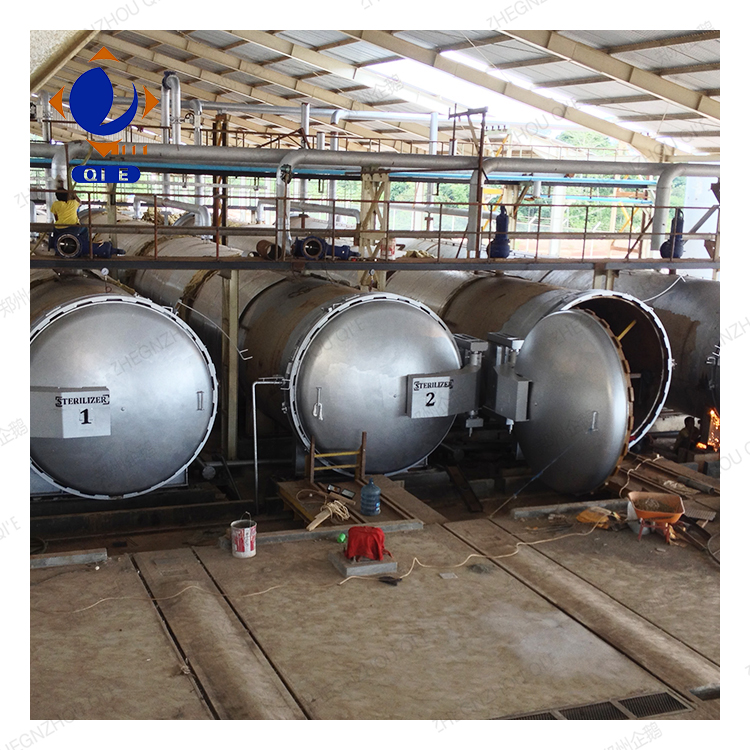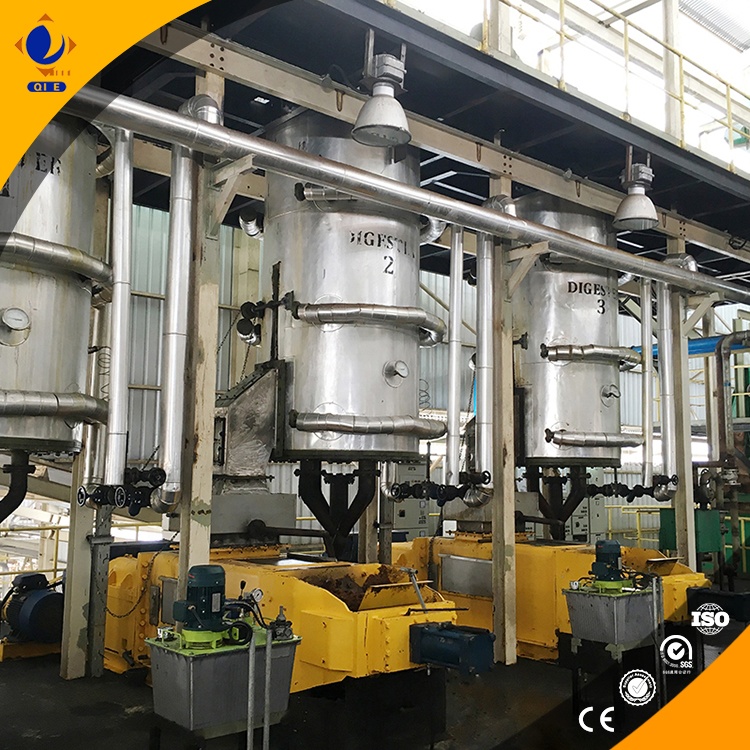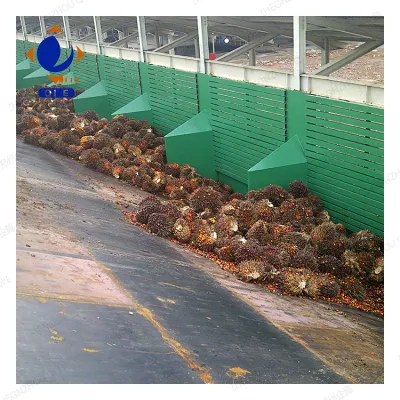
In today's global palm oil industry, achieving high oil extraction efficiency while minimizing residual oil content remains a pivotal challenge for producers. QIE Group leads the innovation frontier with cutting-edge solutions focused on palm fruit oil dehydration technology and residual oil control, essential for maximizing output and meeting stringent quality standards.
The dehydration phase crucially influences both oil purity and the residual oil content in palm oil residues (oil cakes). Studies and industrial benchmarks confirm that maintaining steam pressure at approximately 0.8MPa during the dehydration step ensures efficient moisture removal without compromising oil integrity. Careful steam regulation facilitates enhanced heat transfer, reducing processing time and energy consumption by up to 18%.
Complementing pressure optimization, the design of a state-of-the-art heat exchange system further elevates energy efficiency. Using counter-flow heat exchangers constructed with corrosion-resistant alloys, factories can reclaim heat from the drying stream to pre-heat incoming batches, boosting thermal efficiency by 15–20% as per QIE Group’s field implementations.
The balance between pressing pressure, speed, and temperature significantly impacts the palm oil extraction rate. QIE Group research indicates that calibrating the screw press parameters to moderate speeds (40-50 RPM) while applying uniform pressure ensures optimal cell rupture and oil release. Maintaining temperature within 85–90°C during pressing preserves oil quality and restricts degradation.
Precisely controlled pressing can consistently maintain residual oil content in the oil cakes below 1%, a key quality metric for food-grade palm oil products. This control directly translates into higher yields and lower raw material wastage, a cost-saving benefit critical for export-driven factories targeting competitive markets.
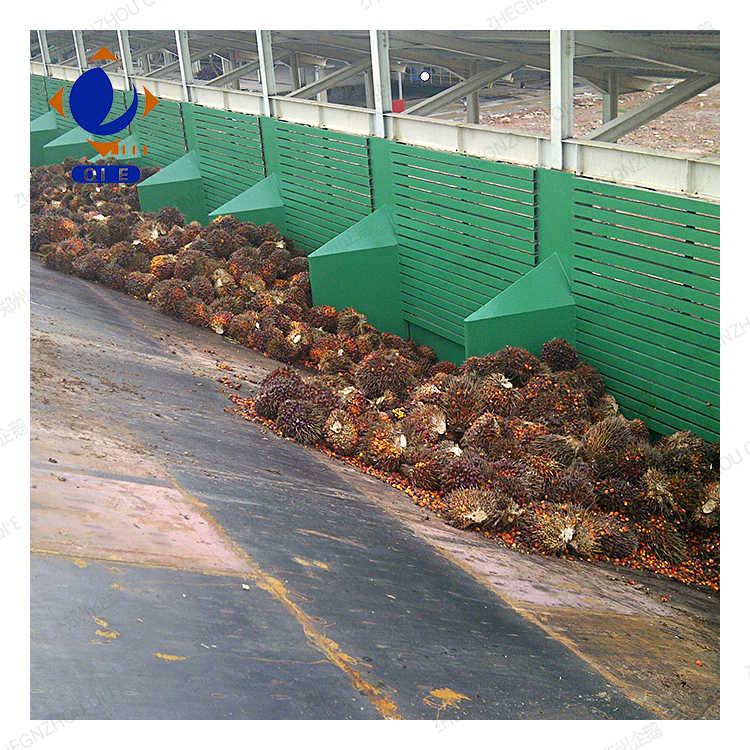
The integration of automatic Programmable Logic Controllers (PLC) has revolutionized palm oil production by enabling real-time monitoring and adaptive control of complex parameters such as temperature, pressure, and processing speed. QIE Group customized PLC solutions facilitate rapid fault diagnosis, reducing downtime by approximately 12% in operational plants.
PLC-driven temperature control algorithms maintain the dehydration unit’s temperature within the optimal range (90-95°C), crucial for preventing overheating or under-drying, which both adversely affect oil quality and yield. Moreover, predictive maintenance features embedded in PLC systems alert technicians to preempt potential malfunctions, ensuring uninterrupted production.
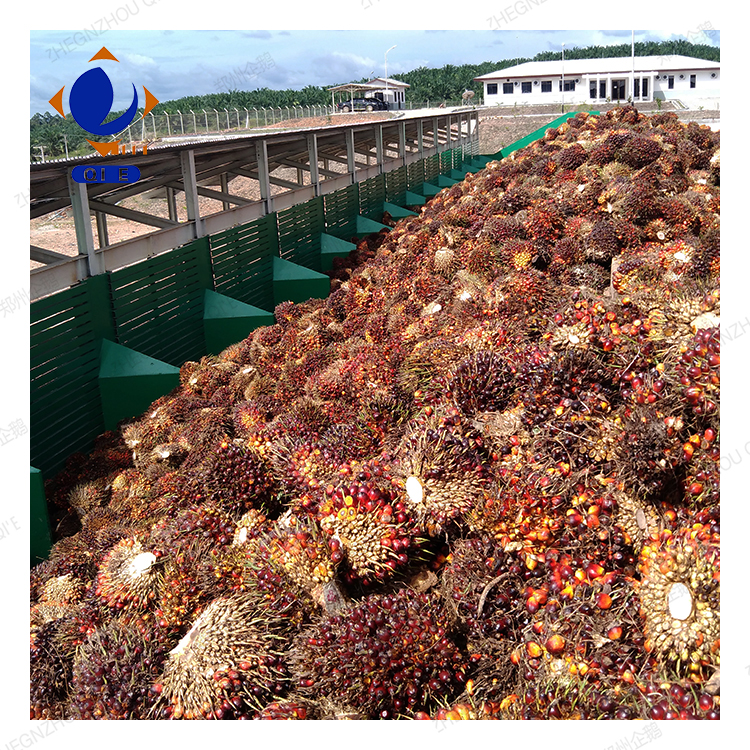
In a recent project involving a Southeast Asian palm oil facility, QIE Group turnkey dehydration and pressing system implementation resulted in a 22% increase in oil yield and 16% reduction in energy usage within six months of operation. Residual oil in fiber and cake samples consistently dropped below 0.9%, outperforming industry averages.
Independent lab analyses confirm that these improvements comply with ISO9001 quality management standards, ensuring sustainability in product quality and operational reliability. These real-world outcomes demonstrate the tangible benefits of adopting scientifically optimized dehydration technologies supported by advanced automation.
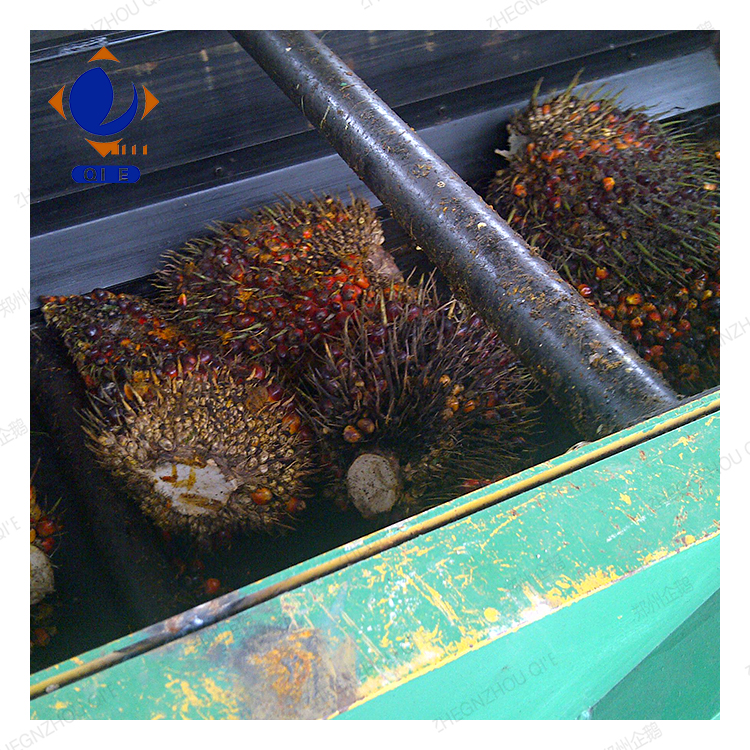
QIE Group is committed to driving efficiency in palm oil production by merging rigorous scientific principles with practical engineering ingenuity. Our proven systems empower clients to enhance palm oil extraction rates while optimizing energy consumption and process automation, securing competitive advantages in demanding international markets.

 194
|
194
|
 Nigeria palm oil processing equipment
efficient automated palm oil machinery
pressure vessel safety standards
palm oil production process
equipment maintenance services
Nigeria palm oil processing equipment
efficient automated palm oil machinery
pressure vessel safety standards
palm oil production process
equipment maintenance services
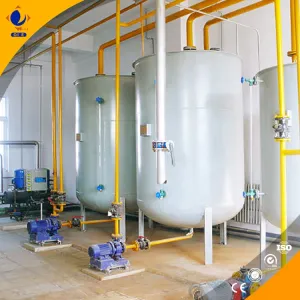 205
|
Small Palm Oil Refining Equipment
High-Efficiency Palm Oil Refining Machine
Eco-Friendly Palm Oil Processing Equipment
Automated Small Palm Oil Refining Solutions
Premium Quality Palm Oil Refining Equipment
Cost-Effective Palm Oil Refining Systems
ISO9001 Certified Palm Oil Refining Equipment
Durable Small Palm Oil Refining Machinery
Customizable Palm Oil Refining Equipment
Reliable Palm Oil Refining Technology
205
|
Small Palm Oil Refining Equipment
High-Efficiency Palm Oil Refining Machine
Eco-Friendly Palm Oil Processing Equipment
Automated Small Palm Oil Refining Solutions
Premium Quality Palm Oil Refining Equipment
Cost-Effective Palm Oil Refining Systems
ISO9001 Certified Palm Oil Refining Equipment
Durable Small Palm Oil Refining Machinery
Customizable Palm Oil Refining Equipment
Reliable Palm Oil Refining Technology
 242
|
PLC automation control
palm oil pressing automation
industrial sensor applications
remote equipment monitoring
palm oil production optimization
242
|
PLC automation control
palm oil pressing automation
industrial sensor applications
remote equipment monitoring
palm oil production optimization
 46
|
compact palm oil production line equipment
efficient eco-friendly oil press equipment
customized palm oil processing equipment
46
|
compact palm oil production line equipment
efficient eco-friendly oil press equipment
customized palm oil processing equipment
 136
|
palm kernel oil extraction equipment
palm kernel oil refining equipment
automated palm oil refining machine
high efficiency palm oil equipment
low residue palm oil processing
energy-saving palm kernel oil refining
durable palm oil extraction systems
one-stop palm oil processing solutions
palm oil equipment for complex environments
136
|
palm kernel oil extraction equipment
palm kernel oil refining equipment
automated palm oil refining machine
high efficiency palm oil equipment
low residue palm oil processing
energy-saving palm kernel oil refining
durable palm oil extraction systems
one-stop palm oil processing solutions
palm oil equipment for complex environments