In the palm oil production industry, energy consumption during the palm fruit pressing process has long been a pain point and a common challenge. High energy consumption not only increases production costs but also goes against the current trend of green and sustainable development. But how can we effectively reduce energy consumption in this process? The answer lies in the application of automation control systems.
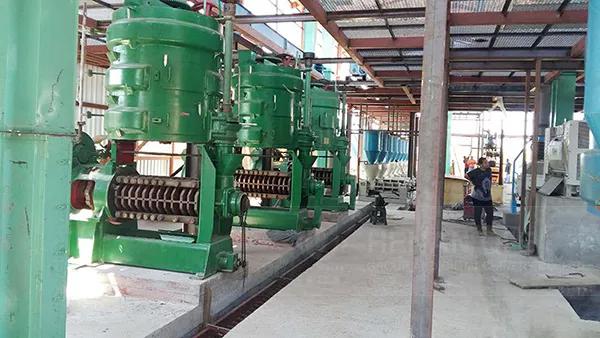
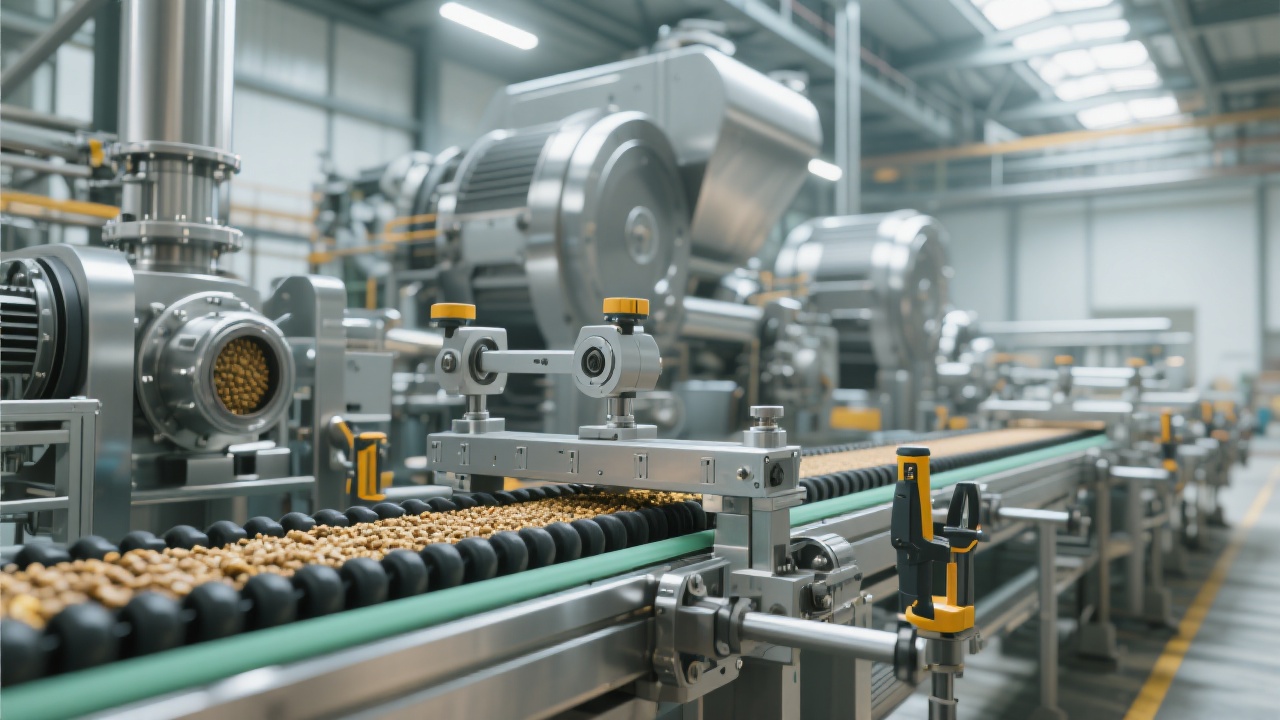
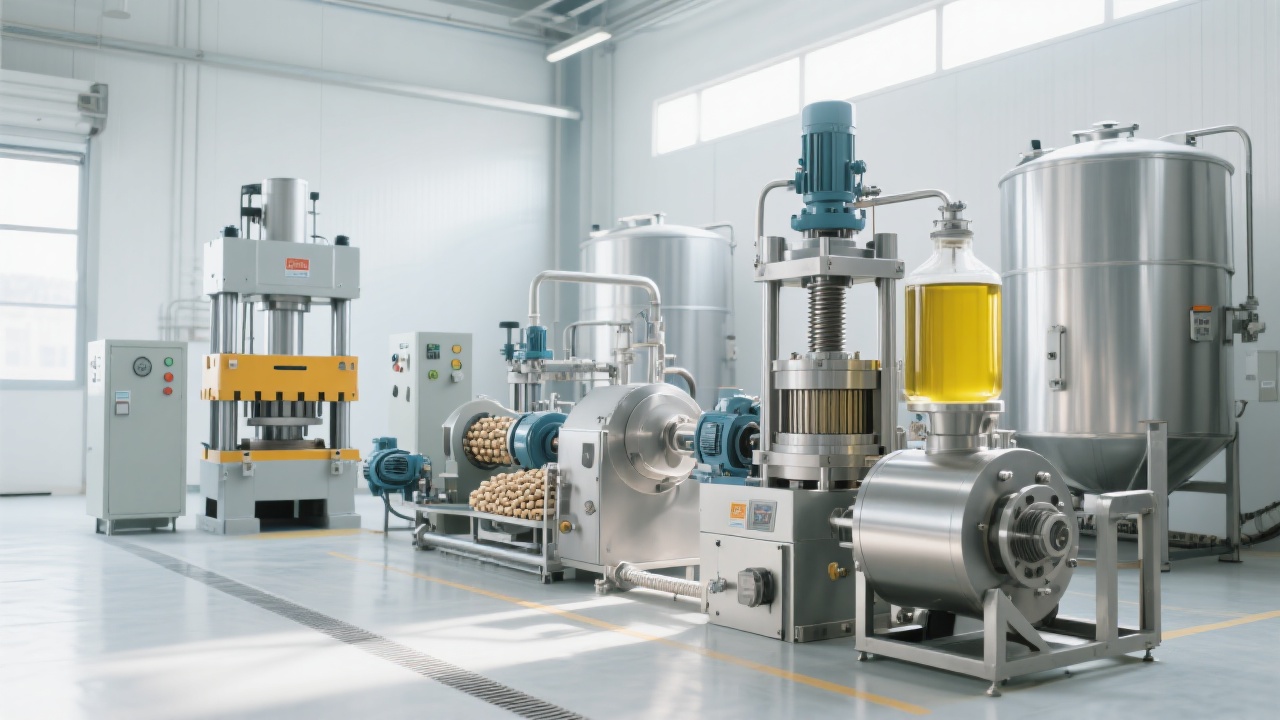
Let's first look at the core equipment in the palm fruit pressing process: the screw oil press, the pretreatment system, and the oil - residue separation device. These devices have unique energy - saving design logics.
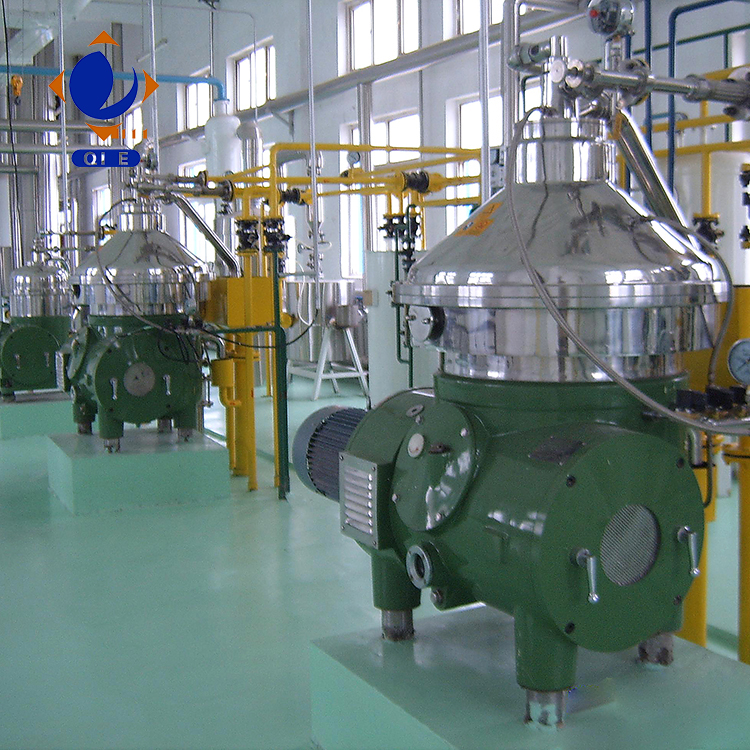
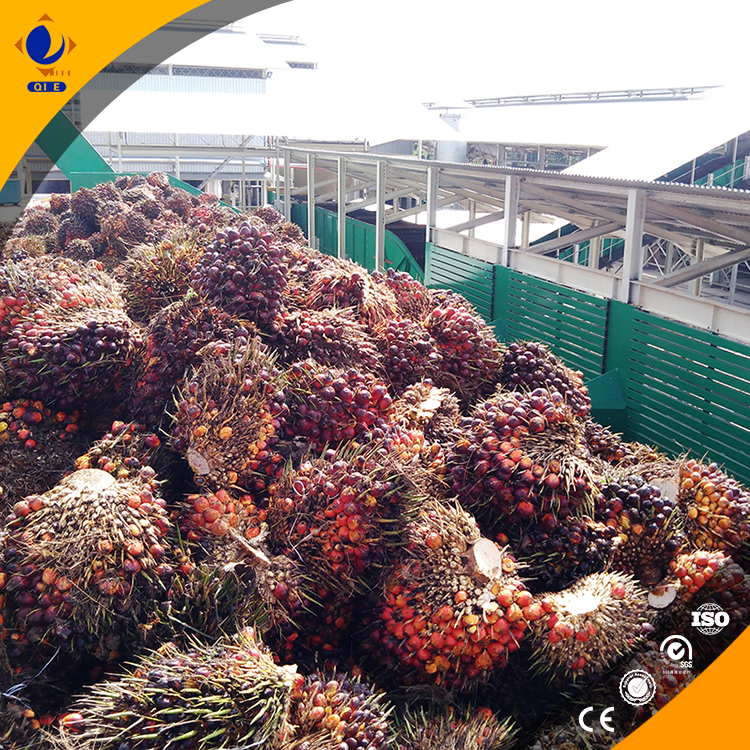
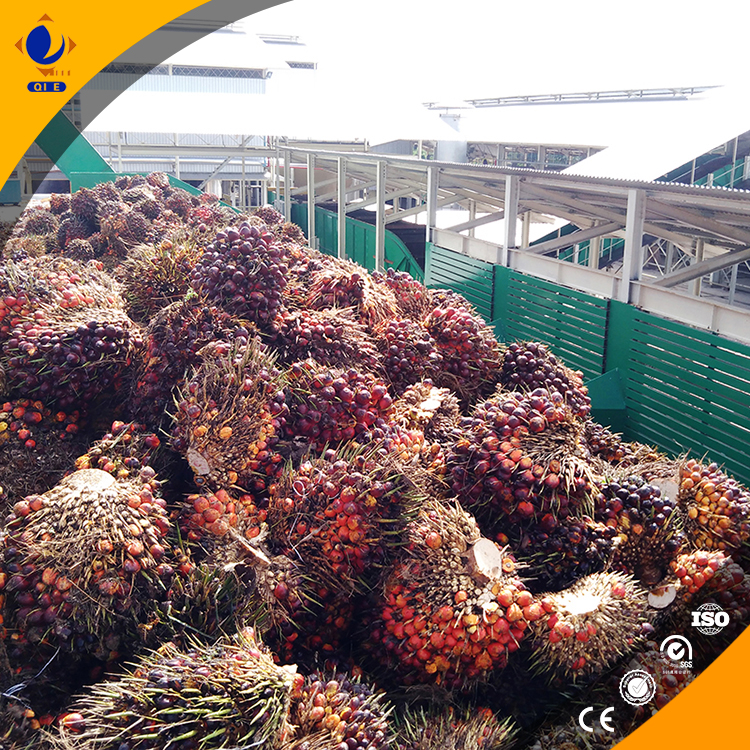
The screw oil press, for example, uses advanced mechanical design and material selection to reduce friction during the pressing process. Through optimized screw structure and rotation speed control, it can achieve higher oil extraction efficiency with lower energy consumption. The pretreatment system focuses on the initial treatment of palm fruits, such as cleaning, crushing, and softening. By precisely controlling the temperature and time of these processes, it can reduce unnecessary energy waste. The oil - residue separation device uses efficient separation technology to quickly and accurately separate oil from residues, minimizing the energy required for repeated separation.
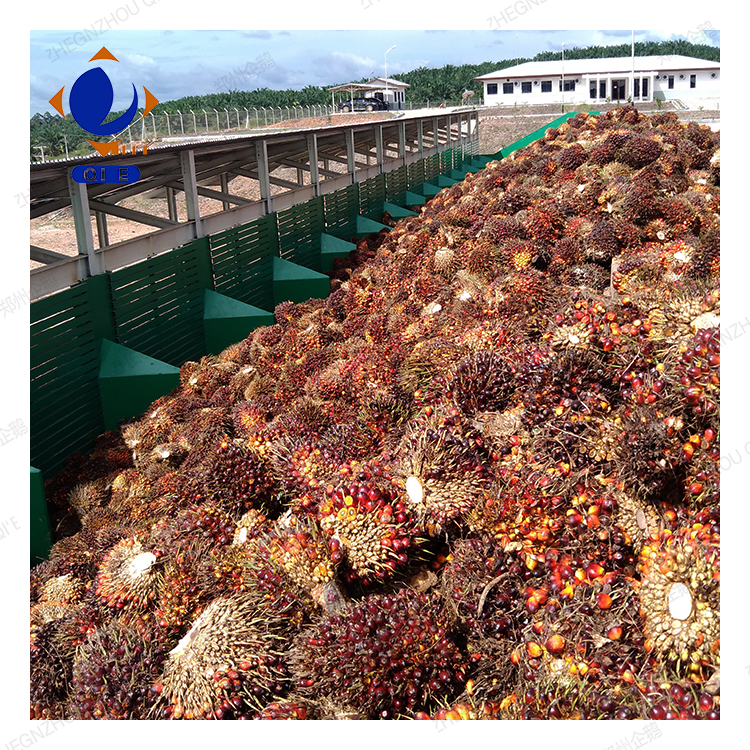
The automation control system plays a crucial role in the entire palm fruit pressing process. It can achieve precise control in temperature control, motor matching, and operation rhythm.
In terms of temperature control, the system can monitor the temperature of each process in real - time and adjust the heating or cooling equipment accordingly. For example, in the pretreatment stage, it can maintain the optimal temperature for fruit softening, ensuring high - quality oil extraction while reducing energy consumption caused by over - heating or under - heating. When it comes to motor matching, the system can adjust the power output of motors according to the actual load, avoiding the waste of electrical energy caused by the constant high - power operation of motors. In terms of operation rhythm, it can coordinate the operation speed of each device to ensure the smooth flow of the entire production line, reducing energy consumption caused by equipment idling or over - operation.
Let's take a look at some practical cases. We compared the energy consumption data of small - scale factories with a daily production capacity of 10 tons and large - scale factories with a daily production capacity of 3000 tons.
| Factory Scale | Unit Output Power Consumption (kWh/ton) | Steam Consumption (kg/ton) |
|---|---|---|
| 10 - ton/day factory (without automation system) | 80 | 300 |
| 10 - ton/day factory (with automation system) | 60 | 250 |
| 3000 - ton/day factory (without automation system) | 60 | 250 |
| 3000 - ton/day factory (with automation system) | 40 | 200 |
As can be seen from the data, the application of the automation control system can significantly reduce the unit output power consumption and steam consumption, regardless of the factory scale. For small - scale factories, the power consumption can be reduced by about 25%, and the steam consumption can be reduced by about 17%. For large - scale factories, the power consumption can be reduced by about 33%, and the steam consumption can be reduced by about 20%.
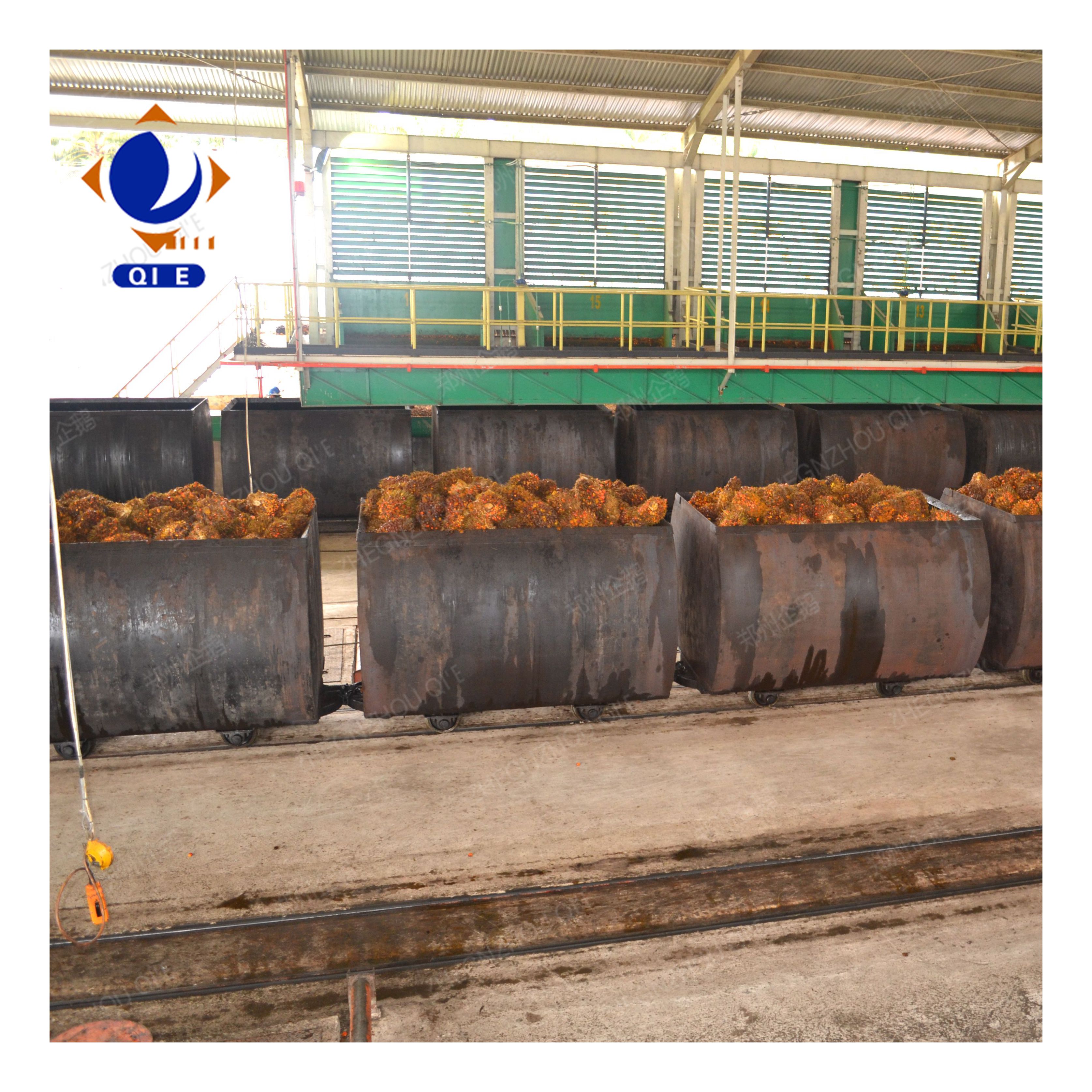
In addition to the precise control of the automation control system, energy - saving potential can also be further explored through heat energy recovery and utilization and material path optimization strategies. For example, the heat generated during the pressing process can be recovered and used for pre - heating palm fruits or other processes, reducing the need for external heating energy. By optimizing the material path, the distance and time of material transportation can be reduced, thereby reducing the energy consumption of transportation equipment.
From an economic perspective, the reduction in energy consumption directly means a reduction in production costs. At the same time, with the increasing emphasis on environmental protection, factories that adopt energy - saving technologies can also gain a better market reputation, which is conducive to long - term development.
Industry experts point out that "the application of automation control systems in the palm oil production industry is an inevitable trend. It not only helps factories achieve energy - saving and emission - reduction goals but also enhances their competitiveness in the market."
If you are a manager of a small or medium - sized oil factory or a person in charge of a large - scale production project, and you are eager to improve energy efficiency and reduce production costs, QIE Group can provide you with a one - stop solution. Our automation control systems are designed with advanced technologies and rich experience, which can be customized according to your specific needs. We also provide global technical support services to ensure that your production line operates stably and efficiently.
Don't miss this opportunity to improve your investment return rate and practice the concept of green production. 立即了解企鹅集团定制化节能方案 (Learn about QIE Group customized energy - saving solutions immediately)

 144
|
144
|
 small palm oil refining equipment
oil refining machine for small scale
environmentally friendly palm oil refining
high yield palm oil refining equipment
automated palm oil refining system
low energy consumption palm oil equipment
palm oil refining technology
QI'E Group palm oil refining solutions
small palm oil refining equipment
oil refining machine for small scale
environmentally friendly palm oil refining
high yield palm oil refining equipment
automated palm oil refining system
low energy consumption palm oil equipment
palm oil refining technology
QI'E Group palm oil refining solutions
 288
|
palm oil processing automation
oil extraction efficiency
refining energy savings
process control system
equipment maintenance for palm oil mills
288
|
palm oil processing automation
oil extraction efficiency
refining energy savings
process control system
equipment maintenance for palm oil mills
 244
|
multifunctional peanut oil refining equipment
food safety standards equipment
high-efficiency oil refining
244
|
multifunctional peanut oil refining equipment
food safety standards equipment
high-efficiency oil refining
 128
|
Fully Automatic Palm Oil Extraction Equipment
Palm Oil Processing Machine
High Capacity Palm Oil Extraction Equipment
304 Stainless Steel Palm Oil Equipment
Energy Efficient Palm Oil Machinery
Customizable Palm Oil Processing Solutions
Advanced Technology Palm Oil Equipment
ISO9001 Certified Palm Oil Machinery
Palm Oil Equipment with Patent Technology
Comprehensive Support for Palm Oil Production
128
|
Fully Automatic Palm Oil Extraction Equipment
Palm Oil Processing Machine
High Capacity Palm Oil Extraction Equipment
304 Stainless Steel Palm Oil Equipment
Energy Efficient Palm Oil Machinery
Customizable Palm Oil Processing Solutions
Advanced Technology Palm Oil Equipment
ISO9001 Certified Palm Oil Machinery
Palm Oil Equipment with Patent Technology
Comprehensive Support for Palm Oil Production
 102
|
Nigerian palm oil processing equipment
pressure vessel safety standards
efficient palm oil extraction systems
automated oil refining technology
food-grade processing equipment
102
|
Nigerian palm oil processing equipment
pressure vessel safety standards
efficient palm oil extraction systems
automated oil refining technology
food-grade processing equipment