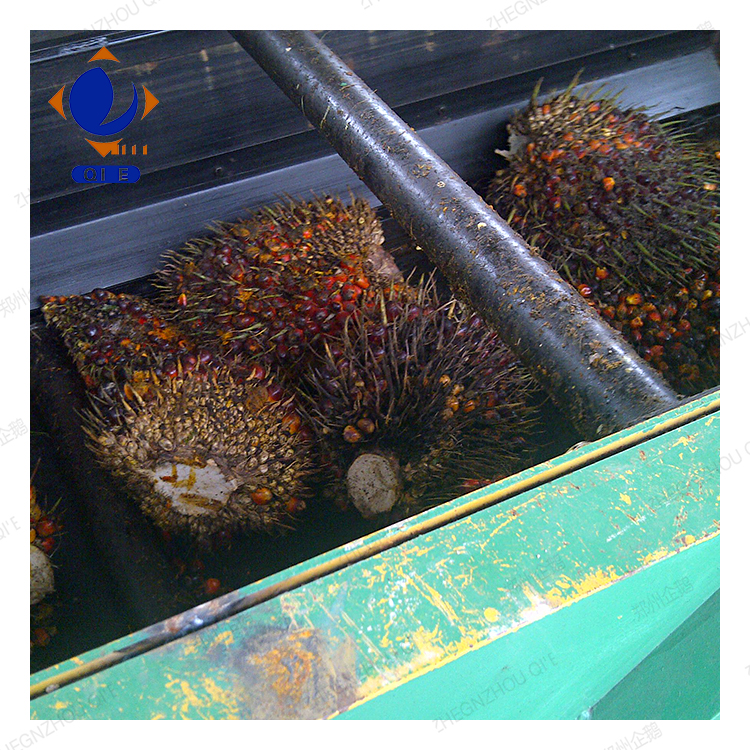
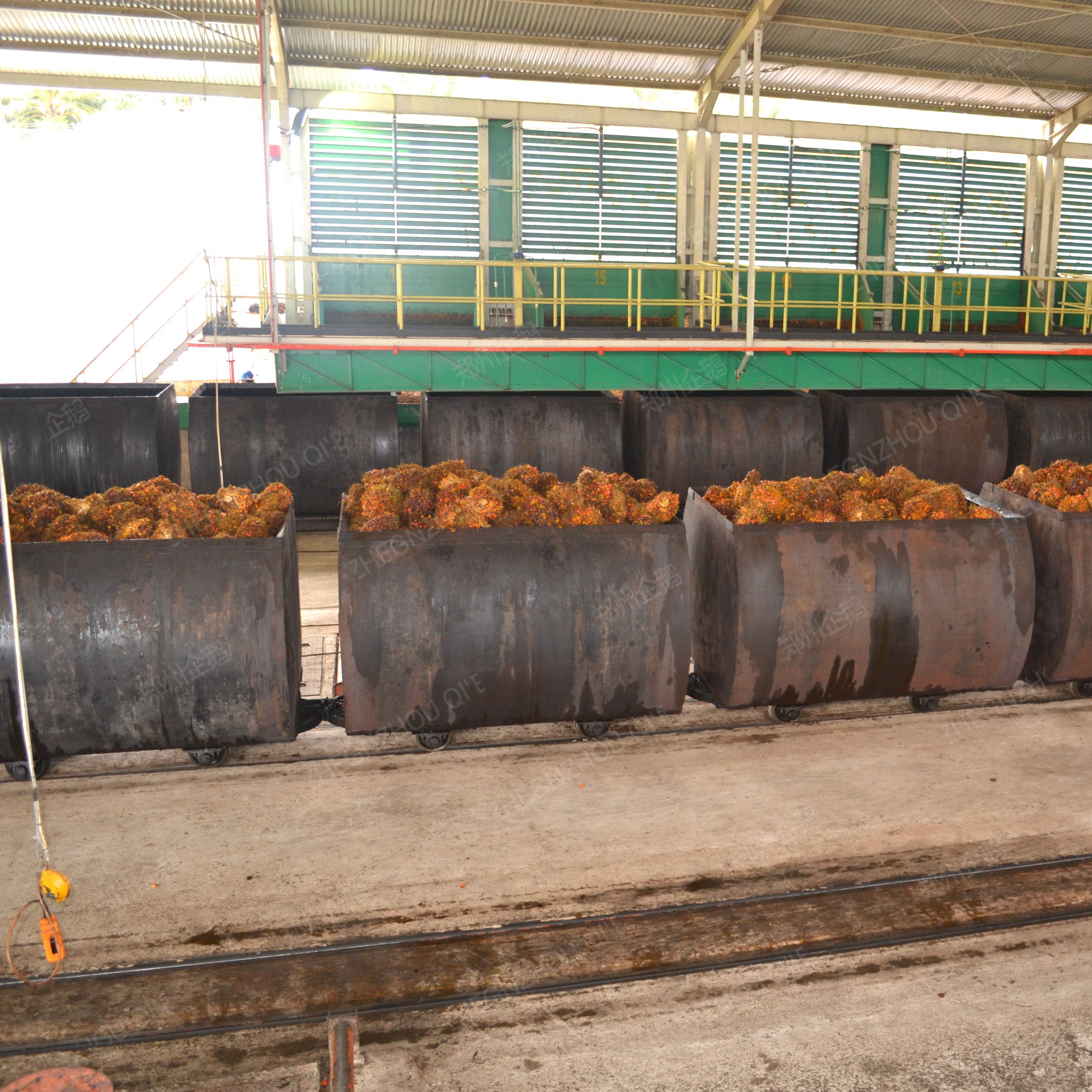
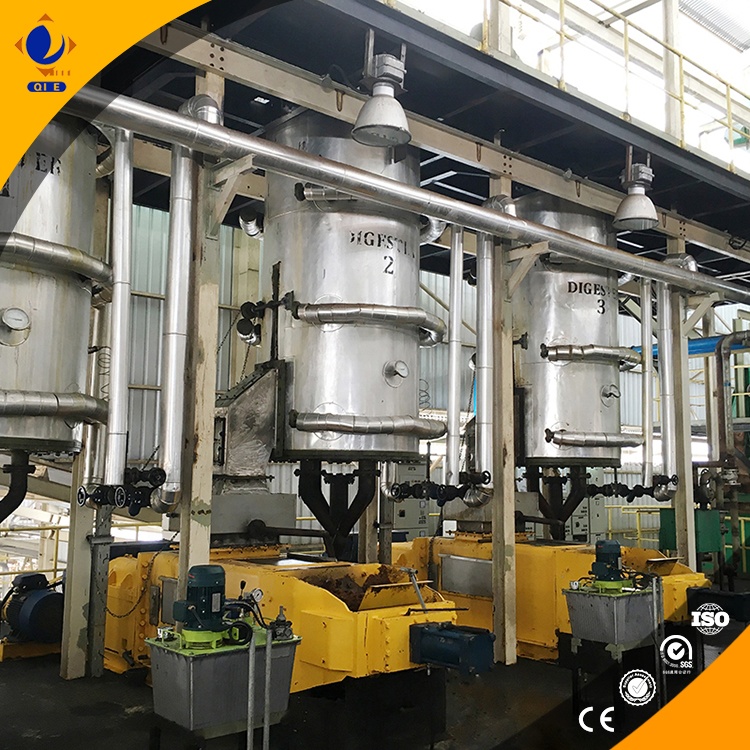
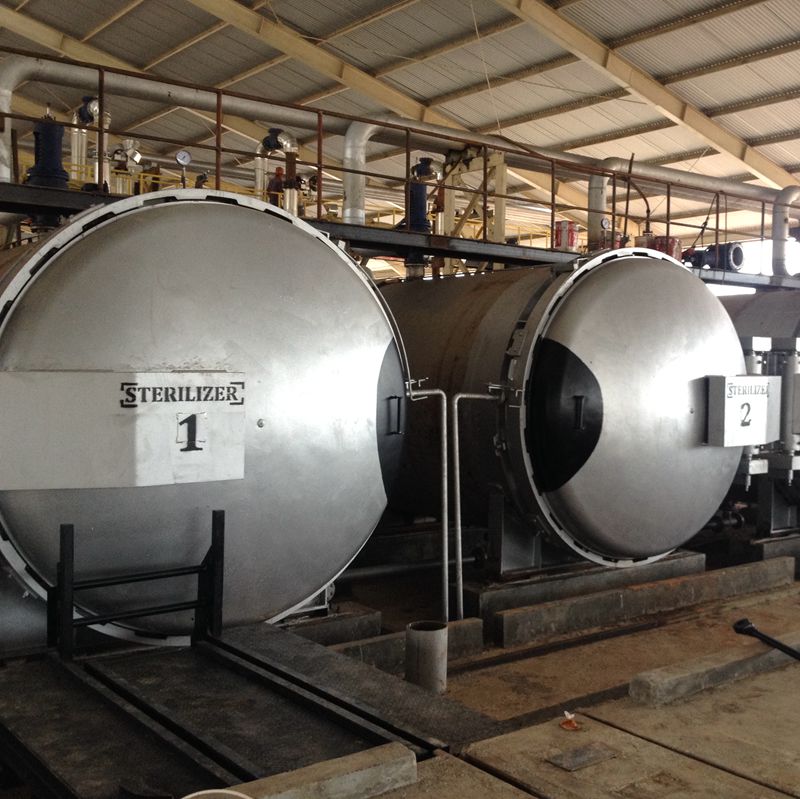
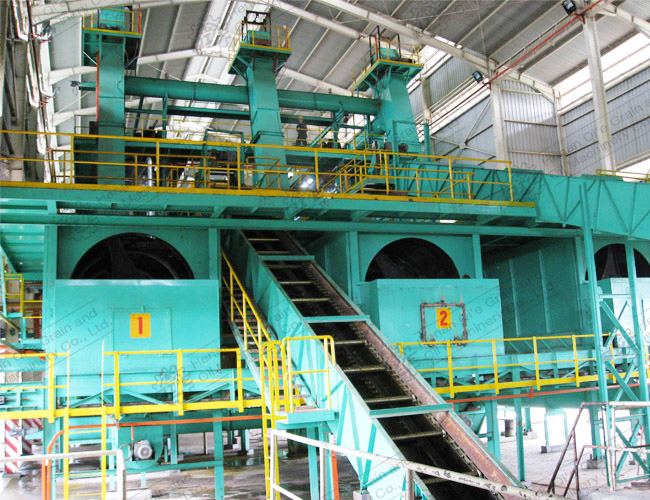
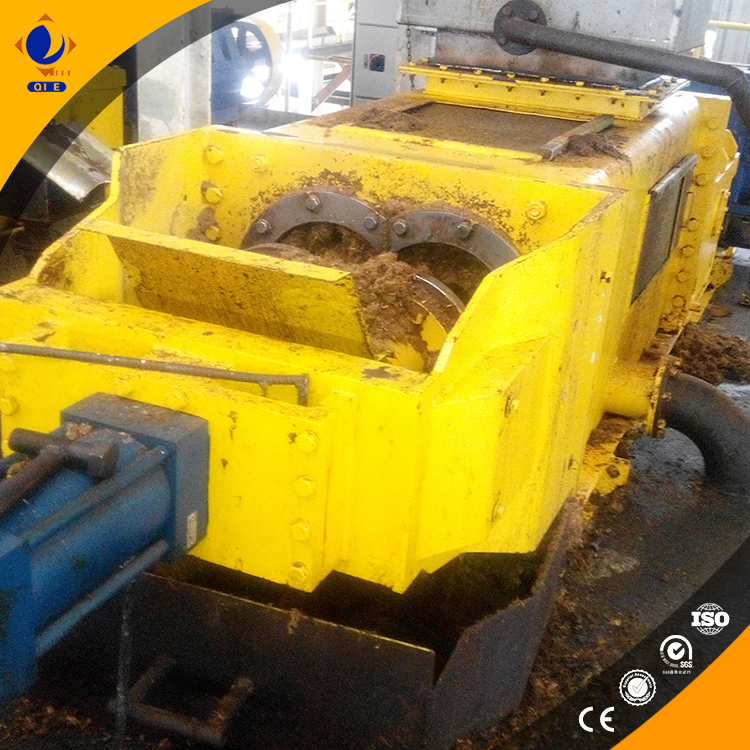
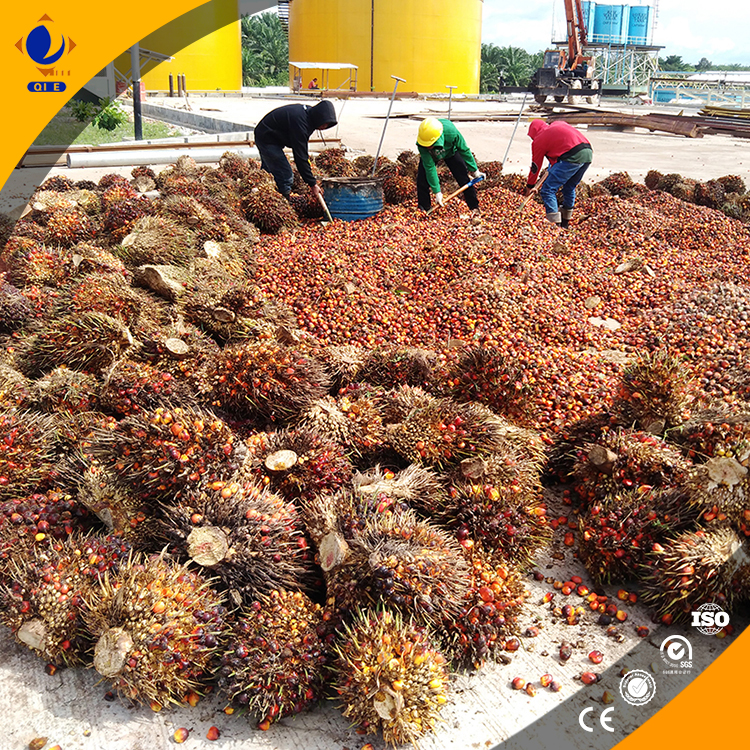
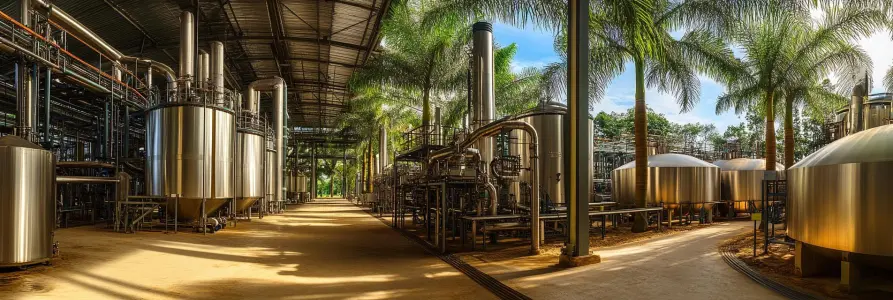
When it comes to choosing the right automated oil - pressing equipment for your small or medium - scale palm oil production, the first step is to start from your production capacity requirements. The processing capacity of palm oil production equipment ranges from 5 to 50 tons per day. Manual, semi - automatic, and fully automatic systems each have their own applicable boundaries.
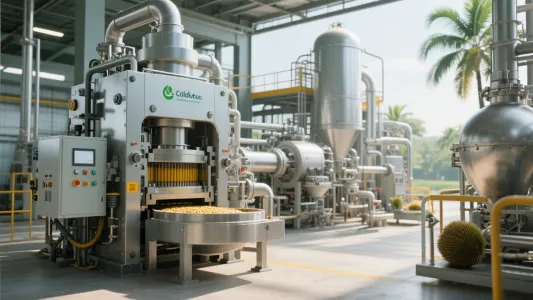
For small - scale production with a capacity of around 5 - 10 tons per day, a manual system might be a viable option if you have a limited budget and a small workforce. However, as your production demand increases, say from 10 - 30 tons per day, a semi - automatic system could be more suitable. And for large - scale small or medium - sized factories with a capacity of 30 - 50 tons per day, a fully automatic system is often the best choice.
The differences in automation degree mainly lie in labor dependence, operation complexity, energy consumption, and return on investment cycle. Let's take a look at the following comparison table:
| Automation Level | Labor Dependence | Operation Complexity | Energy Consumption | Return on Investment Cycle |
|---|---|---|---|---|
| Manual | High | High | Low | Long |
| Semi - automatic | Medium | Medium | Medium | Medium |
| Fully automatic | Low | Low | High | Short |
As shown in the table, although the fully automatic system has relatively high energy consumption, its low labor dependence and short return on investment cycle make it a popular choice for many medium - sized palm oil factories.
Let's look at some real - world examples. Factory A has a small workforce and limited space. With a production capacity of about 15 tons per day, they chose a semi - automatic system. This system allowed them to make full use of their existing labor force and limited space, while also meeting their production needs.
Factory B, on the other hand, has a large workforce and a large production demand of 40 tons per day. They opted for a fully automatic system. This system significantly reduced their labor cost and improved production efficiency, achieving high - speed and stable production.
When installing the palm oil production equipment, there are several key points to note. First, the foundation load - bearing requirements must be met. Different types of equipment have different foundation load - bearing requirements, usually ranging from 5 - 10 tons per square meter.
Second, the equipment should have a multi - voltage compatible design, including 220V, 380V, and 440V. This ensures that the equipment can be used in different regions with different voltage standards. In addition, strict safety regulations must be followed during the installation process to ensure the safety of operators and the normal operation of the equipment.
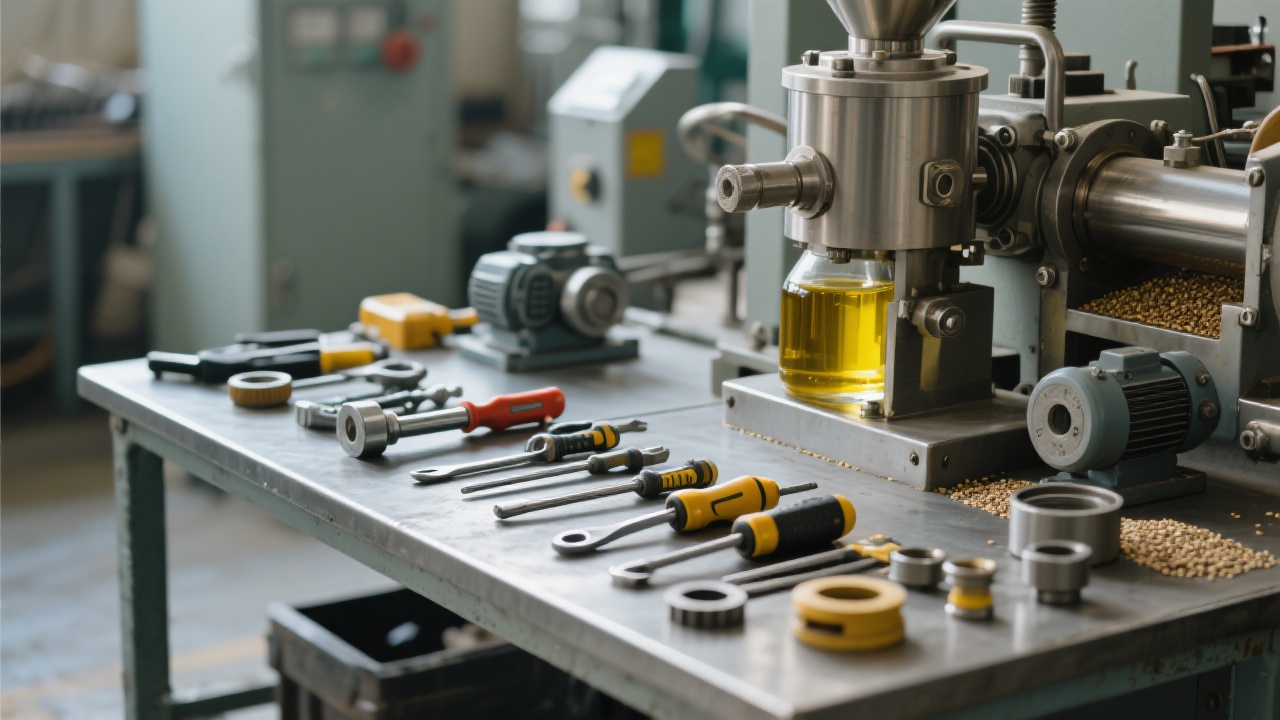
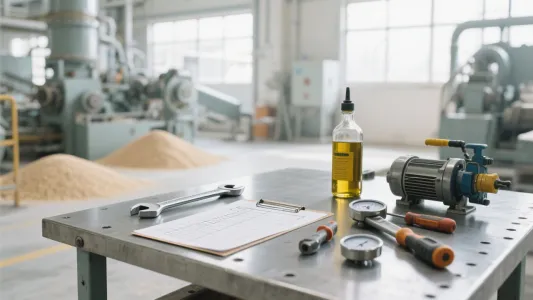
Regular maintenance is crucial for the stability and service life of the equipment. Here is a standardized maintenance list:
At the same time, you should also master some common fault identification skills. For example, if you hear abnormal noises during the operation of the equipment, it may indicate a problem with the mechanical parts. If the equipment suddenly stops working, it may be due to an electrical fault.
"The semi - automatic system we purchased has greatly improved our production efficiency. The operation is not too complicated, and the maintenance is also relatively easy. We are very satisfied with this equipment." - Technician from Factory A
Are you still confused about choosing the right palm oil production equipment? Don't worry! Our professional team can provide you with customized solutions and technical support services. Click here to consult our experts now!
 316
|
316
|
 palm oil refining
sustainable oil production
palm oil processing technology
palm oil refining
sustainable oil production
palm oil processing technology
 251
|
automated palm oil processing equipment
small scale oil press maintenance
palm oil mill automation system
oil extraction equipment troubleshooting
palm oil production line optimization
251
|
automated palm oil processing equipment
small scale oil press maintenance
palm oil mill automation system
oil extraction equipment troubleshooting
palm oil production line optimization
 310
|
Palm oil processing equipment
Methods to improve palm oil pressing efficiency
Energy - saving renovation schemes for refining processes
Application of automated control systems
Equipment daily maintenance skills
310
|
Palm oil processing equipment
Methods to improve palm oil pressing efficiency
Energy - saving renovation schemes for refining processes
Application of automated control systems
Equipment daily maintenance skills
 302
|
small palm oil processing line
custom oil press equipment
palm oil extraction technology
cold press vs hot press oil processing
food-grade stainless steel oil machine
302
|
small palm oil processing line
custom oil press equipment
palm oil extraction technology
cold press vs hot press oil processing
food-grade stainless steel oil machine
 472
|
Fully Automatic Palm Oil Pressing Machine
Palm Oil Processing Machine
High-Efficiency Palm Oil Extraction Equipment
304 Stainless Steel Palm Oil Press
Energy-Efficient Palm Oil Processing
Customizable Palm Oil Pressing Equipment
ISO9001 Certified Palm Oil Machinery
Advanced Technology Palm Oil Press
Palm Oil Production Equipment for Factories
Agricultural Palm Oil Processing Solutions
472
|
Fully Automatic Palm Oil Pressing Machine
Palm Oil Processing Machine
High-Efficiency Palm Oil Extraction Equipment
304 Stainless Steel Palm Oil Press
Energy-Efficient Palm Oil Processing
Customizable Palm Oil Pressing Equipment
ISO9001 Certified Palm Oil Machinery
Advanced Technology Palm Oil Press
Palm Oil Production Equipment for Factories
Agricultural Palm Oil Processing Solutions