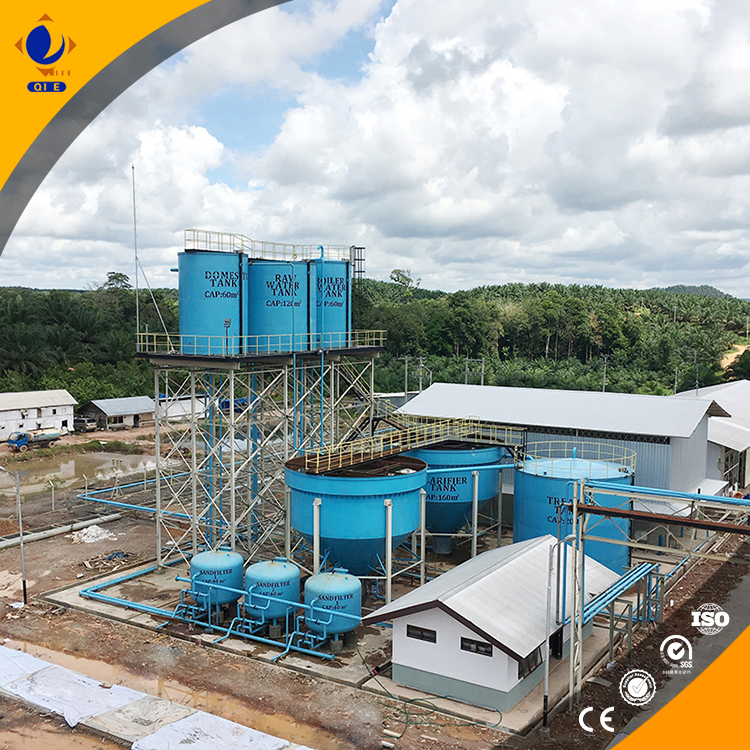
Palm oil refining is a complex process that requires precision and consistency to ensure high - quality products. This article delves into how automated control systems can improve the batch stability of palm oil refining, starting from the extraction of crude palm oil to the production of finished products.
The palm oil refining process consists of four core steps: degumming, deacidification, decolorization, and deodorization. Each step has critical technical parameters that significantly impact product quality.
In the degumming process, for example, maintaining the right temperature (usually around 60 - 70°C) and adding the appropriate amount of phosphoric acid (about 0.1 - 0.2% of the oil volume) can effectively remove gums from the crude palm oil. These gums, if not removed, can cause haze and instability in the final product.
Deacidification is crucial for reducing the free fatty acid (FFA) content. By using a proper amount of caustic soda solution and under a certain vacuum degree (around 20 - 30 mbar), the FFA can be neutralized. A high FFA content in palm oil can lead to an unpleasant odor and a shorter shelf - life.
Decolorization involves the use of activated carbon or bleaching earth to remove pigments from the oil. The amount of adsorbent used (about 1 - 3% of the oil weight) and the temperature (around 90 - 110°C) are key factors. Pigments can affect the visual appearance of the palm oil, making it less appealing to consumers.
Deodorization is the final step to remove volatile compounds and improve the flavor of the palm oil. A high - vacuum environment (below 1 mbar) and a temperature of around 200 - 240°C are typically required.
Quality fluctuations are common in palm oil refining. For instance, abnormal color and excessive FFA content are frequent issues. In a real - world case, a palm oil refinery was experiencing inconsistent product color. By conducting on - site inspections, the technical team found that the temperature in the decolorization process was not stable, which led to ineffective pigment removal.
The team then adjusted the temperature control system of the automated control system, ensuring that the temperature remained within the optimal range. This adjustment significantly improved the color consistency of the palm oil batches.
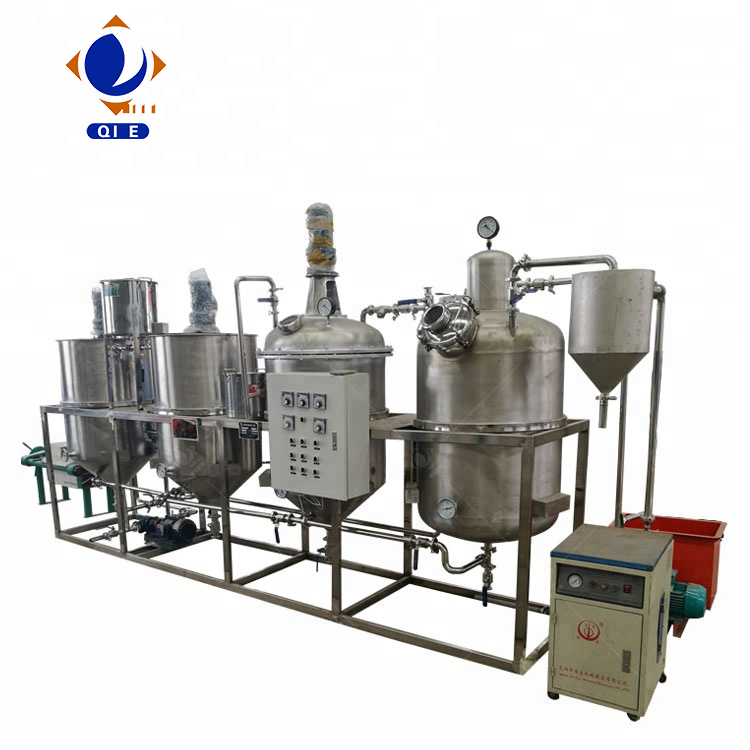
Penguin Group's high - quality 304 stainless - steel equipment plays a vital role in preventing metal contamination. Stainless steel is corrosion - resistant and does not react with palm oil, ensuring the safety and purity of the product. In addition, the automated control system can accurately monitor and adjust the parameters of each refining step, reducing human errors and ensuring batch consistency.
For example, in a large - scale palm oil refinery, after implementing Penguin Group's automated control system and stainless - steel equipment, the rejection rate due to quality issues decreased by 30%, and the production efficiency increased by 20%.
This article is suitable for palm oil producers, equipment procurement decision - makers, and industry technicians. It provides authoritative and practical guidance on palm oil refining technology and service support.
If you are looking to enhance your palm oil refining process, improve product quality, and gain a competitive edge in the market, contact Penguin Group today for our professional technical support and customized services.
 123
|
123
|
 Automated Palm Oil Pressing Production Line
Palm Oil Processing Machine
High Efficiency Palm Oil Extraction
Automated Palm Oil Pressing Production Line
Palm Oil Processing Machine
High Efficiency Palm Oil Extraction
 42
|
compact palm oil production line equipment
small and medium-sized enterprises
palm oil processing
efficient solutions
hot and cold pressing techniques
personalized customization
331
|
small scale palm oil refining machine
QI'E 1-50TPD oil refinery
production efficiency in Nigeria
42
|
compact palm oil production line equipment
small and medium-sized enterprises
palm oil processing
efficient solutions
hot and cold pressing techniques
personalized customization
331
|
small scale palm oil refining machine
QI'E 1-50TPD oil refinery
production efficiency in Nigeria
 107
|
oilseed processing equipment customization
scalable oilseed pre-treatment solutions
versatile oilseed extraction systems
107
|
oilseed processing equipment customization
scalable oilseed pre-treatment solutions
versatile oilseed extraction systems
 159
|
palm oil processing equipment maintenance
palm oil production efficiency improvement
automated control systems in palm oil industry
energy-saving palm oil processing technology
equipment lifespan extension techniques
159
|
palm oil processing equipment maintenance
palm oil production efficiency improvement
automated control systems in palm oil industry
energy-saving palm oil processing technology
equipment lifespan extension techniques