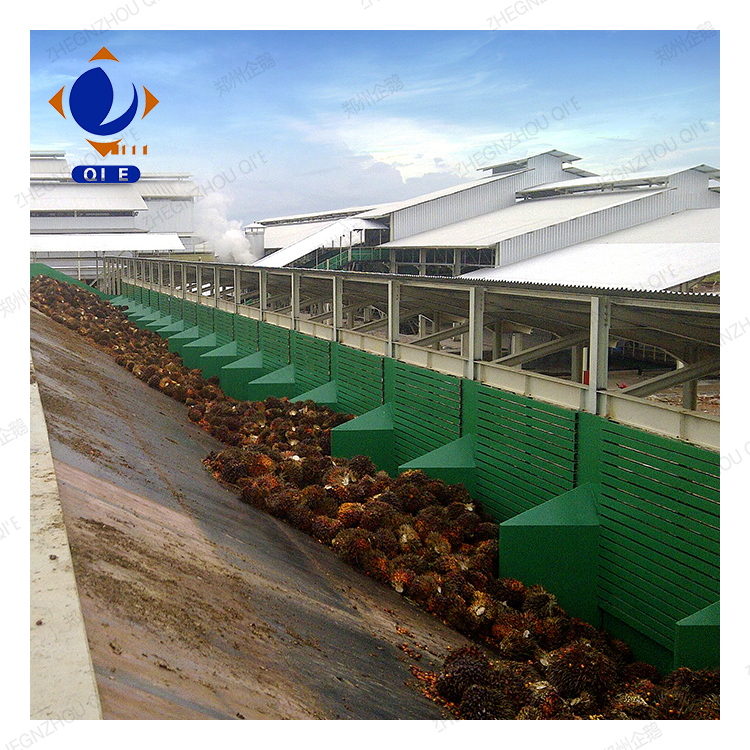
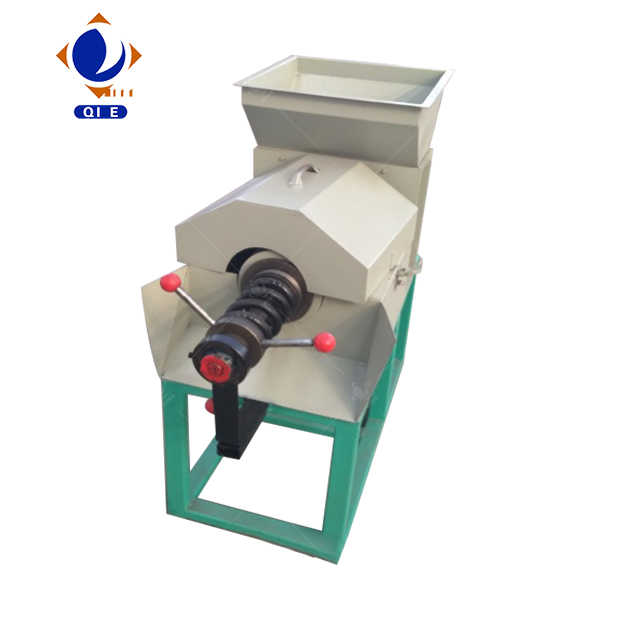
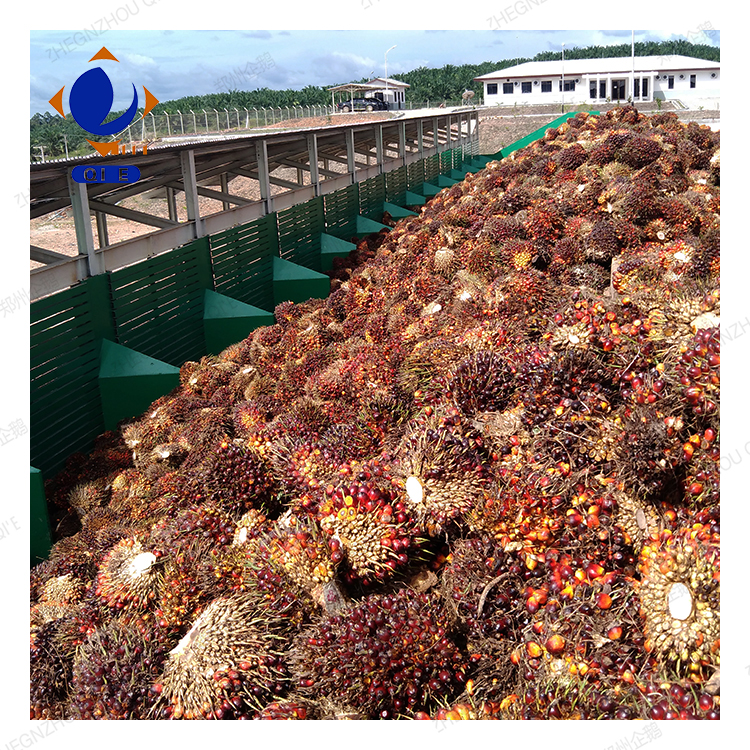
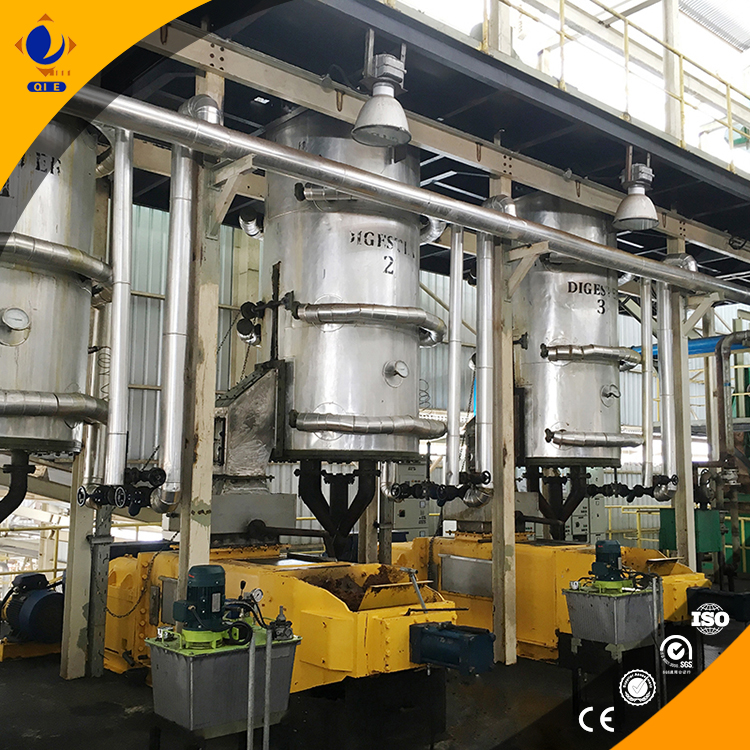
In palm oil processing, “yield” is not just a KPI on a dashboard—it is the difference between stable margins and constant firefighting. Most mills already understand sterilization, digestion, pressing, and clarification. Yet many still lose value where it matters most: incomplete cell rupture, unstable press parameters, and avoidable oil trapped in fiber and cake. This is where a modern hot–cold pressing strategy (implemented as a controlled, staged thermal + mechanical approach) can change the economics of a line.
For buyers and technical managers, the conversation usually starts with capacity (tons/hour). In real operations, the more decisive metric is residual oil in press cake. Even small improvements compound quickly—especially when raw fruit variability, downtime, and energy pricing are factored in.
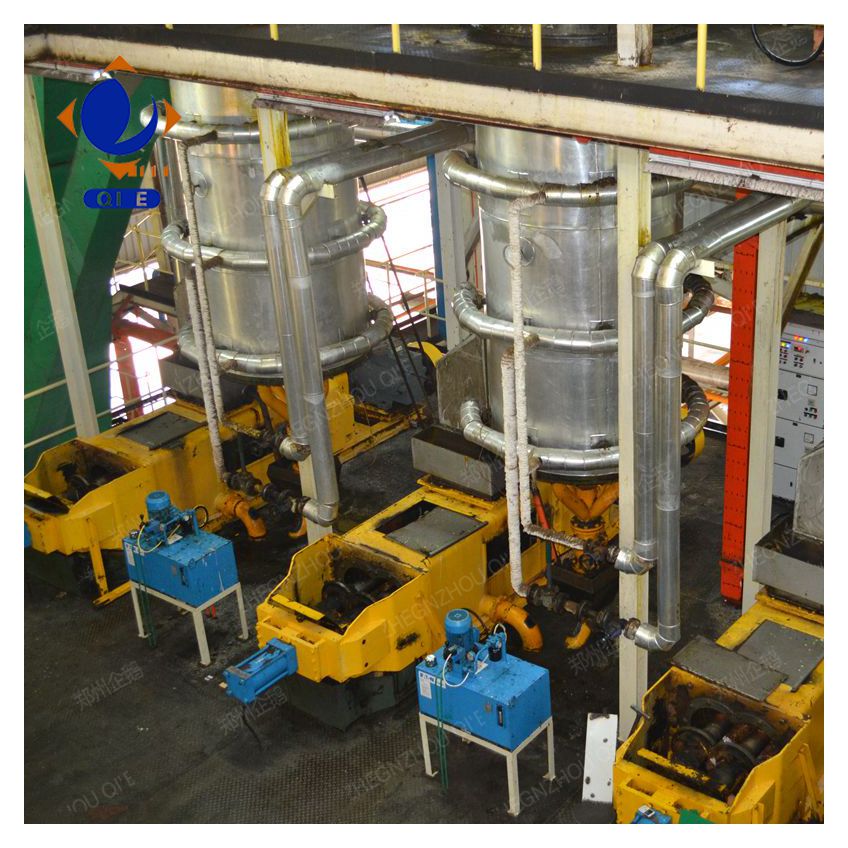
“Hot–cold pressing” in industrial palm oil extraction is best understood as a staged temperature and pressure program rather than a single fixed setting. The goal is to balance three physical realities: (1) oil viscosity and flow, (2) cell wall rupture and oil release, and (3) control of emulsification and moisture migration.
Note: Actual setpoints vary by fruit condition, line design, moisture, and throughput. Advanced systems tune these windows via feedback rather than fixed operator habit.
The key mechanism is structural: palm mesocarp contains oil in cellular compartments. When heating is applied strategically, cell walls soften and permeability rises. Under the right pressure profile, oil moves out more freely. If temperature is pushed too high for too long, viscosity may drop—but emulsions often increase and separation losses rise. A staged hot–cold approach aims to extract oil aggressively without paying for it later in clarification.
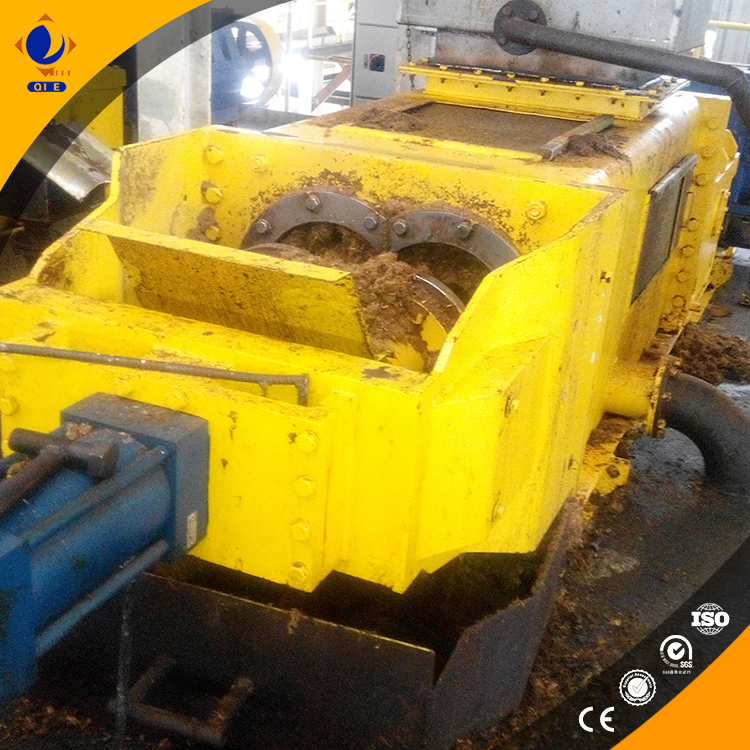
Traditional single-stage pressing is often built around “one best temperature” and a largely manual press setting approach. It can work—but performance depends heavily on operator experience and fruit stability. Modern hot–cold pressing lines focus on repeatability: controlling temperature segments and keeping press parameters inside a narrow operating band.
| Metric | Traditional single-stage pressing | Hot–cold pressing (automated staged control) |
|---|---|---|
| Residual oil in cake | ~2.0–5.0% (varies by operator + fruit) | <1.0–1.5% on optimized lines |
| Energy per ton of oil | ~18–35 kWh/ton (site-dependent) | <15–25 kWh/ton under stable operation |
| Stability across shifts | Medium to low | High (parameter locking + recipe management) |
| Risk of emulsification loss | Higher when “hotter is better” mindset dominates | Lower with staged control and tighter temperature deviation |
Traditional single-stage (example 3.5%)
Hot–cold pressing (example 1.0%)
The intent is not to claim one number fits all plants, but to show why staged thermal-mechanical control tends to reduce “oil left behind” when executed correctly.
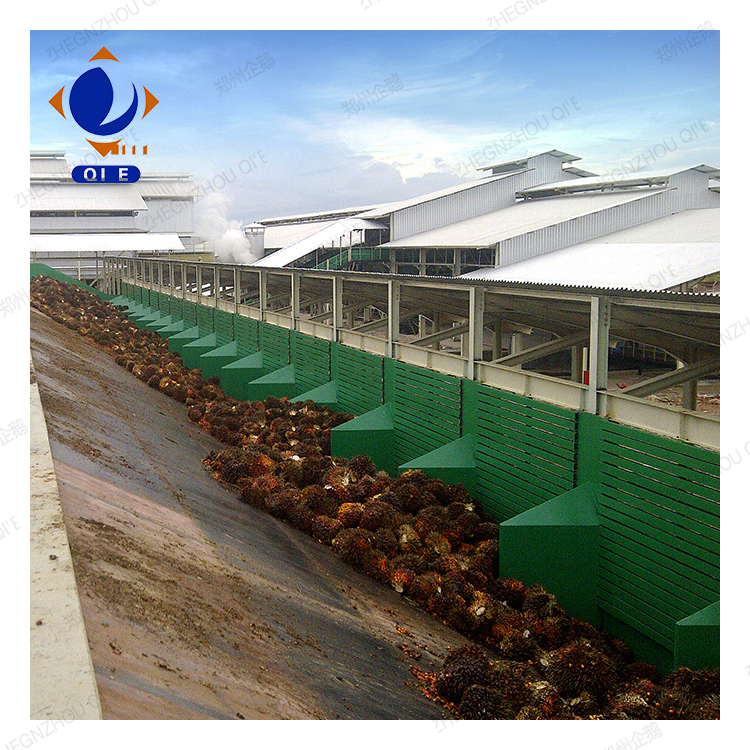
In real mills, the biggest yield killer is not “lack of force”—it’s lack of consistency. When fruit moisture shifts or throughput fluctuates, manual adjustments lag behind, and the press ends up running outside its best extraction envelope.
A properly engineered pressure vessel section helps maintain stable compression and residence time, which improves oil migration and reduces re-absorption into fiber. This stability becomes especially valuable when processing mixed ripeness batches or when upstream feeding is not perfectly uniform.
PLC-based control can lock in optimized settings (temperature stages, motor load limits, screw speed windows, alarms) and keep the line inside target ranges. Over time, this reduces variability across shifts and makes performance less dependent on a single experienced operator.
In a typical modernization scenario (mid-size mill upgrading from conventional pressing to a staged hot–cold approach with automated control), technical teams often report improvements driven by two levers: less oil left in cake and more stable energy use.
Residual oil in cake: aiming toward ≤1.0–1.5% (fruit-dependent)
Electricity: steady lines may reach <15 kWh/ton of oil in optimized conditions
Downtime reduction: improved stability can reduce adjustment-related stops by 10–30%
These ranges are commonly discussed benchmarks; actual outcomes depend on fruit quality, sterilization consistency, maintenance, and the clarity system.
This is also where a system integrator’s experience becomes critical. A staged process only works when upstream and downstream are matched—feeding uniformity, digestion quality, press settings, and separation capacity must be engineered as a single chain.
The intent is process control, not extreme temperature swings. When temperature is managed in stages and held within appropriate windows, plants typically aim for stable extraction while limiting emulsification and minimizing unnecessary thermal stress.
It can be achievable on optimized operations, but it is not a universal guarantee. Fruit ripeness, moisture control, digestion effectiveness, press wear, and clarification tuning all influence the final number. What staged systems do reliably is reduce variability and push the line closer to its optimal extraction band.
In day-to-day operations, ROI usually comes from fewer “operator-dependent” parameter shifts, faster troubleshooting with data logs, and more stable press loading—resulting in lower residual oil and fewer avoidable stops.
Technical teams typically verify the full process match: heating and conditioning capacity, press structural strength, wear-part availability, separation system sizing, automation philosophy (recipes/alarms), and the supplier’s commissioning support.
Penguin Group works with processing teams that need measurable performance—residual oil reduction, stable control logic, and practical commissioning support. For mills comparing configurations, it helps to review not only capacity, but the thermal-mechanical control strategy that drives real extraction efficiency.

 71
|
71
|
 palm oil processing equipment selection
automatic palm oil production line
palm fruit pressing machine energy consumption
high oil yield low energy palm oil mill
ISO9001 CE palm oil processing equipment
palm oil processing equipment selection
automatic palm oil production line
palm fruit pressing machine energy consumption
high oil yield low energy palm oil mill
ISO9001 CE palm oil processing equipment
 97
|
palm oil pressing technology
twin-screw oil press
efficient oil extraction
palm kernel processing
industrial oil press optimization
97
|
palm oil pressing technology
twin-screw oil press
efficient oil extraction
palm kernel processing
industrial oil press optimization
 96
|
Palm oil refining process
Automation control system
Degumming and deacidification technology
Quality fluctuation troubleshooting
Stainless - steel equipment
194
|
Palm oil refining process
Deacidification technical parameters
Causes of excessive free fatty acids
Solutions for abnormal palm oil color
Refining process optimization
228
|
Palm oil production line
Automatic oil extraction equipment
Equipment selection guide
Palm oil mill installation and maintenance
Small and medium - sized processing equipment
96
|
Palm oil refining process
Automation control system
Degumming and deacidification technology
Quality fluctuation troubleshooting
Stainless - steel equipment
194
|
Palm oil refining process
Deacidification technical parameters
Causes of excessive free fatty acids
Solutions for abnormal palm oil color
Refining process optimization
228
|
Palm oil production line
Automatic oil extraction equipment
Equipment selection guide
Palm oil mill installation and maintenance
Small and medium - sized processing equipment