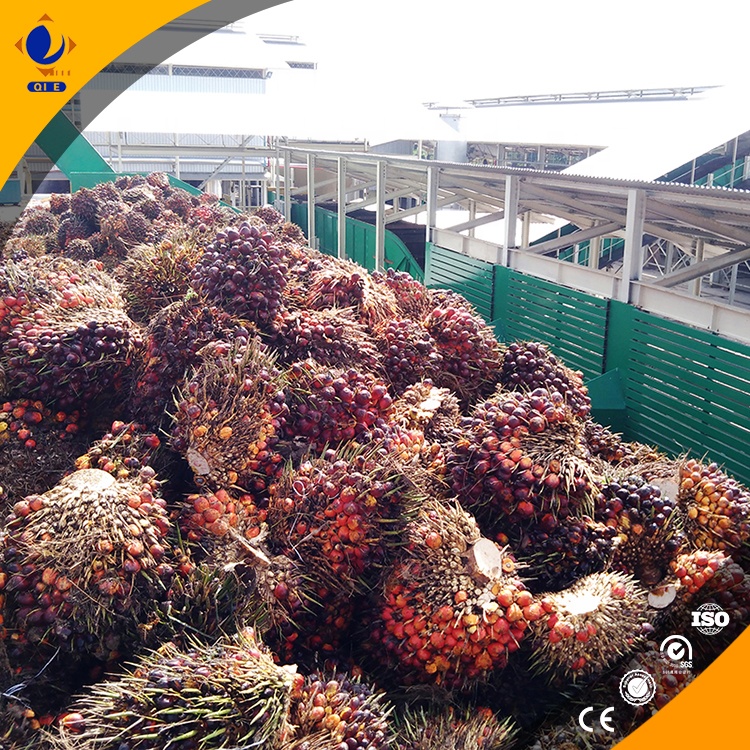
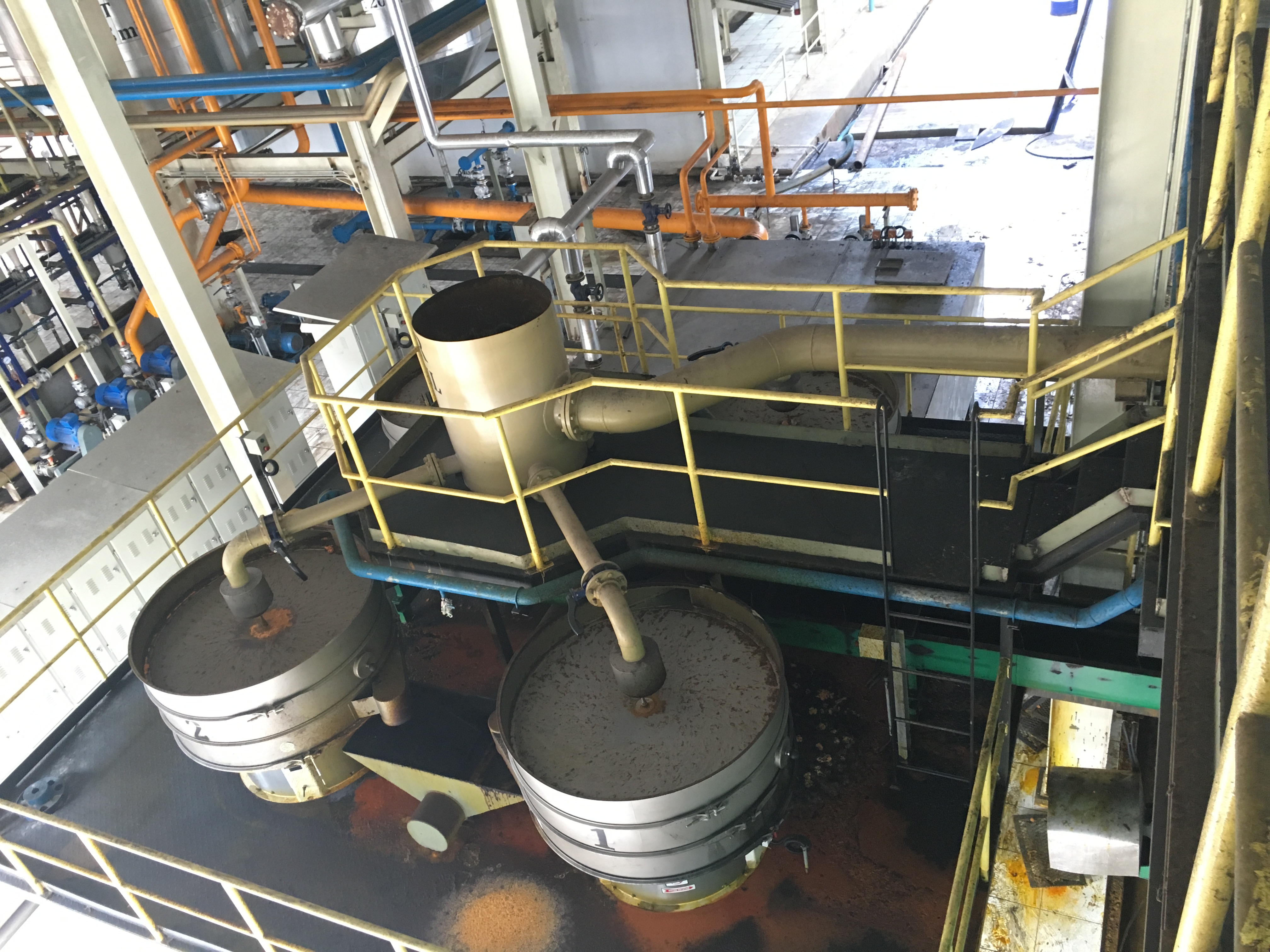
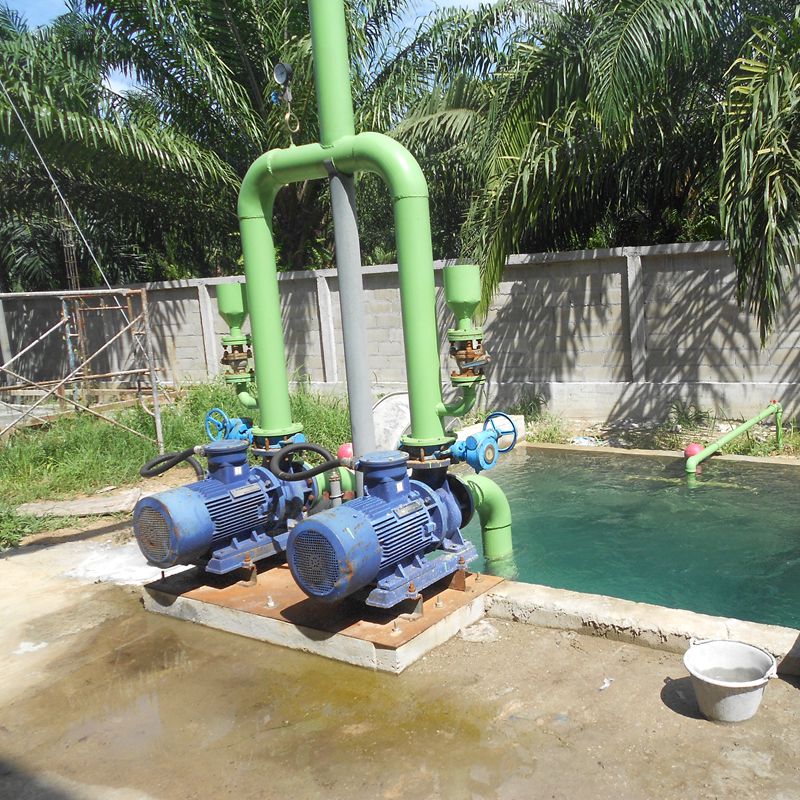
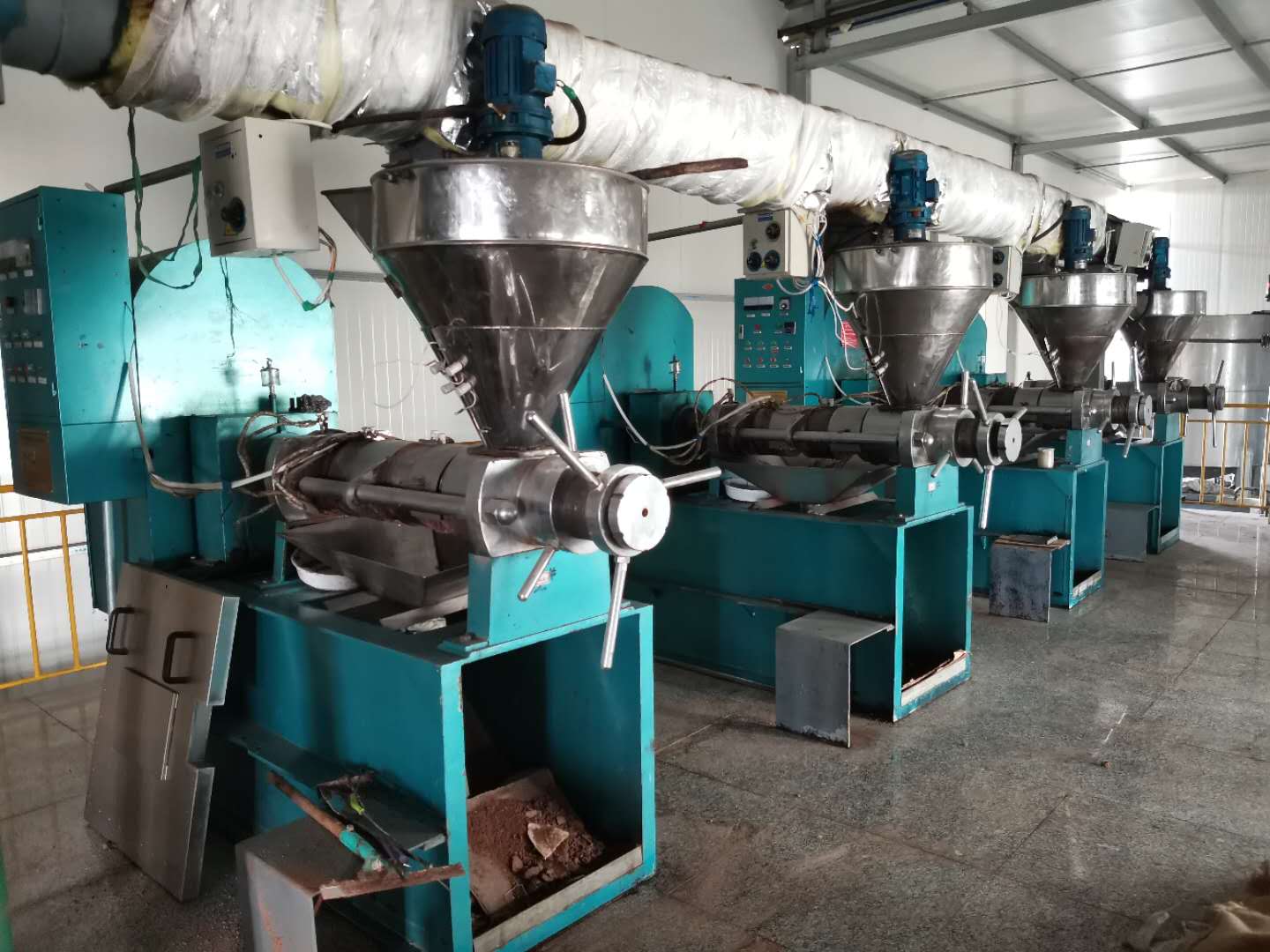
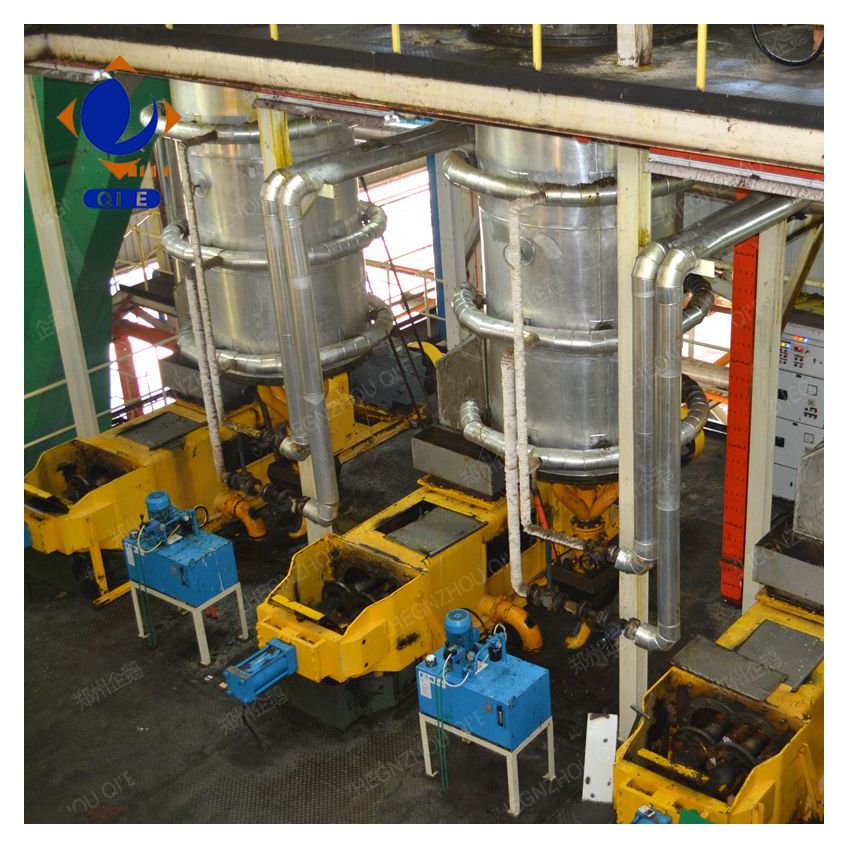
In the competitive landscape of edible oil processing, palm oil producers are constantly seeking technologies that can maximize yield while minimizing operational costs. The difference between a 1% and 2% residual oil rate can translate to millions in annual revenue for medium to large-scale facilities. This is where advanced cold-hot pressing technology comes into play, revolutionizing how palm oil extraction is approached in modern processing plants.
For palm oil processors, extraction efficiency isn't just a technical metric—it's the cornerstone of profitability. Consider this: a typical mill processing 500 tons of fresh fruit bunches (FFB) daily with a 20% oil content theoretically contains 100 tons of extractable oil. With traditional single-stage pressing technology averaging 18-19% extraction rates, processors lose 1-2 tons of oil daily—equating to 365-730 tons annually. At current market prices of approximately $800 per ton, this represents potential annual losses of $292,000 to $584,000.
"In an industry where margins are often determined by fractions of a percent, optimizing extraction efficiency directly impacts the bottom line," explains David Chen, Process Engineering Director at a leading Southeast Asian palm oil conglomerate. "Our adoption of cold-hot pressing technology has resulted in a 12% increase in net profit within the first year of implementation."
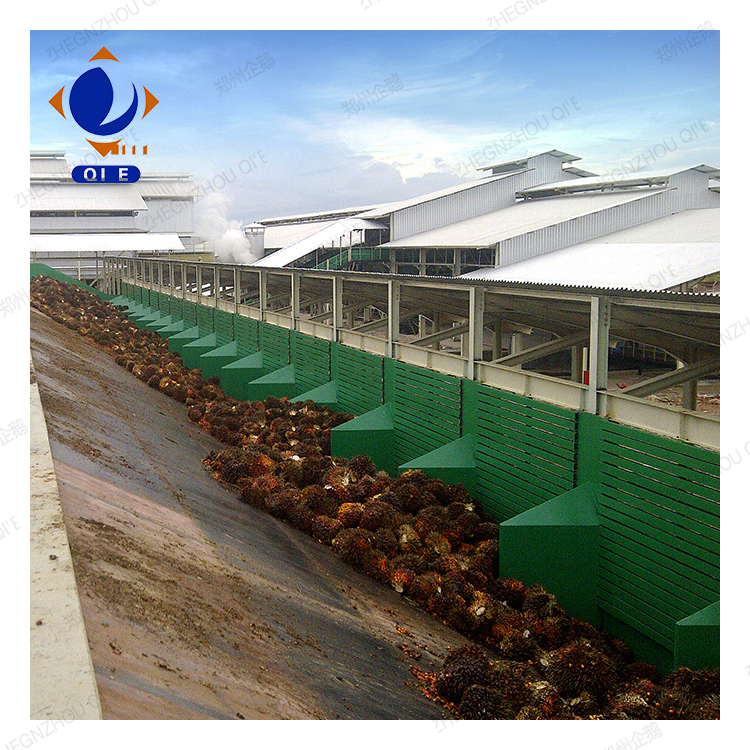
Palm oil is enclosed within the cellular structure of the palm fruit, protected by complex cell walls composed of cellulose, hemicellulose, and lignin. The cold-hot pressing process employs a strategic temperature gradient to optimize cell wall breakdown without compromising oil quality:
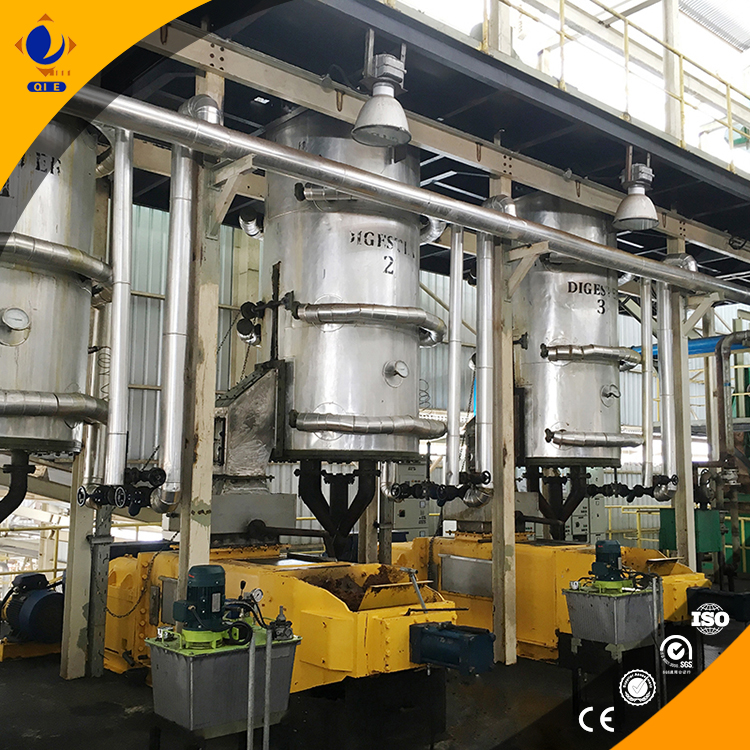
The key breakthrough of cold-hot pressing lies in its ability to coordinate pressure and temperature parameters. While traditional pressing relies solely on mechanical force, modern systems like the BTMA palm oil production line use programmable logic controllers (PLC) to maintain optimal conditions throughout the process. This precision ensures that cell walls are broken down efficiently while preventing oil degradation from excessive heat exposure.
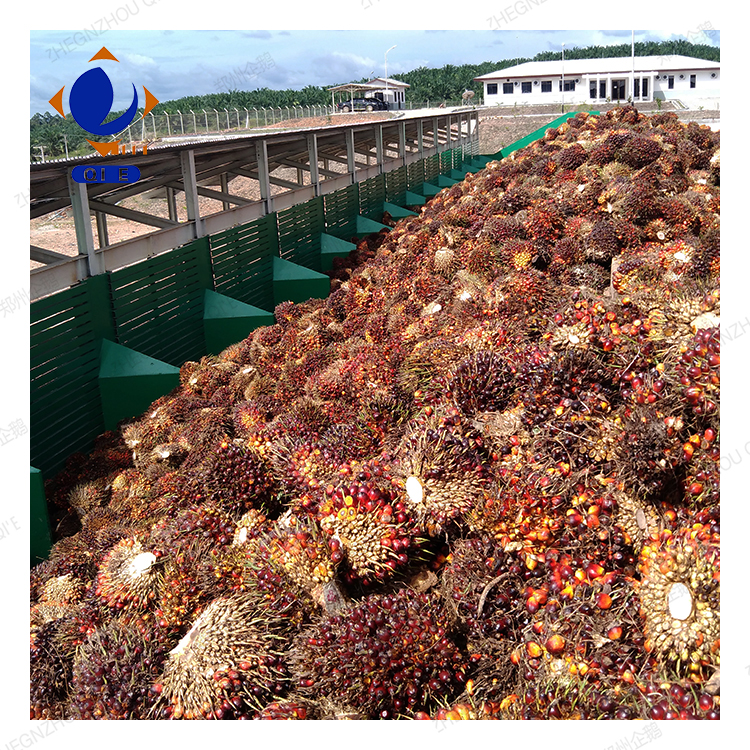
Independent studies conducted by the International Palm Oil Technical Association (IPOTA) have documented significant performance differences between traditional single-stage pressing and modern cold-hot pressing technology:
| Performance Metric | Traditional Single-Stage Pressing | Cold-Hot Pressing Technology | Improvement |
|---|---|---|---|
| Residual Oil Rate | 2.5-3.5% | < 1.0% | +60-70% |
| Energy Consumption | 120-140 kWh/ton FFB | 95-105 kWh/ton FFB | -18-25% |
| Processing Capacity | Base Rate | +15-20% vs. Base | +15-20% |
| Maintenance Downtime | 8-10 hours/week | 4-5 hours/week | -50% |
Modern cold-hot pressing systems integrate advanced PLC controls with precision pressure vessels to maintain optimal extraction conditions. These intelligent systems continuously monitor and adjust key parameters including:
Maintains precise temperature gradients across pressing stages, with deviation alerts if parameters fall outside optimal ranges.
Adjusts pressure based on fruit ripeness and moisture content, ensuring optimal extraction without excessive energy use.
Monitors equipment performance and provides advance notification of potential issues before they cause downtime.
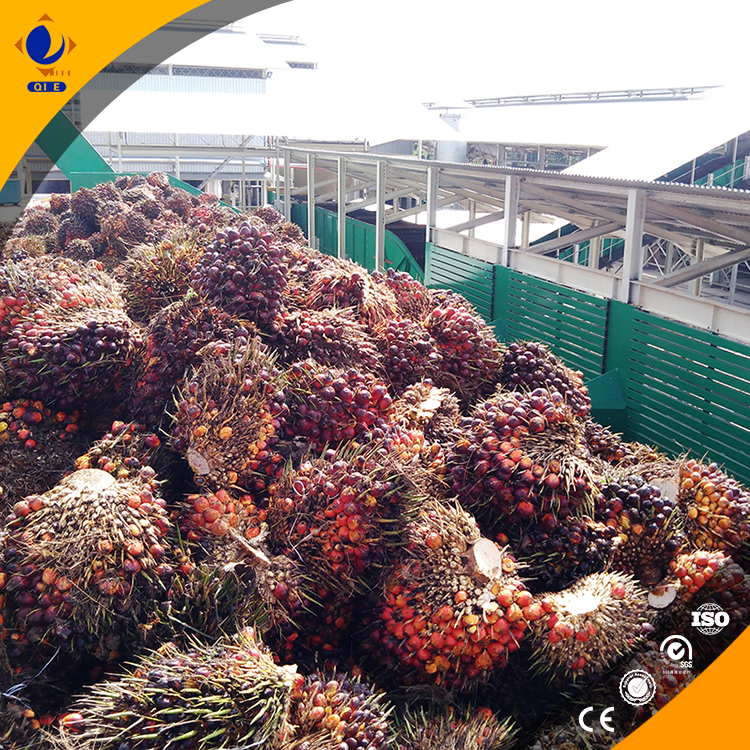
PT Sinar Mas, one of Indonesia's largest palm oil producers, implemented cold-hot pressing technology across three of their mills in 2021. Within six months, they reported:
"The transition required some initial investment and staff training, but the ROI has been exceptional," notes their Operations Manager, Agus Setiawan. "We've already recouped the implementation costs and are now seeing consistent improvements in both yield and product quality."
A: When properly controlled, cold-hot pressing actually improves oil quality by reducing impurities. The process minimizes oxidation through precise temperature control, resulting in lower free fatty acid (FFA) levels compared to traditional methods. Most producers report FFA levels below 2.0% with proper implementation.
A: For medium to large-scale operations (processing >300 tons FFB/day), the payback period typically ranges from 12 to 18 months. Smaller operations may see payback within 24-30 months depending on local palm oil prices and production volumes.
A: Yes, many components of existing mills can be retrofitted with cold-hot pressing technology, reducing overall investment costs. The feasibility depends on current equipment condition and layout, but most modern mills can be upgraded with minimal production disruption.
Discover how the BTMA palm oil production line from 企鹅集团 (Penguin Group) can help you achieve residual oil rates below 1% while reducing energy consumption and increasing throughput.
Explore Custom Solutions for Your MillAs palm oil producers face increasing pressure to improve sustainability and efficiency, cold-hot pressing technology represents a proven path forward. By combining scientific principles with advanced control systems, this approach delivers measurable improvements in yield, energy consumption, and operational reliability. The data speaks for itself—producers who invest in this technology are positioning themselves for long-term success in an increasingly competitive global market.
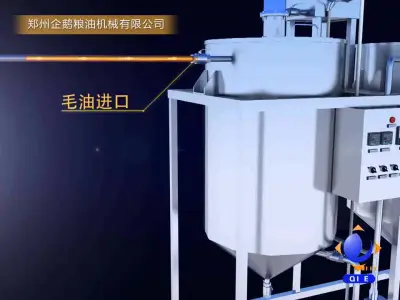
 491
|
491
|
 Mini Palm Oil Refining Equipment
Automatic Palm Oil Refining Equipment
Energy Efficient Palm Oil Refining Machine
Eco-Friendly Palm Oil Refinery
Small Scale Palm Oil Production
PLC Controlled Palm Oil Refining
ISO Certified Palm Oil Refining Equipment
High Capacity Palm Oil Refining
Reliable Palm Oil Refining Equipment
Mini Palm Oil Refining Equipment
Automatic Palm Oil Refining Equipment
Energy Efficient Palm Oil Refining Machine
Eco-Friendly Palm Oil Refinery
Small Scale Palm Oil Production
PLC Controlled Palm Oil Refining
ISO Certified Palm Oil Refining Equipment
High Capacity Palm Oil Refining
Reliable Palm Oil Refining Equipment
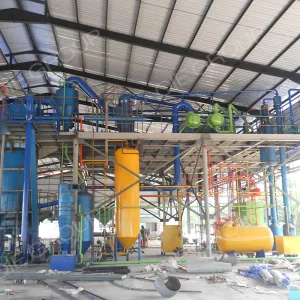 96
|
100 Tons Fully Automatic Palm Oil Processing Equipment
Palm Oil Processing Machine for 100 Tons
High-Efficiency Palm Oil Processing Equipment
Fully Automated Palm Oil Processing Equipment
ISO9001 Certified Palm Oil Processing Machine
BV Certified 100 Tons Palm Oil Processing Equipment
Palm Oil Refinery Equipment for Large Scale Production
Palm Oil Processing Equipment for Food Factories
Energy Efficient Palm Oil Processing Machinery
96
|
100 Tons Fully Automatic Palm Oil Processing Equipment
Palm Oil Processing Machine for 100 Tons
High-Efficiency Palm Oil Processing Equipment
Fully Automated Palm Oil Processing Equipment
ISO9001 Certified Palm Oil Processing Machine
BV Certified 100 Tons Palm Oil Processing Equipment
Palm Oil Refinery Equipment for Large Scale Production
Palm Oil Processing Equipment for Food Factories
Energy Efficient Palm Oil Processing Machinery
 46
|
100 tons automatic palm oil processing machine
palm oil processing equipment
fully automatic palm oil processing system
palm oil extraction and refining equipment
high capacity palm oil processing machine
palm oil processing solutions
palm oil manufacturing machine
certified palm oil processing equipment
palm oil production line
efficient palm oil processing machinery
46
|
100 tons automatic palm oil processing machine
palm oil processing equipment
fully automatic palm oil processing system
palm oil extraction and refining equipment
high capacity palm oil processing machine
palm oil processing solutions
palm oil manufacturing machine
certified palm oil processing equipment
palm oil production line
efficient palm oil processing machinery
 67
|
palm oil processing equipment
pressure vessel standard compliance
energy-efficient oil press machine
PLC control system
food-grade processing machinery
67
|
palm oil processing equipment
pressure vessel standard compliance
energy-efficient oil press machine
PLC control system
food-grade processing machinery
 87
|
Nigerian palm oil processing equipment
pressure vessel safety standards
automated palm oil production
ISO 9001 certified machinery
palm oil refining technology
87
|
Nigerian palm oil processing equipment
pressure vessel safety standards
automated palm oil production
ISO 9001 certified machinery
palm oil refining technology