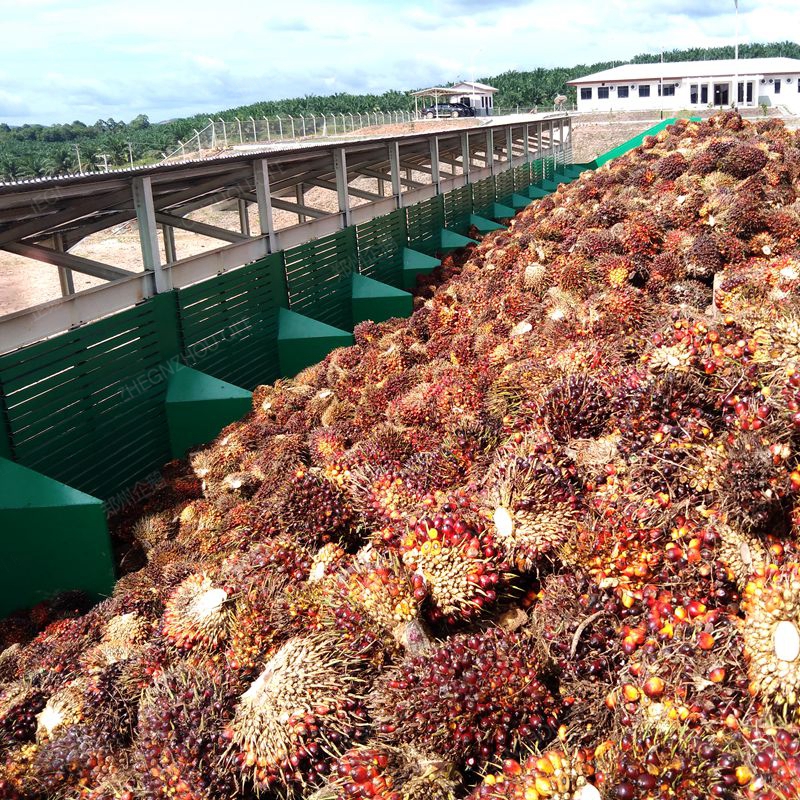
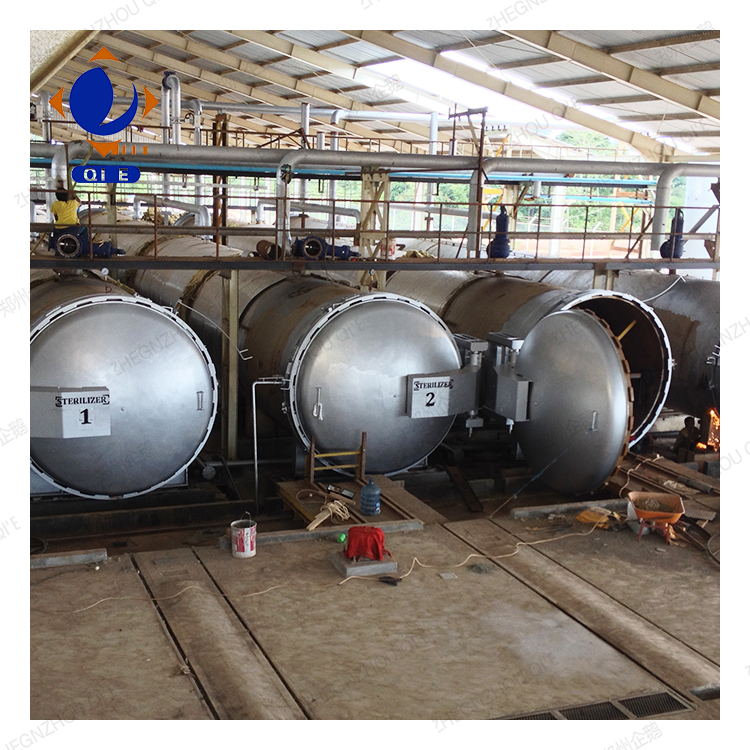
In today's competitive edible oil industry, palm oil processors face the constant challenge of maximizing yield while minimizing operational costs. With global palm oil demand projected to reach 92 million metric tons by 2025 (Statista, 2023), even a 0.5% increase in extraction efficiency can translate to millions in additional revenue for processing facilities. This is where advanced cold-hot pressing technology comes into play—a game-changing approach that has revolutionized how palm oil producers approach extraction.
Unlike traditional single-stage pressing methods, the cold-hot pressing technique employed in 全自动棕榈油生产线 (fully automatic palm oil production lines) utilizes a scientifically optimized temperature sequence to break down palm fruit cell structures. This two-phase process begins with cold pressing at temperatures below 60°C to preserve valuable nutrients and prevent oil oxidation, followed by hot pressing at controlled temperatures between 80-105°C to further rupture cell walls.
The result? A remarkable reduction in residual oil content to below 1%, compared to the 3-5% typically seen in conventional single-stage pressing. This translates to an average yield increase of 8-12% for most processors, according to industry benchmarks compiled by the International Palm Oil Congress.
The sequential temperature treatment effectively addresses the unique characteristics of palm fruit—softening the mesocarp while protecting the oil from thermal degradation. This precise control over the extraction process ensures maximum oil release without compromising quality parameters like free fatty acid content and iodine value.
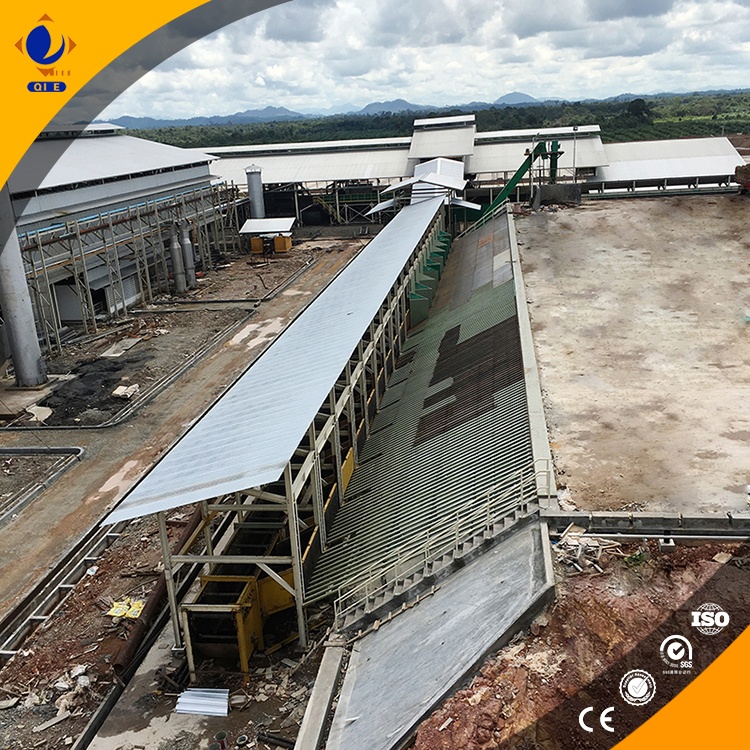
While implementing advanced pressing technology requires initial investment, the returns are substantial. A comparative analysis of 50-ton-per-day processing facilities showed:
| Performance Metric | Traditional Single-Stage Pressing | Cold-Hot Pressing Technology | Improvement |
|---|---|---|---|
| Residual Oil Content | 3.2-4.8% | <1.0% | 68-79% |
| Energy Consumption | 125 kWh/ton | 98 kWh/ton | 22% |
| Maintenance Frequency | Every 450 hours | Every 800 hours | 78% |
The true power of modern cold-hot pressing technology lies in its integration with advanced PLC control systems. These sophisticated control mechanisms continuously monitor and adjust critical parameters including pressure, temperature, and feed rate—maintaining optimal extraction conditions even as raw material quality fluctuates.
Penguin Group's engineering team has developed proprietary algorithms that automatically adapt to different palm fruit varieties and ripeness levels, ensuring consistent performance across seasonal variations. This level of precision control not only maximizes oil yield but also minimizes equipment wear and energy consumption.
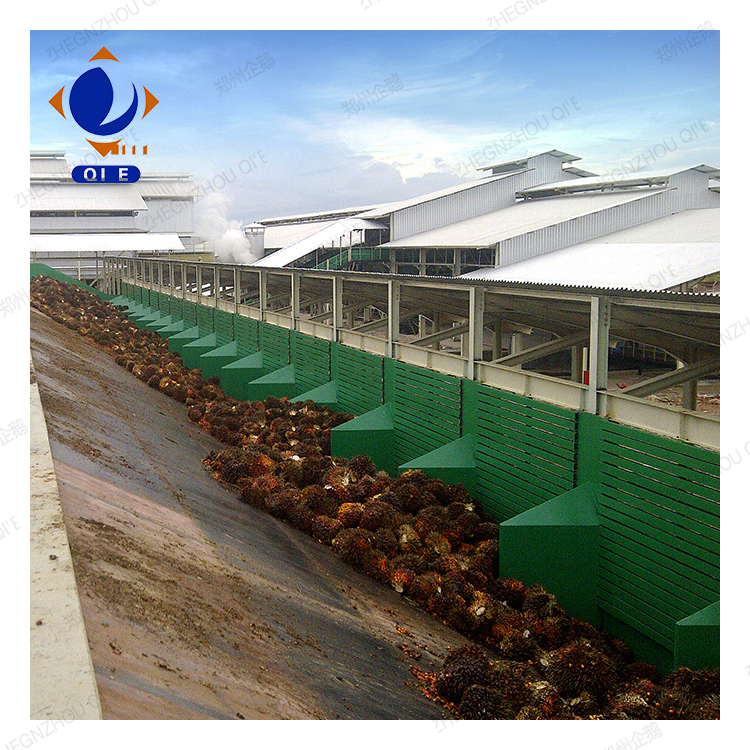
The versatility of cold-hot pressing technology makes it suitable for operations of all sizes. In Malaysia's Johor state, a medium-scale processor recently upgraded to this technology and reported:
Similar results have been documented across Southeast Asia, Africa, and South America, where palm oil producers are under increasing pressure to improve efficiency and reduce environmental impact.
When evaluating palm oil extraction equipment, processors should consider several critical factors beyond just initial cost. These include:
Equipment should match your current needs while allowing for 30-50% future expansion to accommodate business growth.
Look for systems with heat recovery capabilities and variable speed drives to minimize operational costs.
Ensure access to technical support, spare parts, and operator training to maximize equipment uptime.
Discover how Penguin Group's advanced cold-hot pressing technology can help your operation achieve residual oil rates below 1% while reducing energy consumption by up to 22%. Our team of process engineers will work with you to design a customized solution that meets your specific production needs and budget requirements.
Request Your Free Production Efficiency AnalysisA: When properly controlled, cold-hot pressing maintains excellent oil quality with free fatty acid levels typically below 0.8%, meeting the highest international standards for edible palm oil.
A: Regular lubrication and filter changes are required, but the intelligent design reduces overall maintenance needs by up to 40% compared to conventional equipment.
A: In many cases, yes. Penguin Group offers modular upgrade kits that can be integrated into existing lines, reducing capital expenditure compared to complete system replacement.

 286
|
286
|
 palm oil extraction technology
twin-screw press machine
low-energy oil pressing
food processing equipment
oilseed press line
palm oil extraction technology
twin-screw press machine
low-energy oil pressing
food processing equipment
oilseed press line
 347
|
palm fruit pretreatment
oil yield optimization
extraction process parameters
304 stainless steel equipment
palm oil production line
347
|
palm fruit pretreatment
oil yield optimization
extraction process parameters
304 stainless steel equipment
palm oil production line
 68
|
Palm fruit oil extraction production line
Screw oil press energy - saving design
Palm oil production equipment selection
Automatic oil press energy consumption optimization
Palm kernel pressing process
292
|
palm oil refining process
refining parameters control
batch consistency in palm oil
automated oil processing
quality stability in edible oils
68
|
Palm fruit oil extraction production line
Screw oil press energy - saving design
Palm oil production equipment selection
Automatic oil press energy consumption optimization
Palm kernel pressing process
292
|
palm oil refining process
refining parameters control
batch consistency in palm oil
automated oil processing
quality stability in edible oils
 490
|
palm fruit oil press line
energy-saving oil pressing equipment
screw oil press machine
production capacity equipment selection
automated control system
490
|
palm fruit oil press line
energy-saving oil pressing equipment
screw oil press machine
production capacity equipment selection
automated control system