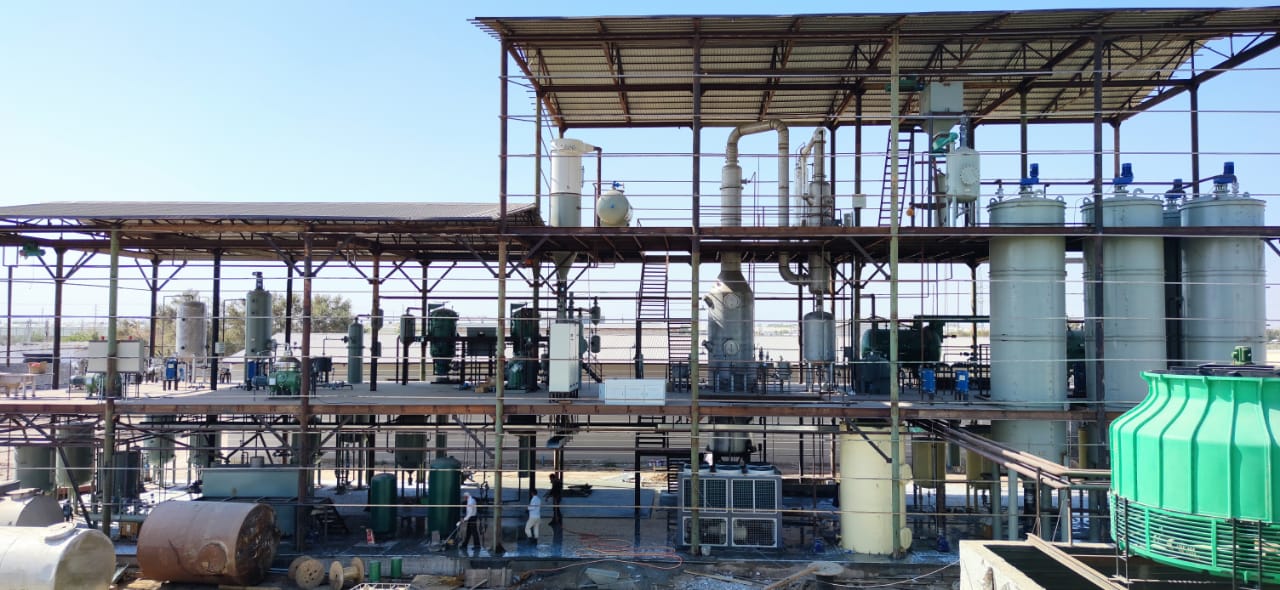
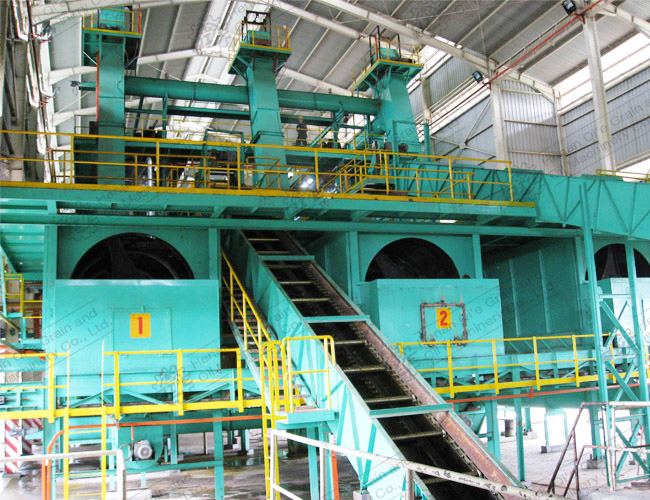
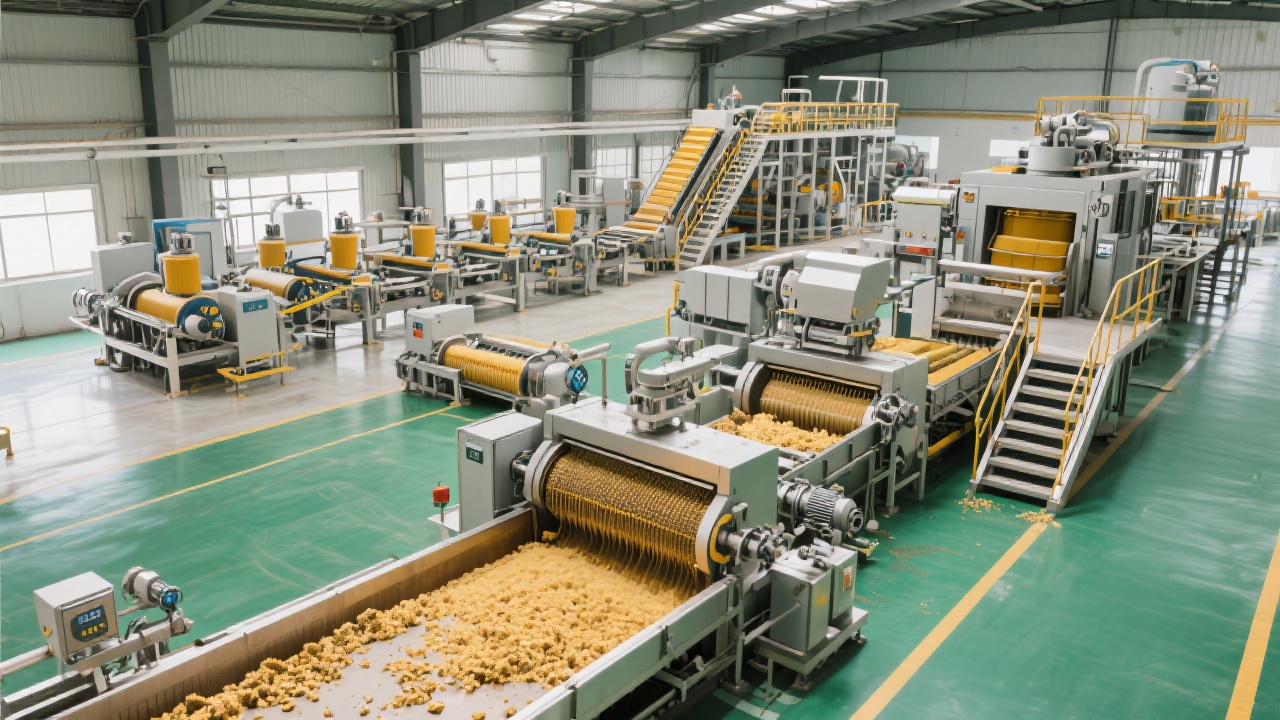
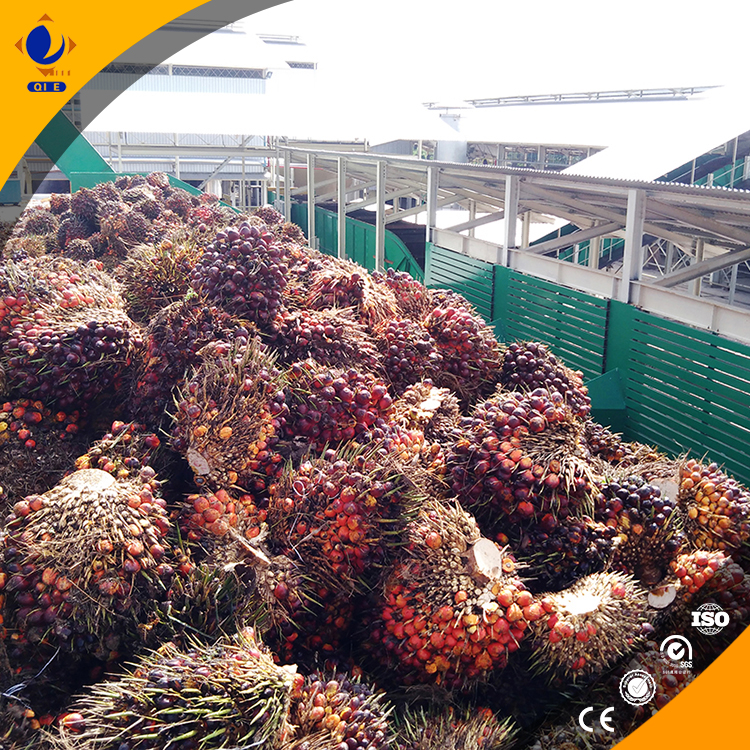
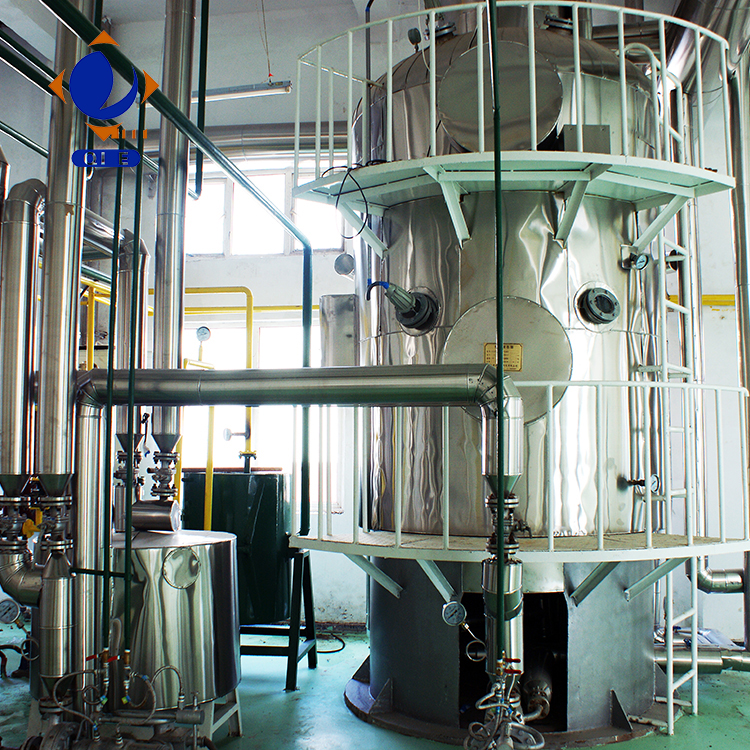
Palm oil production remains a cornerstone of the edible oil industry worldwide, yet traditional extraction methods often suffer from high energy consumption and inconsistent oil yields. This analysis presents a detailed exploration of a 10-ton-per-hour twin-screw press production line, unveiling the innovative technical advancements in palm oil processing that significantly enhance energy efficiency and output quality.
The twin-screw press centers on a robust mechanical design that facilitates continuous, high-throughput processing while maintaining optimal pressure and temperature conditions. Constructed using high-grade 304 stainless steel, the system guarantees unparalleled corrosion resistance, crucial for longevity in palm oil environments prone to acidic degradation.
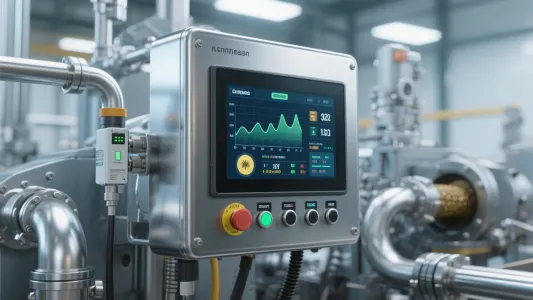
Key to its performance is the sophisticated automation control system that dynamically adjusts operational parameters such as screw rotation speed, feed rate, and pressing pressure. These adjustments are finely tuned to accommodate varying fruit bunch characteristics, enabling a stable and high-purity crude palm oil (CPO) yield often exceeding 95% extraction efficiency.
Typically, the line consumes approximately 15-20% less electricity compared to conventional single-screw presses, reducing operational costs while maintaining productivity. This balance effectively minimizes downtime and power demand, aligning with industry trends toward sustainable manufacturing.
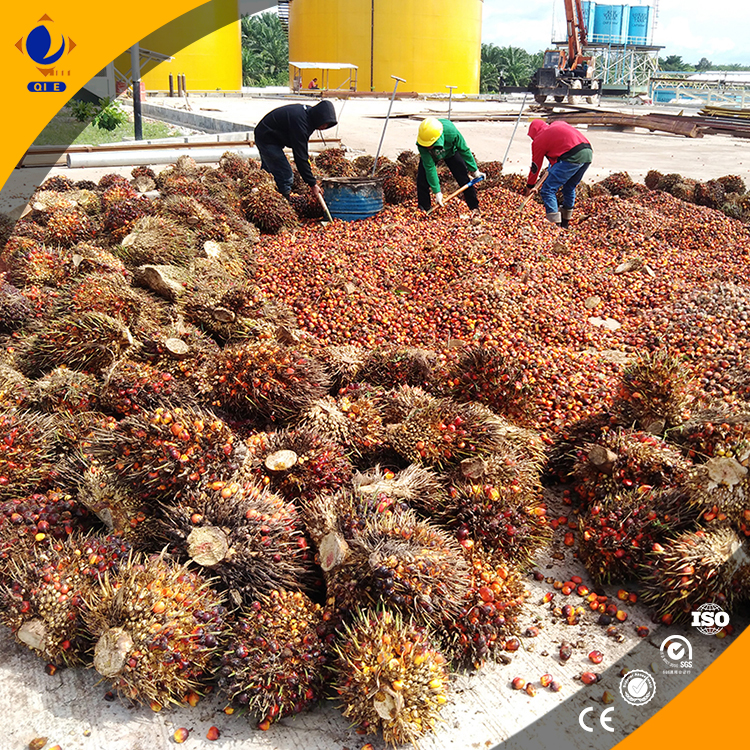
Across various overseas palm oil processing facilities, installation of the twin-screw 10tph line has translated into notable operational improvements. One client reported a reduction in oil oxidation levels by 12%, attributable to the controlled temperature profile inherent in the twin-screw process, thus enhancing product shelf life and market value.
Furthermore, parameter optimization enabled by the automated system has empowered operators to adapt swiftly to seasonal quality variations in raw palm fruit, maintaining consistent oil clarity and minimizing kernel breakage. This adaptability improves overall throughput by 8-10%—a meaningful figure in high-volume production.
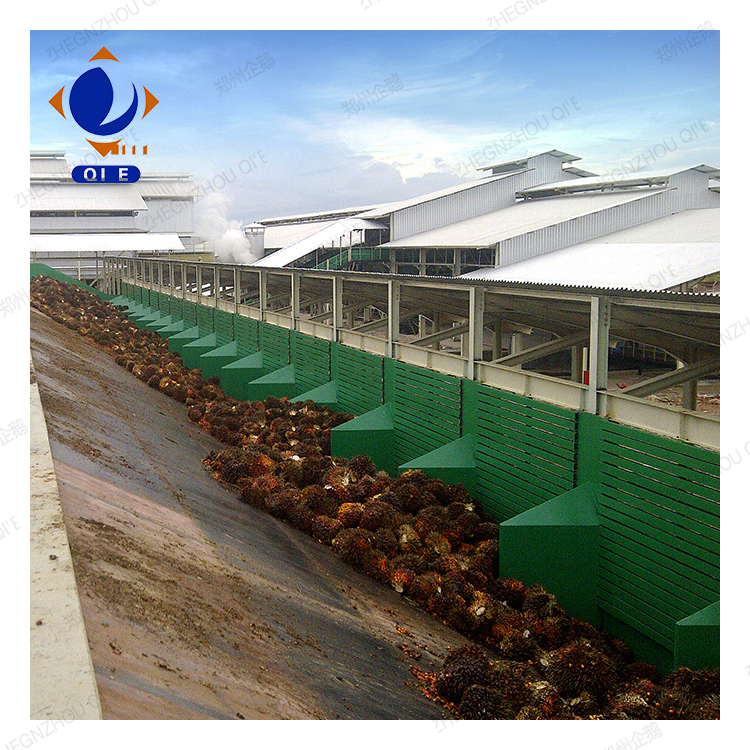
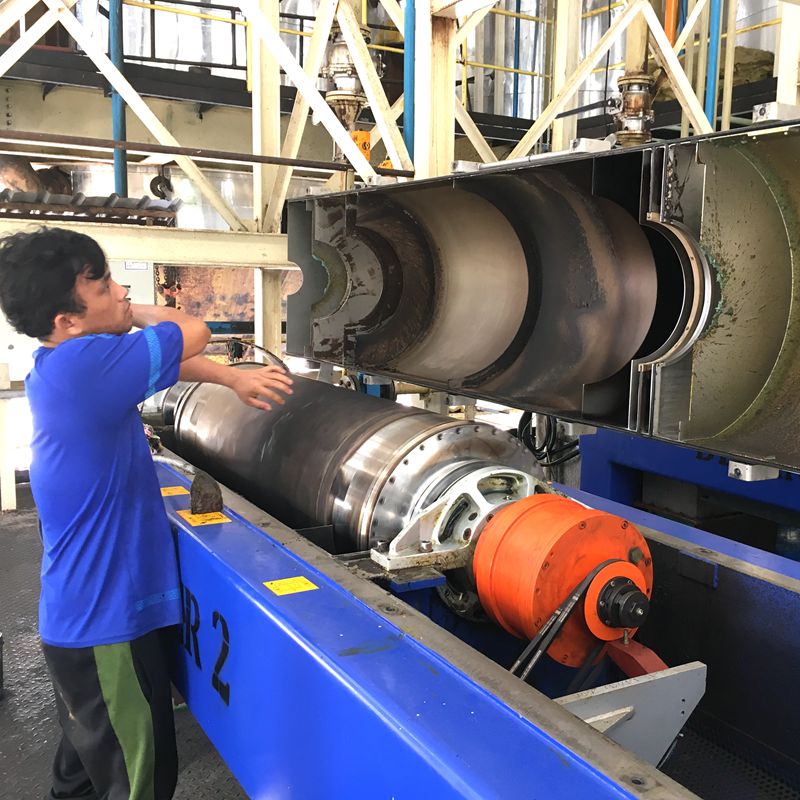
Preventative maintenance is foundational to sustaining machine integrity and reducing downtime. Routine inspection of bearing lubricants, screw wear, and temperature sensors ensures the press operates within optimal thresholds. Many users integrated IoT-enabled monitoring for early alerts on parameter drift or mechanical anomalies, reducing unplanned outages by 15%.
In addition, cleaning protocols leveraging automated flushing help mitigate residue build-up, preserving material hygiene standards critical for food-grade palm oil processing.
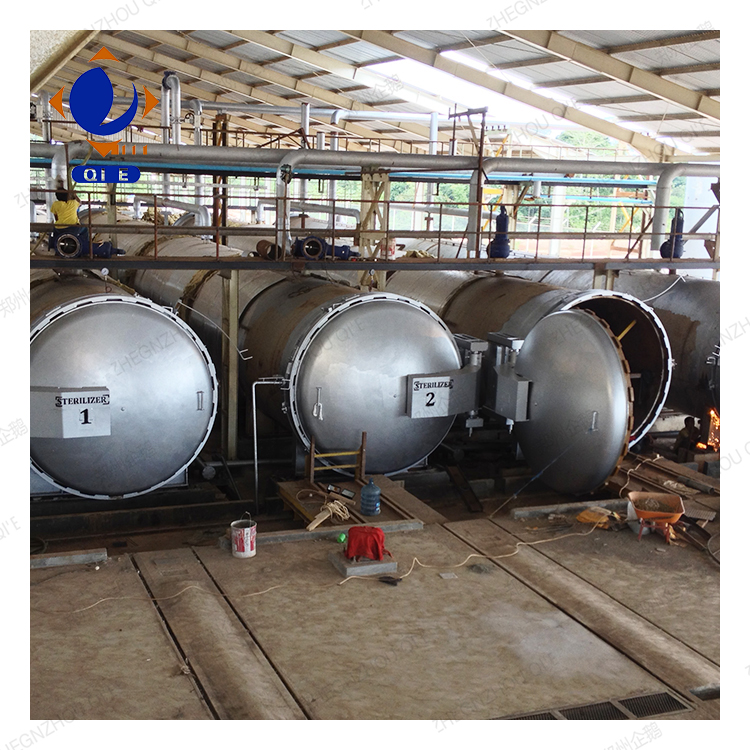
For grain and oil processing enterprises abroad seeking to upgrade operational efficiency and product purity, adopting the twin-screw press technology signifies a practical step towards achieving sustainability and cost-effectiveness. Beyond hardware, tailored operator training and flexible process adjustments ensure maximal return on investment.
As market demands advance toward higher quality standards and stricter environmental compliance, integrating such high-performance extraction systems positions businesses at a competitive advantage.
 278
|
278
|
 Mini Palm Oil Refining Equipment
Palm Oil Refining Machine
Efficient Palm Oil Processing Equipment
Pump and PLC System for Palm Oil
Energy-Saving Palm Oil Refining Equipment
Automated Palm Oil Refining Solutions
ISO9001 Certified Palm Oil Refining Machine
Durable Palm Oil Processing Machinery
QIE Group Palm Oil Equipment
Palm Oil Production Efficiency
Mini Palm Oil Refining Equipment
Palm Oil Refining Machine
Efficient Palm Oil Processing Equipment
Pump and PLC System for Palm Oil
Energy-Saving Palm Oil Refining Equipment
Automated Palm Oil Refining Solutions
ISO9001 Certified Palm Oil Refining Machine
Durable Palm Oil Processing Machinery
QIE Group Palm Oil Equipment
Palm Oil Production Efficiency
 251
|
automated palm oil processing equipment
small scale oil press maintenance
palm oil mill automation system
oil extraction equipment troubleshooting
palm oil production line optimization
251
|
automated palm oil processing equipment
small scale oil press maintenance
palm oil mill automation system
oil extraction equipment troubleshooting
palm oil production line optimization
 387
|
Palm oil processing equipment
PLC intelligent control system
energy-efficient palm oil machinery
automated palm oil production
ISO9001 palm oil equipment
387
|
Palm oil processing equipment
PLC intelligent control system
energy-efficient palm oil machinery
automated palm oil production
ISO9001 palm oil equipment
 298
|
Eco-Friendly Palm Oil Extraction Equipment
Efficient Oil Refining Machines
Palm Oil Processing Equipment
298
|
Eco-Friendly Palm Oil Extraction Equipment
Efficient Oil Refining Machines
Palm Oil Processing Equipment
 326
|
10-500 Ton Palm Oil Processing Line
Palm Oil Processing Machine
Palm Oil Extraction Equipment
Palm Oil Production Line
Automated Palm Oil Processing Line
Efficient Palm Oil Processing
Eco-Friendly Palm Oil Equipment
Palm Oil Factory Solutions
ISO Certified Palm Oil Machines
Palm Oil Processing Technology
326
|
10-500 Ton Palm Oil Processing Line
Palm Oil Processing Machine
Palm Oil Extraction Equipment
Palm Oil Production Line
Automated Palm Oil Processing Line
Efficient Palm Oil Processing
Eco-Friendly Palm Oil Equipment
Palm Oil Factory Solutions
ISO Certified Palm Oil Machines
Palm Oil Processing Technology