PROJECT PLANNING INSIGHT
An edible oil processing plant is a connected production system rather than a single equipment purchase. Sound planning aligns raw materials, process routes, capacity expectations, utility conditions, automation requirements, installation arrangements, and long-term service needs before equipment is selected.
For B2B oil mill projects, Qi'e Grain and Oil Machinery Co., Ltd. supports customers with process consultation, equipment configuration, installation, commissioning, and technical service for oil pressing, oil production line, and edible oil refining equipment.
Procurement decisions made only from an individual machine’s price, stated output, or appearance can create avoidable issues later in a project. Pressing, extraction where applicable, refining, material conveying, filtration, storage, electrical control, and auxiliary systems need to work as one coordinated process.
A practical procurement plan starts by defining what the plant must process and how it must operate. This gives investors, technical teams, and suppliers a shared basis for reviewing equipment scope, layout, interfaces, commissioning tasks, and future maintenance responsibilities.
Oilseeds and oil-bearing materials differ in oil content, moisture, impurity level, shell or hull characteristics, storage condition, and preparation requirements. A configuration that is appropriate for one material may not be suitable for another. Raw material assessment should come before finalizing the pressing or processing route.
Capacity should be reviewed across the full process, not only at the main press. Receiving, cleaning, conditioning, conveying, filtration, refining, packing, and storage can all affect production continuity. The practical output of a line depends on how these stages are matched.
Utilities and supporting systems are integral to plant operation. Electrical supply, water, steam or thermal requirements where needed, ventilation, drainage, dust handling, and wastewater-related planning should be considered with the core machinery rather than added after layout decisions are fixed.
The equipment price is only one part of the investment decision. Configuration suitability, installation conditions, operating accessibility, spare-part planning, maintenance convenience, training, and technical support influence the plant’s long-term operating experience.
A complete delivery plan should clarify equipment placement, interconnection, electrical and control interfaces, commissioning sequence, operator handover, and acceptance criteria. Early coordination reduces uncertainty when the equipment arrives at site.
Automation should reflect the intended operating model, available personnel, process control needs, maintenance capability, and budget. The objective is not simply more automation; it is an appropriate level of control that supports stable, understandable operation.
| Planning area | Questions to clarify | Why it matters |
|---|---|---|
| Raw materials | What material will be processed, and what preparation is required? | It guides process selection and the suitability of upstream equipment. |
| Production capacity | How should each stage be matched to the planned operating rhythm? | It helps avoid bottlenecks between preparation, pressing, refining, and handling stages. |
| Oil quality requirements | Is refining required, and which process steps are relevant to the intended product? | It aligns crude oil processing with the planned finished oil requirements. |
| Site and utilities | What space, access, power, water, heat, ventilation, and drainage conditions are available? | It supports workable layout planning and more orderly installation preparation. |
| Operation and service | Who will operate and maintain the line, and what support will be needed? | It makes maintenance, training, and technical service part of the project from the outset. |
Before comparing quotations, prepare a clear project brief covering material type, desired process scope, proposed capacity, site conditions, utility availability, automation expectations, and commissioning requirements. A more complete brief enables a more relevant equipment configuration discussion and helps all parties identify technical dependencies early.
Successful edible oil processing plant construction depends on coordination throughout the project lifecycle. Equipment selection should be connected to process design; process design should be verified against site conditions; and installation should lead into commissioning and operator readiness.
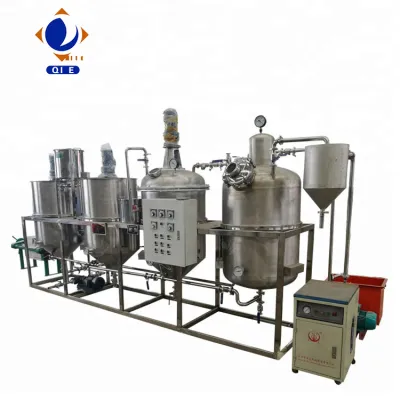
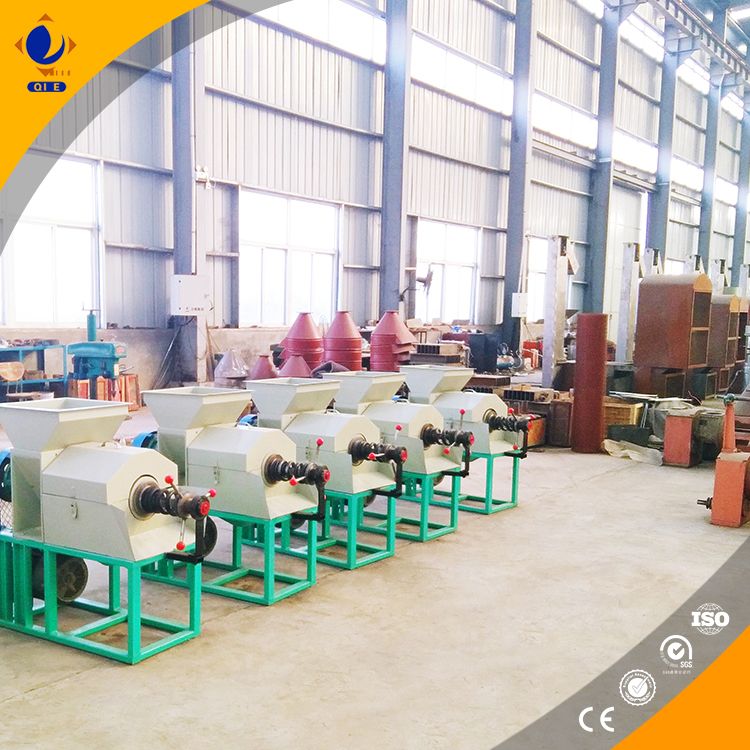
Qi'e Grain and Oil Machinery Co., Ltd. approaches edible oil processing projects with this system perspective. Its product scope includes oil pressing equipment, oil production line equipment, and edible oil refining equipment, supported by services related to design, installation, technical coordination, and after-sales support.
A well-defined procurement plan does more than identify machines to buy. It establishes the process, site, service, and operating conditions needed for an edible oil processing plant to be planned with greater clarity.

 222
|
222
|
 food grade palm oil production line maintenance
core components selection
motor maintenance technology
bearing wear prevention
PLC control system maintenance
food grade palm oil production line maintenance
core components selection
motor maintenance technology
bearing wear prevention
PLC control system maintenance
 387
|
Qi'e Grain and Oil Machinery
grain and oil machinery industry trends
integrated solutions
energy-efficient and eco-friendly equipment
service capability
387
|
Qi'e Grain and Oil Machinery
grain and oil machinery industry trends
integrated solutions
energy-efficient and eco-friendly equipment
service capability
 312
|
Qieji Group
edible oil processing complete equipment
oil pressing equipment
oil production line equipment
oil refining equipment
307
|
Qi'e Grain and Oil Machinery Co., Ltd.
grain and oil processing machinery
oil pressing equipment
edible oil production line
edible oil refining equipment
160
|
Qi'e Grain and Oil Machinery Co., Ltd.
overseas project
integrated solution
installation and delivery
after-sales service
312
|
Qieji Group
edible oil processing complete equipment
oil pressing equipment
oil production line equipment
oil refining equipment
307
|
Qi'e Grain and Oil Machinery Co., Ltd.
grain and oil processing machinery
oil pressing equipment
edible oil production line
edible oil refining equipment
160
|
Qi'e Grain and Oil Machinery Co., Ltd.
overseas project
integrated solution
installation and delivery
after-sales service