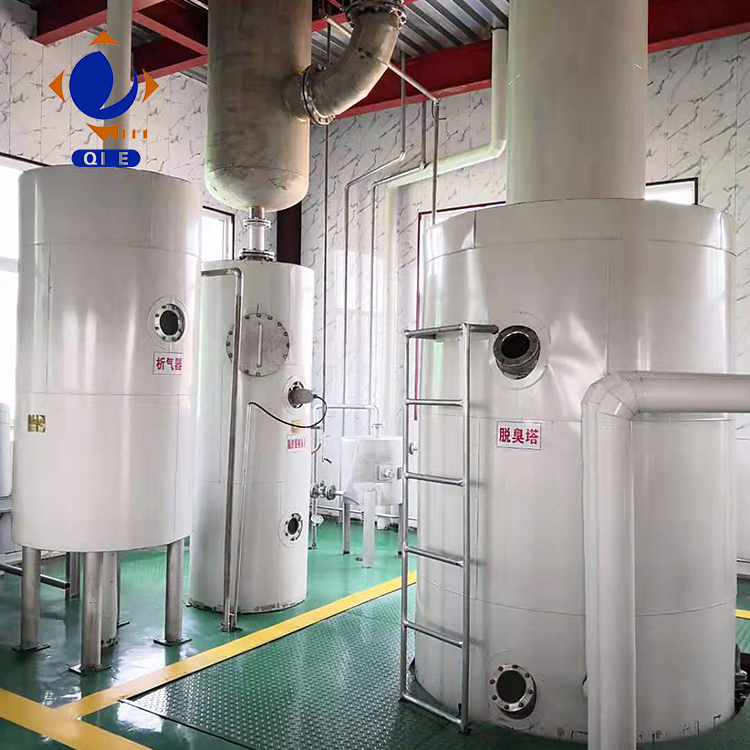
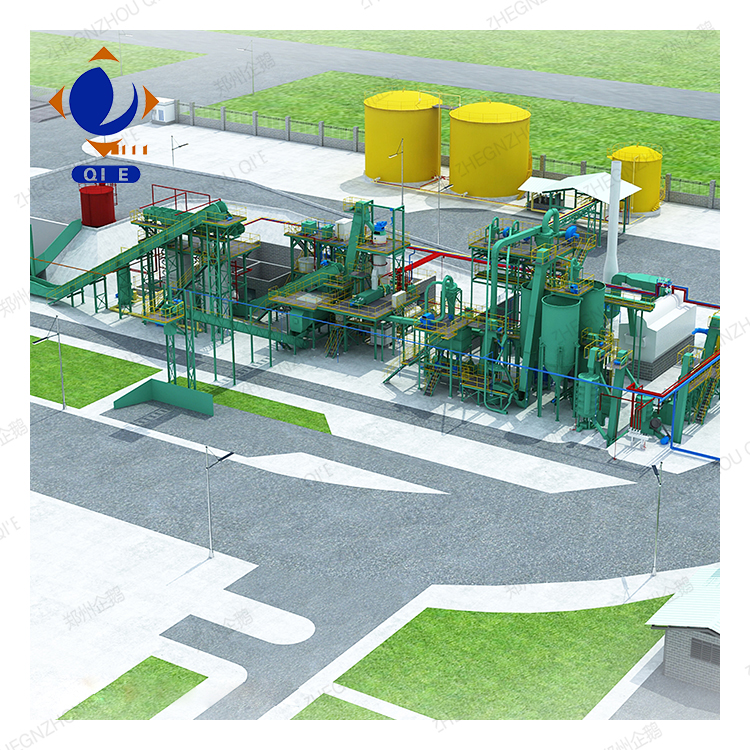
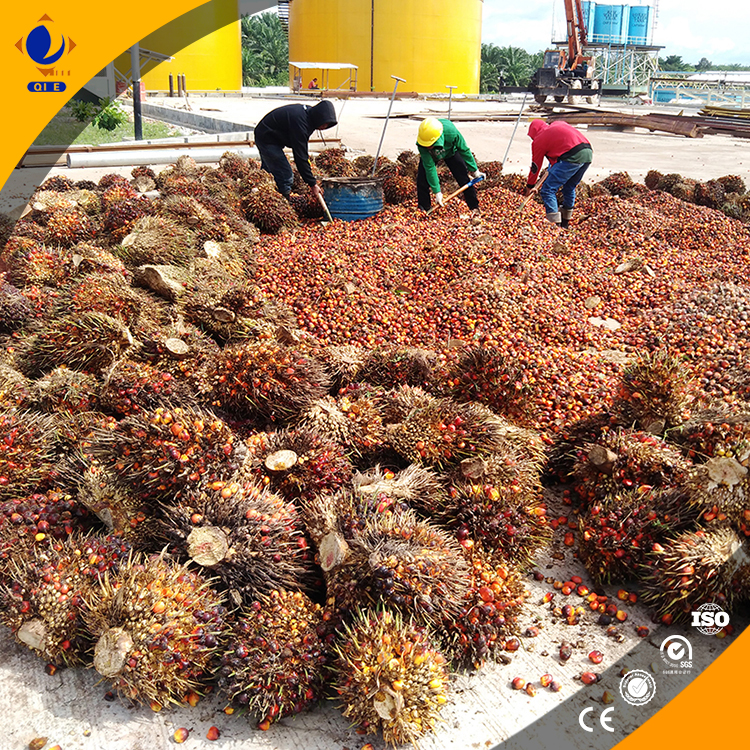
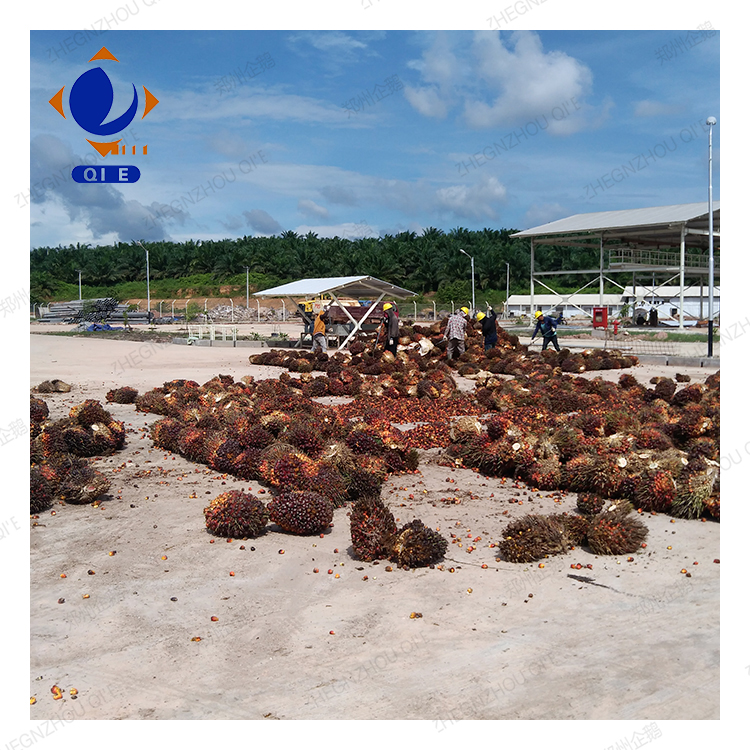
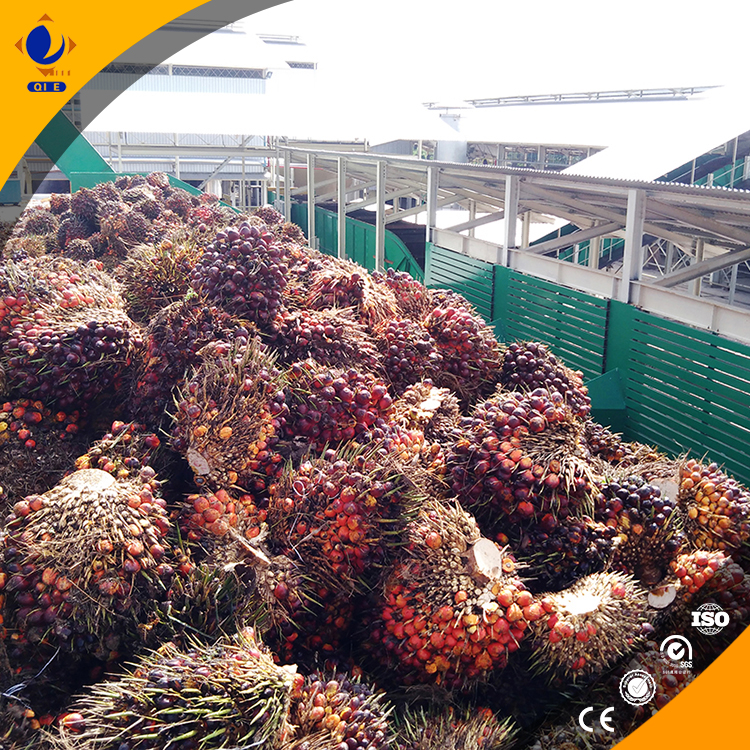
Optimizing palm fruit oil production lines with tailored equipment configurations is essential for operational efficiency, cost-effectiveness, and sustainability in the palm oil industry. This article presents an in-depth analysis of energy-saving technologies applied to fully automated palm fruit oil pressing lines, focusing on capacity ranges from 10 to 3000 tons per day (TPD). Through technical insights into screw press design, preprocessing systems, and oil cake separation, alongside material flow optimization, heat recovery, and automation, producers can significantly reduce energy consumption and maximize throughput.
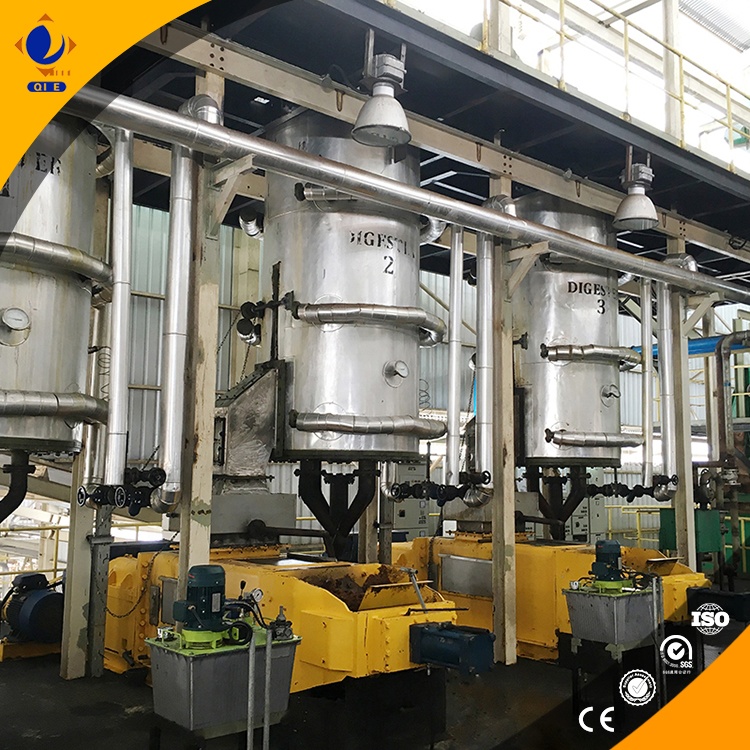
The core of any palm fruit oil production line is the screw oil press, which mechanically extracts oil through continuous pressing. Modern screw presses incorporate precision-engineered worm shafts and barrels made from high-strength alloy steel, ensuring minimal friction loss and durability. These machines operate optimally at speeds tailored to the feedstock's moisture and oil content, balancing oil yield with lower power consumption, typically ranging from 20 to 150 kW depending on capacity.
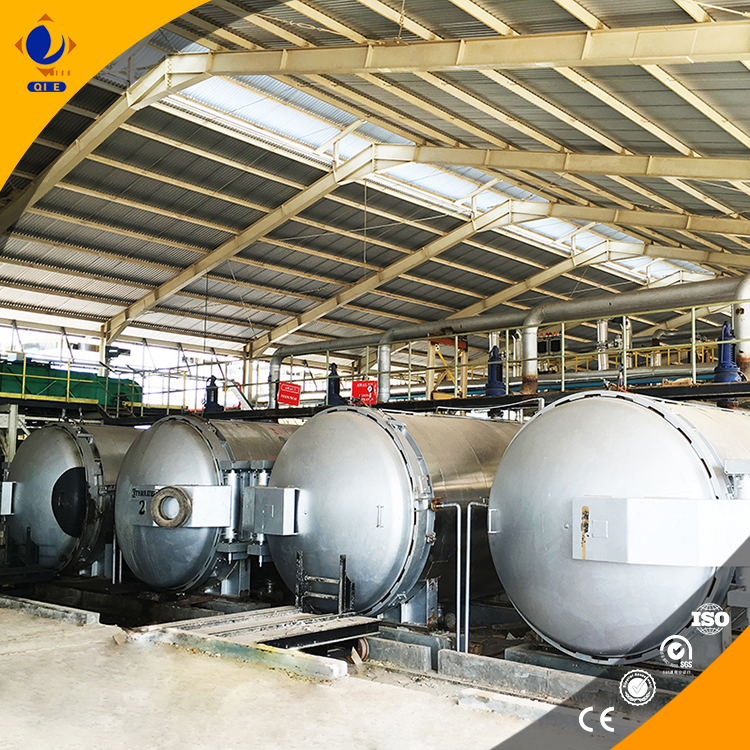
Preprocessing systems — including sterilization, threshing, and shredding — prepare the palm fruit by breaking down cell structures to facilitate oil release with less mechanical strain. Using energy-efficient steam sterilizers with heat exchanger recycling can reduce steam consumption by up to 35%, which directly impacts overall production costs.
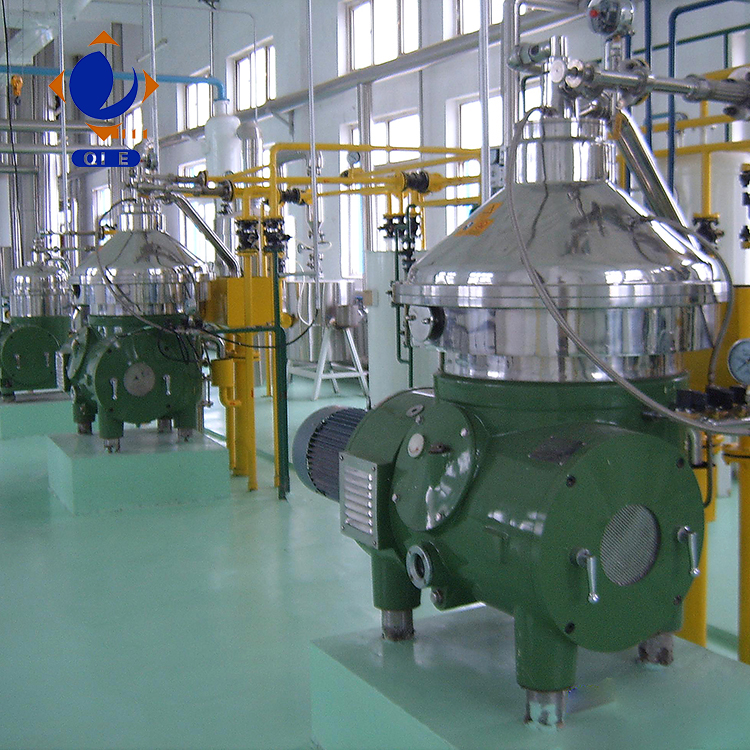
The oil cake separation stage employs automated conveying and filtering to separate residual oil from pressed fiber and nuts. Advanced filtration membranes and centrifugal separators integrated with programmable logic controllers (PLCs) ensure consistent quality with minimal power use.
Streamlining material flow paths minimizes unnecessary transport distances within the plant, reducing energy consumption in conveyors and motors. Layout designs that prioritize gravity-assisted movement, combined with variable frequency drive (VFD) systems to modulate motor speeds based on real-time load, can trim energy use by approximately 20%.
Heat energy recovery is a critical factor for sustainable operations. For instance, waste heat from the steam sterilizer can be reused to preheat incoming fruit or generate hot water for cleaning processes. Technologies like heat exchangers and condensate recovery systems can reclaim up to 40% of consumed thermal energy, significantly lowering fuel usage and CO₂ emissions.
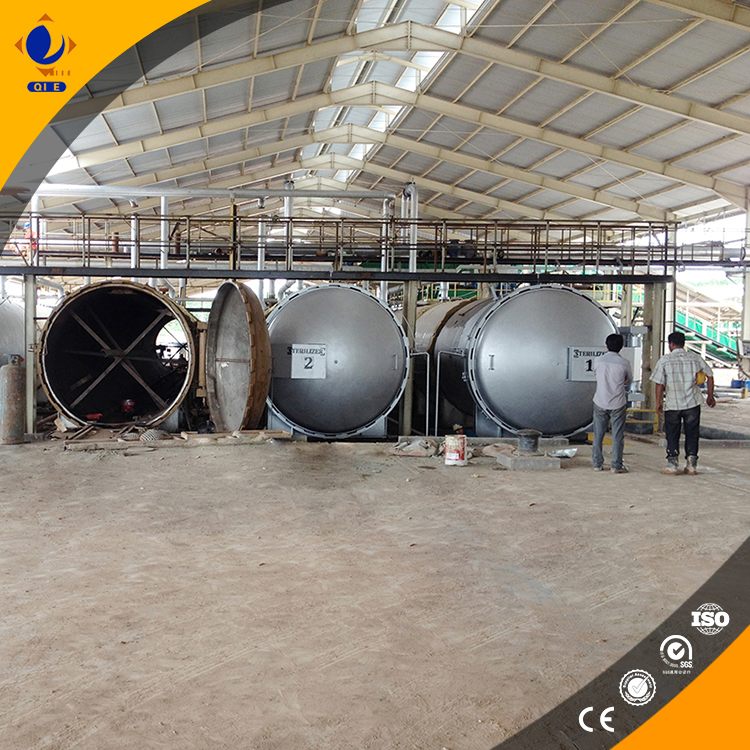
Integrating automated control systems equipped with sensors and real-time monitoring enables dynamic adjustment of operating parameters — such as pressing pressure, screw speed, and temperature — maximizing oil extraction efficiency while minimizing energy waste. PLCs and human-machine interfaces (HMIs) provide operators with actionable insights and alarm notifications, facilitating predictive maintenance and reducing downtime.
For facilities ranging from 10 TPD pilot lines to massive 3000 TPD industrial plants, scalable automation modules can be adopted to match budget constraints and technical complexity, ensuring consistent product quality and operational safety.
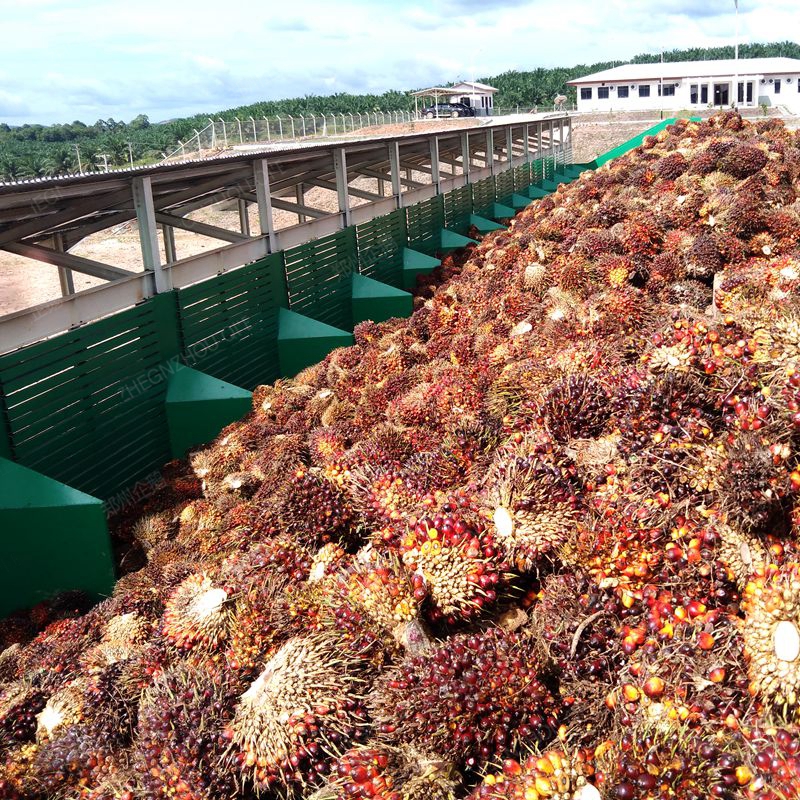
Selecting equipment suitable to production scale is paramount for capital efficiency and operational reliability:
According to industry data, energy consumption per ton of processed palm fruit typically decreases by 15–25% when upgrading from small to large-scale equipment, due to economies of scale and advanced tech integration.
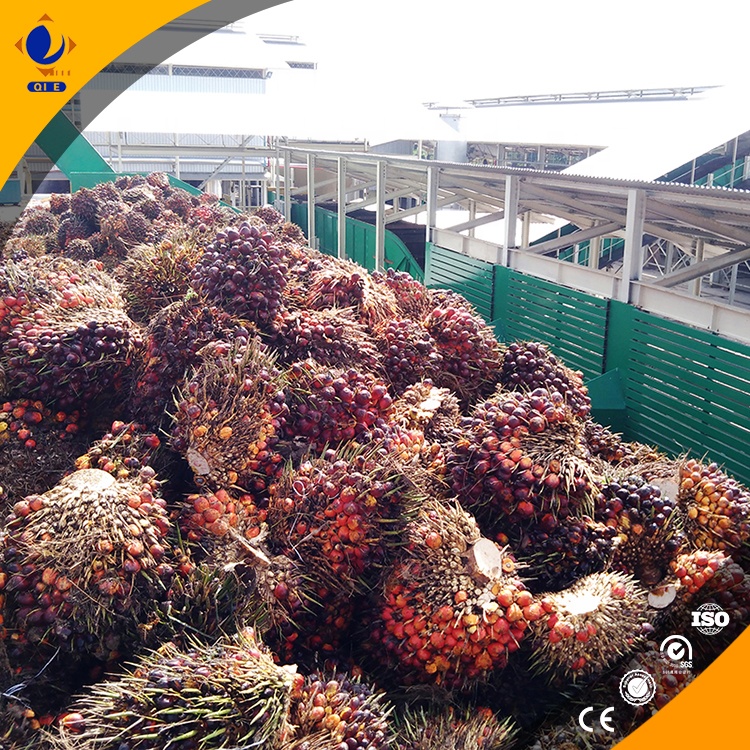
Maximizing efficiency and sustainability in palm fruit oil processing starts with choosing the right equipment and leveraging cutting-edge automation and energy conservation technologies. Penguin Group offers end-to-end solutions from design and equipment supply to commissioning and after-sales support—customized to your production scale from pilot to industrial capacity.
Explore Penguin Group’s Energy-Saving Palm Oil Machinery Solutions
 413
|
413
|
 Palm Oil Processing Machine
Palm Oil Processing Equipment
High-Efficiency Palm Oil Machine
Automated Palm Oil Equipment
Energy-Saving Palm Oil Processing
Quality Palm Oil Production
Complete Palm Oil Processing Solutions
Palm Oil Equipment for Nigeria
Durable Palm Oil Processing Machine
ISO Certifications for Palm Oil Equipment
Palm Oil Processing Machine
Palm Oil Processing Equipment
High-Efficiency Palm Oil Machine
Automated Palm Oil Equipment
Energy-Saving Palm Oil Processing
Quality Palm Oil Production
Complete Palm Oil Processing Solutions
Palm Oil Equipment for Nigeria
Durable Palm Oil Processing Machine
ISO Certifications for Palm Oil Equipment
 415
|
Palm Oil Processing Machine
Palm Oil Refining Equipment
Palm Oil Extraction Equipment
High Capacity Palm Oil Machine
Automated Palm Oil Processing
Stainless Steel Palm Oil Equipment
ISO9001 Certified Palm Oil Machinery
Compact Palm Oil Processing Solutions
Advanced Palm Oil Extraction Technology
Reliable Palm Oil Pressing Equipment
415
|
Palm Oil Processing Machine
Palm Oil Refining Equipment
Palm Oil Extraction Equipment
High Capacity Palm Oil Machine
Automated Palm Oil Processing
Stainless Steel Palm Oil Equipment
ISO9001 Certified Palm Oil Machinery
Compact Palm Oil Processing Solutions
Advanced Palm Oil Extraction Technology
Reliable Palm Oil Pressing Equipment
 165
|
Palm Oil Processing Machine
Palm Oil Pressing Machine
High-Efficiency Palm Oil Extraction Equipment
304 Stainless Steel Palm Oil Machine
Automated Palm Oil Production Line
Palm Oil Refinery Equipment
ISO9001 Certified Palm Oil Machine
Custom Palm Oil Equipment Solutions
Palm Oil Production Capacity
Durable Palm Oil Equipment
165
|
Palm Oil Processing Machine
Palm Oil Pressing Machine
High-Efficiency Palm Oil Extraction Equipment
304 Stainless Steel Palm Oil Machine
Automated Palm Oil Production Line
Palm Oil Refinery Equipment
ISO9001 Certified Palm Oil Machine
Custom Palm Oil Equipment Solutions
Palm Oil Production Capacity
Durable Palm Oil Equipment
 331
|
small scale palm oil refining machine
QI'E 1-50TPD oil refinery
production efficiency in Nigeria
331
|
small scale palm oil refining machine
QI'E 1-50TPD oil refinery
production efficiency in Nigeria
 101
|
seed preprocessing production line
edible oil production efficiency
oilseed processing technology
101
|
seed preprocessing production line
edible oil production efficiency
oilseed processing technology