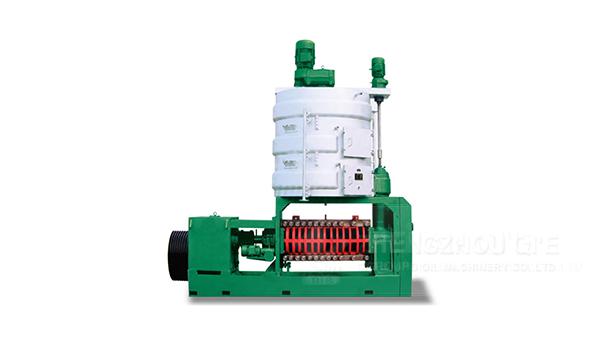
In the competitive landscape of edible oil processing, the reliability and efficiency of palm oil production lines directly impact operational costs and product quality. Food-grade palm oil production requires precision engineering where each component must meet stringent safety standards while maintaining optimal performance. This technical analysis explores critical component selection criteria and maintenance protocols that can reduce unplanned downtime by up to 35% and extend equipment lifespan by 40% when implemented correctly.
Selecting appropriate motors for palm oil processing involves balancing torque requirements with energy efficiency. For continuous operation environments, premium efficiency IE3 motors reduce energy consumption by 15-20% compared to standard IE1 models. Key technical parameters include:
QIE Group custom-engineered motor solutions feature advanced thermal protection systems that automatically adjust performance during voltage fluctuations, a common issue in many palm-producing regions. Our motors maintain consistent output even when voltage varies between 380V and 420V, ensuring production continuity during unstable power conditions.
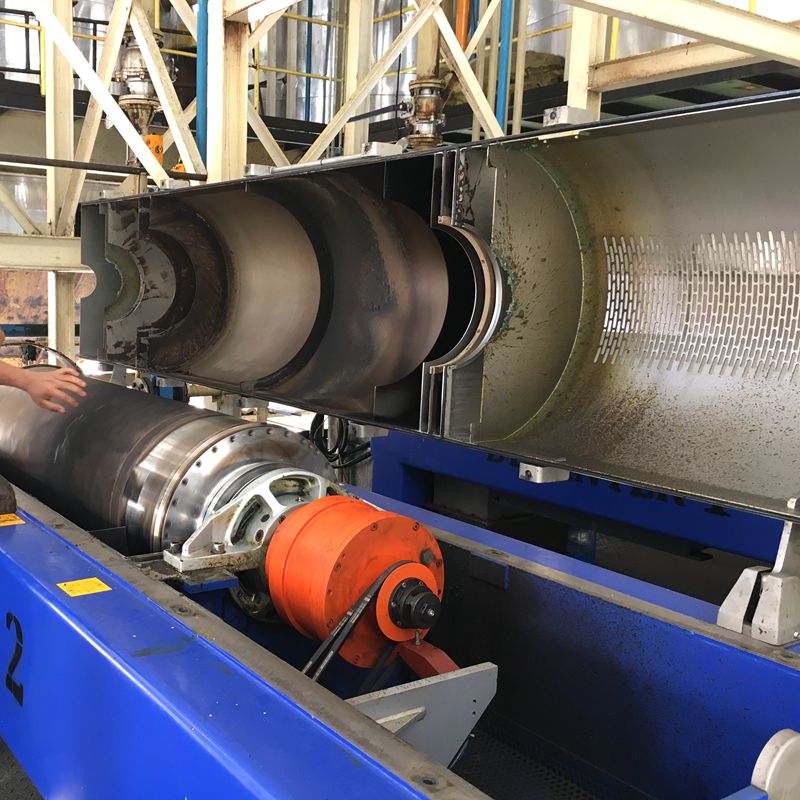
Pump systems in food-grade applications require meticulous material selection and design. Centrifugal pumps with stainless steel 316L construction prevent contamination and corrosion, critical for maintaining food safety standards. Flow rate optimization is essential – undersized pumps cause cavitation, while oversized units waste energy.
Typical palm oil processing requires pumps capable of handling viscosities up to 350 cP at temperatures between 50-70°C. QIE Group hygienic pump range includes self-priming models with double mechanical seals that reduce maintenance requirements by 40% compared to conventional seal designs. Our pumps feature CIP (Clean-in-Place) compatibility, reducing cleaning time by 25% during scheduled maintenance.
Gearboxes in palm oil lines must handle high torque loads while maintaining precise speed control. Helical gear designs offer superior efficiency (96-98%) compared to worm gear alternatives, translating to significant long-term energy savings. Key maintenance considerations include:
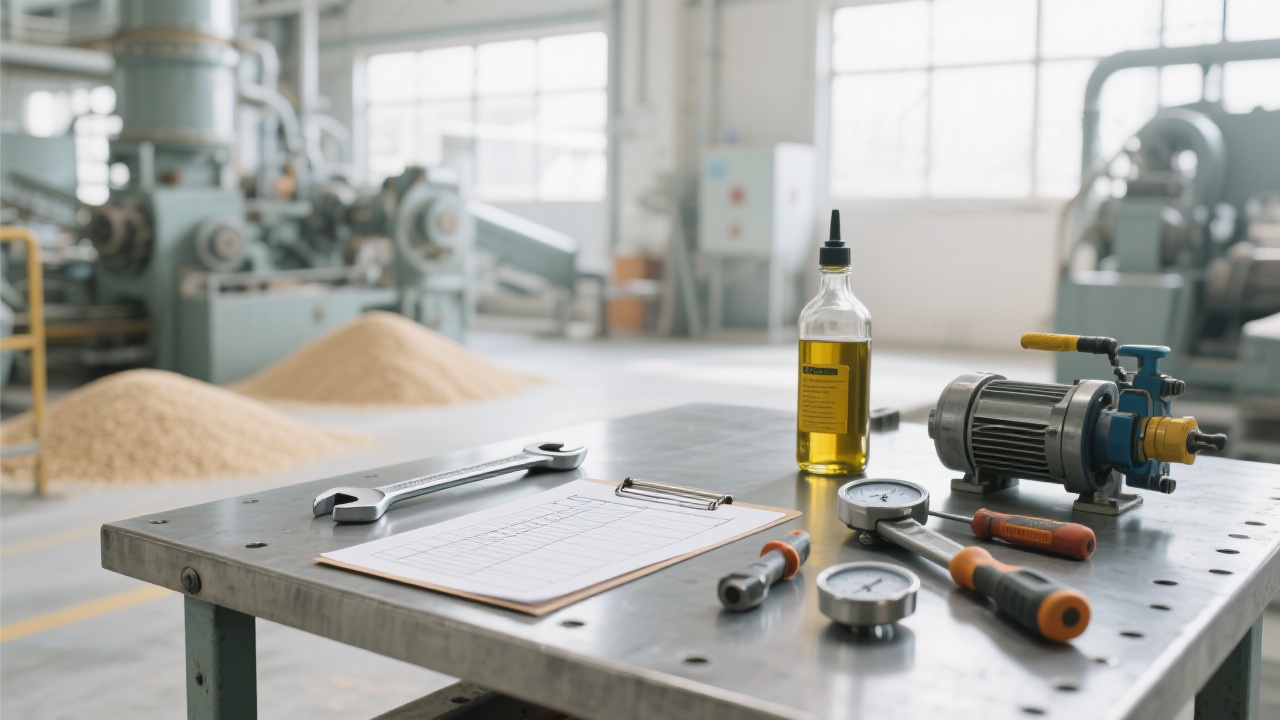
Preventive Maintenance Schedule:
QIE Group gearboxes incorporate condition monitoring sensors as standard, providing real-time data on temperature, vibration, and oil quality. This predictive maintenance capability has helped clients reduce unexpected gearbox failures by 65% in typical palm oil processing environments.
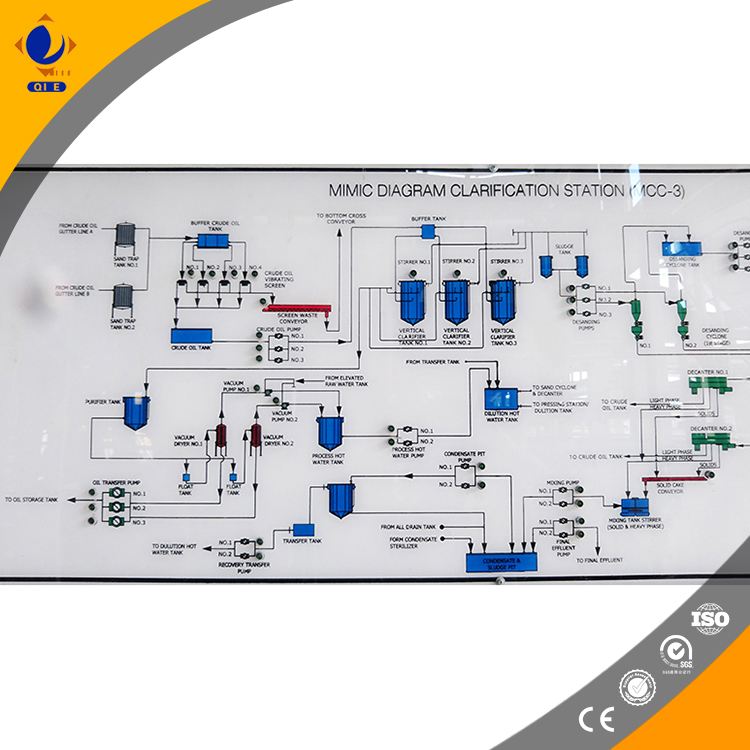
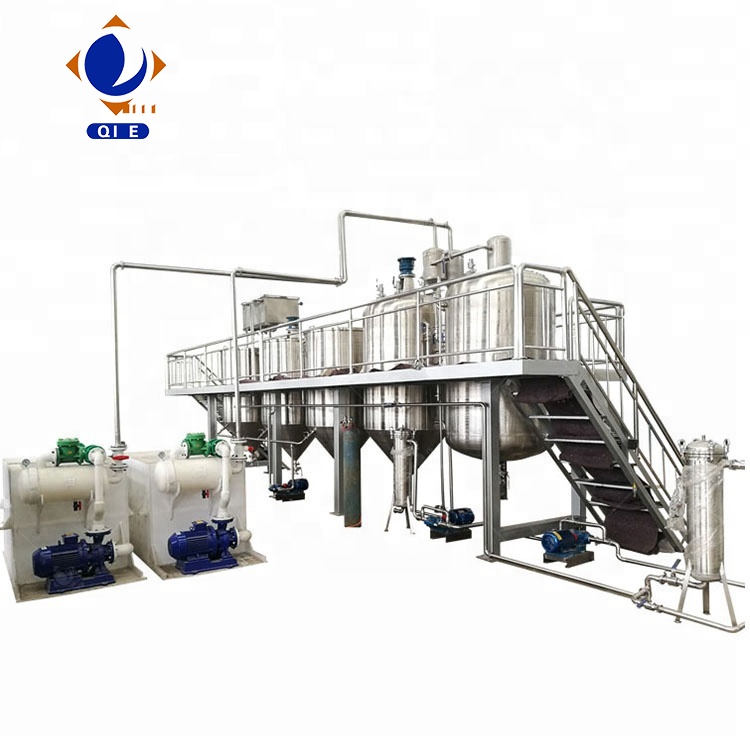
Pressure vessels in palm oil processing must adhere to ASME BPVC Section VIII or equivalent international standards. Material selection is critical – carbon steel with food-grade internal coatings or stainless steel construction prevents product contamination. Thickness calculations must account for operating pressures typically ranging from 6 to 10 bar in palm oil refining processes.
QIE Group pressure vessels feature advanced safety systems including rupture discs and pressure relief valves calibrated to 110% of maximum operating pressure. Our vessels undergo hydrostatic testing at 1.5 times design pressure before leaving the factory, ensuring compliance with the strictest food safety regulations worldwide.
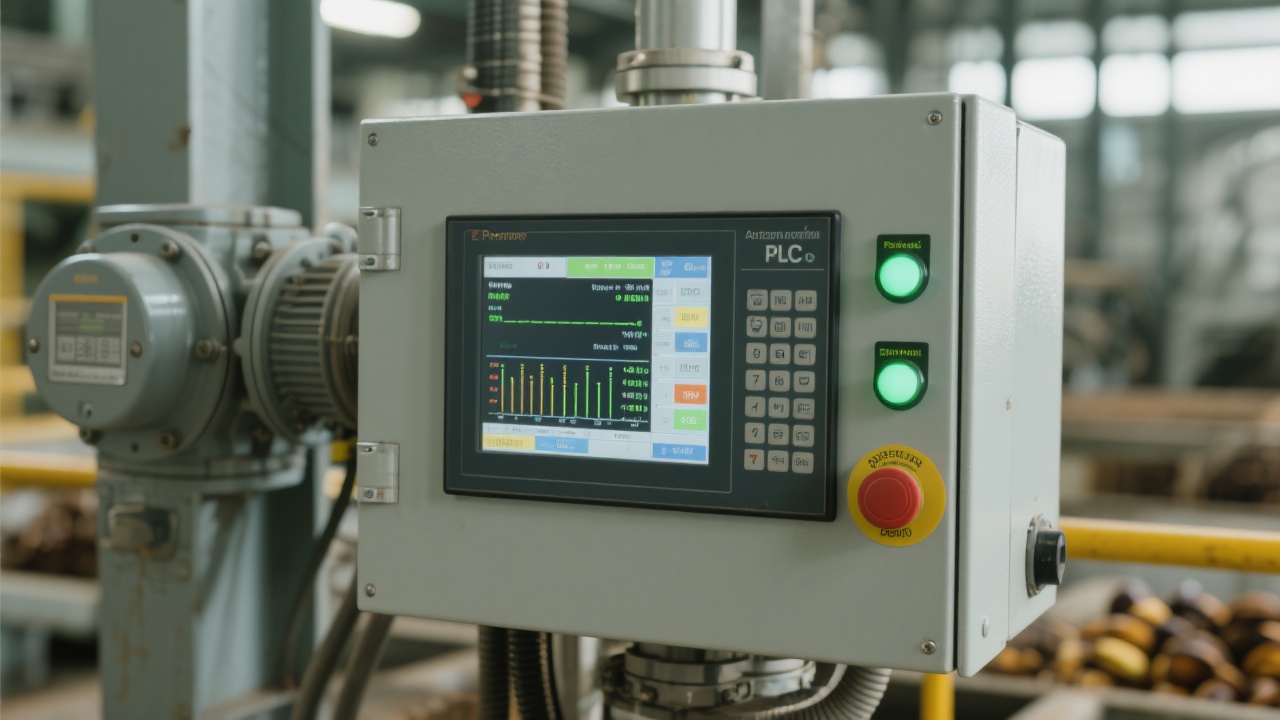
Modern palm oil production lines rely on sophisticated PLC systems for process control and data acquisition. Key considerations include processing speed, memory capacity, and communication protocols. A typical mid-sized palm oil plant requires PLCs with at least 100 I/O points, with expansion capacity for future upgrades.
QIE Group PLC solutions integrate seamlessly with SCADA systems, providing real-time production monitoring and data analytics. Our systems feature redundant configurations that eliminate single points of failure, ensuring 99.9% system availability. The intuitive HMI interfaces reduce operator training time by 30% while providing comprehensive diagnostic capabilities for rapid troubleshooting.
In regions with unstable power grids, voltage fluctuations can cause significant equipment damage. Implementing automatic voltage regulators (AVRs) can reduce voltage variation to ±2%, protecting sensitive electronics. For critical systems, uninterruptible power supplies (UPS) with 15-30 minutes of backup power prevent data loss and production disruption during outages.
Bearing failure accounts for approximately 40% of all rotating equipment breakdowns. Implementing ultrasonic lubrication analysis and vibration monitoring can detect early warning signs of bearing degradation. QIE Group proprietary lubrication management system adjusts grease application based on operating conditions, extending bearing life by up to 50% in field tests.
Our 25 years of experience in food processing equipment has helped palm oil producers across Southeast Asia, Africa, and South America achieve 18% higher production efficiency while reducing maintenance costs by 22%.
Download Our Comprehensive Palm Oil Line Optimization GuideCase studies from major palm oil producers in Malaysia demonstrate that implementing the component selection and maintenance strategies outlined above results in an average ROI of 14 months through reduced downtime and energy savings. When combined with QIE Group technical support and genuine spare parts program, clients typically report a 37% improvement in overall equipment effectiveness (OEE) within the first year of implementation.
The complexity of modern palm oil production demands a strategic approach to component selection and maintenance. By focusing on quality engineering, predictive maintenance, and proactive monitoring, processing facilities can achieve sustainable improvements in productivity, product quality, and operational safety. With the right technical partners and equipment, palm oil producers can navigate the challenges of this competitive industry while meeting increasingly stringent food safety and environmental regulations.

 416
|
416
|
 compact palm oil production line equipment
efficient eco-friendly oil press equipment
palm oil processing for food and beverage plants
Penguin Group oil press equipment
customized palm oil equipment
compact palm oil production line equipment
efficient eco-friendly oil press equipment
palm oil processing for food and beverage plants
Penguin Group oil press equipment
customized palm oil equipment
 101
|
high-tech palm oil deodorization processing equipment
advanced palm oil extraction technology
efficient palm oil refining machine
eco-friendly palm oil processing equipment
304 stainless steel palm oil equipment
ISO9001 certified palm oil production
fast delivery palm oil processing machines
palm oil production technology
Penguin Group palm oil equipment
palm oil processing solutions
101
|
high-tech palm oil deodorization processing equipment
advanced palm oil extraction technology
efficient palm oil refining machine
eco-friendly palm oil processing equipment
304 stainless steel palm oil equipment
ISO9001 certified palm oil production
fast delivery palm oil processing machines
palm oil production technology
Penguin Group palm oil equipment
palm oil processing solutions
 256
|
Palm Kernel Oil Extraction Equipment
Palm Kernel Oil Refining Equipment
Palm Oil Processing Machinery
Oil Refining Machine
Automatic Palm Kernel Oil Equipment
Efficient Oil Extraction Systems
Quality Palm Kernel Oil Production
Eco-friendly Oil Refining Solutions
Qianpeng Group Oil Machinery
256
|
Palm Kernel Oil Extraction Equipment
Palm Kernel Oil Refining Equipment
Palm Oil Processing Machinery
Oil Refining Machine
Automatic Palm Kernel Oil Equipment
Efficient Oil Extraction Systems
Quality Palm Kernel Oil Production
Eco-friendly Oil Refining Solutions
Qianpeng Group Oil Machinery
 481
|
High - efficiency palm oil separation technology
Oil yield improvement
Oil - water interface control
Automated control system
Palm oil processing process optimization
481
|
High - efficiency palm oil separation technology
Oil yield improvement
Oil - water interface control
Automated control system
Palm oil processing process optimization
 297
|
mini palm oil refining machine
advanced palm oil production technology
easy-to-use palm oil equipment
297
|
mini palm oil refining machine
advanced palm oil production technology
easy-to-use palm oil equipment