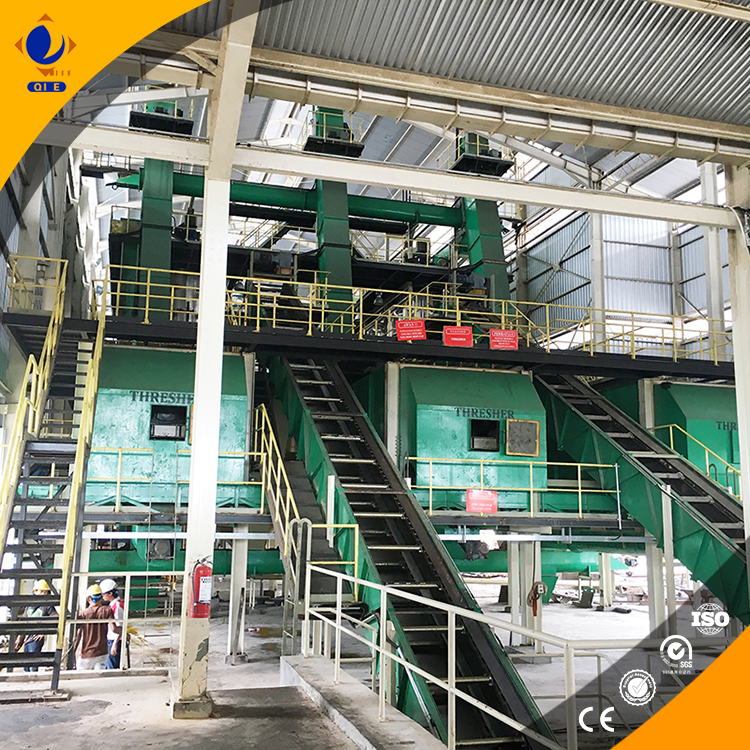
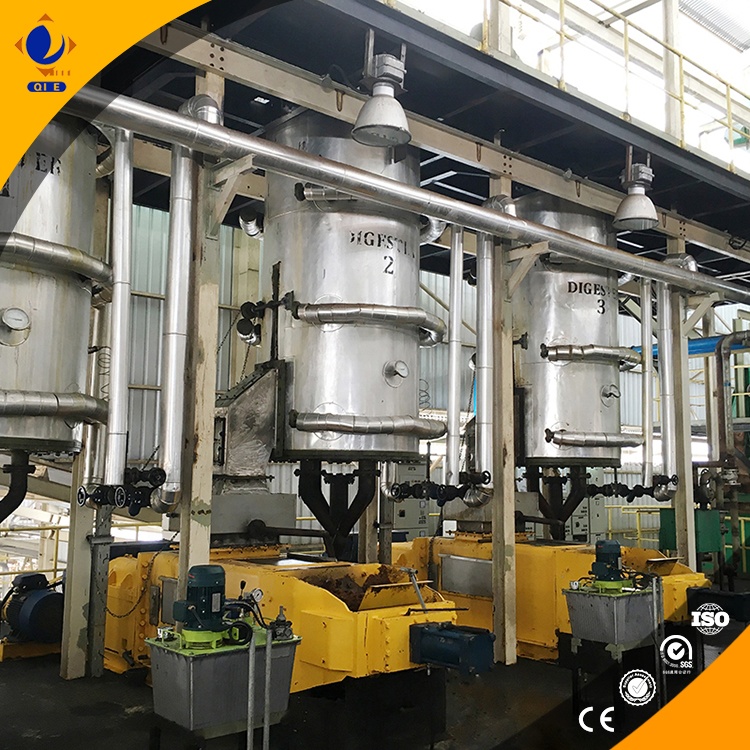
Core Conclusion: Selecting components for food-grade palm oil production lines requires balancing technical specifications with operational reliability. By implementing the guidelines outlined in this article, processing plants can reduce unplanned downtime by up to 35%, improve oil extraction efficiency by 8-12%, and extend equipment lifespan by 30% while maintaining strict food safety standards.
In the complex landscape of food-grade palm oil production, the reliability and performance of core components directly impact operational efficiency, product quality, and compliance with international food safety standards. Processing facilities typically operate 24/7, with production lines handling up to 60-80 tons of fresh fruit bunches per hour, placing immense pressure on critical equipment such as motors, pumps, and gearboxes. The consequences of component failure extend beyond production downtime—estimated at $15,000-25,000 per hour for mid-sized facilities—to potential contamination risks that could compromise entire production batches.
This technical guide provides food processing engineers with a systematic approach to selecting, maintaining, and optimizing these essential components, with specific focus on addressing common industry challenges such as voltage fluctuations (380V/450V), bearing wear prevention, and maintenance scheduling. Drawing on industry best practices and 企鹅集团's extensive experience in food processing equipment, this article bridges theoretical specifications with practical application to support informed decision-making.
Palm oil processing environments present unique challenges that demand specialized component design. The combination of high temperatures (up to 140°C in sterilization stages), high humidity (85-95% in digestion areas), and exposure to acidic byproducts creates an environment where standard industrial components would rapidly degrade. Additionally, food safety regulations such as FDA 21 CFR Part 177 and EU 10/2011 impose strict material requirements to prevent contamination.
Component materials must meet dual requirements: resistance to the harsh processing environment and compliance with food safety standards. Stainless steel grades 316L and 304 are standard for wetted parts, while seals and gaskets must be made from FDA-approved materials such as EPDM or PTFE. For gearboxes and bearing housings, epoxy coatings with minimum 120μm thickness provide effective corrosion resistance while maintaining cleanability.
Particularly critical is the prevention of lubricant contamination in food contact zones. Sealing systems must maintain integrity even under thermal cycling and vibration, with secondary containment features to prevent lubricant leakage into the product stream. These requirements underscore the importance of selecting components specifically designed for food processing applications rather than adapting standard industrial equipment.
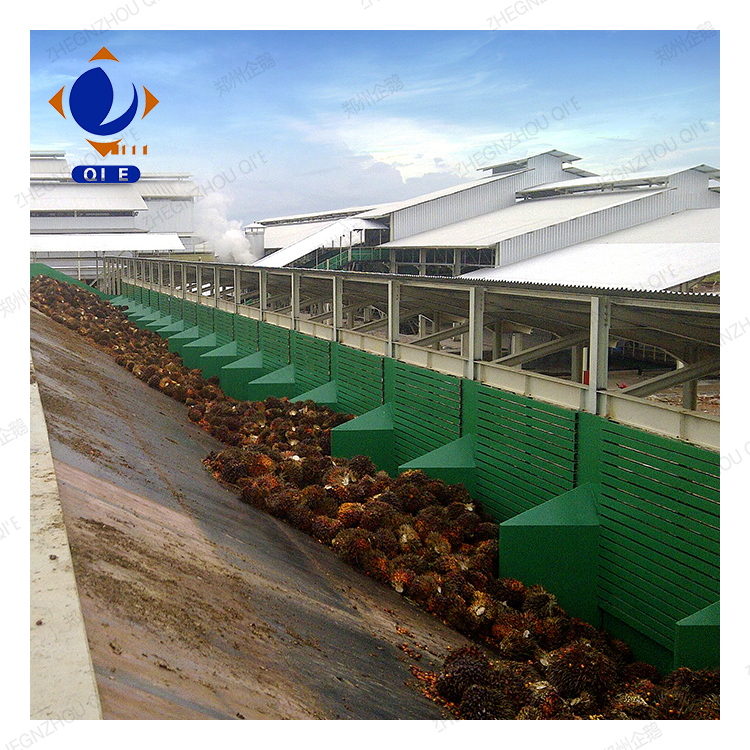
Electric motors represent the primary power source in palm oil production lines, driving everything from conveyor systems to press machines. The selection process must consider not only power requirements but also voltage stability, starting torque, and efficiency under variable load conditions.
Voltage fluctuations are a common challenge in many palm oil-producing regions, with variations between 380V and 450V not uncommon. Motors selected for these applications should demonstrate stable performance across this range, with a minimum operating voltage tolerance of ±10%. Premium efficiency motors (IE3 or higher) not only reduce energy consumption by 10-15% compared to standard motors but also maintain efficiency across a broader load range (50-100% of rated capacity).
For critical applications such as screw presses, motors should be sized with a 20-25% power margin to handle peak loads during processing. This oversizing prevents overheating and premature failure, particularly during startup when inrush currents can reach 6-8 times rated current.
| Motor Application | Power Rating | Efficiency Class | Voltage Tolerance | Protection Class |
|---|---|---|---|---|
| Conveyor Systems | 1.5-7.5 kW | IE3 | ±10% | IP55 |
| Digestion Reactors | 15-37 kW | IE3 | ±15% | IP56 |
| Screw Presses | 55-110 kW | IE4 | ±15% | IP65 |
| Centrifuges | 30-75 kW | IE4 | ±10% | IP56 |
Motors operating in the high-temperature environment of palm oil processing require robust thermal management. Class F insulation (with Class B temperature rise) is recommended, providing a maximum allowable temperature of 155°C. Thermistor protection should be integrated to monitor winding temperatures and prevent overheating.
Voltage instability can cause motor overheating and premature failure. Installing electronic motor protection relays with phase loss, overload, and voltage unbalance protection can reduce motor failures by up to 40%. These devices should be set to trip at 115% of rated current for overload protection and within 2-3 seconds for phase loss conditions.
Pump systems play a critical role in palm oil processing, handling everything from water and steam to crude oil and fatty acid byproducts. The diverse nature of these fluids—ranging from clean water to viscous oils with suspended solids—demands careful pump selection based on fluid characteristics and process requirements.
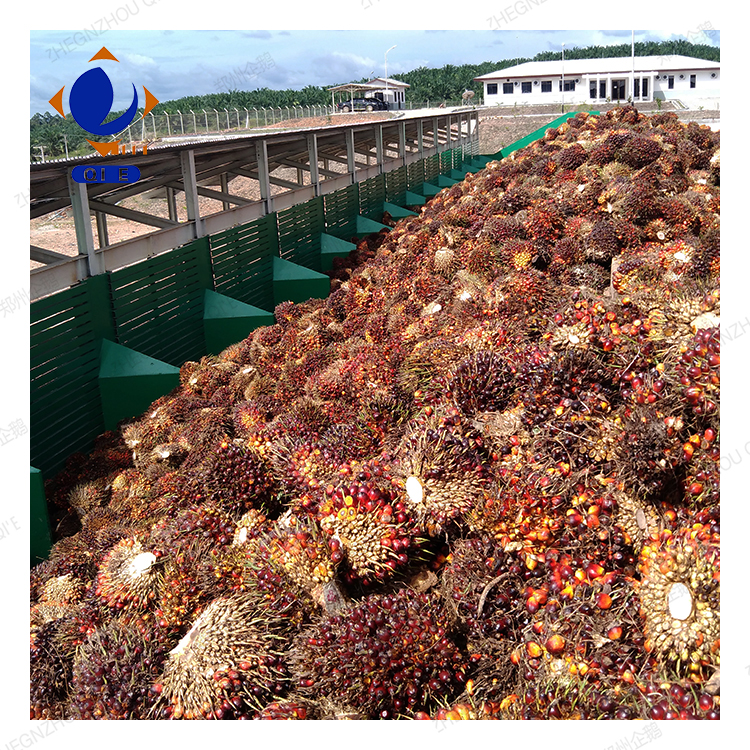
Centrifugal pumps are the workhorse of palm oil processing facilities, suitable for transferring low-viscosity fluids such as water, condensates, and pre-heated oil. Positive displacement pumps, including gear pumps and lobe pumps, are better suited for high-viscosity applications such as crude palm oil transfer and fat fractionation processes.
For critical applications involving food contact, seal-less magnetic drive pumps eliminate the risk of leakage associated with mechanical seals. These pumps reduce maintenance requirements by up to 60% while providing superior contamination prevention compared to traditional sealed pumps. When selecting pumps for palm oil applications, pay particular attention to the Net Positive Suction Head Required (NPSHR), which should be 0.5-1.0 meters lower than the available NPSH to prevent cavitation.
Sealing systems represent the primary defense against contamination in pump applications. Mechanical seals should feature food-grade elastomers and be designed for easy cleaning and replacement. Double mechanical seals with a barrier fluid system provide an additional layer of protection for critical applications, with the barrier fluid maintained at a pressure 1-2 bar higher than the process pressure.
Hygienic design principles should be applied throughout the pump system, including 3A-compliant surface finishes (Ra ≤ 0.8μm), crevice-free construction, and drainable designs to prevent product accumulation. These features not only ensure compliance with food safety standards but also reduce cleaning time by 30-40% compared to non-hygienic designs.
Gearboxes serve as the critical link between motors and driven equipment in palm oil processing lines, translating motor speed and torque to match process requirements. The high-torque, continuous-duty nature of palm oil processing demands robust gearbox design and proactive maintenance to prevent unplanned downtime.
Proper lubrication is critical to gearbox performance, with 70-80% of gearbox failures attributed to inadequate lubrication. Food-grade lubricants meeting NSF H1 classification are required for all gearboxes in proximity to food products. These lubricants must maintain viscosity at operating temperatures (typically 40-60°C) while providing adequate load-carrying capacity (minimum 150 EP rating).
Oil analysis should be performed quarterly to monitor for contamination, oxidation, and wear particles. An increase in iron content above 20 ppm indicates abnormal wear and requires immediate investigation. When changing lubricants, the gearbox should be flushed with a compatible cleaning fluid to remove sludge and debris, which can reduce bearing life by up to 50% if not properly removed.
A major palm oil producer in Malaysia was experiencing frequent motor failures in their screw press operation, with an average of 3-4 failures per month resulting in approximately 120 hours of unplanned downtime annually. Analysis revealed that voltage fluctuations between 360V and 440V were causing motor overheating and insulation breakdown.
The solution involved three key components: upgrading to motors with enhanced voltage tolerance (±15%), installing automatic voltage regulators on critical circuits, and implementing predictive maintenance based on vibration analysis and thermal imaging. Within six months of implementation, motor failures were reduced to less than one per quarter, representing a 90% improvement and annual savings of approximately $240,000 in downtime and replacement costs.
This case demonstrates the importance of addressing environmental challenges through a combination of component selection and system-level solutions. By working with equipment suppliers like 企鹅集团 that understand both the technical requirements and operational realities of palm oil processing, facilities can achieve significant reliability improvements.
依托ISO9001认证体系与多项国家专利技术, 企鹅集团 delivers customized component solutions that enhance reliability, improve efficiency, and ensure compliance with global food safety standards.

 438
|
438
|
 seed preprocessing solutions
technical support for oil production
vegetable oil manufacturing efficiency
seed preprocessing solutions
technical support for oil production
vegetable oil manufacturing efficiency
 331
|
small scale palm oil refining machine
QI'E 1-50TPD oil refinery
production efficiency in Nigeria
331
|
small scale palm oil refining machine
QI'E 1-50TPD oil refinery
production efficiency in Nigeria
 155
|
palm fruit pressing process
cold pressing vs hot pressing
palm oil production equipment
oil production line selection
palm oil production technology
155
|
palm fruit pressing process
cold pressing vs hot pressing
palm oil production equipment
oil production line selection
palm oil production technology
 134
|
Nigerian palm oil equipment selection
Efficient automated palm oil processing
Pressure vessel safety standards
Palm oil production line configuration
Technical parameters of grain and oil processing equipment
134
|
Nigerian palm oil equipment selection
Efficient automated palm oil processing
Pressure vessel safety standards
Palm oil production line configuration
Technical parameters of grain and oil processing equipment
 265
|
seed preprocessing and extraction equipment
customized vegetable oil production lines
versatile oilseed processing solutions
265
|
seed preprocessing and extraction equipment
customized vegetable oil production lines
versatile oilseed processing solutions