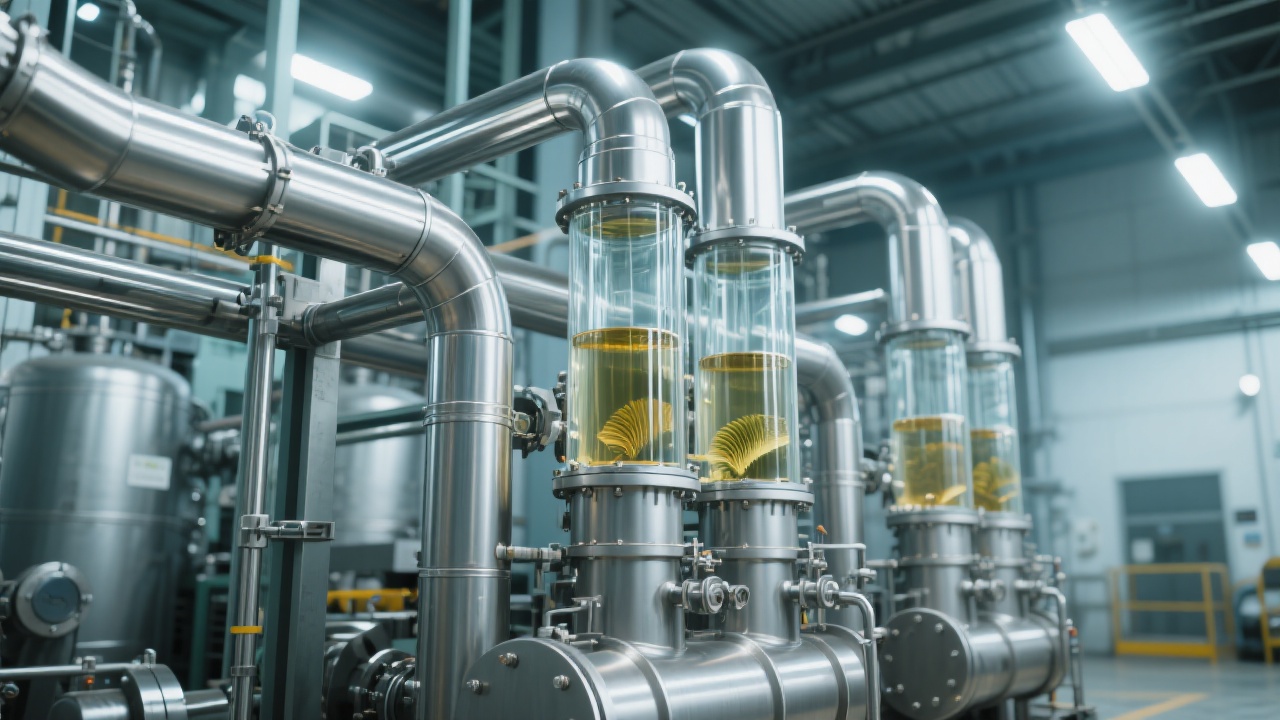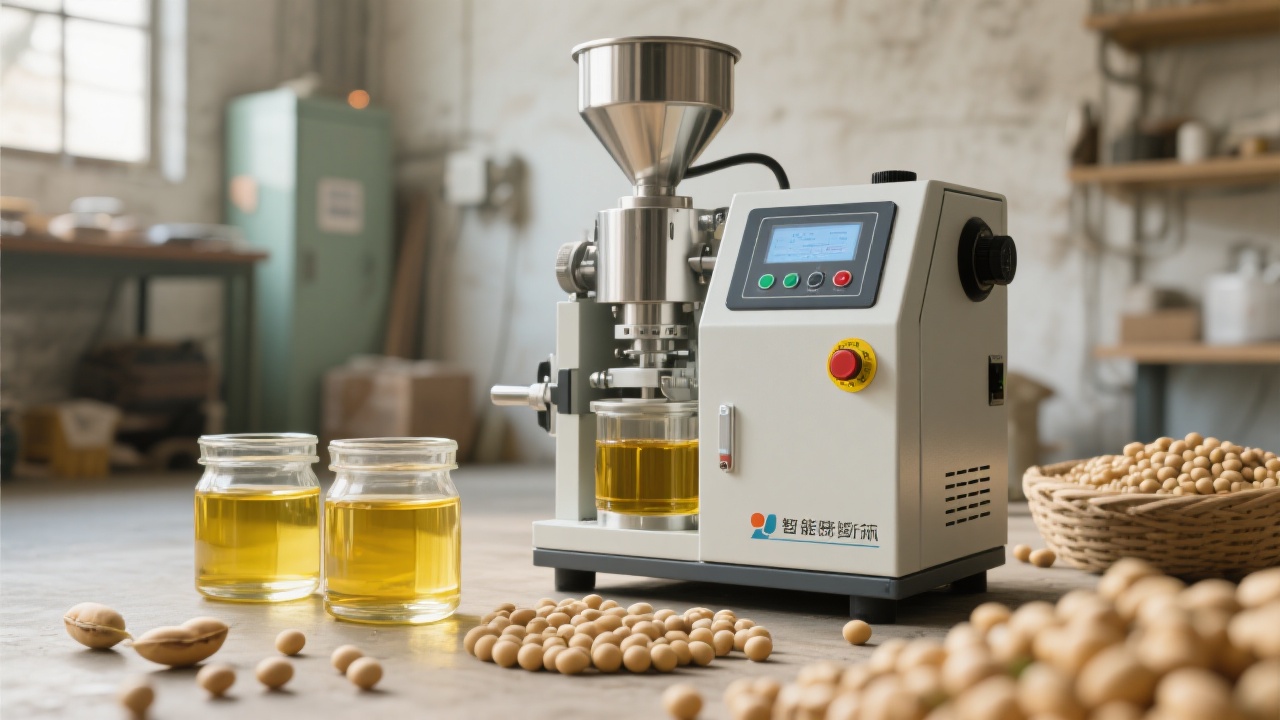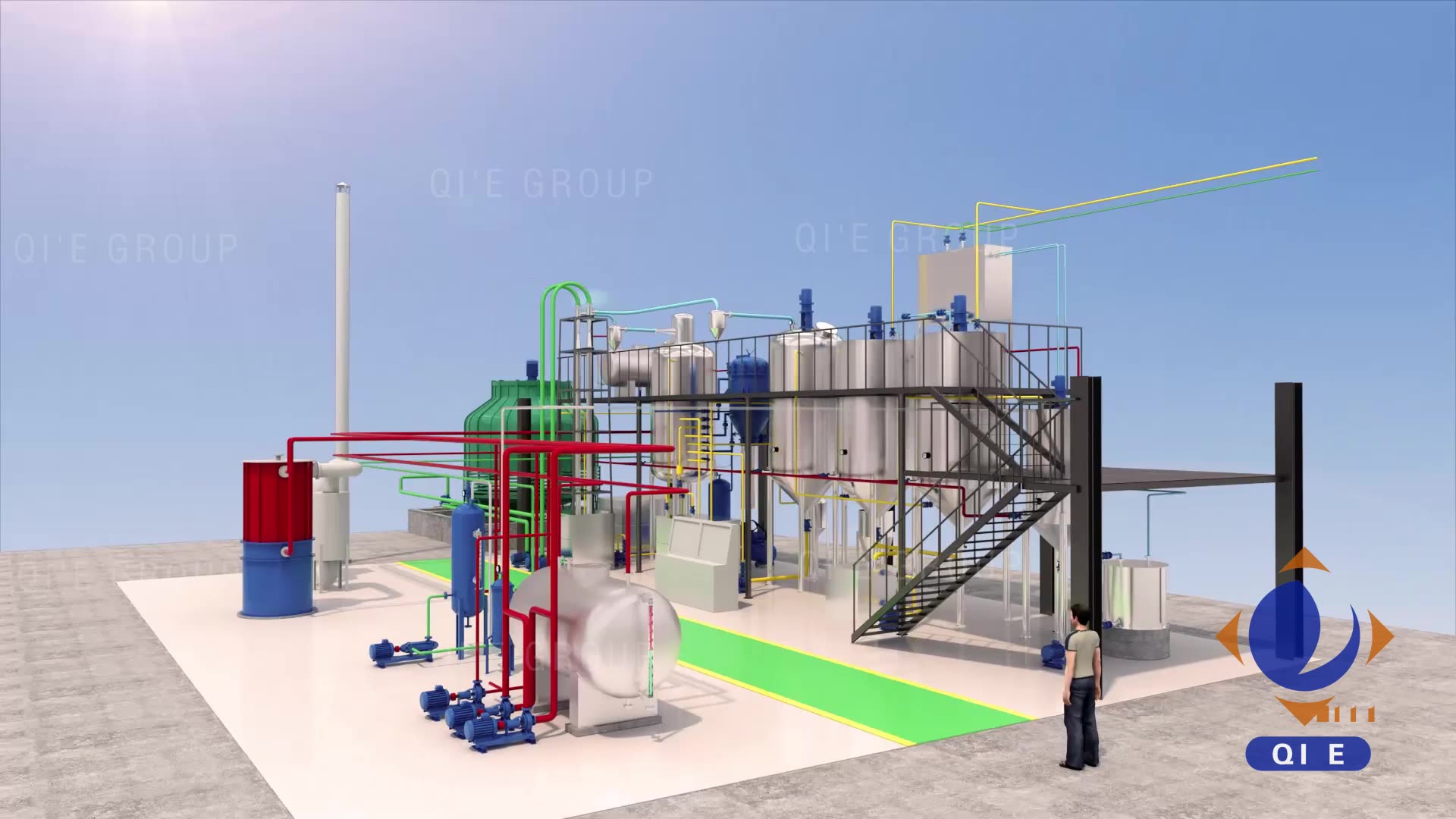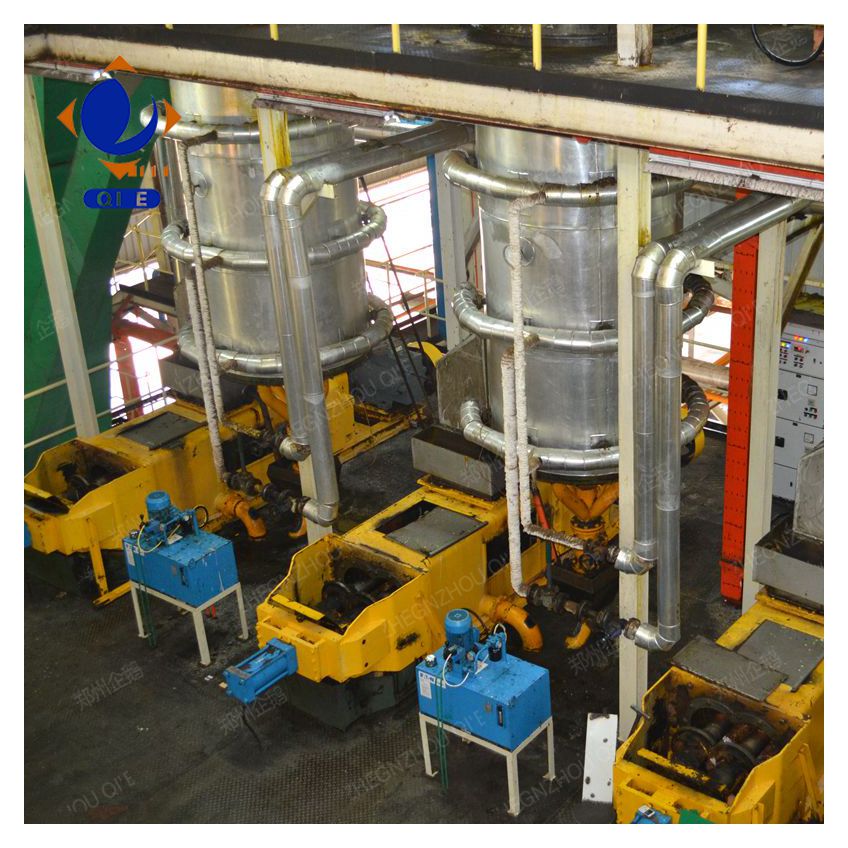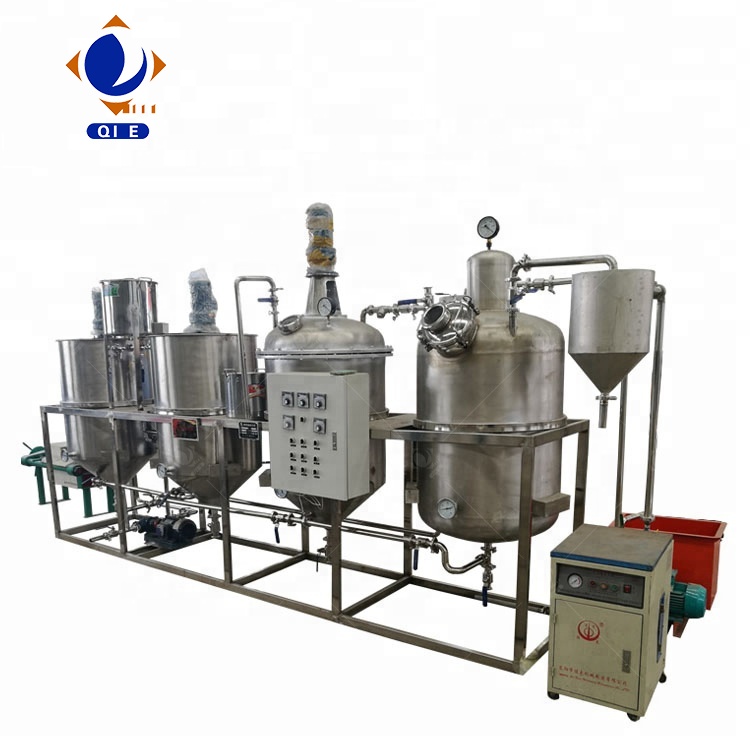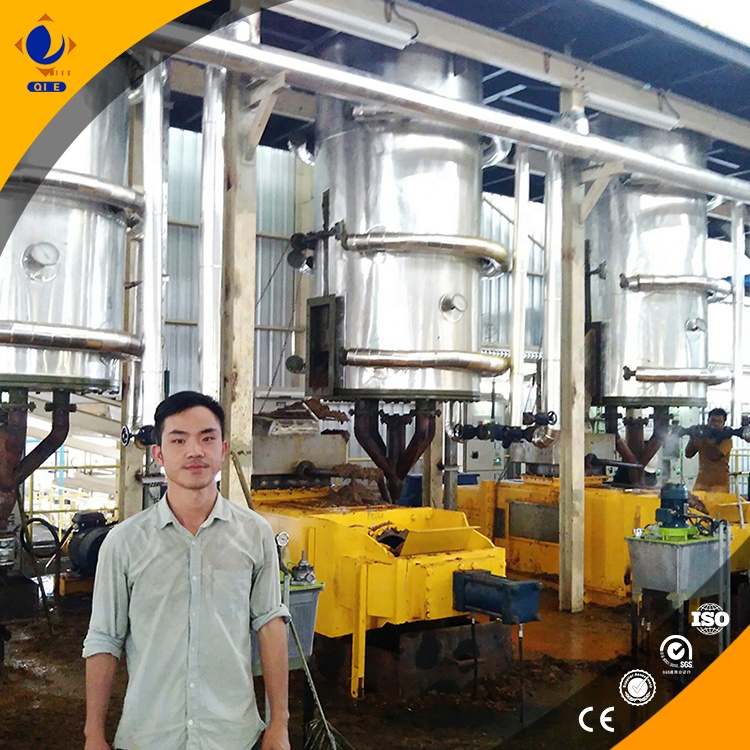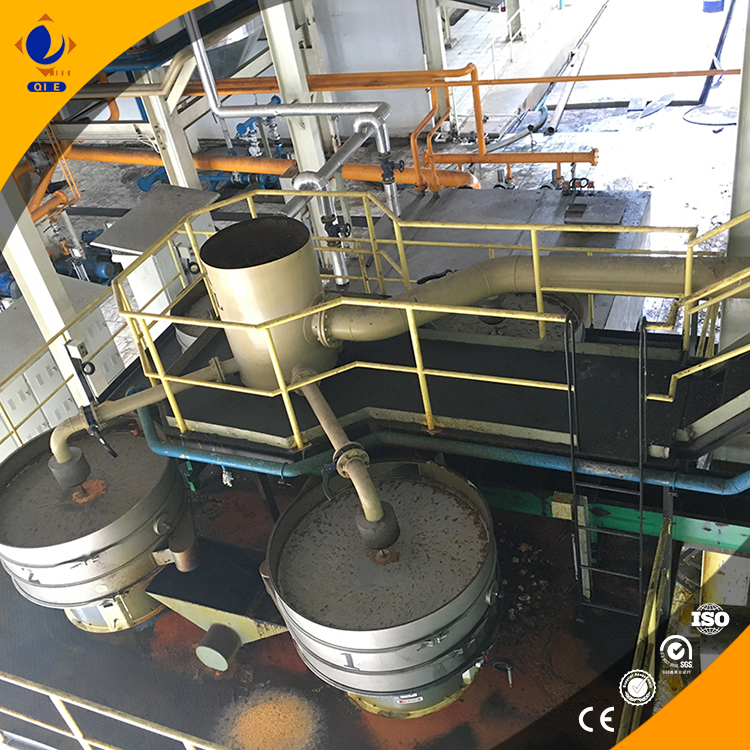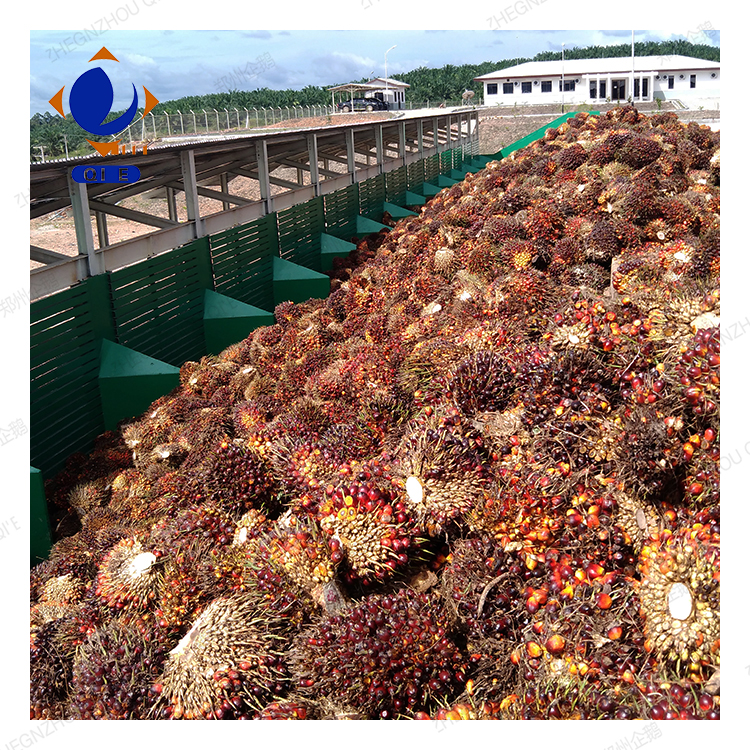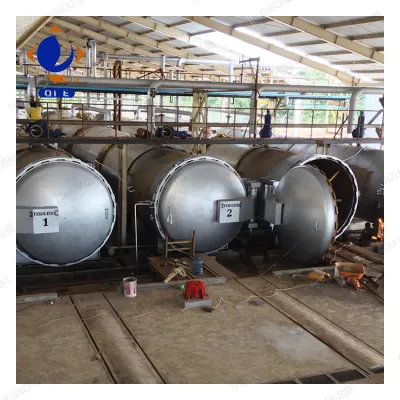
In the competitive palm oil processing industry, equipment reliability directly impacts production efficiency and product quality. A well-maintained production line can reduce downtime by up to 35% and extend equipment lifespan by 40%, according to industry benchmarks. This technical guide explores critical component selection and maintenance strategies specifically tailored for food-grade palm oil production facilities operating under 380V/450V electrical environments.
Selecting appropriate motors for palm oil processing requires balancing power requirements with energy efficiency. For food-grade applications, motors should comply with IP55 or higher ingress protection ratings to prevent contamination. Studies show that energy-efficient motors can reduce electricity consumption by 15-20% compared to standard models, resulting in significant long-term savings.
When operating under 380V/450V voltage fluctuations, motors must incorporate advanced overload protection systems. 企鹅集团 recommends variable frequency drives (VFDs) that maintain stable operation even with ±10% voltage variations, a common scenario in many production environments.
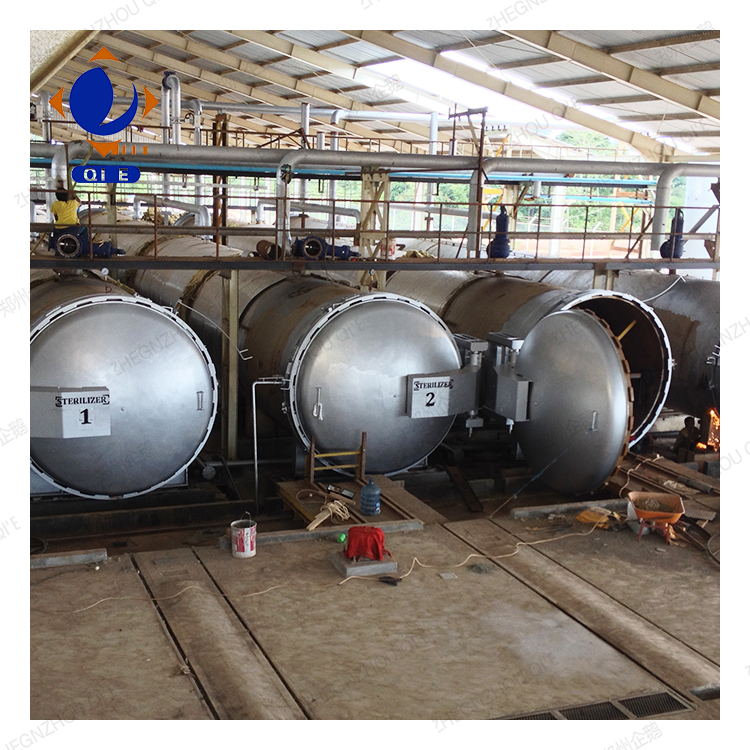
Pump selection depends on viscosity characteristics of palm oil at different processing stages. Centrifugal pumps are ideal for low-viscosity applications, while positive displacement pumps perform better with high-viscosity palm oil products. Maintenance records indicate that proper pump selection reduces unscheduled downtime by approximately 28%.
Seal selection is critical for food safety compliance. Mechanical seals with FDA-approved materials prevent product contamination and reduce leakage incidents by up to 60% compared to traditional packing seals.
Gearboxes in palm oil lines should feature helical gears for smooth operation and reduced noise levels. Regular oil analysis can predict potential failures up to 3 months in advance, according to maintenance data from leading processors. Pressure vessels must comply with ASME BPVC Section VIII standards, with regular inspection intervals not exceeding 24 months.
Bearing failure accounts for approximately 45% of all mechanical breakdowns in palm oil processing lines. Implementing proper lubrication schedules can extend bearing life by 2-3 times. Automated lubrication systems reduce human error and ensure consistent lubricant application, particularly in hard-to-reach components.
Vibration analysis should be conducted monthly to detect early signs of bearing degradation. Establishing baseline vibration levels allows maintenance teams to identify abnormal patterns before catastrophic failures occur.
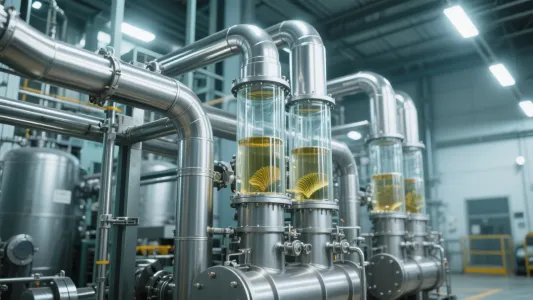
Modern palm oil lines rely heavily on PLC systems for process control and automation. Regular firmware updates can improve system performance by up to 15% and enhance security against cyber threats. Implementing redundant PLC configurations reduces downtime risk by providing automatic failover capabilities.
Data logging and analysis tools integrated with PLC systems allow for predictive maintenance, identifying potential issues before they impact production. Case studies show that predictive maintenance strategies reduce overall maintenance costs by 25-30%.
Electrical protection systems must be specifically calibrated for 380V/450V environments. Overvoltage protection devices should be set to trigger at 110% of nominal voltage to prevent equipment damage. Surge protection systems can reduce electrical component failures by up to 40% in unstable power grid conditions.

Gain access to 企鹅集团's proprietary component selection guides and maintenance protocols developed specifically for food-grade palm oil processing facilities.
Download Technical Specification GuideImplementing the right combination of component selection and maintenance practices creates a production environment that consistently meets quality standards while maximizing operational efficiency. The integration of modern monitoring technologies with proven maintenance strategies forms the foundation of a reliable palm oil processing operation.
Facilities that invest in proactive maintenance programs typically see a return on investment within 8-12 months through reduced downtime, lower energy consumption, and extended equipment lifespan. The key is developing a comprehensive maintenance plan tailored to the specific operating conditions of each production facility.
 462
|
462
|
 small-scale palm oil production line
hot and cold pressing technology
304 stainless steel oil extraction equipment
palm oil equipment installation
customized palm oil production solutions
small-scale palm oil production line
hot and cold pressing technology
304 stainless steel oil extraction equipment
palm oil equipment installation
customized palm oil production solutions
 397
|
customized vegetable oil production line
oilseed pre-treatment technology
high ROI oil processing solutions
397
|
customized vegetable oil production line
oilseed pre-treatment technology
high ROI oil processing solutions
 230
|
Automatic Palm Oil Pressing Equipment
Palm Oil Processing Machine
High Efficiency Palm Oil Pressing
304 Stainless Steel Palm Oil Equipment
Energy Efficient Palm Oil Production
Customizable Palm Oil Processing Equipment
ISO9001 Certified Palm Oil Machine
Advanced Technology Palm Oil Press
Palm Oil Production Service Solutions
Palm Oil Equipment with 3 Year Warranty
230
|
Automatic Palm Oil Pressing Equipment
Palm Oil Processing Machine
High Efficiency Palm Oil Pressing
304 Stainless Steel Palm Oil Equipment
Energy Efficient Palm Oil Production
Customizable Palm Oil Processing Equipment
ISO9001 Certified Palm Oil Machine
Advanced Technology Palm Oil Press
Palm Oil Production Service Solutions
Palm Oil Equipment with 3 Year Warranty
 217
|
palm oil processing equipment
high-efficiency palm oil machinery
palm oil extraction machine
automated palm oil processing equipment
energy-saving palm oil processing machine
Cold and hot pressing palm oil machinery
reliable palm oil equipment
palm oil processing solutions
industrial palm oil processing machine
217
|
palm oil processing equipment
high-efficiency palm oil machinery
palm oil extraction machine
automated palm oil processing equipment
energy-saving palm oil processing machine
Cold and hot pressing palm oil machinery
reliable palm oil equipment
palm oil processing solutions
industrial palm oil processing machine
 494
|
small palm oil refining machine
Nigeria palm oil processing
automated palm oil refining
494
|
small palm oil refining machine
Nigeria palm oil processing
automated palm oil refining