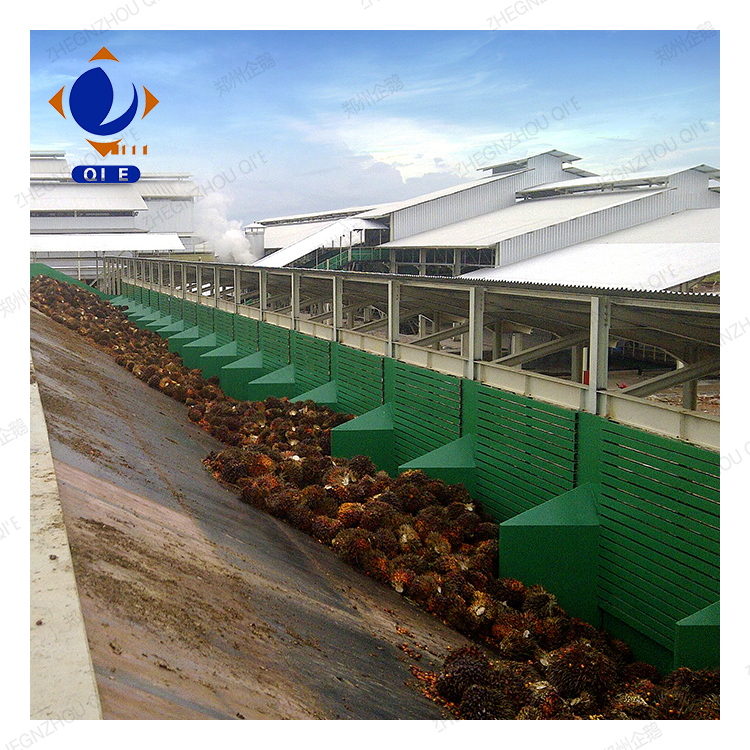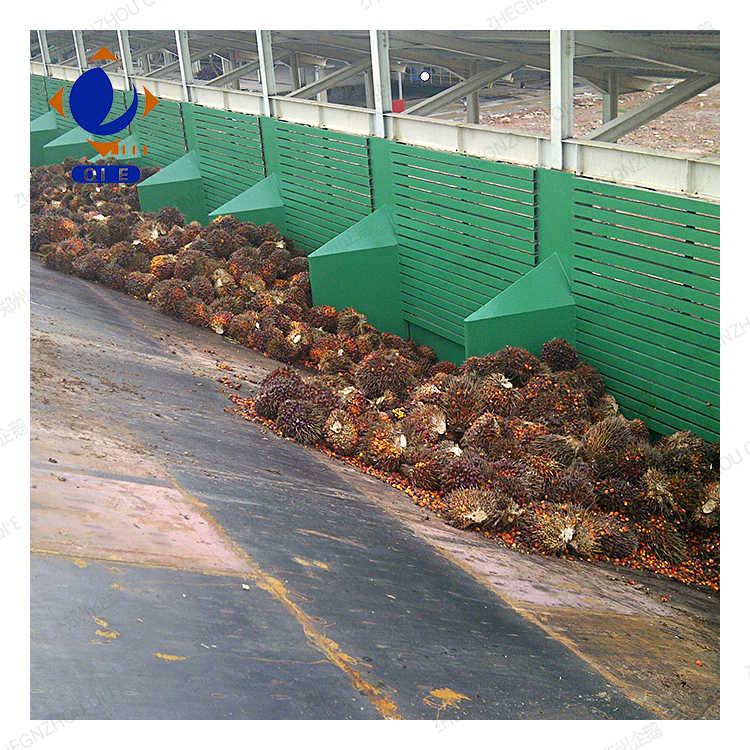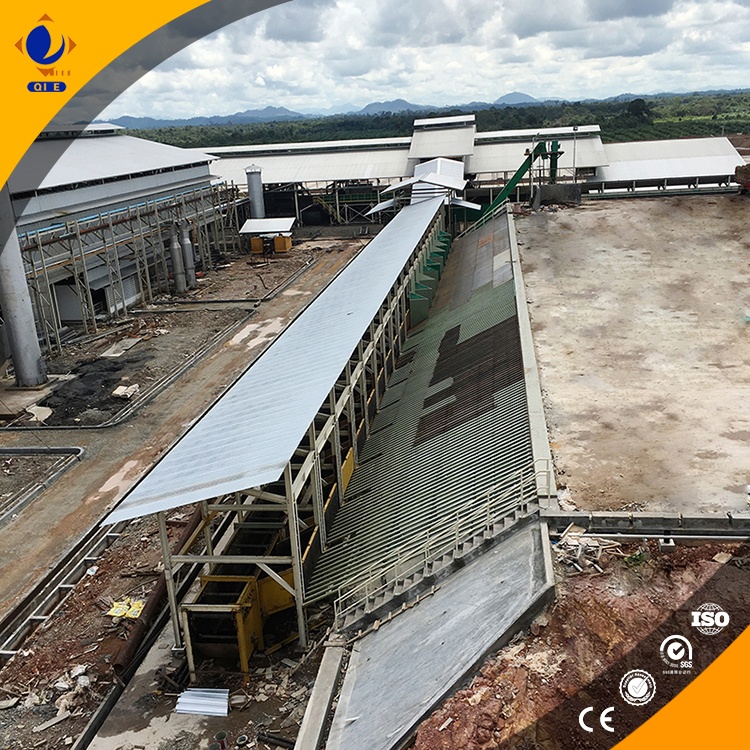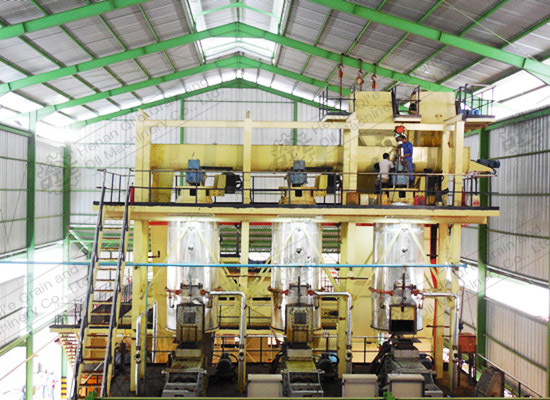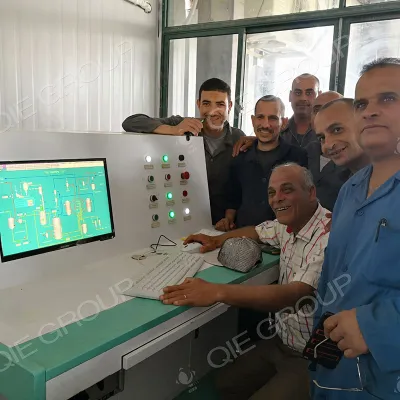
The fully automatic palm oil press machine is a cornerstone equipment in the modern palm oil processing industry, engineered to optimize extraction efficiency while minimizing manual labor and energy consumption. At its core, this machine integrates advanced mechanical transmission, precise temperature control, and sophisticated oil-water separation mechanisms to deliver high oil yield rates and stable operation—factors critical for processing enterprises striving to scale production sustainably.
The machine’s essential components include the screw shaft for mechanical pressing, a hydraulic or electric motor for consistent torque delivery, and an intelligent control panel governing all operational parameters. The automated control system dynamically adjusts pressing speed and temperature based on real-time feedback, significantly improving extraction precision and ensuring consistent product quality.
With automation in place, the need for extensive manual intervention is drastically reduced, which not only cuts down labor costs by up to 35% compared to semi-manual systems but also enhances safety and production reliability.
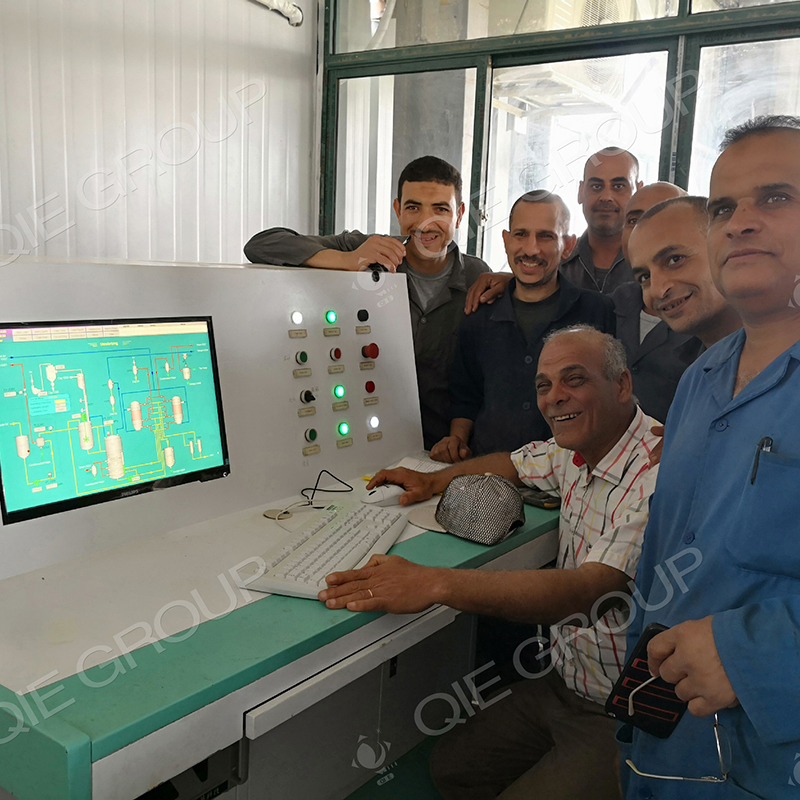
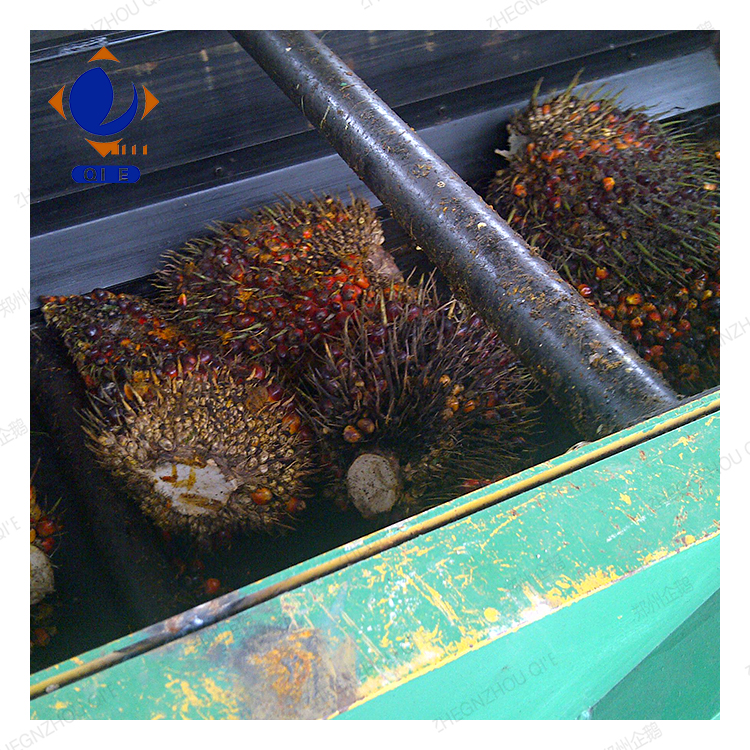
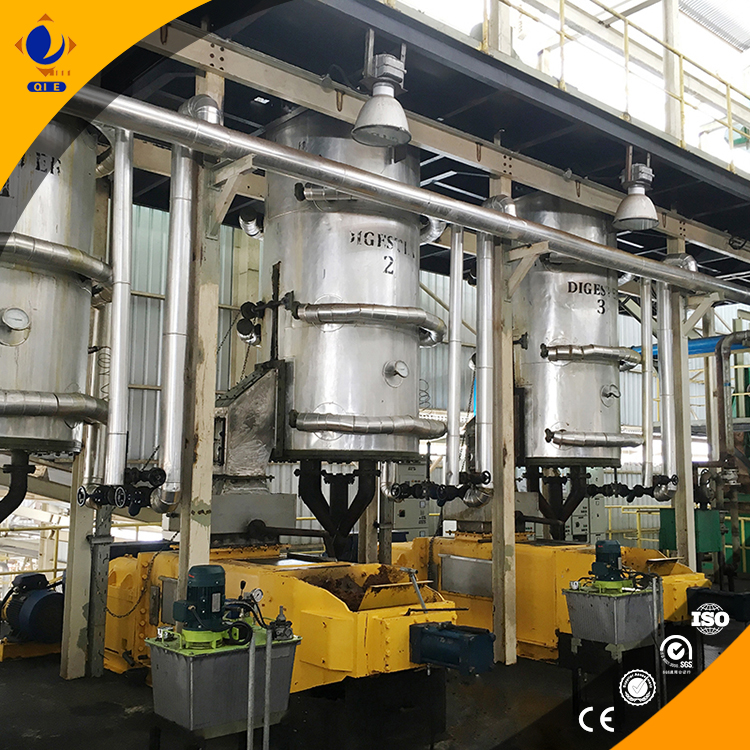
The heart of the press utilizes a high-precision screw press mechanism, providing continuous mechanical pressure to crack palm fruit cells and release oil. Mechanical transmission is designed for durability and low maintenance, often employing wear-resistant alloys that extend machine life by up to 25%.
Temperature control plays a pivotal role in maximizing oil extraction. Maintaining an optimal pressing temperature between 60°C and 80°C softens the palm fruit tissues, enhancing oil flow while preventing overheating that can degrade oil quality. The machine features integrated thermocouples and heat exchangers enabling precise thermal regulation, which boosts oil recovery rates by approximately 10–15%.

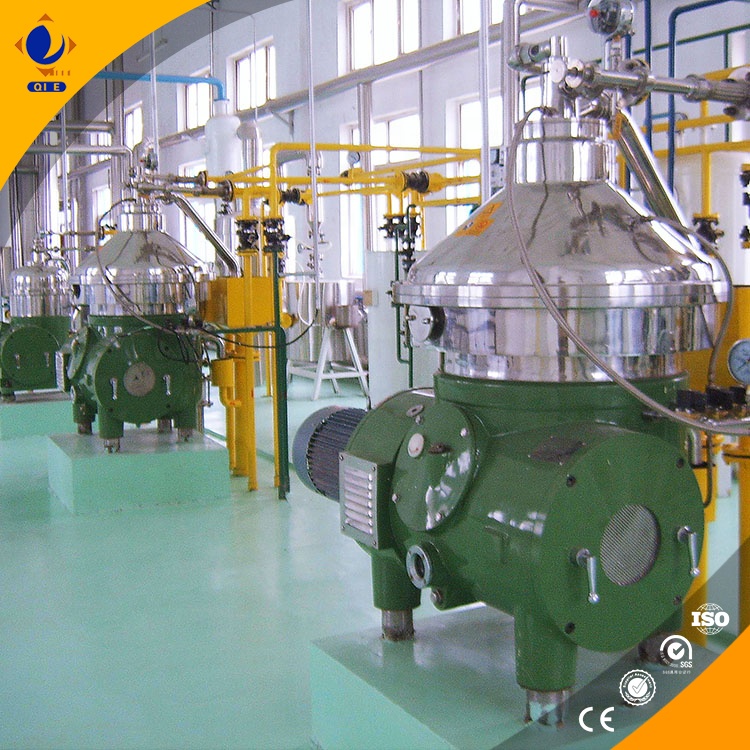
Once the crude palm oil is pressed out, it contains a mixture of oil, water, solids, and residues. The fully automatic machine incorporates an efficient oil-water separation system using centrifugal force and gravity separation principles. This ensures that oil purity exceeds industry standards, with moisture content often reduced below 0.5%, which improves storage stability and product value.
Moreover, the separation technology contributes to environmental sustainability by facilitating the recycling of residual water and minimizing effluent discharge, aligning with green processing mandates in many countries.
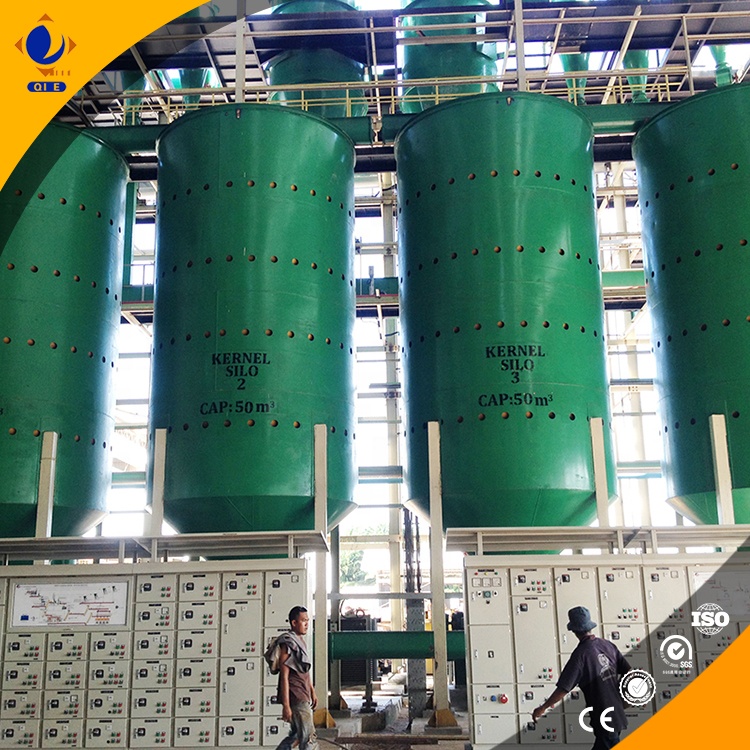
Palm oil processors frequently face challenges such as high labor expenses, inconsistent pressing yield, and excessive energy use. The fully automatic palm oil press machine directly targets these pain points:
Such improvements translate to tangible cost savings and enhanced operational throughput. For example, a mid-scale processing facility upgrading to this technology typically sees a return on investment within 12 to 18 months.
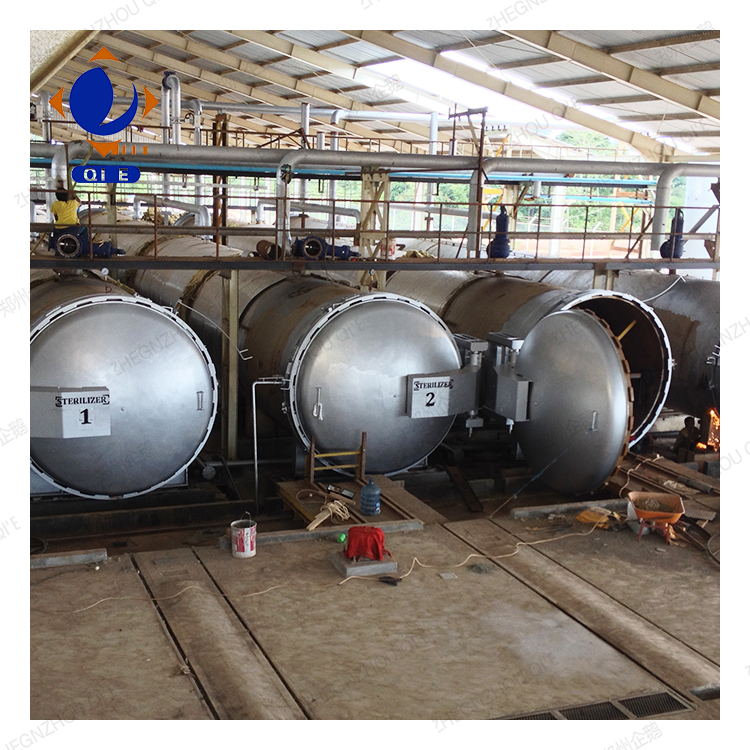
Implementing this equipment also involves workflow adjustments. Integrating pre-treatment steps such as sterilization and threshing before pressing can substantially increase machine efficiency. Process flow optimization, paired with maintenance protocols for mechanical components and control systems, further stabilizes production and reduces downtime.
Process engineers are advised to monitor key performance indicators like pressing pressure, temperature profiles, and oil clarity continuously through the control interface. Using data-driven insights allows adaptive tuning and proactive troubleshooting.

 71
|
71
|
 palm oil processing equipment selection
automatic palm oil production line
palm fruit pressing machine energy consumption
high oil yield low energy palm oil mill
ISO9001 CE palm oil processing equipment
palm oil processing equipment selection
automatic palm oil production line
palm fruit pressing machine energy consumption
high oil yield low energy palm oil mill
ISO9001 CE palm oil processing equipment
 173
|
Fully automatic palm oil press
Equipment for small and medium - sized palm oil mills
Oil press equipment selection
Installation guidance for automated oil press lines
Palm oil equipment maintenance
475
|
palm oil refining process
stainless steel equipment in oil processing
automated control systems in refining
batch consistency in palm oil
food safety in edible oil production
184
|
small palm oil mill automation
palm oil processing labor cost reduction
automated oil extraction equipment
palm oil plant maintenance tips
palm fruit oil press system
142
|
Palm oil processing equipment installation considerations
Fully automated oil extraction equipment selection guide
Foundation load requirements
Voltage adaptation solutions
Automation upgrade for palm oil mills
173
|
Fully automatic palm oil press
Equipment for small and medium - sized palm oil mills
Oil press equipment selection
Installation guidance for automated oil press lines
Palm oil equipment maintenance
475
|
palm oil refining process
stainless steel equipment in oil processing
automated control systems in refining
batch consistency in palm oil
food safety in edible oil production
184
|
small palm oil mill automation
palm oil processing labor cost reduction
automated oil extraction equipment
palm oil plant maintenance tips
palm fruit oil press system
142
|
Palm oil processing equipment installation considerations
Fully automated oil extraction equipment selection guide
Foundation load requirements
Voltage adaptation solutions
Automation upgrade for palm oil mills