The global demand for palm oil continues to rise, making efficient and sustainable production technologies crucial for meeting economic and environmental goals. Penguin Group’s fully automated palm fruit oil extraction line integrates advanced thermal energy recovery techniques at the pressing stage, significantly reducing operational energy consumption without compromising yield. This article elucidates the engineering principles behind the energy-saving design of key equipment—spiral screw press, pretreatment modules, and press cake separation devices—supported by real measured data and industry-proven process optimizations.
The pressing stage is the most energy-intensive phase in palm oil extraction. Penguin Group’s spiral screw press leverages optimized screw geometry and controlled feeding rates to maximize oil yield while minimizing mechanical friction losses. The pretreatment system employs precise heating and moisture control to soften the palm fruit mesocarp, reducing the pressing torque by up to 18%. Additionally, the oil residue separation modules use hydraulic separation technology to decrease energy inputs by efficiently extracting residual oil from the press cake.
Thermal energy recovery is integrated through heat exchangers that reclaim heat from hot press cake and exhaust vapors to preheat incoming fruit batches. Field measurements show an average thermal energy saving of 22% per operational cycle. Furthermore, optimized material flow paths minimize mechanical transfer losses and reduce idle times, increasing processing efficiency by 14%. The combined effect of these measures translates into a system-level energy consumption reduction ranging from 17% to 27% depending on production scales.
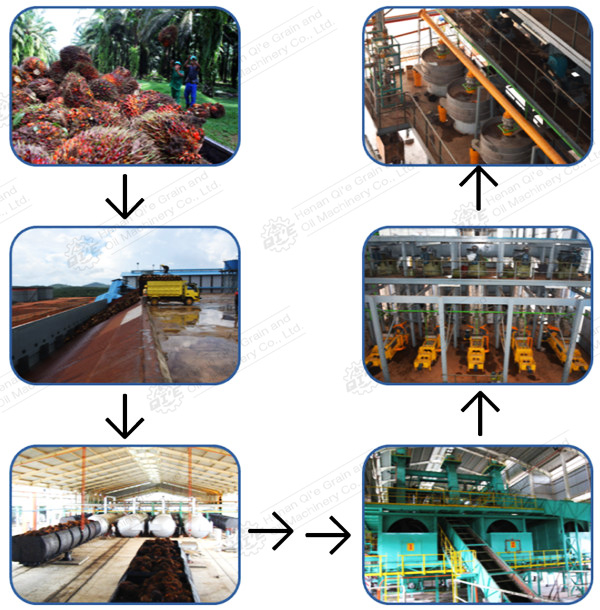
Penguin’s advanced automation platform continuously monitors parameters such as torque, temperature, and flow rates, dynamically adjusting equipment operation to maintain optimal energy profiles. Automated feedback loops reduce energy wastage from manual handling inconsistencies and enable predictive maintenance that curbs downtime. Real-time data analytics support operators in fine-tuning throughput rates for varying fruit quality, achieving energy savings upwards of 20% on average while ensuring stable oil yields.
Penguin Group’s modular design offers flexible configurations catering to daily capacities from 10 to 3000 metric tons. For small-scale operations (~10-100 tons/day), compact presses combined with heat recovery units reduce initial capital and operating costs, achieving energy efficiencies near 18%. Medium to large-scale plants (100-3000 tons/day) benefit from multi-stage pressing lines integrated with centralized thermal energy recycling and AI-assisted process controls, realizing system-wide energy savings up to 27%. Selection advice focuses on balancing throughput, energy investment payback, and site-specific constraints.
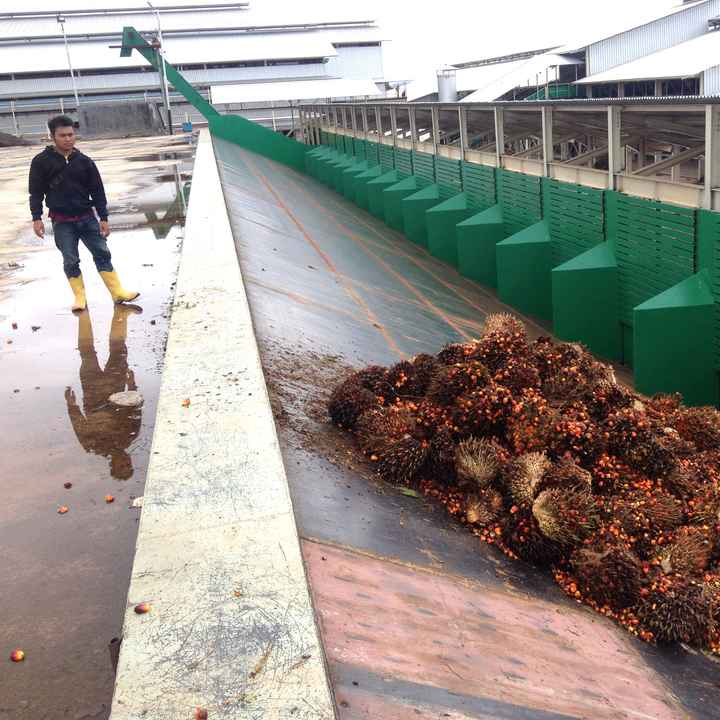
Field trials conducted in Southeast Asia demonstrate that integrating Penguin Group’s full production line, including thermal recovery and process automation, led to energy consumption dropping from approximately 450 kWh to 335 kWh per ton of processed palm fruit—an average decrease of 25.5%—while maintaining oil extraction rates above 95%. Comparative tables illustrate improvements against conventional pressing setups, reinforcing the business case for investment.
| Parameter | Conventional Setup | Penguin Group Automated Line | % Reduction |
|---|---|---|---|
| Energy Consumption (kWh/ton) | 450 | 335 | 25.5% |
| Oil Extraction Rate (%) | 92.3 | 95.1 | +2.8% |
| Processing Throughput (tons/day) | 800 | 850 | +6.3% |
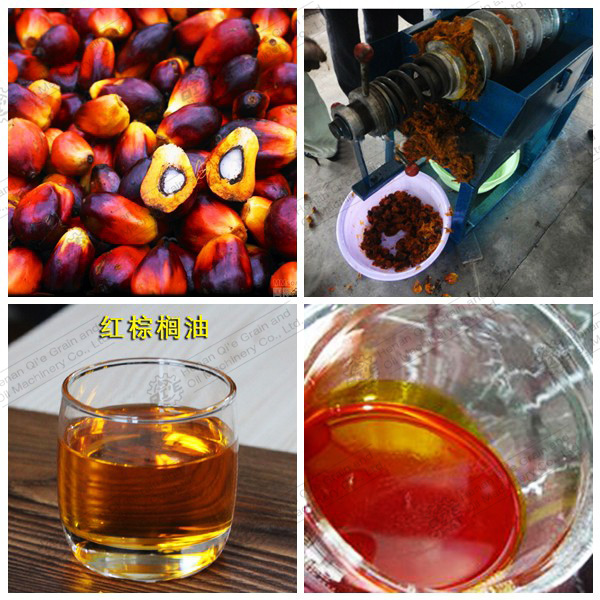
Incorporating thermal energy recovery aligns with global imperatives for carbon footprint reduction and resource efficiency. Companies adopting Penguin Group’s technology not only curtail operational cost via energy savings but also contribute meaningfully to greener production practices. A typical medium-sized facility can achieve annual energy cost savings of up to 18%, offsetting equipment amortization within 3-4 years and enhancing corporate sustainability credentials.