Identifying Abnormal Noises and Pressure Fluctuations in Palm Oil Press Equipment: Diagnostic Techniques and Emergency Response Solutions
2025-10-17
Industry Experience
This article provides practical guidance for operators and maintenance teams managing palm oil pressing lines, focusing on key components such as gears, bearings, and pump systems. It outlines preventive maintenance schedules, lubrication methods, and cleaning procedures to extend equipment life and boost efficiency. Real-world case studies explain how to diagnose abnormal noises and pressure fluctuations—common early warning signs of mechanical issues—and offer step-by-step emergency response strategies to minimize downtime. Additional topics include water quality management, seal replacement, and electrical safety checks, all supported by flowcharts, maintenance calendars, and fault diagnosis diagrams. Designed for both frontline technicians and plant managers, this guide ensures reliable operations and maximizes return on investment in palm oil processing equipment.
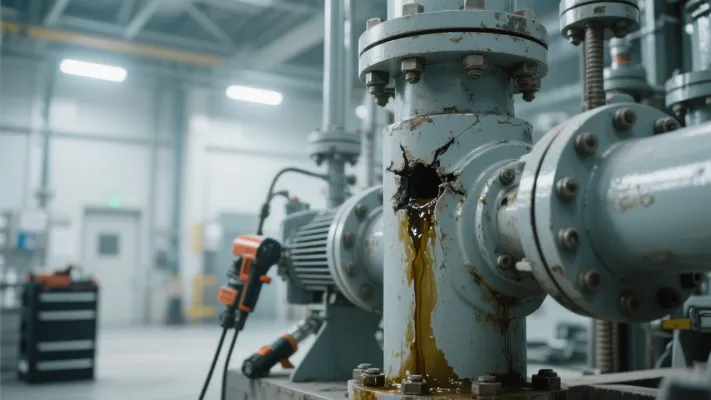
Mastering Palm Oil Press Machine Maintenance: Diagnose Noises & Pressure Fluctuations Like a Pro
As an operator or plant manager in the palm oil industry, you know that consistent uptime isn’t just about efficiency—it’s about profitability. A single hour of unplanned downtime can cost your facility up to $5,000 in lost production (based on average global palm oil mill operations). That’s why understanding how to identify and resolve early warning signs—like abnormal noise or pressure instability—is not optional; it’s essential.
Common Red Flags: What to Listen For
Most operators catch issues too late because they wait for complete failure. But here’s what to watch for:
- Unusual Gear Noise: A high-pitched whine from gearboxes often indicates misalignment or worn teeth—address within 24 hours to prevent catastrophic damage.
- Pressure Spikes & Drops: Sudden changes in hydraulic pressure (>±10% from baseline) suggest pump inefficiency or clogged filters—a leading cause of 70% of unplanned stops in Southeast Asian mills.
| Component |
Recommended Check Interval |
Key Action |
| Bearings |
Every 3 months |
Inspect for vibration, lubricate with ISO VG 68 oil |
| Pump Units |
Monthly |
Check seals, clean strainers, verify flow rate vs. specs |
| Hydraulic Lines |
Quarterly |
Test for leaks, replace hoses if >2 years old |
Quick Emergency Response Plan
If you hear unusual sounds or see erratic pressure readings, follow this 5-step emergency protocol:
- Stop the machine immediately—do NOT ignore the symptom.
- Isolate the component using the built-in diagnostic panel (most modern presses have real-time data logging).
- Run a visual inspection: look for oil leaks, loose bolts, or overheating zones.
- Use a thermal camera or infrared thermometer—if any part exceeds 60°C above ambient, it’s likely failing.
- Log the event in your maintenance system. This builds a predictive model over time—critical for reducing future breakdowns by up to 40%.
And don’t forget auxiliary checks: water quality must be tested monthly (hardness < 150 ppm), and electrical connections should be inspected quarterly to avoid short circuits during humid conditions common in tropical regions.
Pro Tip: Keep a digital logbook—your team will thank you when troubleshooting becomes faster and more accurate. One Malaysian mill reduced mean time to repair (MTTR) from 4.2 hours to 1.8 hours after implementing this practice.
Whether you're managing a small-scale operation or a large integrated palm oil mill, proactive care pays off—not just in fewer breakdowns, but in better yield consistency and lower long-term costs.





