This article is tailored for small and medium-sized palm oil production enterprises, aiming to provide in - depth insights into selecting suitable oil - pressing equipment. It focuses on comparing the differences among manual, semi - automatic, and fully automatic systems in terms of processing capacity, labor cost, and operational difficulty.
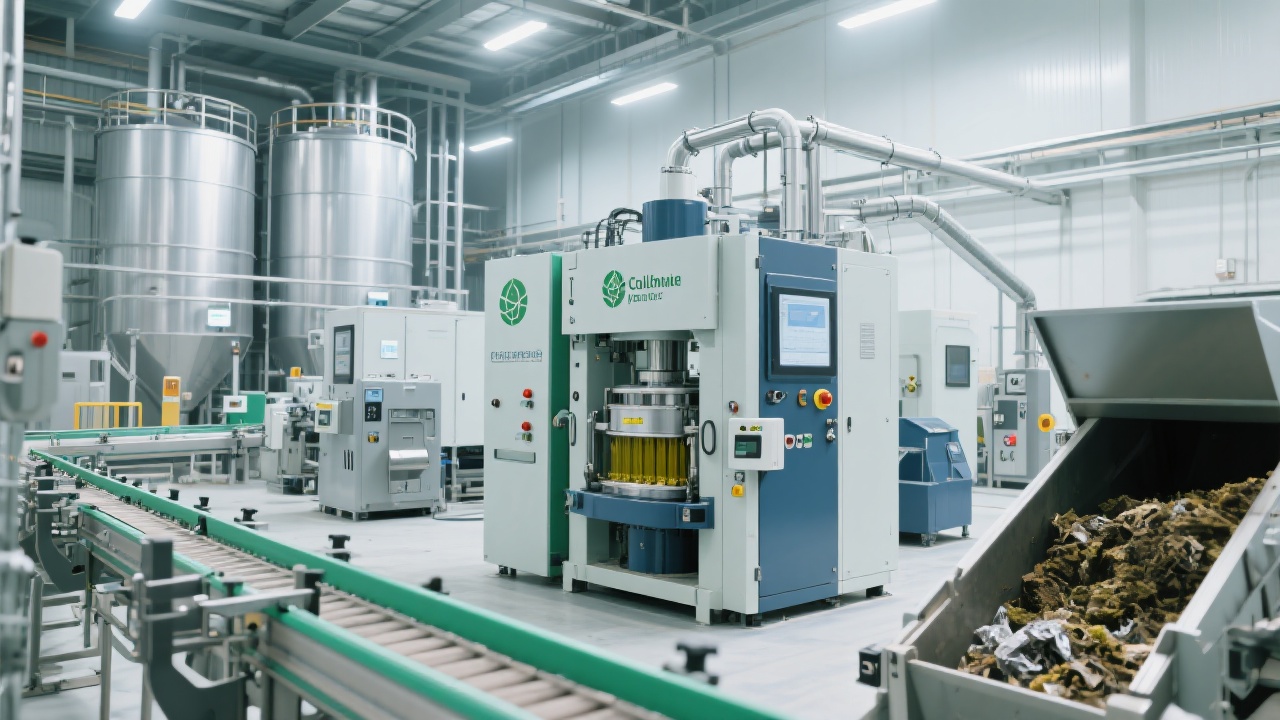
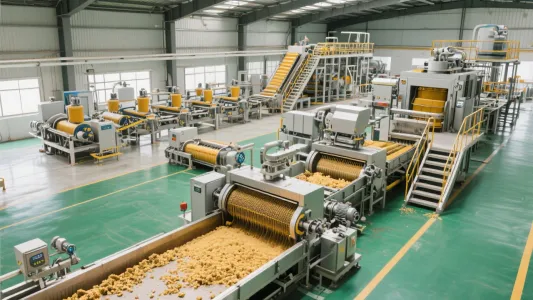
For production requirements of different scales (5 - 50 tons per day), the capacity performance, automation level, labor cost, and operational difficulty of manual, semi - automatic, and fully automatic oil - pressing equipment are compared. Let's take a look at some real - life cases.
A small palm oil factory with a daily production of about 5 tons used a manual oil press initially. The labor cost was high, with 5 - 6 workers needed for continuous operation, and the processing capacity was limited. After switching to a semi - automatic oil press, the number of workers was reduced to 2 - 3, and the daily production could be stably reached with less physical effort from the workers. A medium - sized factory with a daily production of 30 tons later upgraded to a fully automatic oil press. Although the initial investment was relatively large, the labor cost dropped significantly, only requiring 1 - 2 operators for monitoring, and the production efficiency increased by about 30%.
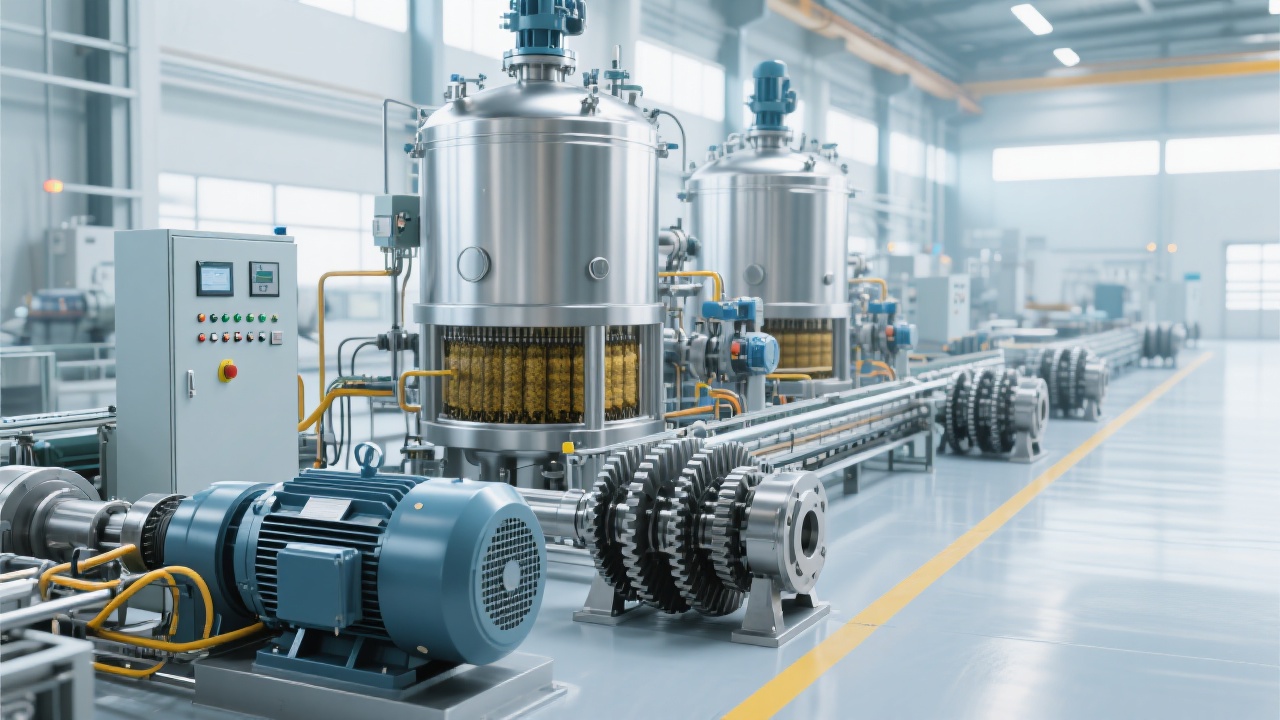
Before equipment installation, it is crucial to pay attention to the foundation load - bearing standard and electrical requirements such as voltage matching (220V/380V/440V). For instance, for a fully automatic oil - pressing line, the foundation needs to bear a load of at least 5 tons per square meter. In terms of voltage, if the factory is in a region with a 440V power supply system, the equipment must be compatible to ensure the safe and stable operation of the production line.
Daily cleaning, lubrication, and inspection of core components are essential for the long - term operation of the equipment. For example, the screw conveyors in the oil - pressing equipment should be cleaned daily to prevent material blockage. Lubricating the bearings every 2 - 3 days can reduce friction and extend their service life. The key is also to recognize common faults, such as oil leakage, which may be caused by seal wear. Replacing the seals in time can effectively solve this problem and reduce maintenance costs.
From the perspective of technicians and managers, simplifying operations and formulating future expansion strategies are important. For example, providing operators with simple and clear operation manuals can reduce the learning curve. In terms of expansion, choosing modular - design equipment allows for easy capacity upgrades in the future.
If you are still confused about which oil - pressing equipment is most suitable for your enterprise, or want to know more about installation and maintenance details, don't hesitate to contact the QIE Group. We can provide you with detailed equipment solutions and professional technical support services. Click here to learn more about our palm oil press solutions

 103
|
103
|
 palm oil processing equipment
spiral oil press energy efficiency
palm oil plant energy optimization
automated oil extraction system
oil palm processing line
palm oil processing equipment
spiral oil press energy efficiency
palm oil plant energy optimization
automated oil extraction system
oil palm processing line
 43
|
PLC automation
Palm oil production line automation
Industrial sensor application
Energy saving and consumption reduction
Equipment remote monitoring
43
|
PLC automation
Palm oil production line automation
Industrial sensor application
Energy saving and consumption reduction
Equipment remote monitoring
 71
|
oilseed preprocessing equipment
high-efficiency plant oil production solutions
customized oilseed processing technology
71
|
oilseed preprocessing equipment
high-efficiency plant oil production solutions
customized oilseed processing technology
 271
|
small palm oil refining equipment
palm oil refining machine
high-efficiency palm oil processing
475
|
palm oil refining process
stainless steel equipment in oil processing
automated control systems in refining
batch consistency in palm oil
food safety in edible oil production
271
|
small palm oil refining equipment
palm oil refining machine
high-efficiency palm oil processing
475
|
palm oil refining process
stainless steel equipment in oil processing
automated control systems in refining
batch consistency in palm oil
food safety in edible oil production