Selecting an oil press is a practical decision that affects raw material handling, operating workflow, finished oil positioning and the overall investment plan. For edible oil processors, the right configuration is not defined by one machine feature alone. It should be evaluated against the oil-bearing material, intended processing method, required output, automation expectations and future business development.
As a manufacturer of oil pressing equipment, oil production line equipment and oil refining equipment, Qi'e Grain and Oil Machinery Co., Ltd. helps B2B customers assess cold press, hot press, automatic and multifunctional oil press options within the broader context of an oil processing operation.
An oil press should match the real operating conditions of the project. Before comparing equipment types, define the processing objective and the boundaries of the planned production line. This creates a clearer basis for equipment selection and subsequent line design.
Identify the oilseed or oil-bearing material, its condition and the expected preparation process. Different materials may require different processing arrangements before pressing.
Consider current throughput needs, operating hours and whether the project is designed for a small-scale operation, a growing business or a complete production line.
Clarify whether the focus is on a particular processing style, product presentation or downstream refining and packaging arrangement.
Review available labor, management capability, site conditions, utility planning and the investment scope for equipment and supporting systems.
Cold press, hot press, automatic and multifunctional oil press equipment address different production priorities. These categories can overlap in an actual project, so selection should be based on the complete process rather than the equipment name alone.
| Equipment Option | Selection Focus | Suitable Planning Considerations | Key Evaluation Point |
|---|---|---|---|
| Cold press oil machine | A process approach centered on pressing under controlled temperature conditions. | Projects where the intended oil processing method and product positioning call for cold pressing. | Confirm raw material suitability, preparation requirements and the downstream handling plan. |
| Hot press configuration | A processing route that incorporates heat-related preparation before or during pressing. | Operations evaluating an integrated preparation and pressing workflow. | Assess the required process equipment, operating control and oil treatment requirements after pressing. |
| Automatic oil press machine | Operational consistency, workflow organization and reduced reliance on manual handling steps. | Businesses planning a more standardized operating process or seeking to integrate equipment into a coordinated line. | Define the appropriate automation level, operator responsibilities and maintenance arrangement. |
| Multifunctional oil press machine | Processing flexibility for projects that may handle more than one applicable raw material or production need. | Operations requiring adaptable equipment planning within defined material and process limits. | Verify the expected materials, changeover needs and the practical workflow for each product type. |
The cold press versus hot press decision should not be made only by comparing the press itself. It also involves material preparation, process control, oil clarification, possible refining requirements and the desired production workflow.
Automation should be selected according to the operating model, not simply as a standalone feature. An automatic oil press machine may be appropriate where the business needs a more organized production rhythm and clearer process coordination. The most suitable level depends on output expectations, workforce arrangements, management practices and the relationship between pressing and auxiliary equipment.
Practical selection principle: choose a configuration that your team can operate, maintain and integrate effectively. A well-matched system supports stable day-to-day management better than an unnecessarily complex setup.
A multifunctional oil press machine can be relevant when a project requires flexibility across applicable materials or production tasks. It is particularly important, however, to define the actual processing scope in advance. Material characteristics, feeding arrangements, cleaning procedures, output targets and downstream oil handling should all be reviewed before selecting a multifunctional configuration.
For processors developing multiple product directions, equipment flexibility should be balanced with a clear operating plan. This helps ensure that the press, preparation equipment and oil treatment stages work together as a practical production system.
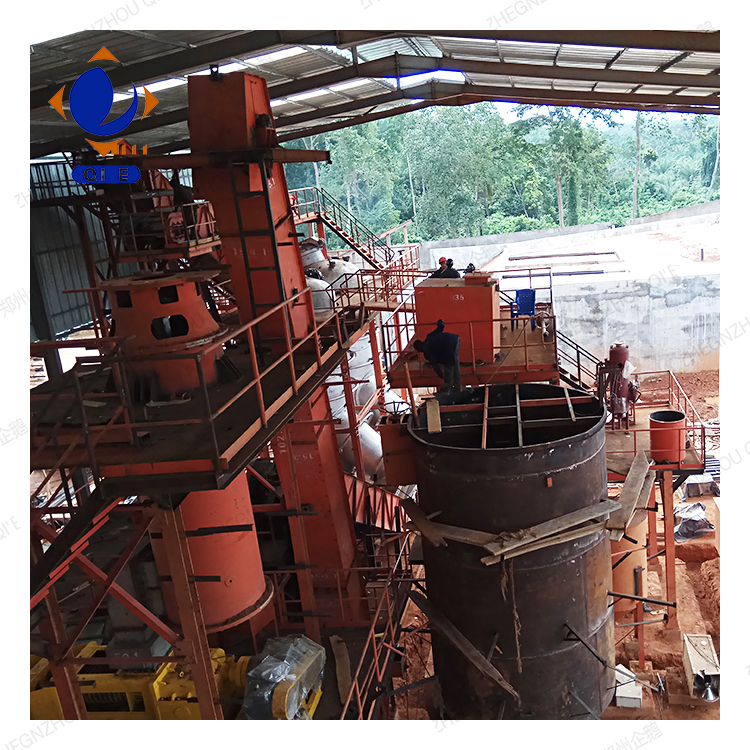
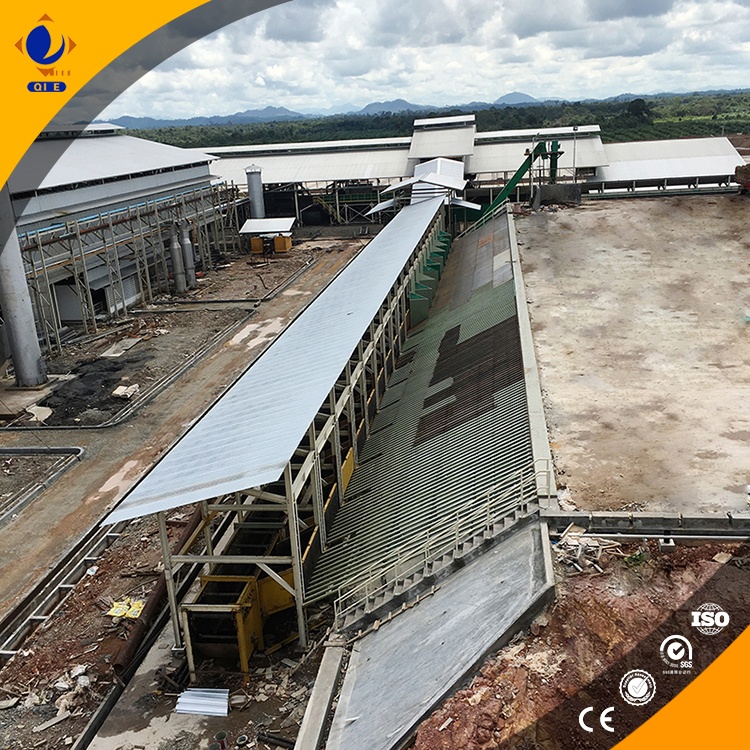
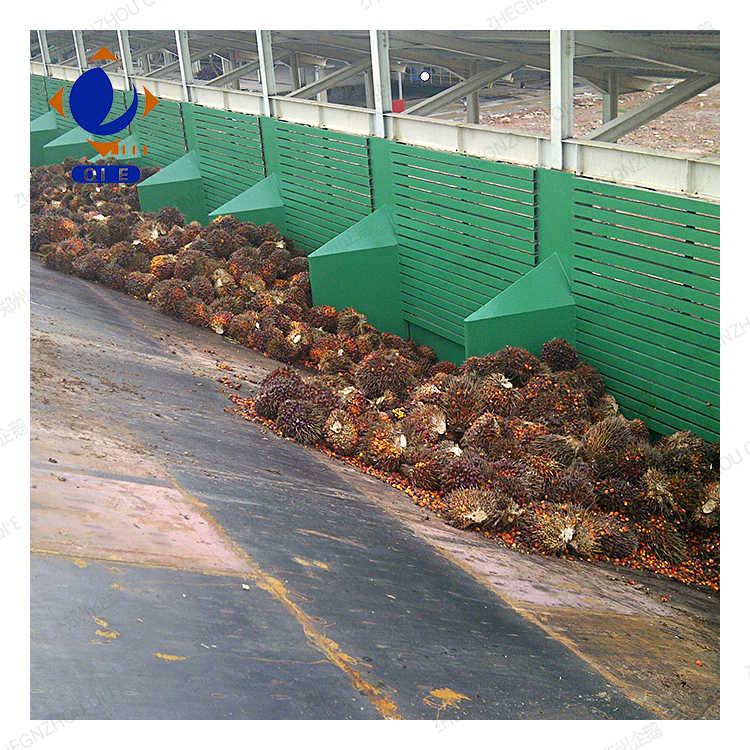
Oil pressing equipment performs best when considered as part of a connected process. Depending on the project, the broader arrangement may include raw material reception, cleaning, preparation, pressing, crude oil handling, filtration, storage, refining and packaging. The required scope should follow the customer’s process needs rather than a fixed equipment formula.
Qi'e Grain and Oil Machinery Co., Ltd. provides equipment and project support for edible oil processing businesses, including oil pressing equipment, oil production line equipment and oil refining equipment. Selection can be approached around your material type, process route, capacity objective, site conditions and investment plan.
Explore related equipment solutions, including a cold press oil machine, automatic oil press machine, multifunctional oil press machine and edible oil refining equipment to plan a solution that fits the practical requirements of your oil processing operation.

 410
|
410
|
 palm fruit preprocessing
palm oil yield improvement
residual oil reduction
standardized operation
PLC control system
palm fruit preprocessing
palm oil yield improvement
residual oil reduction
standardized operation
PLC control system
 494
|
food grade palm oil production line
motor selection guide
pump system optimization
gearbox maintenance
Qie Group
494
|
food grade palm oil production line
motor selection guide
pump system optimization
gearbox maintenance
Qie Group
 59
|
fully automatic palm oil press
oil extraction technology
automation control system
mechanical transmission
temperature control
59
|
fully automatic palm oil press
oil extraction technology
automation control system
mechanical transmission
temperature control
 404
|
Qi'e Grain and Oil Machinery
oil press equipment
project delivery
installation and commissioning
technical service
404
|
Qi'e Grain and Oil Machinery
oil press equipment
project delivery
installation and commissioning
technical service
 222
|
food grade palm oil production line maintenance
core components selection
motor maintenance technology
bearing wear prevention
PLC control system maintenance
222
|
food grade palm oil production line maintenance
core components selection
motor maintenance technology
bearing wear prevention
PLC control system maintenance








.jpg)