In the palm oil production industry, selecting the appropriate pressing process is crucial for optimizing production efficiency and product quality. This article delves into the technical differences between cold and hot pressing processes and provides practical guidance on process selection based on raw material moisture and production requirements.
The cold pressing process operates at lower temperatures, typically below 60°C, which helps preserve the enzymatic activity in palm fruits. This process minimizes the damage to the natural nutrients in palm oil. On the other hand, the hot pressing process uses higher temperatures, usually above 100°C, to inactivate enzymes and increase the fluidity of oil, thus improving the oil extraction rate. However, high temperatures may also lead to the loss of some heat - sensitive nutrients.
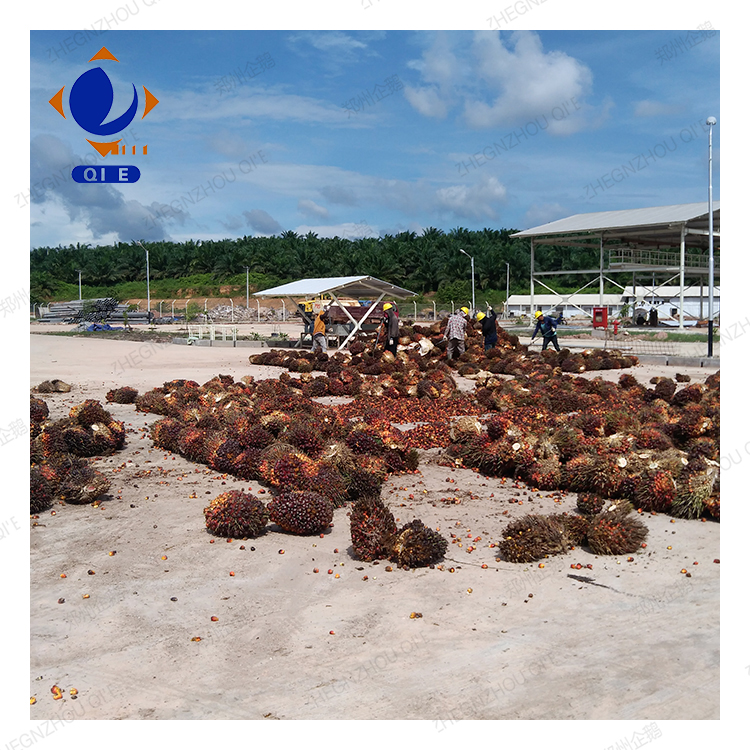
Cold pressing equipment generally requires more precise temperature control systems, which are often less automated and have lower energy consumption. In contrast, hot pressing equipment needs to withstand high - temperature operations, with higher requirements for equipment materials and heat - resistance. The automation level of hot pressing equipment is relatively high, but it consumes more energy. For example, in a medium - scale palm oil production line, the energy consumption of cold pressing equipment is about 30 - 40 kWh per ton of raw materials, while that of hot pressing equipment can reach 60 - 80 kWh per ton.
In terms of output efficiency, the hot pressing process usually has a higher oil extraction rate. Under normal circumstances, the oil extraction rate of the hot pressing process can reach 20% - 25%, while that of the cold pressing process is about 15% - 20%. However, considering the energy consumption, the cold pressing process is more energy - efficient in some cases, especially when dealing with raw materials with high moisture content.
| Process | Oil Extraction Rate | Energy Consumption (kWh/ton) |
|---|---|---|
| Cold Pressing | 15% - 20% | 30 - 40 |
| Hot Pressing | 20% - 25% | 60 - 80 |
The cold - pressed palm oil retains more natural nutrients, such as vitamin E and carotenoids, which have antioxidant properties. The hot - pressed palm oil has a higher oil extraction rate but may lose some of these nutrients. Therefore, for high - end markets that value nutrition, the cold pressing process may be more suitable, while for mass - market products, the hot pressing process can meet the demand for high - volume production.

In Southeast Asia, where the climate is humid and the moisture content of palm fruits is relatively high, the cold pressing process is often used to reduce energy consumption and preserve nutrients. In Africa, with a relatively dry climate and lower moisture content in palm fruits, the hot pressing process is more commonly adopted to improve the oil extraction rate. These real - world cases provide valuable references for palm oil production enterprises in different regions.
To assist palm oil production enterprises in making scientific decisions, we provide a simple decision - making process table. This table takes into account factors such as raw material moisture, production scale, and market demand, helping enterprises quickly select the most suitable pressing process.
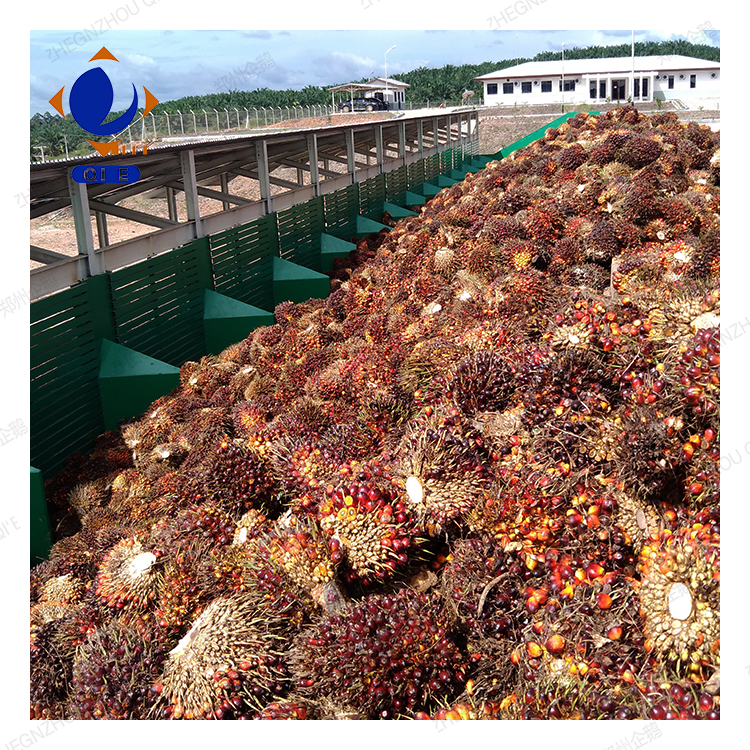
In conclusion, choosing the right palm fruit pressing process requires a comprehensive consideration of multiple factors. By understanding the technical differences between cold and hot pressing processes and referring to real - world cases, palm oil production enterprises can make more informed decisions. Download our Process Selection White Paper for in - depth knowledge and book a free technical consultation to optimize your palm oil production line.