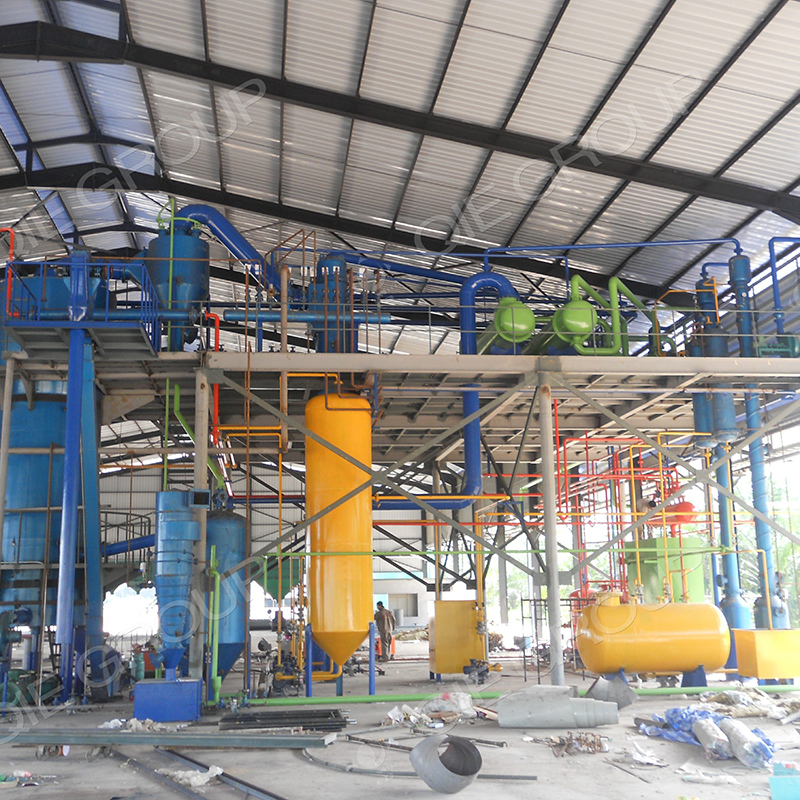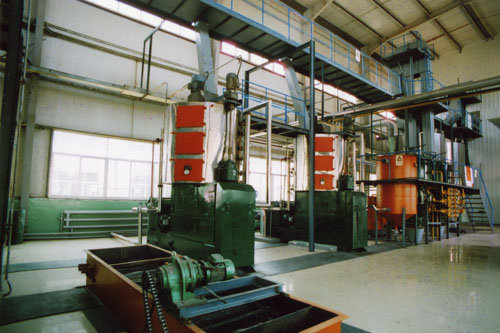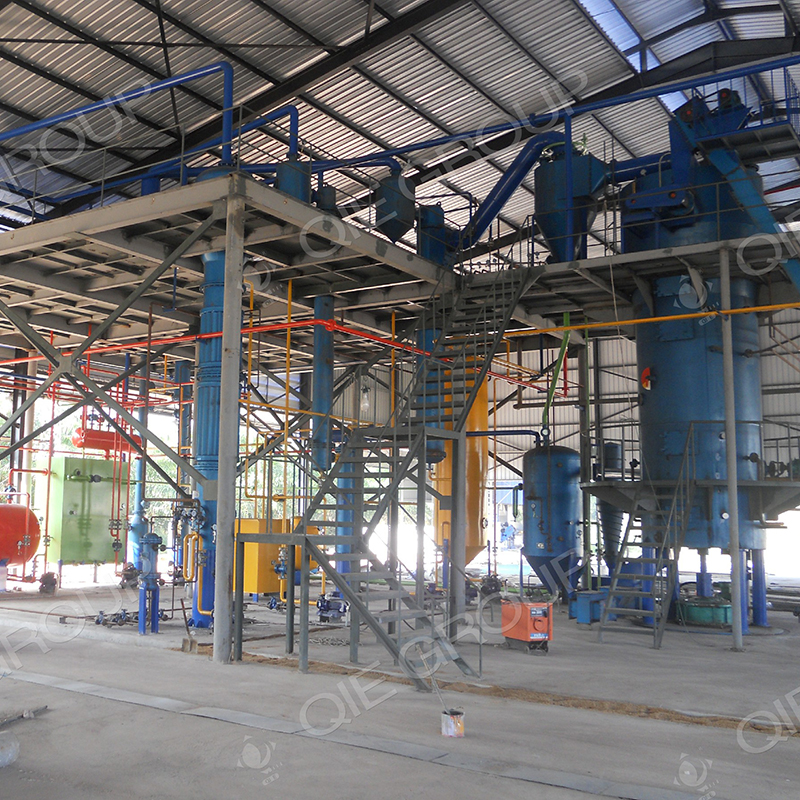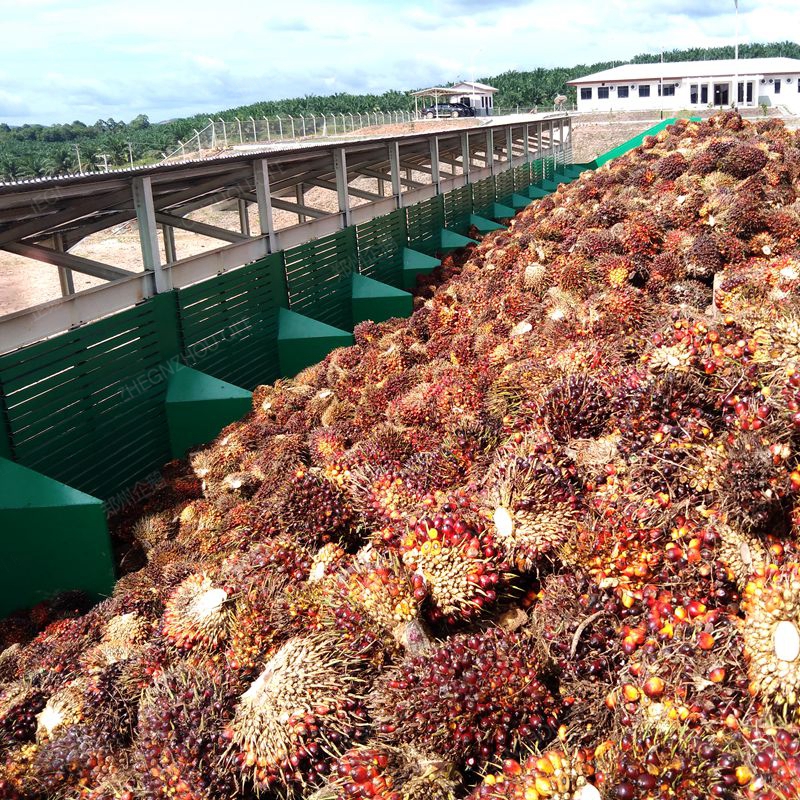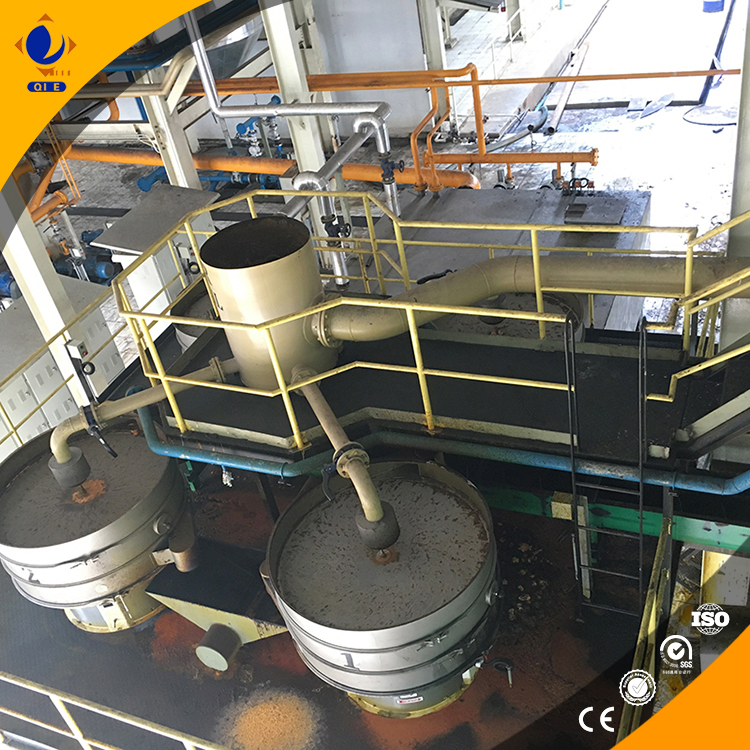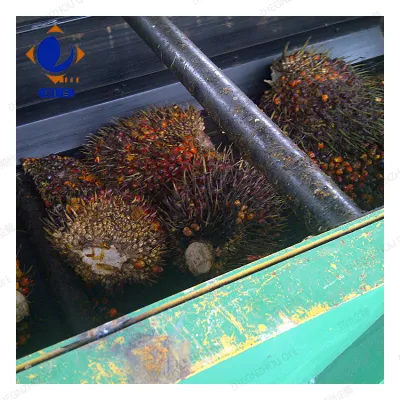
In palm fruit oil production, efficient water removal and minimal residual oil in pressed cake are critical drivers for maximizing oil yield and reducing operational costs. This technical deep dive presents QIE Group’s cutting-edge, replicable process optimization strategies that consistently achieve residual oil content below 1%, leveraging steam pressure control at 0.8 MPa and advanced heat exchange system designs.
The two key issues plaguing palm oil processors are incomplete dehydration reducing oil extraction efficiency and high residual oil in pressed cake leading to unsustainable resource loss. Addressing these directly translates into improved energy efficiency and cost-effectiveness, key for competitive food and beverage factories.
Precise steam pressure management — optimally set at 0.8 MPa or approximately 280 kilograms of steam per ton of fruit processed — is essential to drive efficient moisture removal. Beyond pressure, the thermal efficiency of heat exchange networks and the synchronous calibration of pressing force and dwell time define the extraction’s success.
For instance, misalignment in press force and duration can cause incomplete oil release or excessive cake hardness, impacting downstream processing. Utilizing thermal infrared sensors to monitor and maintain temperature within the ideal dehydration zone enhances throughput without sacrificing quality.
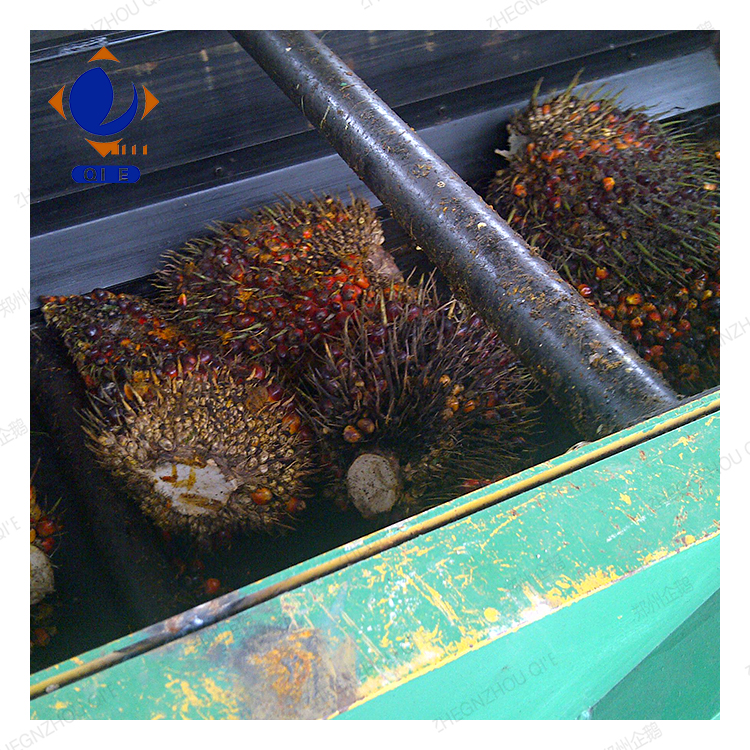
Operators often encounter temperature fluctuations and abnormal pump pressures, signaling underlying mechanical or process inefficiencies. Anomalies such as steam leaks, fouled heat exchangers, or wear in pressing cylinders necessitate regular troubleshooting protocols. Implementing predictive maintenance reduces downtime and prevents yield losses.
Key troubleshooting steps include:
Programmable Logic Controllers (PLC) integrated with data acquisition systems enable continuous monitoring and dynamic adjustments. The system automatically regulates steam input, press parameters, and temperature, triggering alarms for deviations outside preset thresholds.
QIE Group’s implementation of PLC-based feedback loops ensures stable dehydration conditions, minimizing manual intervention and human error. This automation is pivotal for scaling production while adhering to ISO9001 quality management standards.
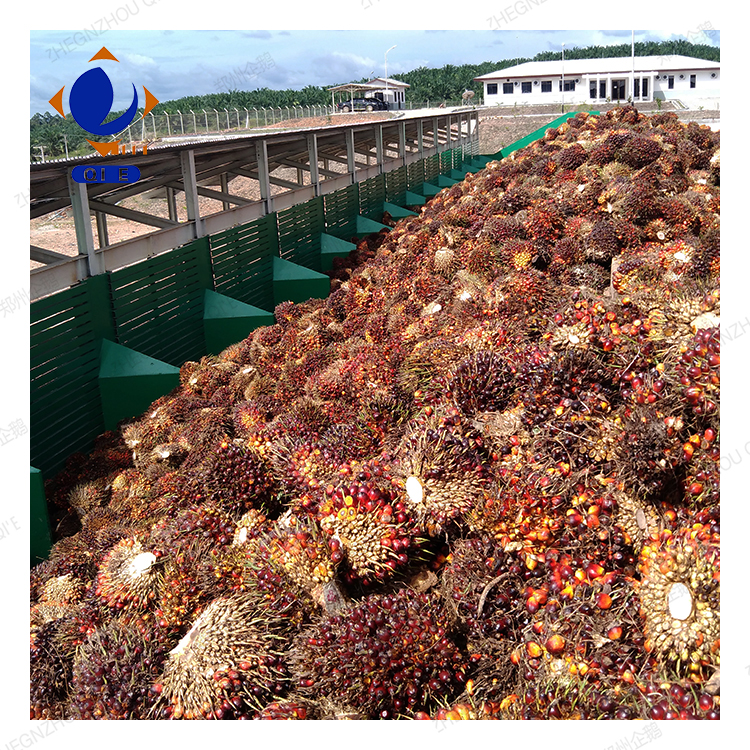
The quest for maximum oil recovery while reducing energy consumption benefits from certain actionable strategies:
Adhering to ISO9001 frameworks, QIE Group confirms that stable dehydration processes underpin sustainable production models. These internationally recognized standards assure customers of consistent quality, traceability, and environmental responsibility.
This guidance differentiates between:
Discover QIE Group’s replicable dehydration process and advanced PLC control solutions. Take the next step toward significantly boosting oil yield while cutting energy costs with our proven technology.

 251
|
251
|
 Mini Palm Oil Production Line Equipment
Palm Oil Processing Machine
Small Scale Palm Oil Extractor
Eco-Friendly Palm Oil Production Equipment
304 Stainless Steel Palm Oil Machinery
Customizable Palm Oil Production Line
ISO9001 Certified Palm Oil Equipment
Reliable Palm Oil Production Solutions
Palm Oil Manufacturing Equipment
Advanced Cold and Hot Pressing Technology
Mini Palm Oil Production Line Equipment
Palm Oil Processing Machine
Small Scale Palm Oil Extractor
Eco-Friendly Palm Oil Production Equipment
304 Stainless Steel Palm Oil Machinery
Customizable Palm Oil Production Line
ISO9001 Certified Palm Oil Equipment
Reliable Palm Oil Production Solutions
Palm Oil Manufacturing Equipment
Advanced Cold and Hot Pressing Technology
 205
|
Small Palm Oil Refining Equipment
High-Efficiency Palm Oil Refining Machine
Eco-Friendly Palm Oil Processing Equipment
Automated Small Palm Oil Refining Solutions
Premium Quality Palm Oil Refining Equipment
Cost-Effective Palm Oil Refining Systems
ISO9001 Certified Palm Oil Refining Equipment
Durable Small Palm Oil Refining Machinery
Customizable Palm Oil Refining Equipment
Reliable Palm Oil Refining Technology
205
|
Small Palm Oil Refining Equipment
High-Efficiency Palm Oil Refining Machine
Eco-Friendly Palm Oil Processing Equipment
Automated Small Palm Oil Refining Solutions
Premium Quality Palm Oil Refining Equipment
Cost-Effective Palm Oil Refining Systems
ISO9001 Certified Palm Oil Refining Equipment
Durable Small Palm Oil Refining Machinery
Customizable Palm Oil Refining Equipment
Reliable Palm Oil Refining Technology
 366
|
seed preprocessing equipment for oil extraction
comprehensive solutions for edible oil production
customer-centric service in oil processing
366
|
seed preprocessing equipment for oil extraction
comprehensive solutions for edible oil production
customer-centric service in oil processing
 31
|
QIE Palm Oil Press Production Line
Palm Oil Processing Machine
Automated Palm Oil Production
High Capacity Palm Oil Extraction
Energy Efficient Palm Oil Press
Stable Running Palm Oil Equipment
Global Support Palm Oil Production Line
Cold and Hot Press Palm Oil
Durable Palm Oil Processing Machinery
Quality Carbon Steel Palm Oil Equipment
31
|
QIE Palm Oil Press Production Line
Palm Oil Processing Machine
Automated Palm Oil Production
High Capacity Palm Oil Extraction
Energy Efficient Palm Oil Press
Stable Running Palm Oil Equipment
Global Support Palm Oil Production Line
Cold and Hot Press Palm Oil
Durable Palm Oil Processing Machinery
Quality Carbon Steel Palm Oil Equipment
 283
|
small-scale palm oil equipment
customized oil pressing equipment
hot and cold pressing process
environmentally friendly oil pressing equipment
efficient oil production line
283
|
small-scale palm oil equipment
customized oil pressing equipment
hot and cold pressing process
environmentally friendly oil pressing equipment
efficient oil production line