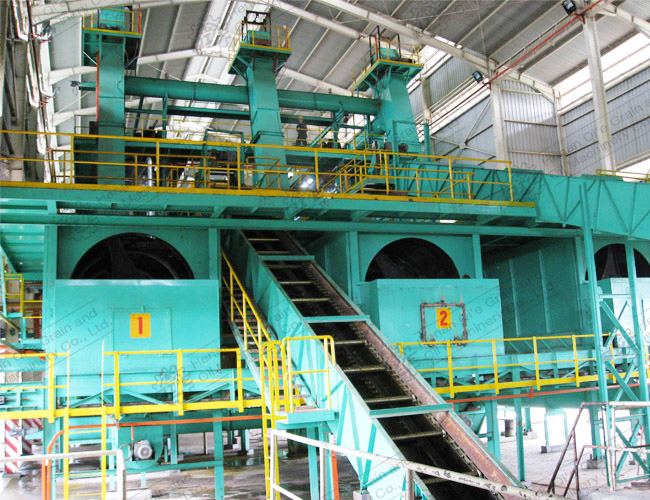
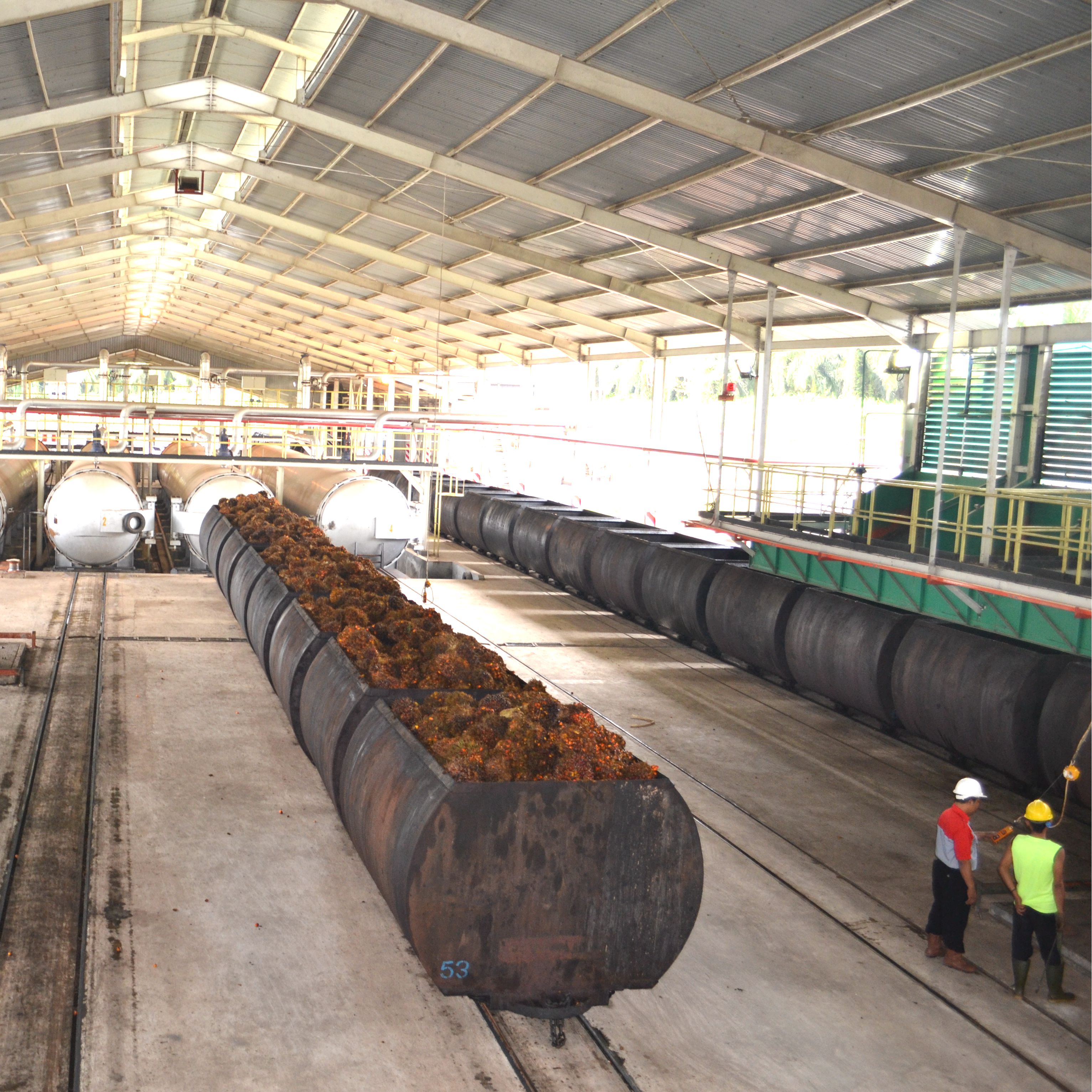
As a palm oil factory manager or technician, you're constantly seeking ways to boost production while cutting down on energy consumption. The automated control system for palm fruit oil pressing production lines holds the key to achieving both these goals. Let's delve into the details.
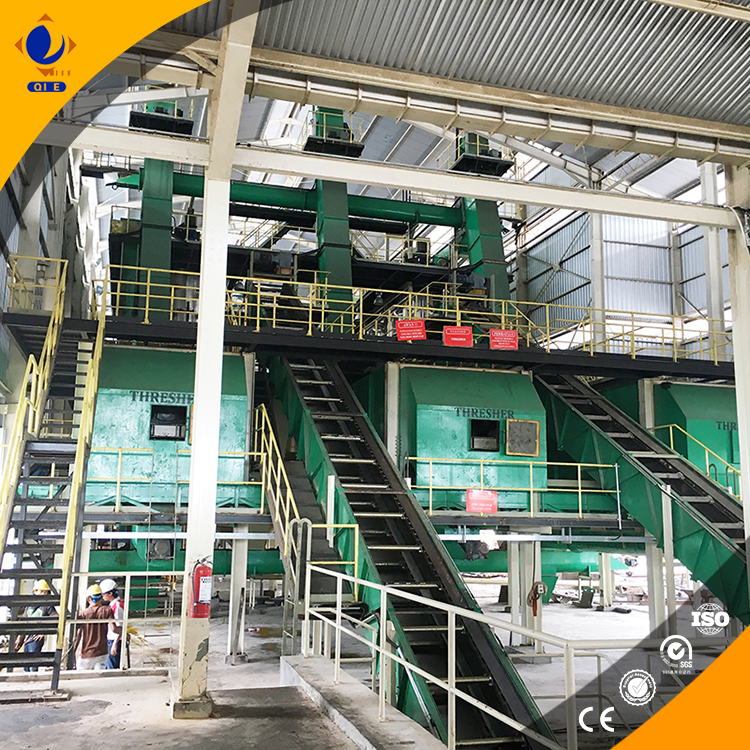
In the palm fruit pressing process, energy consumption is a major concern. High - energy - consuming equipment like screw oil presses, pre - treatment systems, and oil - residue separation devices often lead to excessive energy waste. For instance, traditional screw oil presses may consume up to 30 - 50 kWh per ton of palm fruit processed, which is a significant cost factor for your factory.
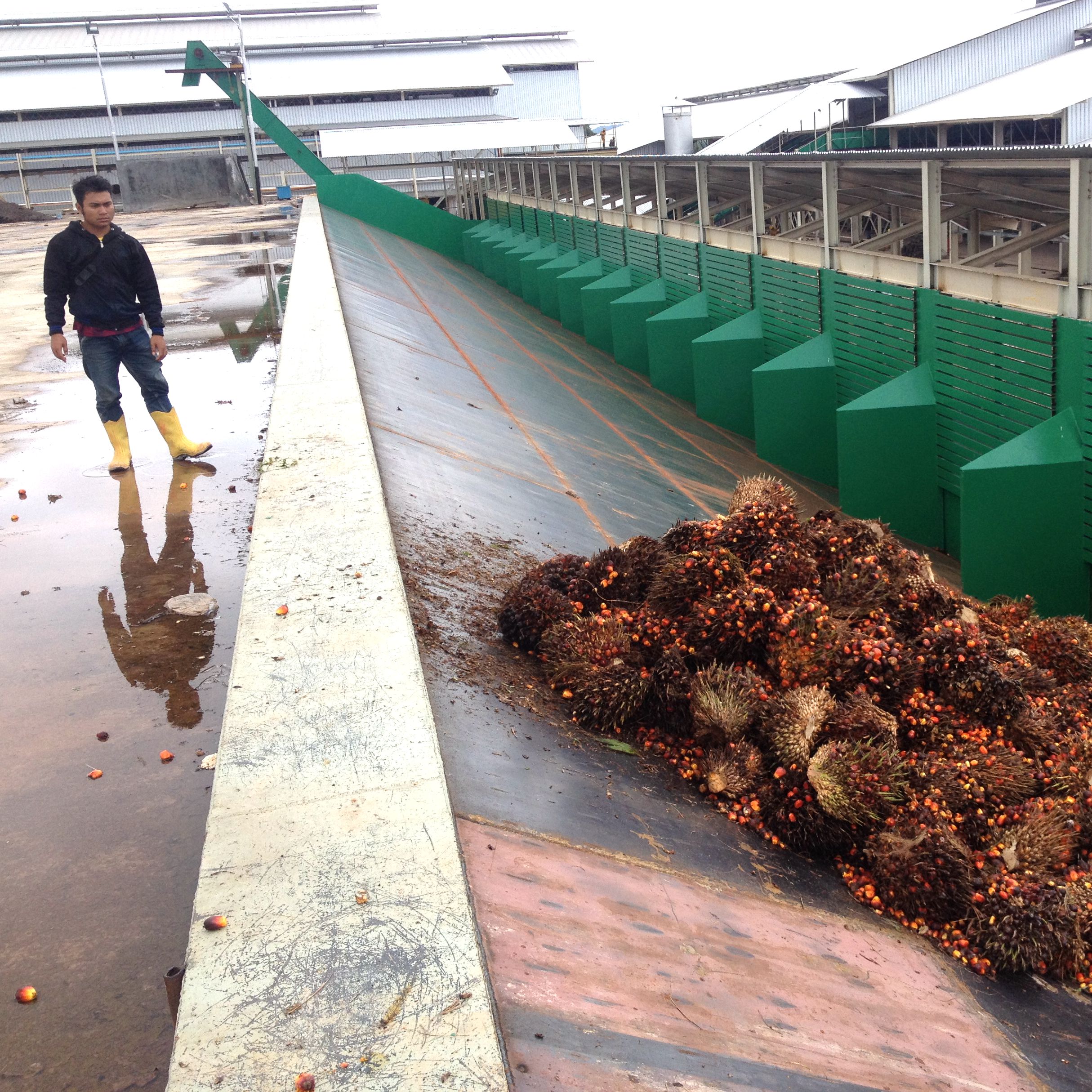
Screw oil presses are designed with energy - saving features such as optimized screw pitch and diameter, which can reduce the power required for pressing. The pre - treatment system can use advanced heating and mixing technologies to minimize energy loss during the initial processing stage. The oil - residue separation device can be equipped with high - efficiency filters and separators, reducing the need for repeated separation and thus saving energy. Studies show that well - designed equipment can reduce energy consumption by 15 - 25%.
By optimizing the material flow path, you can ensure a smooth and continuous process, minimizing the energy wasted on material transfer and waiting. For example, arranging the equipment in a linear or U - shaped layout can reduce the distance that materials need to travel, saving up to 10 - 15% of energy.
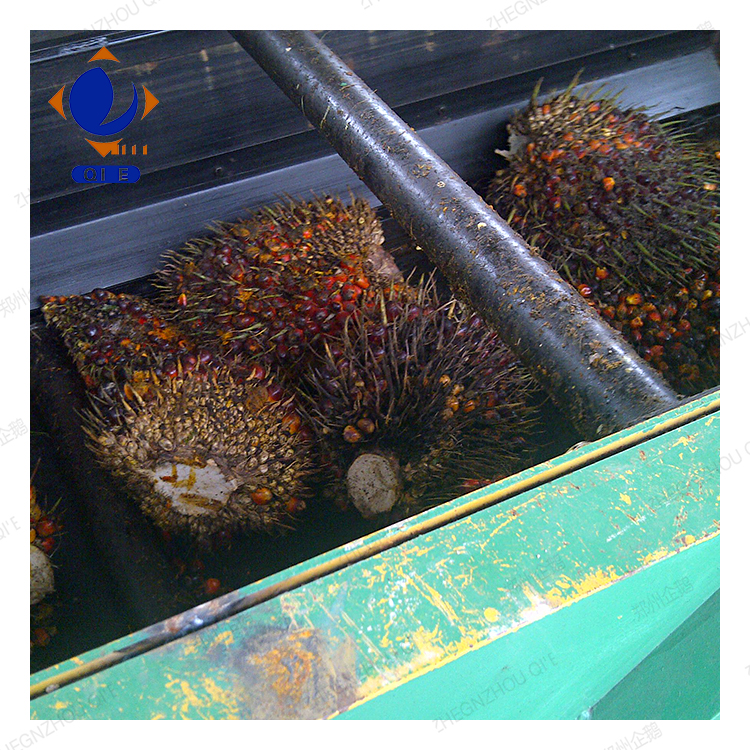
Heat energy recovery technology is a game - changer in palm oil production. By recovering the heat generated during the pressing and separation processes, you can reuse it for pre - heating materials or other production steps. This technology can potentially reduce overall energy consumption by 20 - 30%.
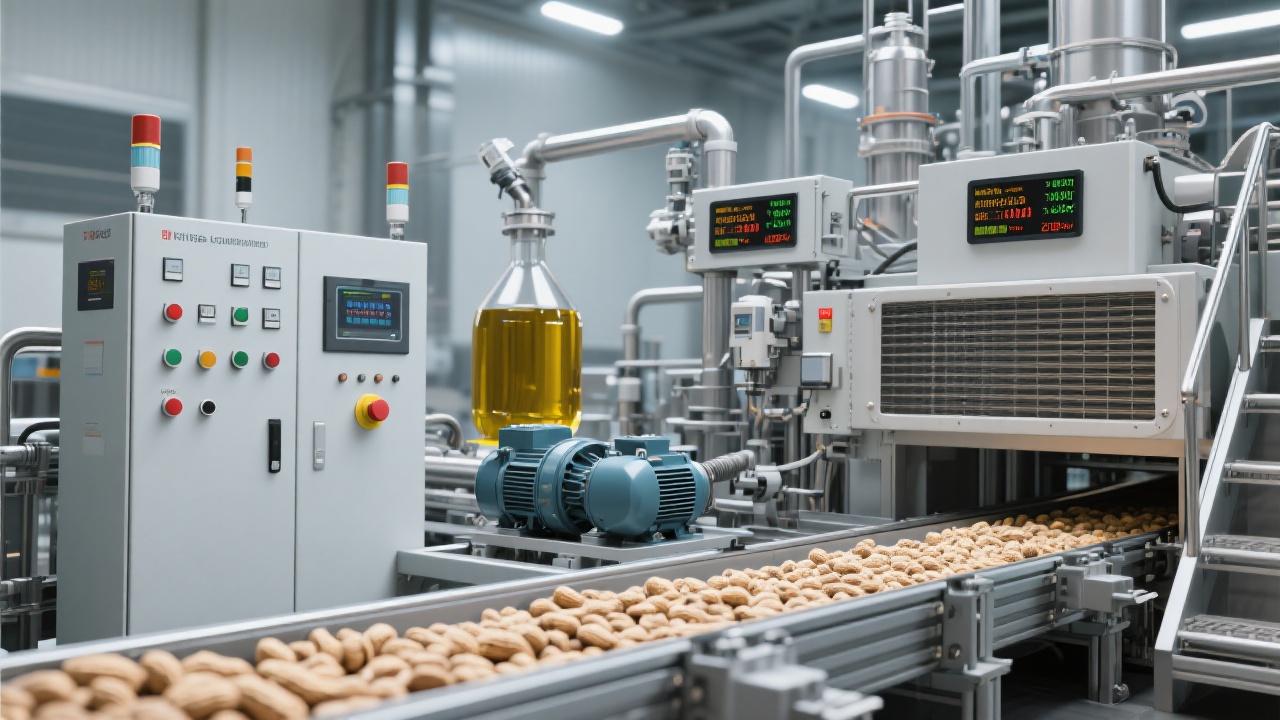
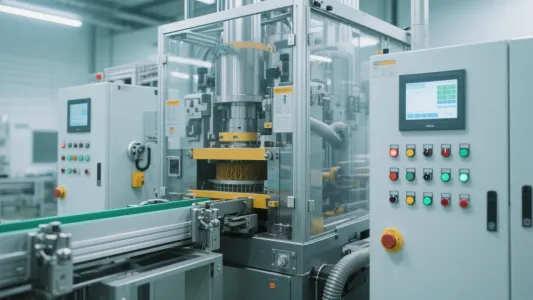
The automated control system can precisely adjust the motor power and temperature parameters according to the production process. For example, it can reduce the motor speed during low - load periods and maintain the optimal temperature for oil extraction, achieving significant energy savings.
Small - capacity factories (10 tons/day) may focus on simple and cost - effective energy - saving measures, such as improving equipment insulation and optimizing the control system. Large - capacity factories (3000 tons/day), on the other hand, can invest in more advanced technologies like large - scale heat energy recovery systems and high - precision automated control.
"Automation and energy - saving technologies are the future of palm oil production. Factories that adopt these technologies early will gain a significant competitive advantage," says Dr. John Smith, a renowned palm oil industry expert.
| Factory Capacity | Traditional Energy Consumption (kWh/ton) | After Optimization (kWh/ton) | Energy Saving Rate |
|---|---|---|---|
| 10 tons/day | 40 | 30 | 25% |
| 3000 tons/day | 35 | 25 | 28.6% |
Are you wondering if your factory's current energy consumption is excessive? The data above can help you make a comparison.
QIE Group offers a one - stop solution for your palm oil production line upgrade. With our global service network and 3 - year warranty on core components, you can trust us to provide reliable technology and support.
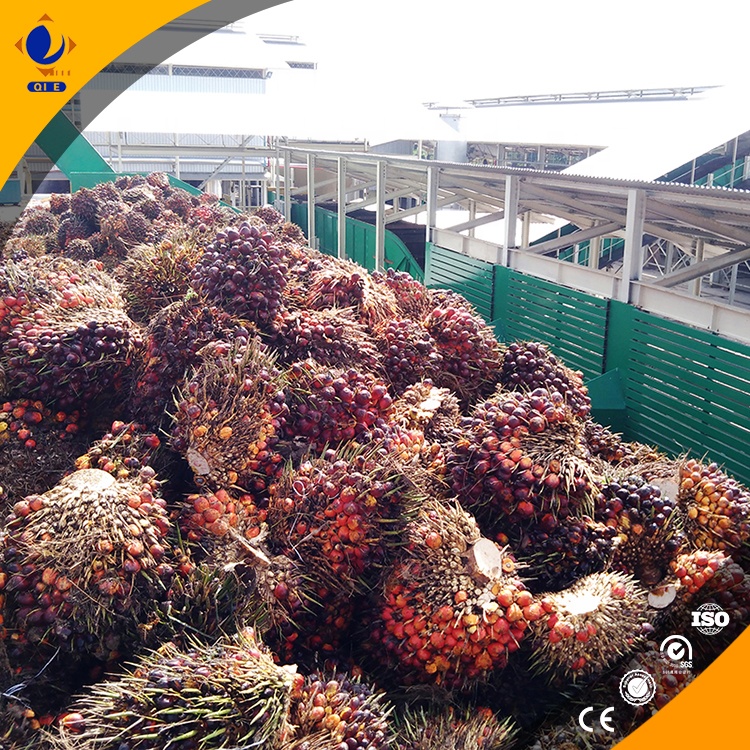 Discover QIE Group One - Stop Solution Now!
 76
|
76
|
 palm oil automation system
PLC control in oil extraction
oil refining process optimization
steam consumption reduction in palm oil
automated palm oil processing
palm oil automation system
PLC control in oil extraction
oil refining process optimization
steam consumption reduction in palm oil
automated palm oil processing
 93
|
peanut oil refining equipment
multifunctional oil processing solutions
stainless steel oil refining technology
93
|
peanut oil refining equipment
multifunctional oil processing solutions
stainless steel oil refining technology
 101
|
seed preprocessing production line
edible oil production efficiency
oilseed processing technology
101
|
seed preprocessing production line
edible oil production efficiency
oilseed processing technology
 296
|
Palm Oil Processing Machine
High-Efficiency Palm Oil Processing Equipment
Automated Palm Oil Production Machinery
Energy-Saving Palm Oil Processing Solutions
Durable Palm Oil Refining Equipment
ISO Certified Palm Oil Processing Machines
Complete Palm Oil Production Systems
Professional Palm Oil Equipment Supplier
Palm Kernel Oil Processing Equipment
Comprehensive Palm Oil Processing Services
296
|
Palm Oil Processing Machine
High-Efficiency Palm Oil Processing Equipment
Automated Palm Oil Production Machinery
Energy-Saving Palm Oil Processing Solutions
Durable Palm Oil Refining Equipment
ISO Certified Palm Oil Processing Machines
Complete Palm Oil Production Systems
Professional Palm Oil Equipment Supplier
Palm Kernel Oil Processing Equipment
Comprehensive Palm Oil Processing Services
 477
|
Small High Yield Palm Kernel Oil Extraction Machine
Palm Oil Processing Machine
High Efficiency Palm Kernel Oil Extraction
Fully Automated Palm Kernel Oil Mill
Palm Kernel Oil Expeller with Backup Power
ISO9001 Certified Palm Kernel Oil Machine
Palm Oil Production Equipment
Palm Kernel Oil Extraction for Small Enterprises
Palm Oil Manufacturing Equipment
Quality Palm Kernel Oil Extraction Systems
477
|
Small High Yield Palm Kernel Oil Extraction Machine
Palm Oil Processing Machine
High Efficiency Palm Kernel Oil Extraction
Fully Automated Palm Kernel Oil Mill
Palm Kernel Oil Expeller with Backup Power
ISO9001 Certified Palm Kernel Oil Machine
Palm Oil Production Equipment
Palm Kernel Oil Extraction for Small Enterprises
Palm Oil Manufacturing Equipment
Quality Palm Kernel Oil Extraction Systems