In today’s competitive palm oil industry, reducing energy consumption while maintaining high oil yield is paramount. Advanced automatic palm fruit oil pressing lines—integrating optimized spiral oil presses and enhanced pretreatment systems—offer a compelling solution for both small and large-scale producers striving for sustainable operations. This analysis dives into key design principles and strategies that unlock energy savings without compromising throughput.
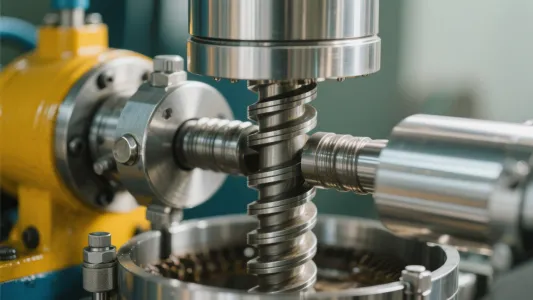
The spiral oil press serves as the heart of energy efficiency. Its low-friction structure reduces mechanical resistance, cutting motor power consumption by up to 15% compared to conventional presses. By optimizing the material compression and flow path within the screw barrel, the system ensures a stable pressure profile that enhances oil yield by approximately 3-5%, directly translating to better raw material utilization.
Moreover, the screw geometry, made from wear-resistant alloys, maintains consistent performance with minimal downtime, further reducing indirect energy costs associated with maintenance and idle time.
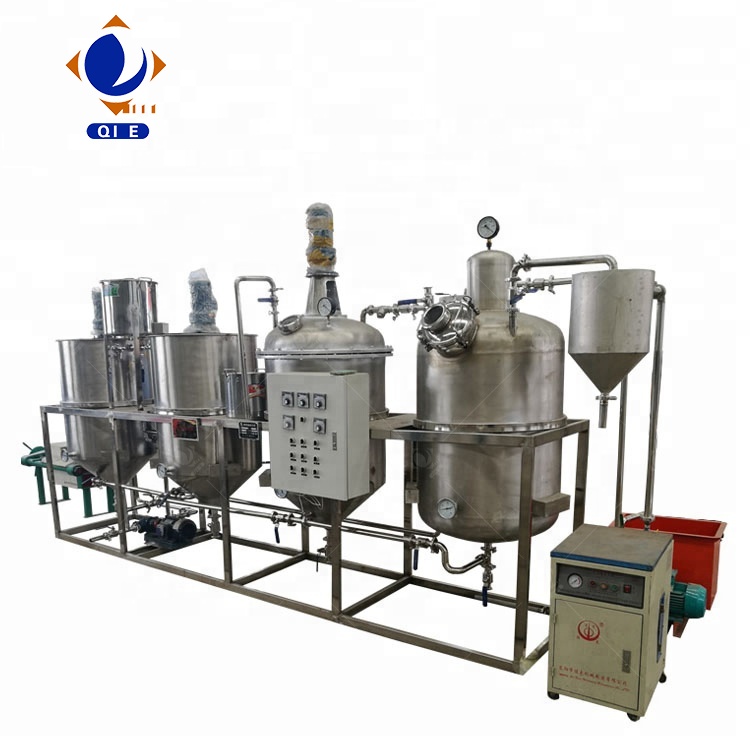
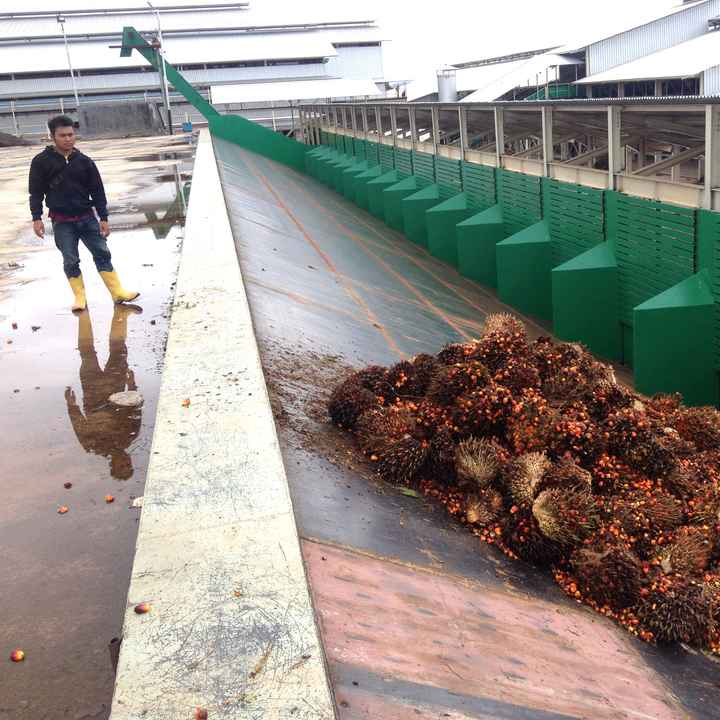
Effective pretreatment—including cleaning, crushing, and steaming—is essential to reduce unnecessary energy consumption during pressing. Advanced cleaning technologies lower impurities, diminishing blockages that cause motor overloading. Meanwhile, finely tuned crushing devices ensure uniform particle sizes, enabling efficient oil release with lower pressing resistance.
Steaming or cooking processes, when integrated with precise time-temperature controls, improve fruit softening while minimizing energy waste. Utilization of programmable logic controllers (PLC) automates these parameters, reducing steam consumption by up to 20% over manual control.
Post-pressing, the oil residue separation stage plays a crucial role in energy conservation. Intelligent control valves and flowmeters maintain optimal separation pressures, decreasing unnecessary mechanical or thermal input during oil and fiber separation. This precision can reduce the energy footprint of secondary processing by approximately 10%–12%, alleviating costs in downstream refining.
| Parameter | Small Plant (10 TPD) | Large Plant (3000 TPD) |
|---|---|---|
| Motor Power (kW) | 15 | 1200 |
| Unit Energy Consumption (kWh/ton) | 20 | 12 |
| Steam Usage (kg/ton) | 350 | 280 |
| Temperature Control Accuracy | ±5°C | ±1°C |
One of the often-overlooked contributors to energy wastage is inefficient material flow. Streamlined layouts reduce frictional losses and pumping requirements. When combined with automated conveyor speed adjustments, the line operates closer to optimal hydraulic and mechanical loads, saving up to 8% in total electric power.
Equally impactful is the integration of heat recovery systems. Utilizing residual steam heat to preheat incoming fruit or maintain cooking temperatures can cut steam consumption substantially—by roughly 15% in practice. These techniques turn otherwise lost energy into operational benefits.
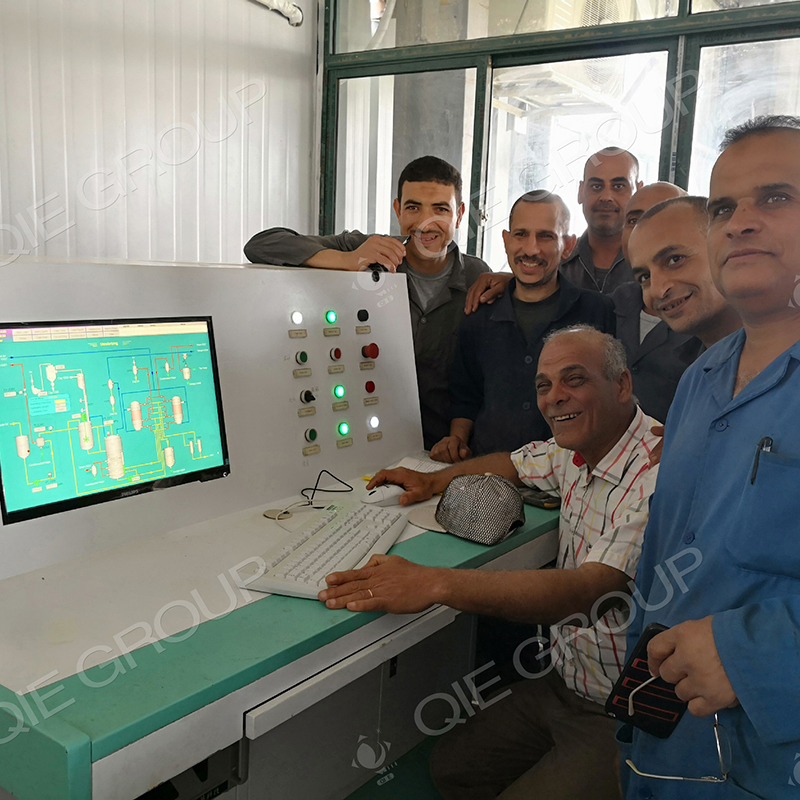
Deploying advanced automation and control systems is a proven catalyst for operational excellence and energy savings. Real-time monitoring of key parameters like motor load, temperature, and steam pressure allows for dynamic adjustment—avoiding overconsumption and preventing downtime-induced inefficiencies.
In trials, plants equipped with integrated PLC control reported a 12% reduction in total energy consumption within six months post-implementation, alongside more consistent product quality.

 85
|
85
|
 small palm oil refining machine
automatic palm oil processing equipment
palm oil quality enhancement
small palm oil refining machine
automatic palm oil processing equipment
palm oil quality enhancement
 309
|
small-scale palm oil production line
palm oil processing equipment
farm oil press machine
food factory oil extraction equipment
customized oil press equipment
309
|
small-scale palm oil production line
palm oil processing equipment
farm oil press machine
food factory oil extraction equipment
customized oil press equipment
 488
|
palm oil pressing equipment maintenance
preventive maintenance for production lines
equipment core component care
water quality management in palm oil processing
seal replacement techniques
488
|
palm oil pressing equipment maintenance
preventive maintenance for production lines
equipment core component care
water quality management in palm oil processing
seal replacement techniques
 67
|
palm oil processing equipment
pressure vessel standard compliance
energy-efficient oil press machine
PLC control system
food-grade processing machinery
67
|
palm oil processing equipment
pressure vessel standard compliance
energy-efficient oil press machine
PLC control system
food-grade processing machinery
 310
|
["small palm oil production line"
"palm oil processing equipment"
"medium-sized oil press machine"
"palm oil production system"
"cold and hot pressing equipment"]
310
|
["small palm oil production line"
"palm oil processing equipment"
"medium-sized oil press machine"
"palm oil production system"
"cold and hot pressing equipment"]