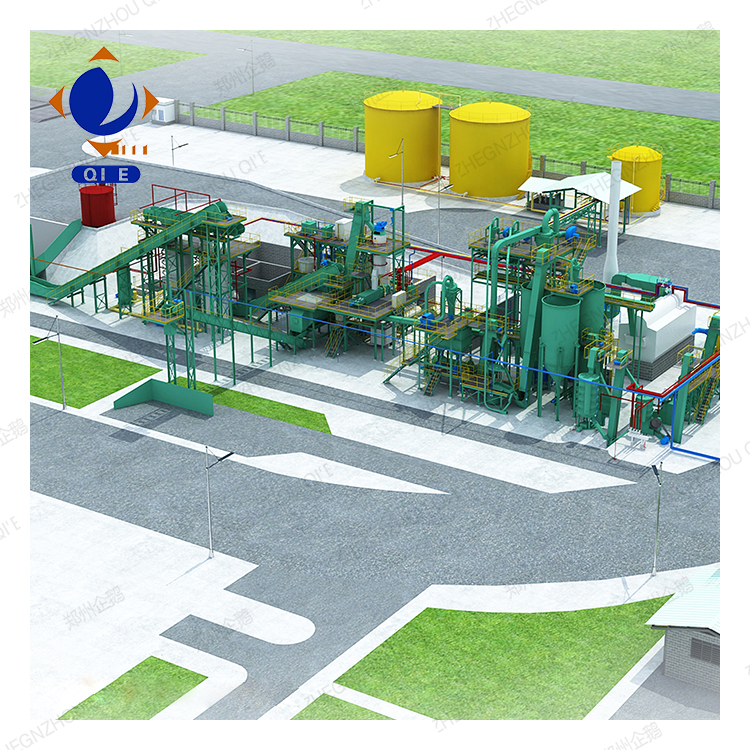
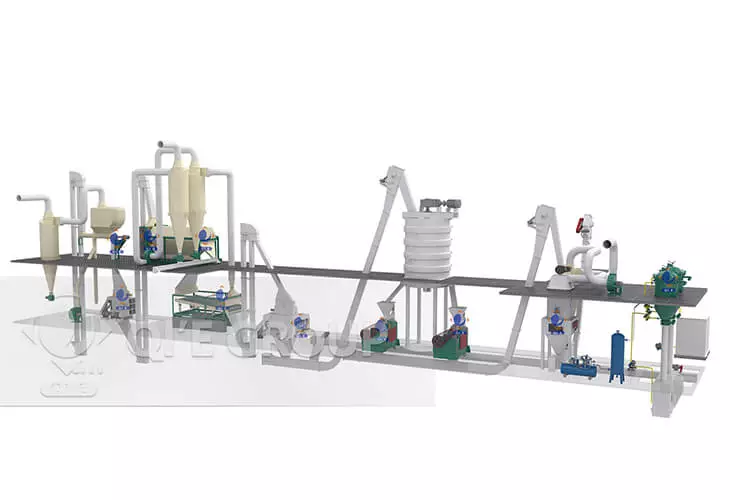
Are you struggling with high energy consumption in your palm fruit oil pressing operations? Energy costs can rapidly erode profit margins, especially in large-scale production. Fortunately, advancements in automatic palm fruit oil production lines—particularly optimized screw press machines and pretreatment systems—offer viable solutions to reduce power and steam consumption without sacrificing output. This article dives deep into how these technologies, coupled with smart automation and heat recovery, can transform your plant's efficiency across capacities from 10 to 3000 tons per day.
The palm fruit oil extraction process is inherently energy-intensive, with screw pressing and pretreatment accounting for a majority of electricity and steam usage. Key pain points include:
Addressing these issues requires an integrated approach targeting each stage.
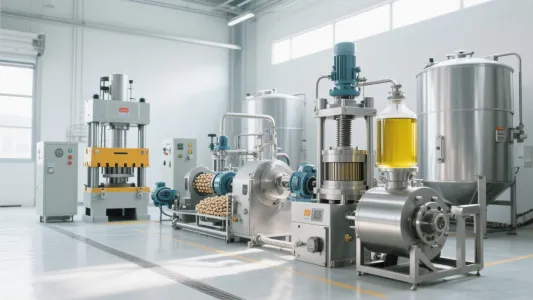
Modern screw presses employ torque-optimized, low-speed high-efficiency compression technology. By carefully balancing screw pitch and diameter, combined with variable frequency drives (VFDs), motors operate within their ideal efficiency range, reducing unnecessary electric load. For instance:
Such engineered presses can slash electric power consumption by up to 15%-25% compared to traditional models.
Efficient pretreatment is crucial to reducing non-productive energy use. Two major advances stand out:
Collectively, these optimizations can curtail steam usage by 20%-30%, especially important for plants operating above 100 tons per day.
Steam represents a significant cost factor in palm oil production. Leveraging waste heat recovery systems allows reuse of excess thermal energy from exhaust gases and hot water streams. Techniques include:
For established mid-to-large scale plants, these measures reduce steam consumption by 15%-35%, yielding substantial operational savings.
Incorporating Programmable Logic Controllers (PLCs) and smart sensors elevates energy efficiency by dynamically regulating:
The outcome is a more consistent process with energy usage automatically tuned to production demands, cutting idle consumption and peak power spikes by 10%-20%.
The effectiveness of energy-saving measures depends heavily on plant capacity:
| Capacity (tons/day) | Motor Power Matching | Automation Complexity | Energy Savings Potential |
|---|---|---|---|
| 10-50 | Standard motors, less optimized | Basic control systems | Up to 10% |
| 100-500 | Optimized motor sizing with VFD | Integrated PLC automation | 15%-25% |
| 1000+ | Custom torque-optimized motors | Advanced AI-assisted control | 30%+ |
A palm oil processing factory with a 300 tons/day capacity undertook an energy-saving retrofit incorporating optimized screw presses, smart moisture control, heat recovery, and PLC systems. The results versus previous operations were:
Such data-driven outcomes make a compelling business case for upgrading your palm oil production.

So, which energy-saving configuration best fits your facility? Small-scale plants might focus on basic motor matching and moisture precision, while large-scale factories gain most from integrated automation and heat recovery networks. Evaluating your plant’s capacity, current energy data, and operational challenges is essential before implementation.
Ready to elevate your palm oil production’s energy efficiency?
Get Your Customized Energy Saving Assessment TodayPartnering with a specialist like the Penguin Group ensures access to advanced engineering, global technical support networks, and tailored solutions matching your unique operational needs. From design and installation to commissioning and long-term maintenance, their turnkey approach guarantees sustained energy savings and compliance with environmental standards.
Harness data, technology, and expert know-how to convert energy challenges into competitive advantages—because efficient palm oil production starts with intelligent design and smart operation.
Explore Penguin Group’s Global Service Network for Energy-Optimized Palm Oil Production
 85
|
85
|
 small palm oil refining machine
automatic palm oil processing equipment
palm oil quality enhancement
small palm oil refining machine
automatic palm oil processing equipment
palm oil quality enhancement
 187
|
palm oil press equipment maintenance
preventive maintenance guide
palm oil production line upkeep
equipment downtime reduction
industrial equipment health management
187
|
palm oil press equipment maintenance
preventive maintenance guide
palm oil production line upkeep
equipment downtime reduction
industrial equipment health management
 475
|
multifunctional peanut oil refining equipment
oil mill revenue growth
industrial refining solutions
475
|
multifunctional peanut oil refining equipment
oil mill revenue growth
industrial refining solutions
 321
|
Eco-Friendly Palm Oil Extraction Equipment
High Efficiency Palm Oil Processing Machine
Sustainable Palm Oil Refining Equipment
304 Stainless Steel Palm Oil Extraction Machine
Automated Palm Oil Processing System
ISO Certified Palm Oil Refining Machine
Customizable Palm Oil Extraction Equipment
Energy-Efficient Palm Oil Processing Solutions
Durable Palm Oil Refining Equipment
QIE Group Oil Refining Machines
321
|
Eco-Friendly Palm Oil Extraction Equipment
High Efficiency Palm Oil Processing Machine
Sustainable Palm Oil Refining Equipment
304 Stainless Steel Palm Oil Extraction Machine
Automated Palm Oil Processing System
ISO Certified Palm Oil Refining Machine
Customizable Palm Oil Extraction Equipment
Energy-Efficient Palm Oil Processing Solutions
Durable Palm Oil Refining Equipment
QIE Group Oil Refining Machines
 141
|
Palm oil equipment energy - saving technology
Low - steam - consumption palm oil production line
High - efficiency oil press design
PLC automation control system
Pressure vessel safety standards
141
|
Palm oil equipment energy - saving technology
Low - steam - consumption palm oil production line
High - efficiency oil press design
PLC automation control system
Pressure vessel safety standards