For agricultural cooperatives and small-scale processing plant managers, optimizing palm fruit processing operations isn't just about increasing production—it's about maximizing efficiency, reducing waste, and ensuring consistent quality. In this comprehensive guide, we'll walk through the standardized processes that have helped facilities across the Philippines, India, and Southeast Asia achieve remarkable results, including up to 12% higher oil yields and 30% lower residual oil content.
Many small to medium processors lose significant revenue through inefficient processing. Studies show that non-standardized operations can result in residual oil content as high as 8-12% in pressed cake, while optimal processing reduces this to 3-5%. For a facility processing 500 tons of fresh fruit bunches daily, this difference translates to approximately 2.5-3.5 tons of lost oil production—representing thousands of dollars in potential revenue.
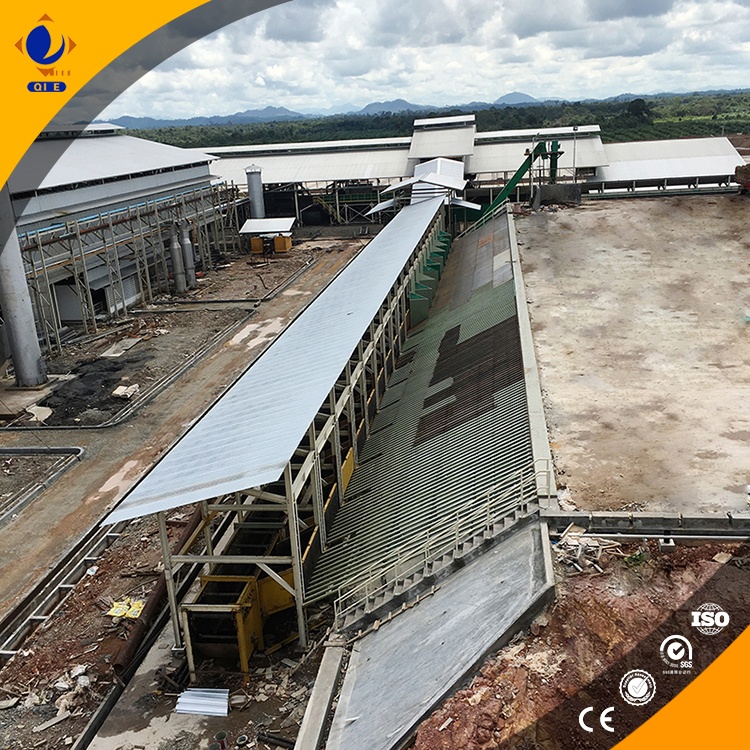
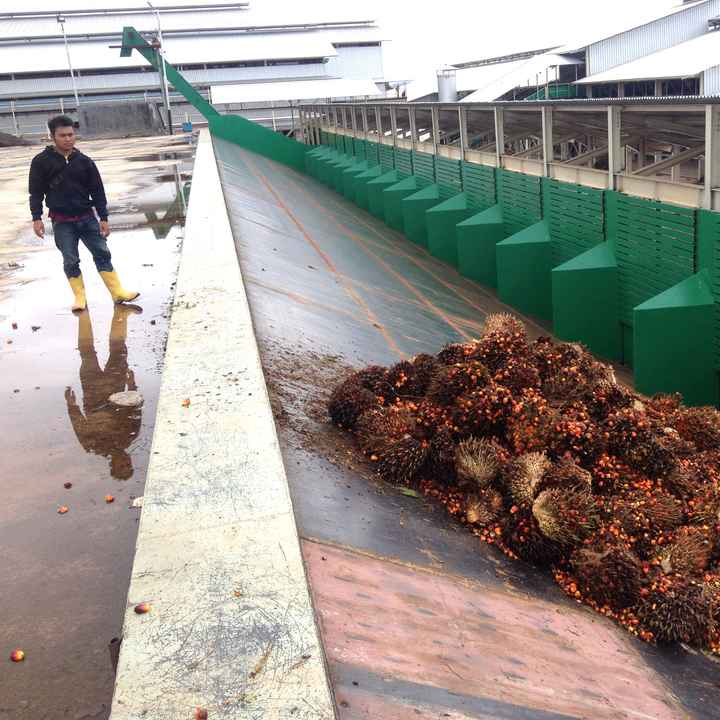
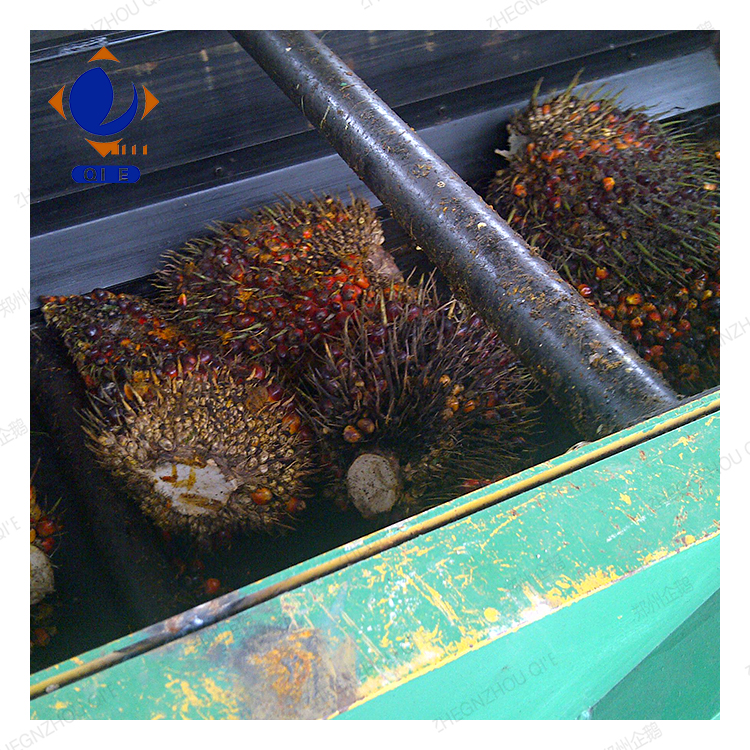
Effective cleaning removes dirt, stones, and loose fruit from the fresh fruit bunches (FFB), preventing contamination and damage to downstream equipment. The optimal cleaning process involves:
Proper cleaning reduces equipment wear by up to 25% and prevents contamination that could affect oil quality.
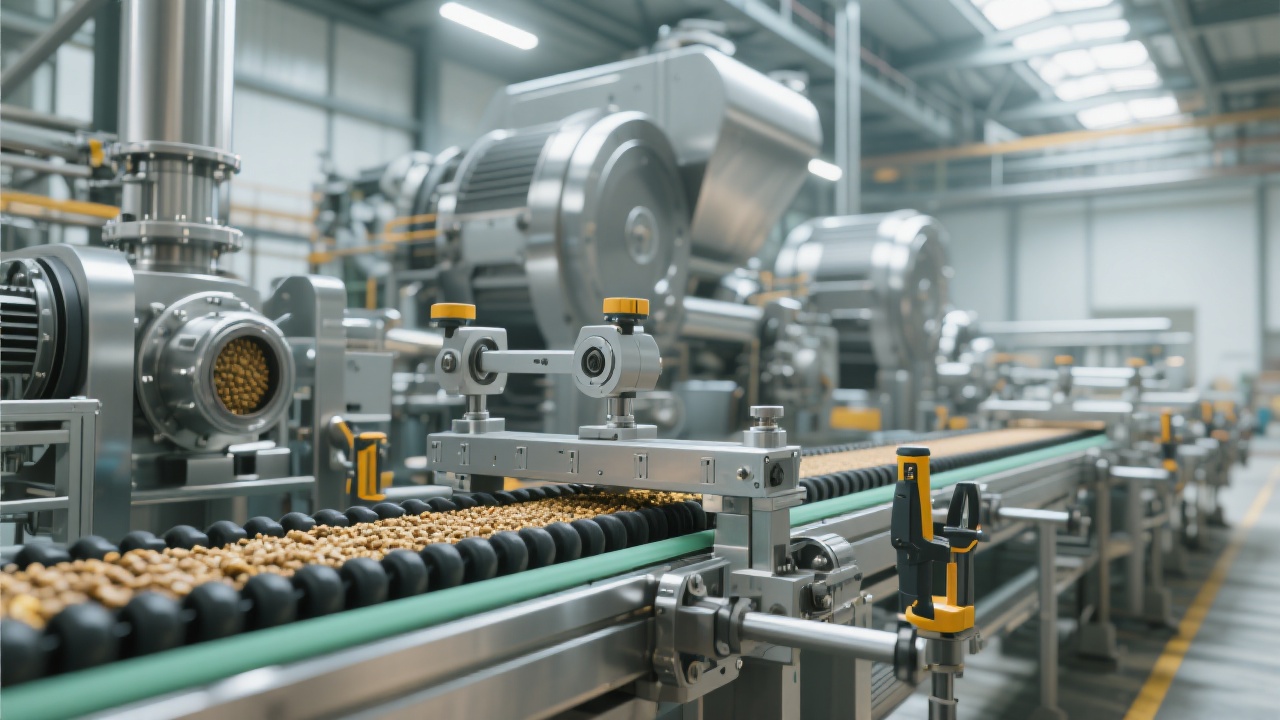
The crushing stage physically breaks the fruit to release the oil-bearing mesocarp. Key parameters for optimal crushing include:
| Parameter | Optimal Setting | Result |
|---|---|---|
| Roller Gap | 3-5mm | Maximizes fruit rupture without seed damage |
| Roller Speed | 150-200 RPM | Ensures complete crushing without overheating |
| Throughput Rate | Based on FFB quality | Prevents overloading and uneven crushing |
Cooking the crushed fruit is perhaps the most critical stage for maximizing oil yield. The goal is to rupture oil cells while preventing oil oxidation. Steam usage control is paramount—excessive steam increases energy costs and causes oil oxidation, while insufficient steam leaves oil trapped in the fruit matrix.
Maintaining precise control over these parameters has been shown to increase oil yield by 8-12%:

The final stage separates the oil from the solid residue through mechanical pressing followed by filtration. Modern screw presses with variable speed control allow for optimal pressure application, reducing residual oil content in the press cake to 3-5% compared to 8-12% with outdated equipment.
Filtration should include multiple stages:
Manual operations introduce variability that directly impacts oil yield and quality. Automated PLC control systems have revolutionized small to medium palm oil processing facilities by providing precise control over all processing parameters.
Benefits of PLC automation include:
A 500-ton/day cooperative in Mindanao implemented standardized processes with 企鹅集团 (QIE Group) equipment, resulting in:
A 200-ton/day facility in Andhra Pradesh upgraded to automated processing, seeing:
Join hundreds of successful processors who have increased profitability through standardized, efficient processing with 企鹅集团 (QIE Group) technology.
Get Your Custom Processing Optimization PlanImplementing these standardized processes requires careful planning and the right equipment, but the returns on investment are clear. By focusing on precise parameter control, efficient steam usage, and automation, processors can significantly提升出油率 (increase oil yield) while reducing waste and operational costs. The key is to approach each stage with clear quality control standards and leverage technology to minimize human error.
Whether you're operating a small cooperative or a medium-scale processing facility, the principles outlined in this guide can help you achieve consistent, efficient production. The most successful processors understand that every stage of palm fruit processing contributes to the final outcome, and attention to detail in each step pays significant dividends in the form of higher yields and better quality oil.

 227
|
227
|
 palm oil refining process
degumming and deacidification technology
process parameter control
quality deviation troubleshooting
automated palm oil refining equipment
palm oil refining process
degumming and deacidification technology
process parameter control
quality deviation troubleshooting
automated palm oil refining equipment
 59
|
customized oilseed production line
oilseed preprocessing equipment
scalable vegetable oil production solutions
59
|
customized oilseed production line
oilseed preprocessing equipment
scalable vegetable oil production solutions
 212
|
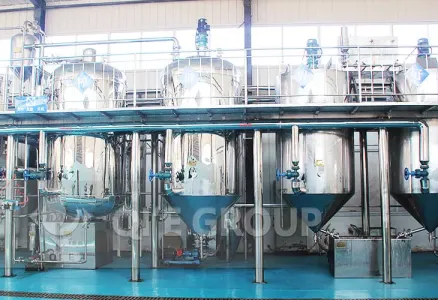
palm oil refining machine
small scale palm oil processing
automated palm oil production
212
|
palm oil refining machine
small scale palm oil processing
automated palm oil production
 101
|
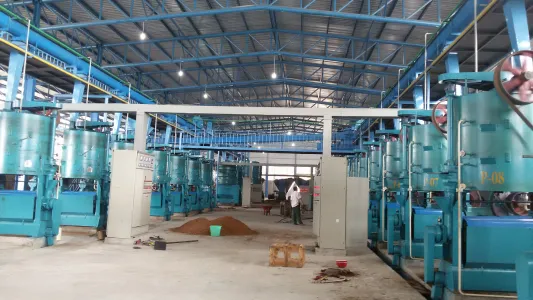
seed preprocessing production line
edible oil production efficiency
oilseed processing technology
101
|
seed preprocessing production line
edible oil production efficiency
oilseed processing technology
 131
|
automatic palm fruit oil press line
palm kernel oil processing machine
high-efficiency palm oil production line
durable palm oil extraction equipment
energy-efficient palm oil machinery
automated palm oil production solution
ISO9001 certified palm oil press
versatile palm oil processing line
stainless steel palm oil extraction machine
131
|
automatic palm fruit oil press line
palm kernel oil processing machine
high-efficiency palm oil production line
durable palm oil extraction equipment
energy-efficient palm oil machinery
automated palm oil production solution
ISO9001 certified palm oil press
versatile palm oil processing line
stainless steel palm oil extraction machine