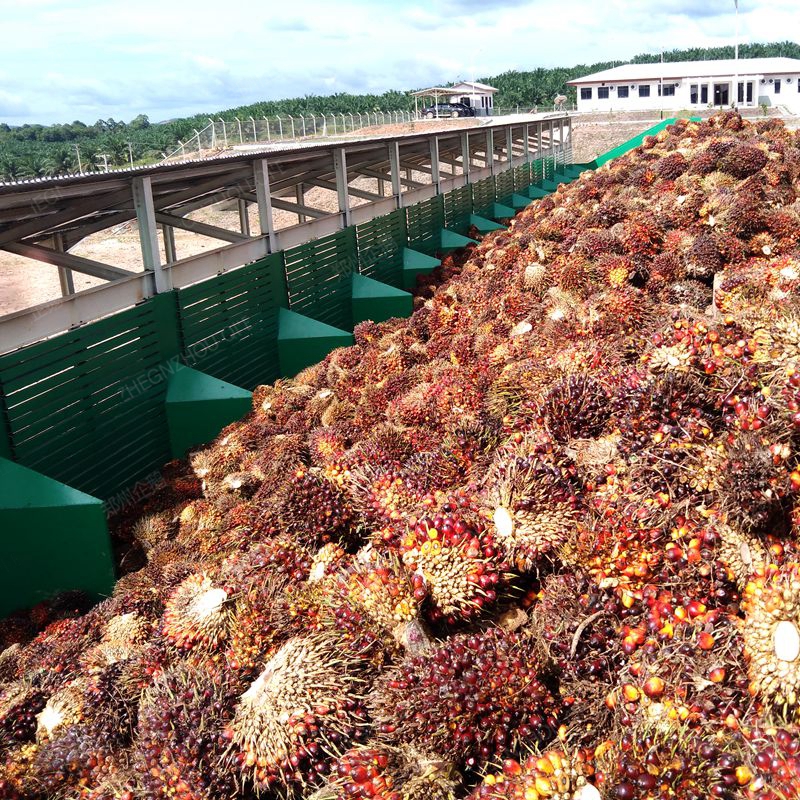
In the realm of palm oil production, the palm fruit pressing process stands as a critical juncture that significantly impacts the quality and efficiency of the final product. This article delves deep into the two key technical routes in palm fruit pressing: cold pressing and hot pressing. By exploring their process principles, equipment configuration differences, energy consumption, and effects on finished product quality, it aims to assist managers and technical personnel in palm oil production enterprises in making scientific selections.
Cold pressing is a process that extracts oil from palm fruits at relatively low temperatures, typically below 60°C. This method preserves more of the natural nutrients and flavors in the palm oil, as the low temperature minimizes the degradation of bioactive components. On the other hand, hot pressing involves heating the palm fruits to higher temperatures, usually between 80 - 100°C. The heat softens the cell walls of the fruits, facilitating the release of oil and increasing the extraction rate.
According to industry experts, cold pressing can retain up to 90% of the natural antioxidants in palm oil, while hot pressing may reduce this percentage to around 70 - 80%. This difference in nutrient retention can have a significant impact on the market value of the final product, especially in the health - conscious consumer market.
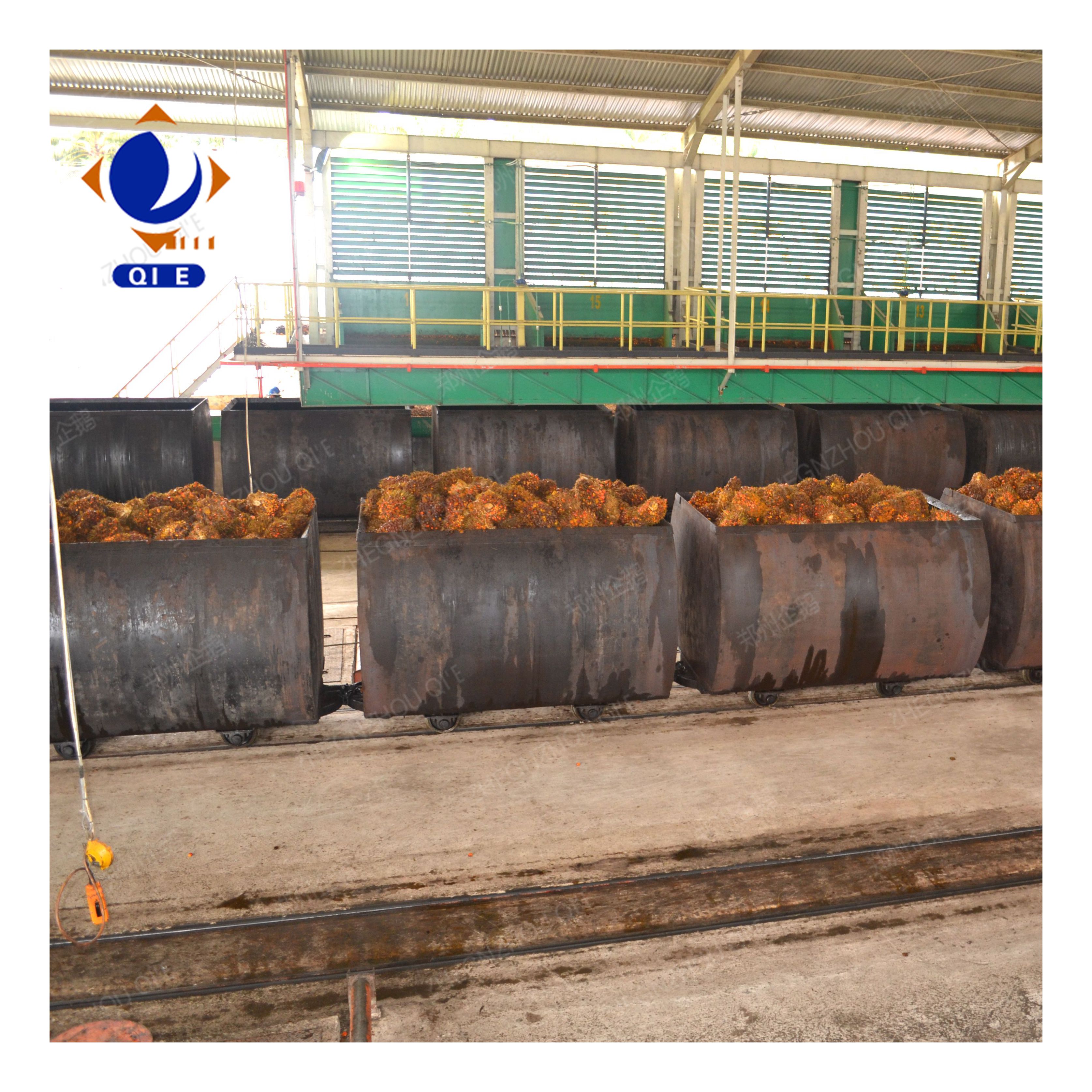
The equipment systems for cold pressing and hot pressing also vary significantly. Cold pressing systems require more precise temperature control equipment to maintain the low - temperature environment. These systems often include advanced cooling devices and insulated tanks. In contrast, hot pressing systems need heating equipment such as steam boilers and heat exchangers to raise the temperature of the palm fruits.
The initial investment for a cold - pressing equipment system is generally higher due to the need for specialized cooling technology. However, hot - pressing systems may incur higher long - term maintenance costs because of the wear and tear on heating elements. A study shows that the initial investment for a cold - pressing system can be 20 - 30% higher than that of a hot - pressing system, but the long - term maintenance cost of a hot - pressing system can be 15 - 20% higher annually.
Energy consumption is a crucial factor in palm oil production. Cold pressing consumes less energy in terms of heating, but the cooling process still requires a certain amount of electricity. Hot pressing, as expected, has higher energy consumption for heating. On average, hot pressing consumes about 30 - 40% more energy than cold pressing per ton of palm fruits processed.
This difference in energy consumption directly affects the production cost. For palm oil production enterprises, choosing the appropriate pressing method based on energy availability and cost can significantly impact their profitability. In regions where electricity is expensive, cold pressing may be a more cost - effective option, despite the higher initial investment.
The quality of the finished palm oil is also influenced by the pressing method. Cold - pressed palm oil has a lighter color, milder flavor, and higher nutritional value, making it more suitable for high - end food products and cosmetic applications. Hot - pressed palm oil, with its higher extraction rate, is often used in industrial applications such as biofuel production.
In terms of market demand, the demand for cold - pressed palm oil has been increasing in recent years, especially in developed countries. This trend is driven by consumers' growing awareness of health and environmental protection. Palm oil production enterprises need to consider the market demand and adjust their production processes accordingly to enhance their product competitiveness.
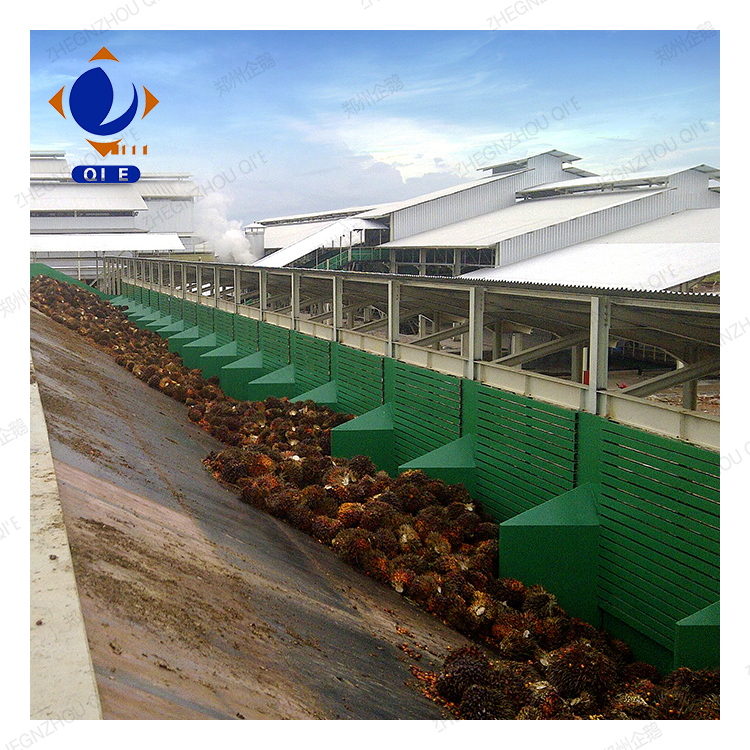
In Southeast Asia, where the climate is hot and humid, the moisture content of palm fruits is relatively high. Hot pressing may be more suitable in this region as it can effectively remove the excess moisture and increase the oil extraction rate. In Africa, where the climate is drier and the palm fruits have a lower moisture content, cold pressing may be a better choice to preserve the natural nutrients in the palm oil.
These regional case studies highlight the importance of considering the local climate and raw material characteristics when selecting the palm fruit pressing method. By adapting to the local conditions, palm oil production enterprises can optimize their production processes and improve their product quality.
In conclusion, the choice between cold pressing and hot pressing in palm fruit processing is a complex decision that requires careful consideration of multiple factors, including process principles, equipment systems, energy consumption, and finished product quality. By understanding the differences between these two methods and considering regional characteristics, palm oil production enterprises can make more informed decisions.
If you are a manager, process engineer, or procurement decision - maker in the palm oil production industry, and you want to learn more about the latest palm fruit pressing technologies and make a scientific choice for your enterprise, we invite you to download our exclusive whitepaper or schedule a technical consultation with our experts. Let us help you enhance your production efficiency and product competitiveness.