https://shmuker.oss-cn-hangzhou.aliyuncs.com/data/oss/65b068c3c2e9735675cac322/65b46cb67cfeb5177346777c/20240426173741/未标题-1_画板%201.png

Impact of Inadequate Palm Fruit Pretreatment on Oil Yield: Practical Optimization and Parameter Adjustment Guide
2026-02-25
QI ' E Group
Tutorial Guide
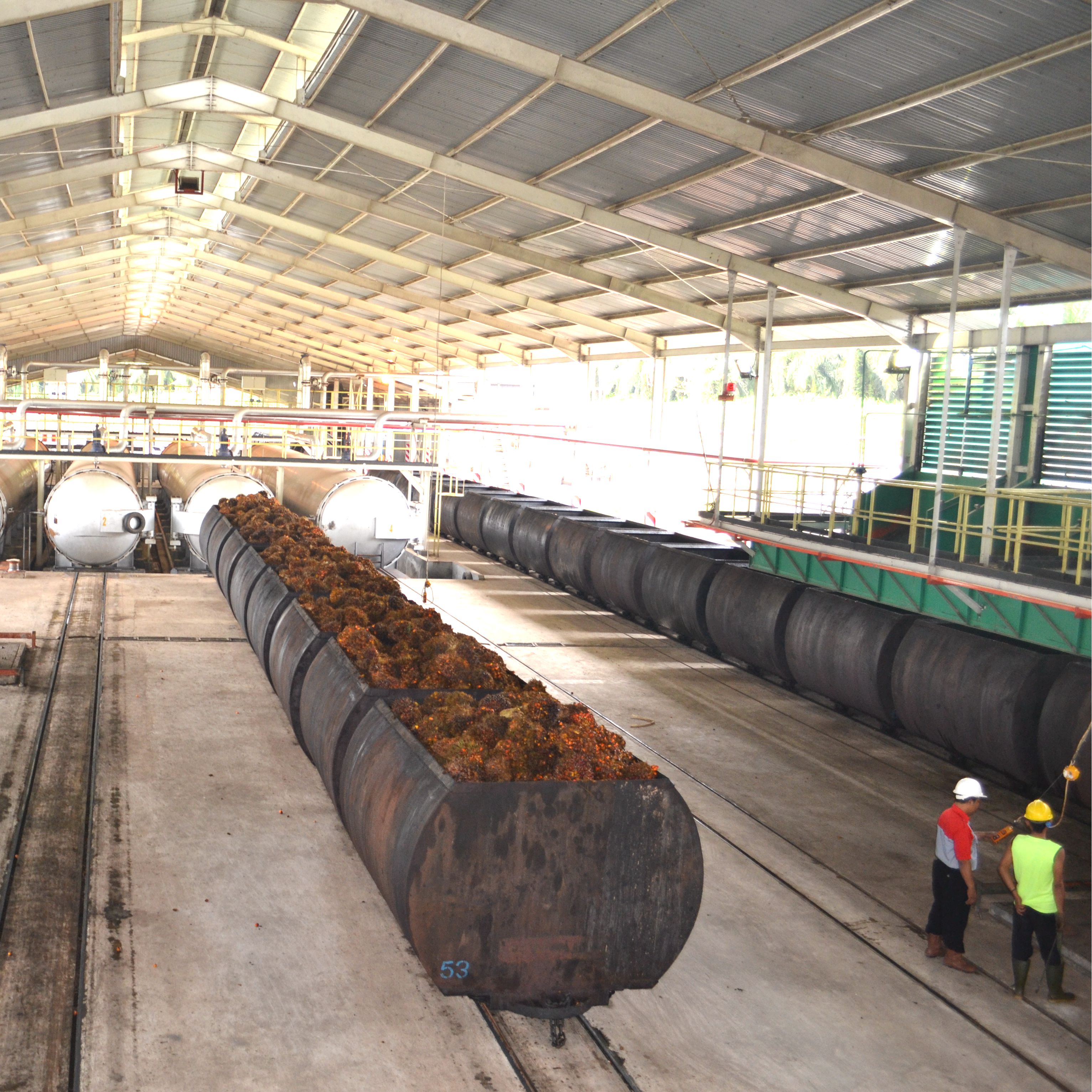
This article presents an in-depth analysis of how insufficient pretreatment of palm fruit adversely affects oil yield, focusing on critical process stages such as cleaning, crushing, and steaming. It offers actionable guidelines for adjusting key extraction parameters including solvent ratio, leaching time, and temperature, supported by real-world case studies. The discussion highlights the advantages of 304 stainless steel equipment to ensure corrosion resistance and food safety, promoting long-term stable operation. By addressing common challenges like filter cloth blockage and solvent residues through systematic process optimization, the article aims to help palm oil producers enhance oil recovery efficiency and improve economic returns.
https://shmuker.oss-accelerate.aliyuncs.com/data/oss/common/20240703103951/20240703/7bddf9e27eee6b3ff9bebef5b5c52675.jpg

How Insufficient Preprocessing of Palm Fruits Impacts Oil Yield: Practical Optimization & Parameter Adjustment Guide

In the palm oil industry, achieving optimum oil yield hinges significantly on the preprocessing stage of palm fruits. Insufficient preprocessing not only compromises the extraction efficiency but also deteriorates the oil quality and increases operational challenges. This tutorial dives deep into how suboptimal preprocessing steps—cleaning, crushing, steaming, and frying—affect the overall palm oil yield. It further offers practical, data-driven process optimization guidelines focused on solvent ratios, extraction time, and temperature control, applicable to real-world industrial settings.

1. Critical Preprocessing Procedures and Their Impact

Palm fruit preprocessing entails:

  • Cleaning: Removal of contaminants such as dirt, stones, and leaves.
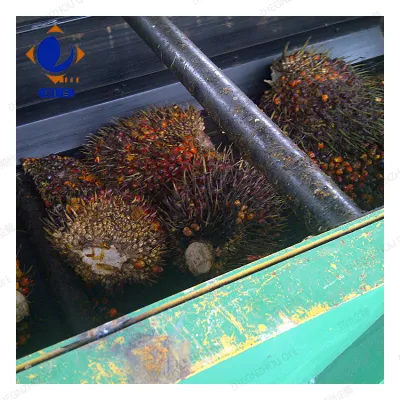
  • Crushing: Breaking down the fruit to disrupt mesocarp cells, improving oil release.
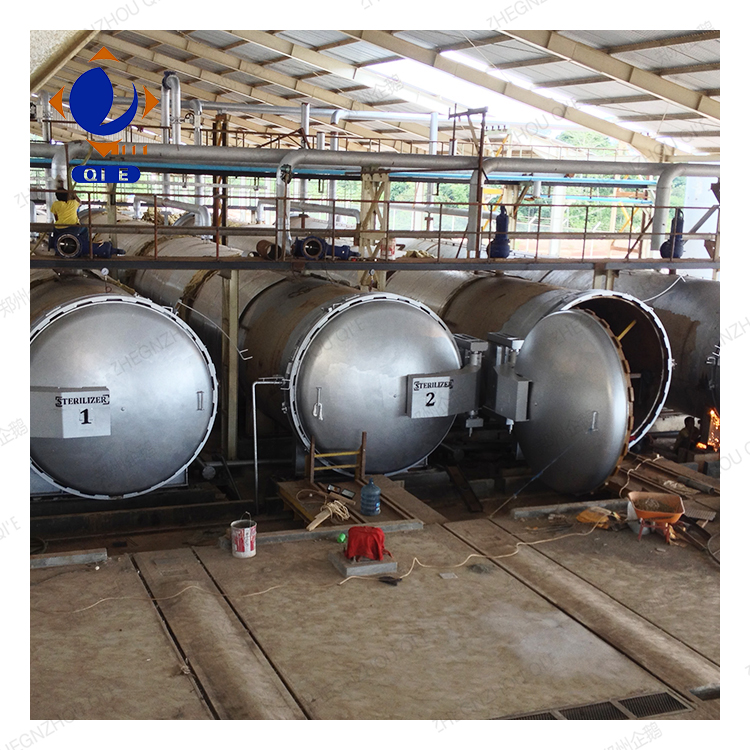
  • Steaming & Frying: Heat treatment to deactivate enzymes, soften fibers, and enhance oil release.

Failure in any step results in the following challenges:

  • Lower oil extraction efficiency: For example, insufficient crushing reduces cell rupture, decreasing oil liberation by up to 15% based on industrial tests.
  • Increased moisture content: Poor steaming may cause incomplete enzyme deactivation, encouraging hydrolytic rancidity.
  • Higher impurities in the extract: Insufficient cleaning leads to filter cloth clogging and accelerated equipment wear.

2. Detailed Parameter Controls in Palm Fruit Preprocessing

Process Step Critical Parameter Optimal Range Expected Impact
Cleaning Removal of foreign matter ≥ 98% cleanliness rate Prevents equipment clogging and contamination
Crushing Particle size distribution 2-5 mm average particle size Maximizes mesocarp rupture; improves oil release by ~10-15%
Steaming/Frying Temperature & duration 140°C – 150°C for 45-60 mins Deactivates lipase enzymes, reduces free fatty acids

3. Immersive Optimization in the Solvent Extraction Process

Beyond preprocessing, the solvent extraction process significantly dictates the oil yield percentage. Key parameters include:

  • Solvent-to-material ratio: Typically 2.5 to 3.5 (volume to weight). Exceeding this ratio increases solvent usage without proportional yield gains, raising operational costs.
  • Extraction time: Optimal times range between 2 to 3 hours for maximum oil recovery without excessive solvent residue.
  • Extraction temperature: Usually maintained at 50–60°C to promote oil solubility while preserving oil quality.

Practical adjustments recommend starting at a solvent ratio of 3:1, extraction time of 2.5 hours, and temperature controlled at 55°C, with iterative testing to find plant-specific sweet spots.

4. Tackling Common Production Issues: Filter Cloth Clogging & Solvent Residue

Filter cloth clogging ranks as a persistent bottleneck in palm oil processing:

  • Causes include excessive fiber content from poor crushing, and particulate impurities from inadequate cleaning.
  • Solutions: Optimizing preprocessing particle size and adopting staged filtration systems.

Solvent residue in end-product oil threatens food safety and regulatory compliance:

  • Frequently arises from insufficient solvent recovery or inappropriate extraction parameters.
  • Solutions: Implement closed-loop solvent recovery units, regularly maintain evaporators, and strictly monitor extraction temperatures.

5. Leveraging 304 Stainless Steel for Superior Production Line Performance

Employing 304 stainless steel in construction of palm oil processing equipment offers:

  • Corrosion resistance: Averted deterioration caused by acids and solvents, reducing downtime by 25% on average.
  • Food safety compliance: Non-reactive surface ensures no contamination, aligning with FDA and EU standards.
  • Durability & cleanability: Supporting long-term stable operations and efficient sanitation cycles, thereby enhancing yield consistency.

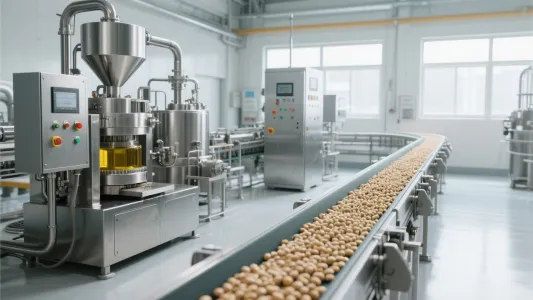
Case Study: A Malaysian palm oil mill upgraded to a fully automated 304 stainless steel solvent extraction line reduced filter cloth clogging incidents by 40% and increased oil extraction efficiency by 12% within the first six months.

6. Integrating Automation for Consistent Process Control

Incorporating automated controls in process parameters (crushing force, steaming temperature, solvent flow rate) provides:

  • Real-time monitoring to promptly detect deviations.
  • Data logging enabling trend analysis for continuous improvement.
  • Reduced human error leading to stable product quality and improved throughput.

7. Stepwise Workflow Optimization & Troubleshooting Guide

Flowchart Overview:
  1. Initial cleaning: Verify ≥ 98% removal of contaminants.
  2. Crushing: Adjust to target particle size of 2-5 mm.
  3. Steaming: Maintain 145°C for approximately 50 minutes.
  4. Solvent extraction: Set ratio 3:1, temperature 55°C, and time 2.5 hours.
  5. Filtration: Monitor filter cloth pressure; schedule cleaning to prevent clogging.
  6. Solvent recovery: Ensure evaporator efficiency above 95%.

Operational teams should regularly review:

  • Filter cloth status: Replace every 3 months or as indicated by pressure sensors.
  • Solvent concentration: Maintain with frequent sampling and lab testing.
  • Equipment condition: Leverage inspection checklists emphasizing stainless steel surfaces to prevent corrosion.

Boost Your Palm Oil Production Efficiency Today

Discover cutting-edge 304 stainless steel palm oil processing lines engineered for maximal oil yield and unmatched durability.
Explore Premium Stainless Steel Palm Oil Equipment Now
Recommended Products
Related Reading
https://shmuker.oss-accelerate.aliyuncs.com/data/oss/common/20240703104112/20240703/4b8b075dd42209edd636137167f90050.jpg
2025-09-20 | https://shmuker.oss-accelerate.aliyuncs.com/tmp/temporary/60ec5bd7f8d5a86c84ef79f2/60ec5bdcf8d5a86c84ef7a9a/20240305161110/eye.png 233 | https://shmuker.oss-accelerate.aliyuncs.com/tmp/temporary/60ec5bd7f8d5a86c84ef79f2/60ec5bdcf8d5a86c84ef7a9a/20240305160636/lable.png Nigeria palm oil equipment selection High - efficiency automated palm oil processing Pressure vessel safety standards Palm oil production process Equipment technical maintenance services

img
2026-01-23 | https://shmuker.oss-accelerate.aliyuncs.com/tmp/temporary/60ec5bd7f8d5a86c84ef79f2/60ec5bdcf8d5a86c84ef7a9a/20240305161110/eye.png 331 | https://shmuker.oss-accelerate.aliyuncs.com/tmp/temporary/60ec5bd7f8d5a86c84ef79f2/60ec5bdcf8d5a86c84ef7a9a/20240305160636/lable.png automated palm oil press small to medium palm oil factory equipment palm oil equipment selection guide palm oil press installation palm oil production automation
https://shmuker.oss-accelerate.aliyuncs.com/data/oss/common/20240703103951/20240703/bf84219665788d8b693c903c3d5489e7.jpg
2025-12-19 | https://shmuker.oss-accelerate.aliyuncs.com/tmp/temporary/60ec5bd7f8d5a86c84ef79f2/60ec5bdcf8d5a86c84ef7a9a/20240305161110/eye.png 157 | https://shmuker.oss-accelerate.aliyuncs.com/tmp/temporary/60ec5bd7f8d5a86c84ef79f2/60ec5bdcf8d5a86c84ef7a9a/20240305160636/lable.png palm fruit oil production energy saving screw press energy optimization palm oil pretreatment system heat recovery in oil milling automated energy management
img
2025-04-15 | https://shmuker.oss-accelerate.aliyuncs.com/tmp/temporary/60ec5bd7f8d5a86c84ef79f2/60ec5bdcf8d5a86c84ef7a9a/20240305161110/eye.png 213 | https://shmuker.oss-accelerate.aliyuncs.com/tmp/temporary/60ec5bd7f8d5a86c84ef79f2/60ec5bdcf8d5a86c84ef7a9a/20240305160636/lable.png small palm oil refining machine palm oil quality enhancement production efficiency palm oil equipment
https://shmuker.oss-accelerate.aliyuncs.com/data/oss/20250708/b02f9f6cfa8afb235767f8d665a4606c/e1302102-c845-4624-9d40-1bc07852eecd.jpeg
2025-11-24 | https://shmuker.oss-accelerate.aliyuncs.com/tmp/temporary/60ec5bd7f8d5a86c84ef79f2/60ec5bdcf8d5a86c84ef7a9a/20240305161110/eye.png 171 | https://shmuker.oss-accelerate.aliyuncs.com/tmp/temporary/60ec5bd7f8d5a86c84ef79f2/60ec5bdcf8d5a86c84ef7a9a/20240305160636/lable.png Palm oil pressing equipment maintenance Core component lubrication technology Equipment maintenance cycle Press machine fault troubleshooting Oil production line maintenance
Hot Products
Popular articles
Recommended Reading
Contact us
Contact us
https://shmuker.oss-cn-hangzhou.aliyuncs.com/tmp/temporary/60ec5bd7f8d5a86c84ef79f2/60ec5bdcf8d5a86c84ef7a9a/thumb-prev.png