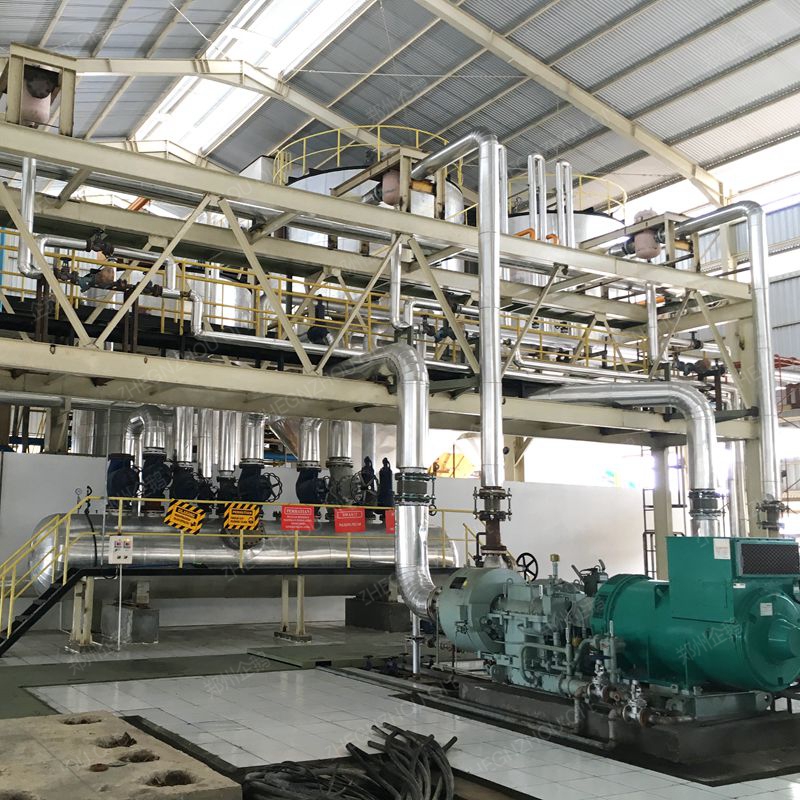
Palm Fruit Pretreatment SOP: Steam Control ≤280 kg/t to Improve Crude Palm Oil Quality
2026-03-04
Tutorial Guide
This guide standardizes the full palm fruit pretreatment workflow from harvesting to pre-press preparation, focusing on operational controls that directly affect crude palm oil (CPO) quality and extraction efficiency. It details practical requirements for washing, crushing, sterilization/steam cooking, and filtration, with special emphasis on limiting steam consumption to ≤280 kg per ton to reduce oxidation risk, stabilize processing conditions, and improve oil yield. Real-world implementations in the Philippines and India highlight how PLC-based automation minimizes operator variability, strengthens batch-to-batch consistency, and supports greener, more efficient production for cooperatives and small-to-medium mills. The guide also outlines key checkpoints, monitoring indicators, and risk-mitigation actions that can be applied immediately, while demonstrating the performance and reliability advantages of the QIE Group palm oil processing line for export-oriented quality control.

Palm Fruit Pre-Treatment SOP (Harvest-to-Press): The Practical Standard That Protects Export-Grade Palm Oil
In export markets, palm oil quality is often decided before pressing—inside the pre-treatment room, where a few “small” deviations (dirty fruit, uneven crushing, over-steaming) quietly turn into higher FFA, darker color, burnt notes, and inconsistent yield. This guide presents a field-tested, step-by-step Standard Operating Procedure (SOP) for palm fruit pre-treatment—cleaning, crushing, steaming, and filtration—built for agricultural cooperatives and small-to-medium mills that need repeatability, measurable controls, and fewer operator-dependent outcomes.
Who it’s for
Co-op managers, mill supervisors, process technicians, and export-quality teams in emerging palm regions.
Core KPI
Steam consumption for pre-treatment: ≤ 280 kg/ton FFB to reduce oxidation risk and stabilize yield.
Why it matters
Standardized pre-treatment can improve oil recovery by 0.8–1.8% while lowering rework and quality claims.
Process Boundary & Acceptance Criteria (Fast Read)
This SOP covers the pre-treatment chain from fruit reception to pressing feed. The controls below are designed to protect oxidation-sensitive fractions and reduce contamination, while keeping throughput stable for small mills.
| Step |
Target Control |
Typical Setpoint (Reference) |
Why it Protects Export Quality |
| Reception & sorting |
Harvest-to-process time, ripeness, damage rate |
Process within 24 hours; damaged fruit < 5% |
Reduces FFA rise and microbial load before heat treatment |
| Washing |
Mud/sand removal efficiency, water quality |
Turbidity control, recirculation with filtration |
Prevents abrasive wear and reduces insolubles in crude oil |
| Crushing / digestion |
Uniform mash, residence time |
Stable feed rate; avoid over-shearing |
Improves oil release without excessive emulsification |
| Steam cooking |
Steam per ton FFB, temperature/time profile |
≤ 280 kg/t; typical cook 90–105°C |
Limits oxidation risk and avoids “overcooked” oil notes |
| Screening / filtration |
Mesh integrity, pressure differential, solids carryover |
Routine DP checks; scheduled screen cleaning |
Controls insolubles and protects downstream press stability |
Reference note: numbers vary by fruit variety, moisture, and mill layout. The point of the SOP is not “one perfect setting,” but repeatable control windows that keep quality predictable batch after batch.
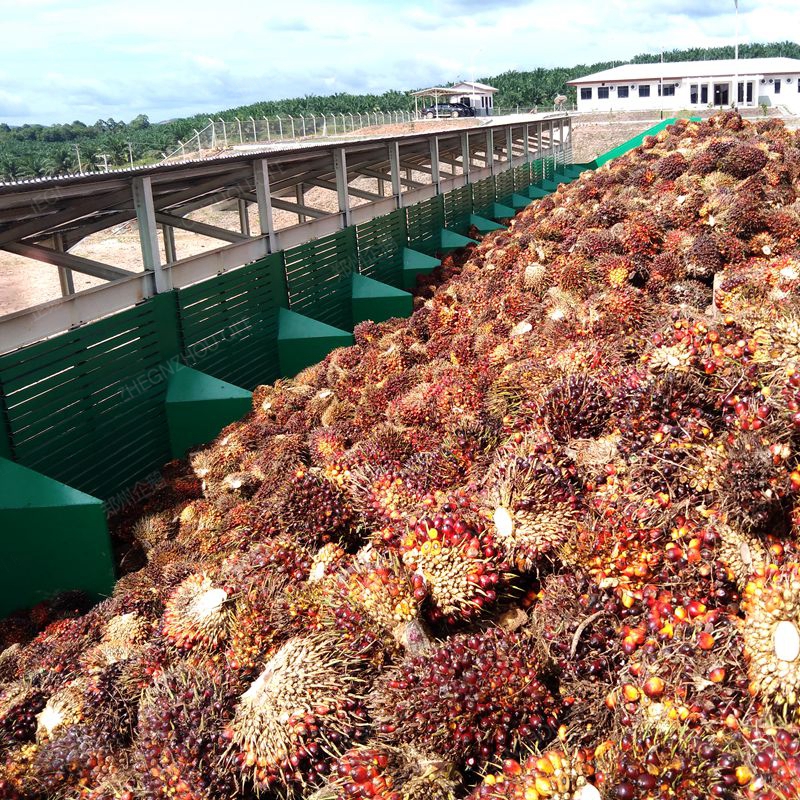
SOP Step 1 — Reception, Sorting & Time-to-Heat Discipline
Export-grade palm oil begins with disciplined intake. The most common “hidden cost” in small mills is inconsistent delivery timing. When fruit sits too long, enzymatic activity increases FFA and creates variability that no downstream filtration can fully correct.
Operational checklist
- Record harvest-to-reception time per supplier lot; flag lots over 24 hours for priority processing.
- Sort out visibly moldy bunches, excessive bruising, and foreign matter (stones, metal, plastics).
- Weigh and code lots to enable traceability (co-op level) and batch QA correlation.
- Moisture & ripeness consistency: avoid mixing extreme ripeness levels in one batch where possible.
Risk to watch
If “waiting fruit” becomes normal (especially in peak season), mills often see more variable crude oil color and higher neutral oil loss later—because operators compensate by over-steaming or over-digesting.
SOP Step 2 — Washing: Remove Abrasives Without Spreading Contamination
Washing is not simply “making fruit look clean.” It is a controlled reduction of sand, soil, and debris that otherwise become abrasive wear (higher maintenance) and insolubles (lower crude oil clarity). The practical aim is to clean efficiently while keeping water management stable.
Practical controls that work in small mills
- Two-stage wash logic: pre-rinse (heavy solids) + final rinse (fine solids) to prevent re-deposition.
- Recirculation with filtration: a simple screen + settling tank typically cuts fresh water demand by 20–40%.
- Inspect spray nozzles daily; uneven spray patterns often create “dirty pockets” that show up later as high insolubles.
- Drain discipline: define a turbidity/solids trigger for partial water replacement to avoid “washing with mud.”
Field note (export compliance mindset)
Buyers may not audit your wash water, but they will audit consistency—especially when crude oil is later refined. Cleanliness stability reduces batch-to-batch surprises in filtration load and downstream press behavior.
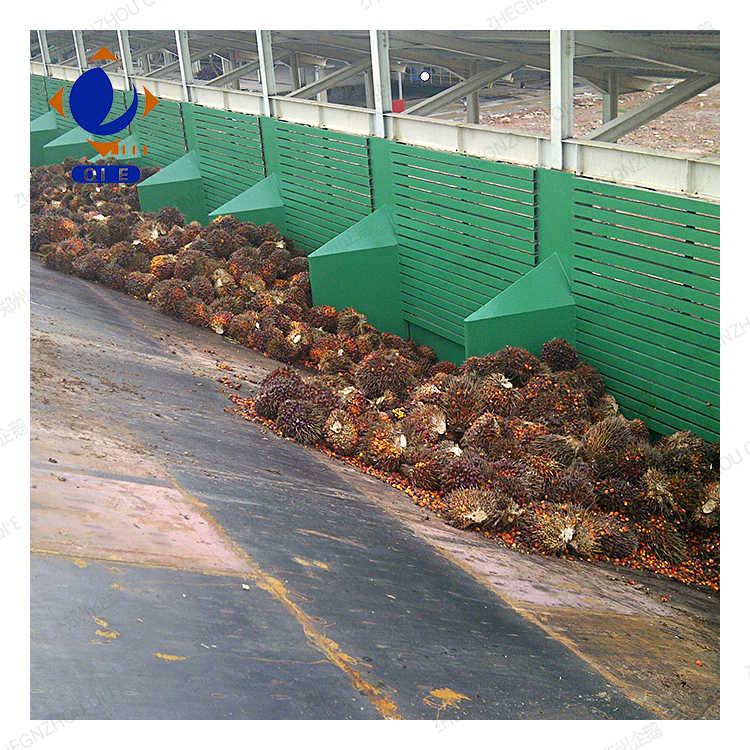
SOP Step 3 — Crushing/Digestion: Uniform Mash, Not Maximum Shear
Crushing and digestion are where many small plants unintentionally create losses: over-shearing increases emulsification, makes separation harder, and can raise residual oil in fiber. The goal is uniform cell rupture and even heating—without turning the mash into a stable emulsion.
Standard operating window (reference)
| Parameter |
Recommended Practice |
Common Deviation |
Impact |
| Feed rate |
Keep steady; buffer with surge bin if needed |
Stop-go feeding |
Temperature swings, uneven mash, unstable press load |
| Digestion intensity |
Enough to release oil; avoid “pasting” |
Over-shearing |
Higher emulsions, more losses in fiber and sludge |
| Residence time |
Keep consistent per batch; log deviations |
“As long as possible” |
Heat damage risk and throughput bottlenecks |
Mills that standardize digestion often see a measurable drop in press instability and a cleaner separation curve—meaning fewer operator interventions and a more predictable day-to-day oil output.
SOP Step 4 — Steam Cooking: The ≤280 kg/t Rule That Prevents Quality Drift
Steam cooking is where many plants lose control—not because they lack steam, but because they use it like a “fix” for upstream inconsistency. Over-steaming can increase oxidation risk, push undesirable flavor notes, and waste energy. Under-steaming causes incomplete oil release and higher residual oil.
Primary control
Steam consumption: keep at ≤ 280 kg per ton FFB for pre-treatment cooking.
Thermal window
Typical cooking temperature: 90–105°C (process-dependent), with stable hold time.
What to log
Batch start/stop, peak temperature, hold time, steam mass/ton, and discharge condition.
Why the steam cap matters (plain language)
Once steam becomes “unlimited,” operators tend to compensate for poor sorting, uneven crushing, or stop-go feeding by extending cook time or increasing steam flow. The result is quality drift: darker oil, faster oxidation behavior, and less predictable refining results. A steam cap forces the process to improve upstream—exactly where the root causes live.
Key control points (KCPs) for steam cooking
- Steam mass balance: verify flowmeter calibration monthly; daily compare expected vs. actual consumption.
- Condensate management: poor draining reduces heating efficiency and pushes operators to over-steam.
- Uniform heating: watch for cold spots (uneven discharge texture) indicating distribution issues.
- Alarm thresholds: set PLC alarms for over-limit steam per ton and abnormal temperature rise time.
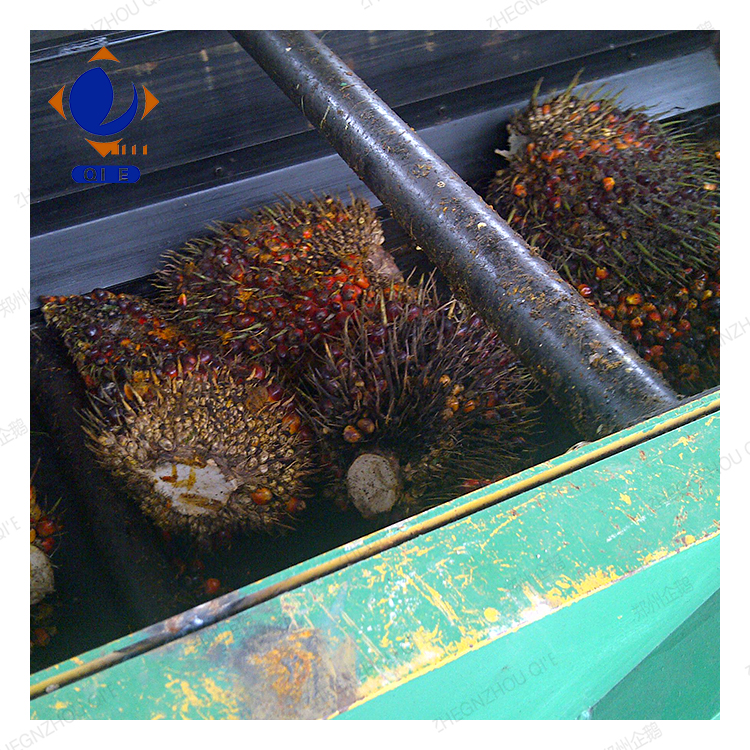
SOP Step 5 — Screening/Filtration: Keep Insolubles Out, Keep Pressing Stable
Filtration is the final gate before pressing. When screens are clogged, torn, or inconsistently maintained, solids pass through, separation becomes harder, and press load fluctuates. Small mills often feel this as “unexplained” downtime—when the root cause is simply uncontrolled screening conditions.
Daily routine that prevents recurring losses
- Check mesh integrity at shift start and after any abnormal pressure behavior.
- Track pressure differential (DP) across screens; rising DP is an early clogging indicator.
- Standardize cleaning intervals (time-based + DP-triggered), instead of “when it looks bad.”
- Keep spares ready: screens, gaskets, and seals—filtration delays cascade into cooking and pressing bottlenecks.
Export-minded metric
A stable filtration routine helps keep insolubles predictable. Many small plants report fewer “mystery” quality complaints and steadier refining behavior once screening is treated as a controlled step rather than housekeeping.
Traditional vs Standardized: What Changes in Yield, Energy, and Consistency
In practice, the “best” SOP is the one operators can follow every shift. The comparison below reflects typical results reported by small-to-medium operations after implementing standardized control windows and basic automation checkpoints.
| Indicator |
Traditional (Operator-dependent) |
Standardized SOP + Controls |
Typical Improvement |
| Oil recovery (OER) |
Variable day-to-day |
Stable control windows |
+0.8% to +1.8% |
| Residual oil in fiber |
Often elevated in peak season |
Reduced with uniform digestion & cook |
-0.3% to -0.7% |
| Steam per ton (pre-treatment) |
Uncapped; “more to be safe” |
Capped & monitored |
10–20% lower energy waste |
| Unplanned downtime |
Frequent micro-stoppages |
Root-cause alerts & stable feeding |
15–30% reduction |
| Batch consistency |
Depends on “best operator” |
Repeatable by procedure |
Clear improvement in export readiness |
Case Evidence: Philippines & India — Where PLC Control Reduced Human Error
Application Snapshot — Philippines (Co-op scale modernization)
A cooperative-operated line struggled with inconsistent steaming and frequent “overcooking” during peak arrivals. After implementing PLC-based batch logging and steam-per-ton alarms, the plant maintained the ≤280 kg/t discipline more reliably, reducing shift-to-shift variation. Operators reported fewer manual adjustments and more predictable press loading, helping the mill ship more consistent lots for export-oriented buyers.
Application Snapshot — India (Small mill throughput stabilization)
A small mill in India faced stop-go feeding and uneven digestion. By standardizing the pre-treatment sequence and adding PLC interlocks for feed stability and temperature ramp checks, the line reduced micro-stoppages and improved operational rhythm. Typical outcomes included smoother screening behavior and more stable oil recovery, particularly when fruit quality varied across suppliers.
Why PLC matters in pre-treatment (real-world logic)
Pre-treatment is a chain of small decisions made quickly. PLC automation doesn’t replace good operators—it protects them from drifting routines. With batch recipes, alarms, and trend records, a mill can spot the real source of loss (feed instability, condensate problems, screen clogging) instead of responding by simply adding more steam.
How QIE Group’s Palm Fruit Oil Production Line Supports This SOP
Many cooperatives and small mills don’t fail because they lack effort—they fail because the line cannot “hold” a standard. QIE Group’s palm fruit oil production line is engineered to make SOP execution easier in daily operations by improving control repeatability, reducing manual variability, and enabling PLC-based monitoring across critical pre-treatment points.
Practical advantages buyers care about
- Steam discipline by design: supports steam-per-ton monitoring to keep pre-treatment within ≤280 kg/t targets.
- Consistent batch behavior: PLC recipes and trend logs help maintain stable cooking temperature profiles and digestion rhythm.
- Reduced operator-dependent outcomes: alarms and interlocks lower the chance of “silent drift” across shifts.
- Export readiness mindset: cleaner operation, clearer records, and more predictable crude oil behavior downstream.
Want a pre-treatment line that can actually hold the standard—every shift?
Get a process configuration suggestion (capacity, utilities, PLC control points) tailored to your fruit supply and export-quality targets.
Talk to QIE Group about a Palm Fruit Oil Production Line with PLC Control
Typical engagement: share your current steam/ton, throughput, and layout—receive a control-point map and a practical upgrade path.
FAQ (What Overseas Buyers and Mill Owners Commonly Ask)
Is “more steam” always safer for higher oil yield?
Not consistently. Excess steam often compensates for upstream instability and can increase oxidation risk and energy waste. A controlled steam cap (such as ≤280 kg/t in pre-treatment) pushes improvements in sorting, feeding stability, and uniform digestion—where yield gains are more sustainable.
What is the fastest improvement a small mill can implement?
Start with batch logging: steam consumption per ton, cook temperature trend, and stop-go feeding events. Even before hardware upgrades, visibility typically reduces “guesswork” and improves consistency within a few weeks.
Does PLC automation make sense for cooperatives?
Yes—especially where multiple operators rotate and fruit supply varies. PLC systems help lock in repeatable control windows and provide proof of process stability when selling to quality-sensitive buyers.