Mastering the palm kernel oil extraction process is pivotal for producers aiming to maximize yield and secure consistent oil quality. This guide provides a detailed exploration of the entire workflow—from raw material preparation to precision adjustment of spiral oil press parameters and quality control measures. Following scientifically optimized techniques not only elevates production efficiency but also fortifies your product’s competitive edge in global markets.
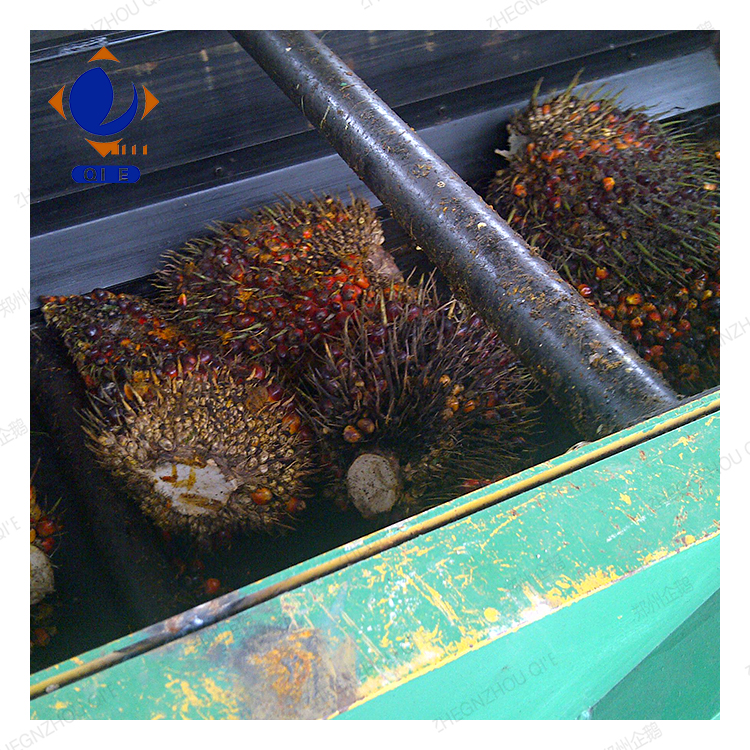
The quality of palm kernels significantly influences the oil output and final oil characteristics. Producers are advised to select fresh, mature kernels, ensuring a moisture content between 8% to 10% to facilitate efficient pressing. Proper cleaning and drying to avoid contamination or fungal growth is essential. Screening for foreign matter and broken pieces optimizes feedstock uniformity, directly impacting downstream processing stability.
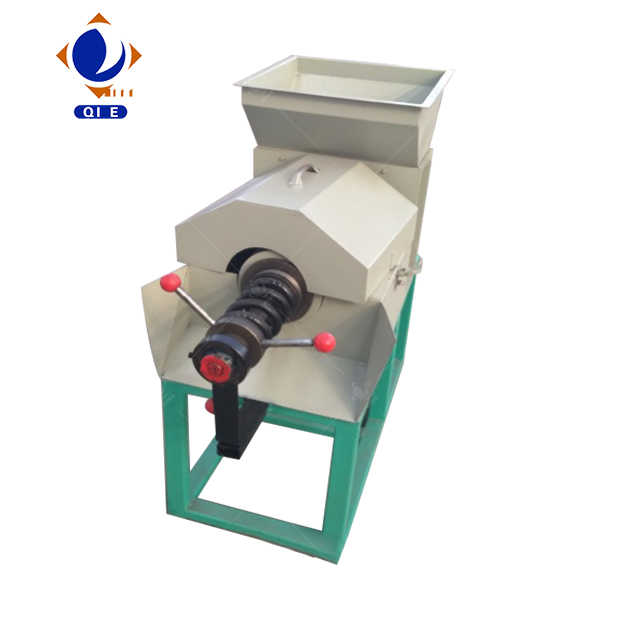
Fine-tuning the spiral press is the linchpin to enhanced extraction performance. Core parameters include:
The extraction cycle typically proceeds as follows:
A practical case reported a throughput increase by 12% and oil yield improvement of 3.5% after refining these operational controls.

Typical quality pitfalls include elevated free fatty acid content, poor clarity, and reduced shelf life. Causes often trace back to inadequate temperature control, feedstock degradation, or insufficient filtration. Implementing process monitoring systems and routine equipment maintenance has been shown to reduce oil acidity levels by up to 25% while enhancing clarity.
Protecting oil’s nutritional profile requires precise temperature regulation and minimizing oxidation exposure during extraction. Utilizing inert gas blanketing during storage and incorporating antioxidant additives further stabilizes oil freshness. These measures prolong shelf life and retain essential fatty acids, ensuring premium product standards attractive to discerning buyers.
Addressing common questions:
Industry experts emphasize the integration of automated monitoring to proactively detect deviations and maintain consistent output quality.
Recent developments in extraction equipment, including variable speed drives and intelligent temperature control, empower producers to maintain peak operation and reduce waste. Companies adopting these innovations report a 10-15% improvement in energy efficiency and a measurable increase in product uniformity. Continuous learning and technological adoption remain critical pillars for sustainable growth in this competitive sector.

 288
|
288
|
 palm oil extraction technology
twin-screw press machine
low-energy oil pressing
food processing equipment
oilseed press line
palm oil extraction technology
twin-screw press machine
low-energy oil pressing
food processing equipment
oilseed press line
 409
|
Palm oil pressing technology
Twin-screw oil press
High-efficiency and low-consumption oil extraction
Palm oil pressing parameter setting
Oil processing equipment
409
|
Palm oil pressing technology
Twin-screw oil press
High-efficiency and low-consumption oil extraction
Palm oil pressing parameter setting
Oil processing equipment
 35
|
palm fruit oil dehydration
residual oil control
oil yield optimization
steam pressure adjustment
PLC automation control
35
|
palm fruit oil dehydration
residual oil control
oil yield optimization
steam pressure adjustment
PLC automation control
 393
|
food grade palm oil production line
core component selection
equipment maintenance
PLC control system
production line stability
393
|
food grade palm oil production line
core component selection
equipment maintenance
PLC control system
production line stability
 60
|
palm oil production line troubleshooting
motor overload diagnosis
PLC control optimization
palm oil equipment maintenance
automatic palm oil processing
60
|
palm oil production line troubleshooting
motor overload diagnosis
PLC control optimization
palm oil equipment maintenance
automatic palm oil processing