
Palm kernel oil extraction is a critical process in the edible oil industry, where optimizing yield and preserving oil quality are pivotal for profitability and product excellence. This guide presents an in-depth walkthrough of key screw press parameters — temperature control, feed rate, and pressing pressure — tailored for palm kernel processing. By systematically adjusting these variables, operators can unlock higher oil recovery rates while maintaining nutritional integrity and stability.
Proper preparation starts with sourcing high-quality palm kernels and thorough cleaning to remove impurities such as shells and fibrous debris. Ensuring a consistent kernel size (typically 5–10 mm) facilitates uniform feeding and compression. Preconditioning by controlled heating (typically around 50–60°C) softens the kernels, improving oil release without degrading sensitive compounds.
Maintaining an optimal pressing temperature between 60°C and 70°C is crucial. Temperatures below this range reduce oil fluidity and yield, while exceeding 75°C risks thermal degradation of antioxidants and essential fatty acids. Employing precise heating jackets or thermal sensors integrated into the screw press system ensures stable temperature during extraction.
Consistent and controlled feeding at approximately 15–20 kg/hour per square centimeter of press surface prevents overloading, which can cause machine blockage and reduced efficiency. Gradual feed rate ramping enables the screw press to maintain steady pressure and temperature, crucial for continuous high oil yield.
Calibrating the pressing pressure to around 120–150 bar ensures maximal oil expulsion without excess mechanical wear. Over-pressurizing leads to equipment strain and potential fibrous residue contamination in oil, while under-pressurizing leaves valuable oil trapped in the kernel cake.
Monitoring free fatty acid levels and peroxide value post-extraction helps maintain oil freshness and prevents rancidity. Employing rapid cooling techniques and storing oil in inert atmospheres further protects nutrient profiles and shelf-life. Removing mechanical impurities through multi-stage filtration enhances clarity and consumer appeal.
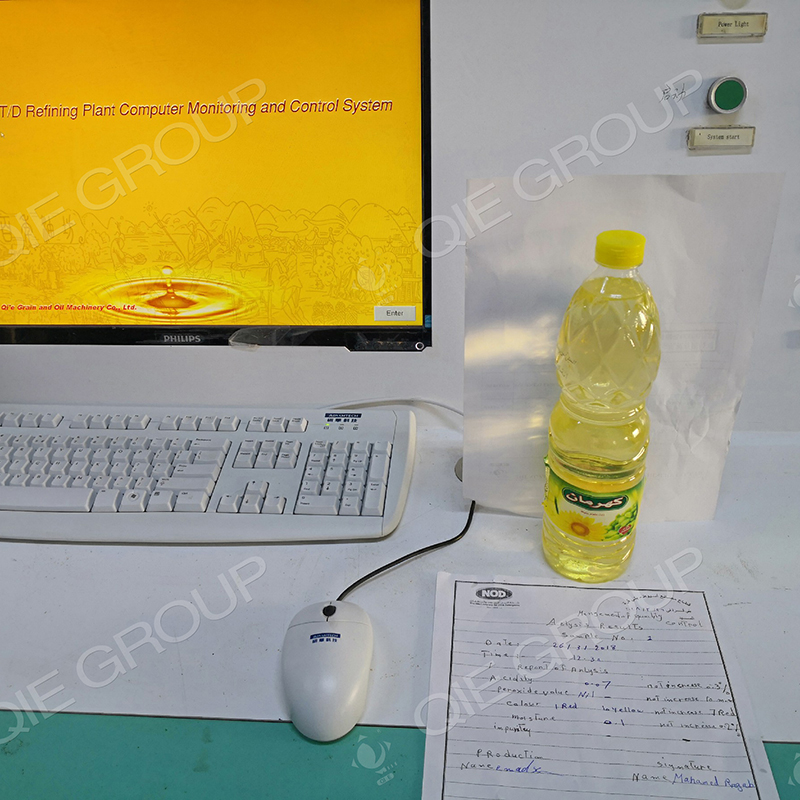
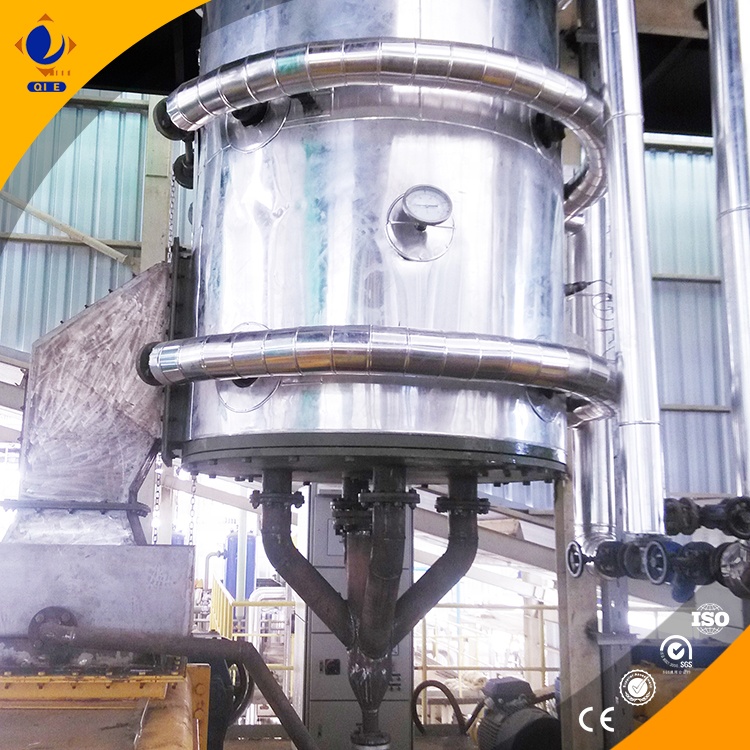
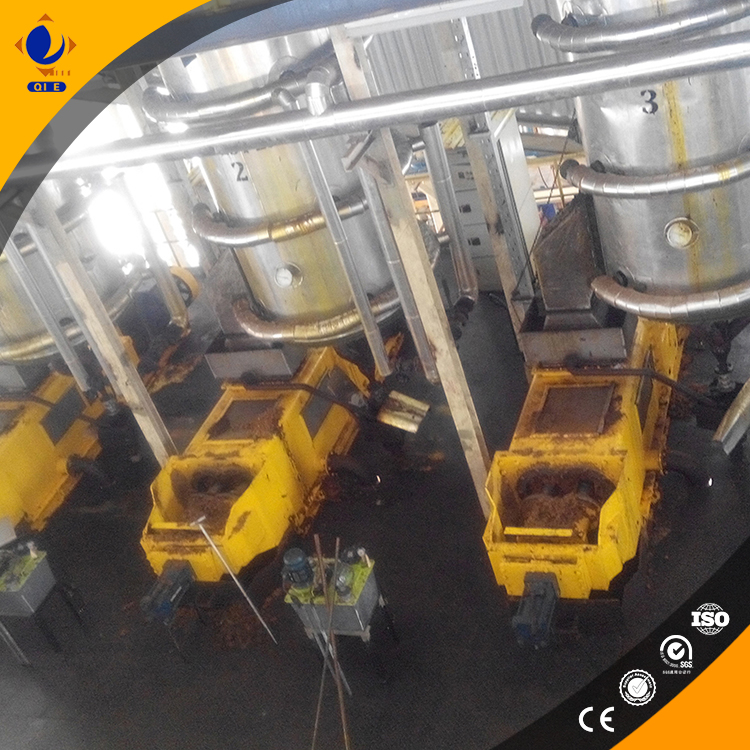
A mid-sized palm kernel processor implemented controlled temperature settings (~65°C), stabilized feed rates at 18 kg/hour/cm2, and optimized pressing pressure to 140 bar. This resulted in a 6.5% increase in oil yield over three months, combined with improved oil clarity and stability, confirming the critical impact of precise parameter tuning.
 264
|
264
|
 cold hot pressing technology
palm oil yield improvement
palm fruit pressing process
residual oil below 1%
BTMA palm oil production line
cold hot pressing technology
palm oil yield improvement
palm fruit pressing process
residual oil below 1%
BTMA palm oil production line
 240
|
palm fruit oil dehydration
residual oil control
palm oil production line optimization
steam pressure optimization
PLC automation in palm oil processing
240
|
palm fruit oil dehydration
residual oil control
palm oil production line optimization
steam pressure optimization
PLC automation in palm oil processing
 288
|
palm oil extraction technology
twin-screw press machine
low-energy oil pressing
food processing equipment
oilseed press line
288
|
palm oil extraction technology
twin-screw press machine
low-energy oil pressing
food processing equipment
oilseed press line
 331
|
automated palm oil press
small to medium palm oil factory equipment
palm oil equipment selection guide
palm oil press installation
palm oil production automation
71
|
palm oil processing equipment
automated oil press system
small palm oil mill
semi automatic oil extraction
fully automatic palm oil plant
331
|
automated palm oil press
small to medium palm oil factory equipment
palm oil equipment selection guide
palm oil press installation
palm oil production automation
71
|
palm oil processing equipment
automated oil press system
small palm oil mill
semi automatic oil extraction
fully automatic palm oil plant







.jpg)