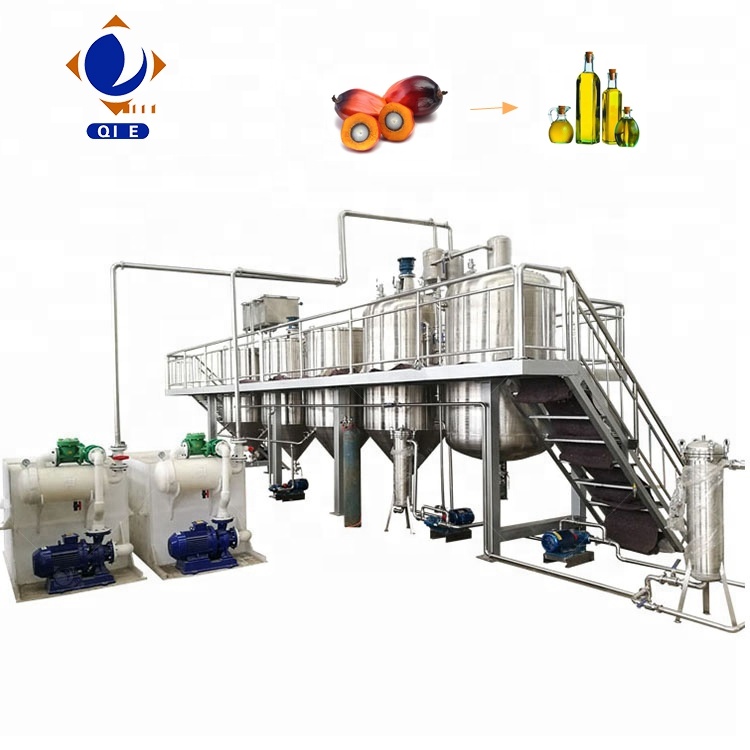
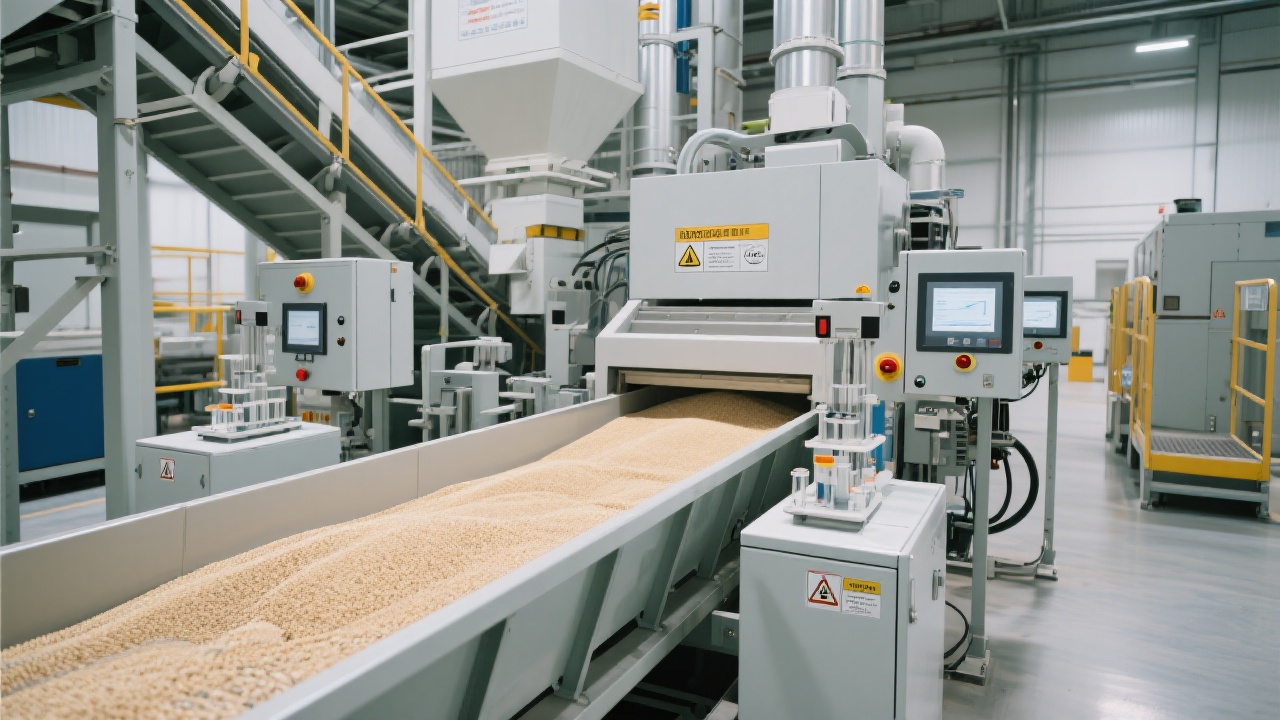
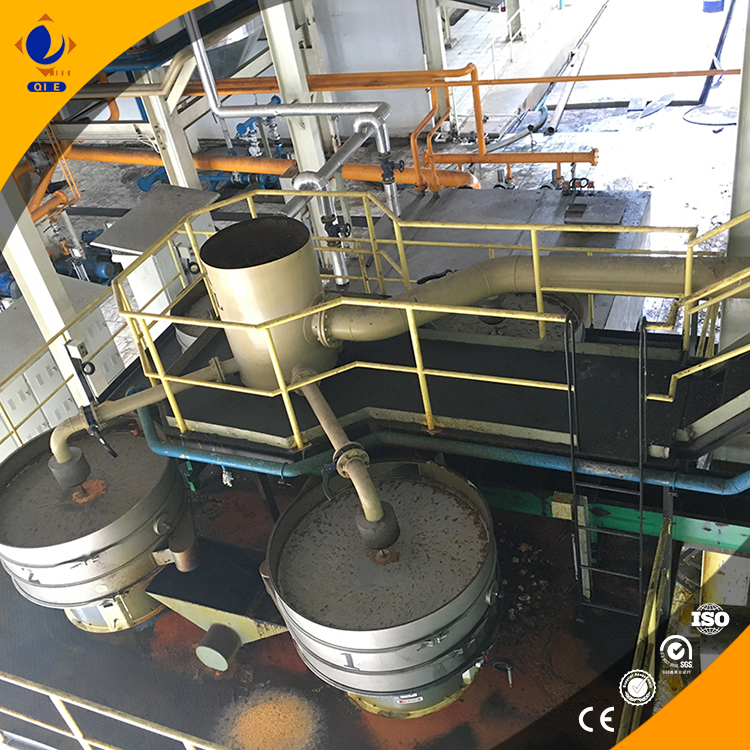
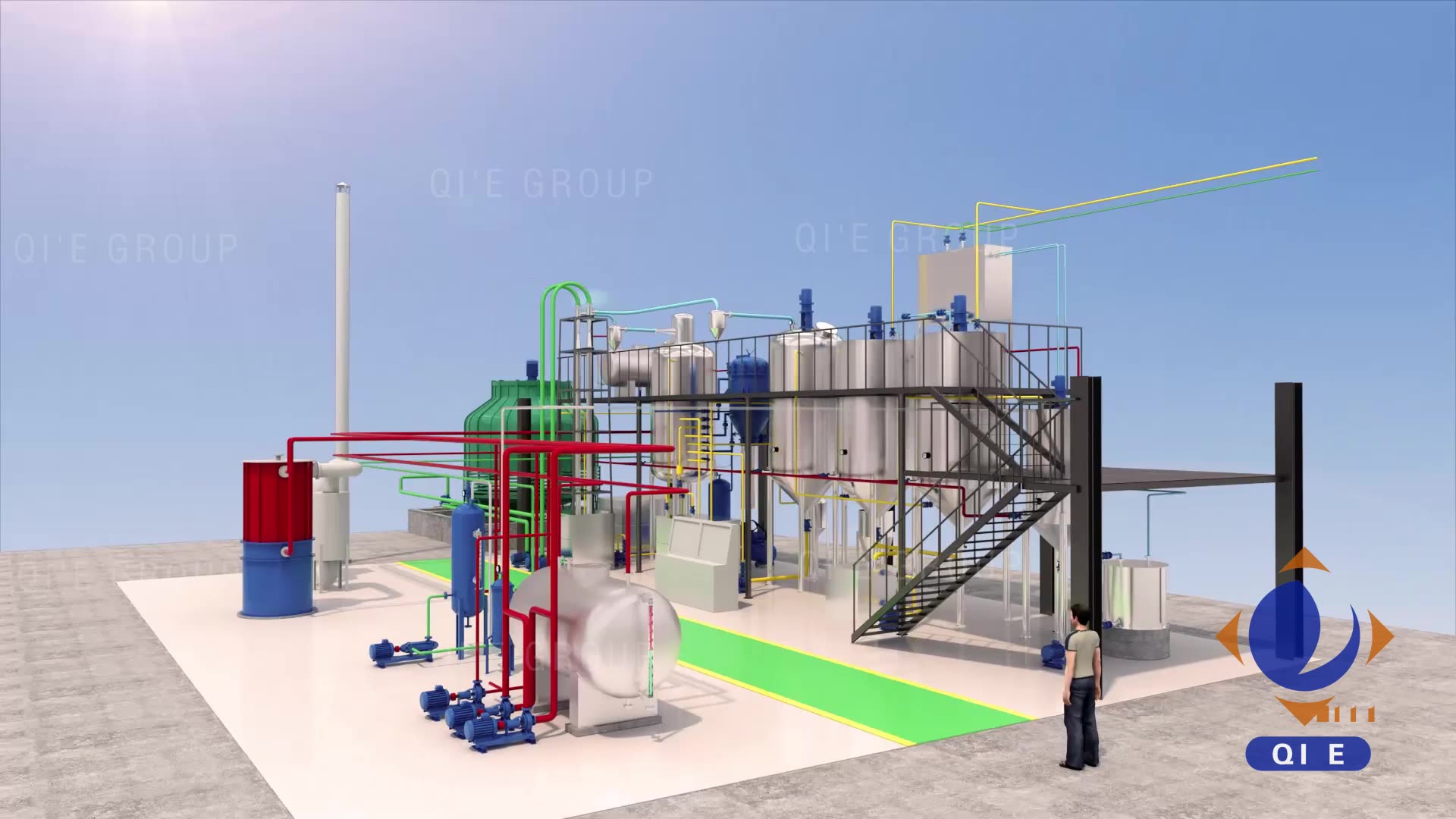
You’ve decided to automate your palm oil processing line — great move. But before you order that shiny new 5–50 tons/day automatic oil press system, there are two non-negotiables: ground stability and voltage compatibility. Ignoring either can cost you weeks of downtime, repairs, or worse — a failed start.
Many small-to-mid palm oil producers jump straight into equipment specs — motor power, capacity, automation level — but miss the foundation. A study by the International Palm Oil Council found that over 40% of early-stage automation failures in Southeast Asia were linked to poor site preparation, not machine quality.
Here's what happens when you skip the basics:
“We didn’t reinforce the concrete base for our 20-ton/day system. Six months later, uneven settling caused misalignment — and now we’re paying $8k+ for repairs.”
- Mr. Arif, Indonesia-based mill owner
If your plant is in a region with soft soil (like coastal areas), assume a minimum load-bearing capacity of 150 kN/m². For compacted clay or sandy loam, 200–250 kN/m² is safer. Always consult a local engineer — don’t guess.
| Equipment Size | Min Ground Load (kN/m²) | Recommended Base Thickness |
|---|---|---|
| 5–15 tons/day | 120–150 | 20 cm reinforced concrete |
| 15–30 tons/day | 150–200 | 25–30 cm reinforced concrete |
| 30–50 tons/day | 200–250 | 30–40 cm reinforced concrete |
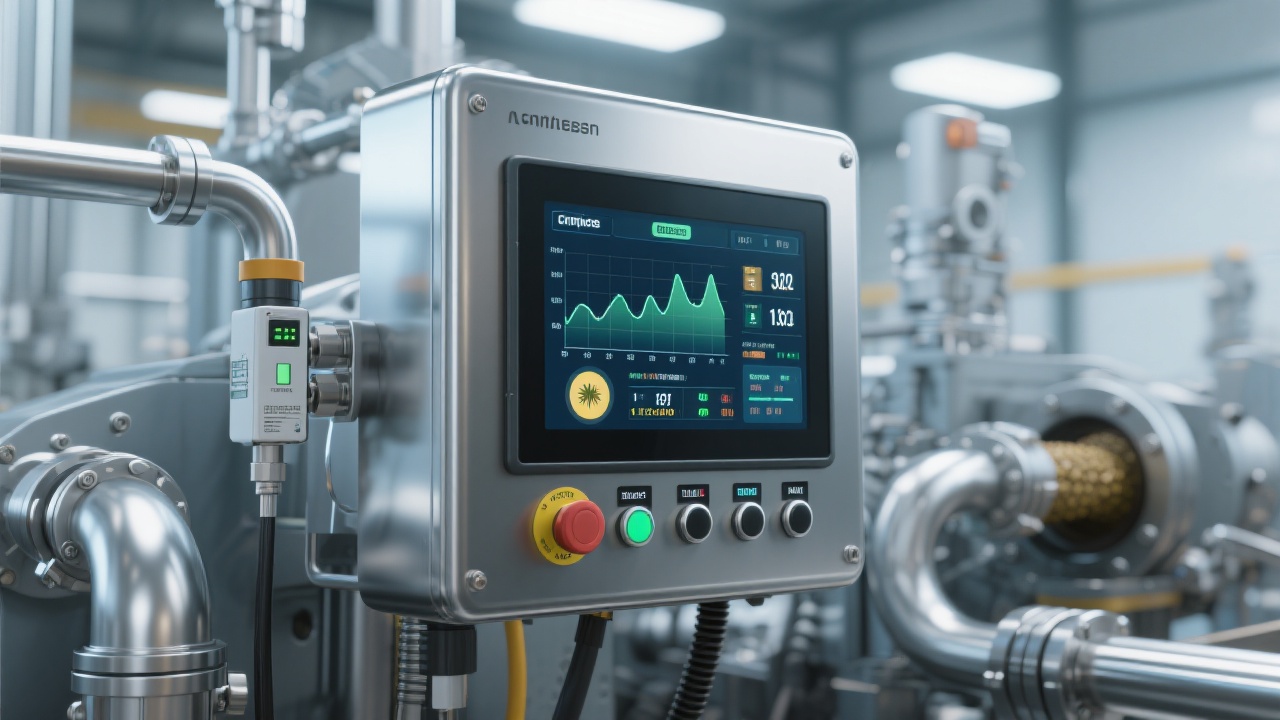
Most automated presses run on 3-phase 380V AC. If your facility has fluctuating voltage (common in rural mills), install a stabilizer + surge protector combo. Voltage drops below 340V can trigger overheating and premature motor failure — even if the machine looks fine at first.
Pro tip: Test voltage at peak production hours, not during idle times. That’s when the real stress hits.
We interviewed 17 small palm oil plants across Malaysia, Nigeria, and Ghana who successfully installed automated lines. The top three shared habits:
Let us help you build a smooth, safe, and efficient automation journey — from site assessment to commissioning.
Click here to download our Free Site Readiness Checklist & Get Custom Installation Guidance from Our Engineers
 227
|
227
|
 Palm Kernel Oil Extraction Equipment
Palm Kernel Oil Refining Equipment
Oil Refining Machine
Automated Palm Kernel Oil Equipment
High Efficiency Palm Shell Oil Extraction
Low Residual Oil Palm Kernel Extraction
Eco-friendly Oil Refining Equipment
Quality Certified Oil Extraction Machines
Palm Kernel Oil Extraction Equipment
Palm Kernel Oil Refining Equipment
Oil Refining Machine
Automated Palm Kernel Oil Equipment
High Efficiency Palm Shell Oil Extraction
Low Residual Oil Palm Kernel Extraction
Eco-friendly Oil Refining Equipment
Quality Certified Oil Extraction Machines
 295
|
Palm Oil Processing Machine
Palm Oil Production Line
High Efficiency Palm Oil Production
Palm Oil Processing Equipment
Automatic Palm Oil Processing Line
Palm Oil Extraction Technology
Palm Oil Production Machinery
ISO9001 Certified Palm Oil Equipment
Low Steam Consumption Palm Oil Production
Reliable Palm Oil Processing Solutions
295
|
Palm Oil Processing Machine
Palm Oil Production Line
High Efficiency Palm Oil Production
Palm Oil Processing Equipment
Automatic Palm Oil Processing Line
Palm Oil Extraction Technology
Palm Oil Production Machinery
ISO9001 Certified Palm Oil Equipment
Low Steam Consumption Palm Oil Production
Reliable Palm Oil Processing Solutions
 472
|
Fully Automatic Palm Oil Pressing Machine
Palm Oil Processing Machine
High-Efficiency Palm Oil Extraction Equipment
304 Stainless Steel Palm Oil Press
Energy-Efficient Palm Oil Processing
Customizable Palm Oil Pressing Equipment
ISO9001 Certified Palm Oil Machinery
Advanced Technology Palm Oil Press
Palm Oil Production Equipment for Factories
Agricultural Palm Oil Processing Solutions
472
|
Fully Automatic Palm Oil Pressing Machine
Palm Oil Processing Machine
High-Efficiency Palm Oil Extraction Equipment
304 Stainless Steel Palm Oil Press
Energy-Efficient Palm Oil Processing
Customizable Palm Oil Pressing Equipment
ISO9001 Certified Palm Oil Machinery
Advanced Technology Palm Oil Press
Palm Oil Production Equipment for Factories
Agricultural Palm Oil Processing Solutions
 170
|
Compact palm oil refining equipment for Nigerian businesses
automated palm oil processing systems
cold and hot pressing palm oil technology
170
|
Compact palm oil refining equipment for Nigerian businesses
automated palm oil processing systems
cold and hot pressing palm oil technology
 252
|
Palm Oil Processing Machine
High-capacity Palm Oil Extraction Equipment
Automated Palm Oil Refining Systems
Durable Stainless Steel Palm Oil Processing Equipment
ISO Certified Palm Oil Pressing Machines
Compact Design Palm Oil Processing Solutions
Reliable Palm Oil Production Equipment
Custom Palm Oil Refining Solutions
252
|
Palm Oil Processing Machine
High-capacity Palm Oil Extraction Equipment
Automated Palm Oil Refining Systems
Durable Stainless Steel Palm Oil Processing Equipment
ISO Certified Palm Oil Pressing Machines
Compact Design Palm Oil Processing Solutions
Reliable Palm Oil Production Equipment
Custom Palm Oil Refining Solutions