Palm oil refining involves a meticulously controlled multi-step process to ensure consistent product quality. From crude oil extraction to the final refined product, four critical operations—degumming, neutralization (deacidification), bleaching, and deodorization—largely determine the oil’s color, stability, and overall quality. This article delves into technical parameters affecting palm oil color, highlights common causes of color abnormalities, and offers evidence-backed solutions drawn from extensive industrial practice.
Degumming removes phospholipids and mucilaginous substances that contribute to turbidity and coloration. Precise temperature control (typically 70-80°C) and accurate water or acid dosage ratios are essential. Over or under-treatment can cause residual gum leading to darker or cloudy oil.
Neutralization (Deacidification) removes free fatty acids (FFA), which impact oil taste, stability, and color. Maintaining a controlled alkali concentration and reaction time at moderate temperatures (around 80-90°C) prevents excessive soap formation or underprocessing, both influencing color negatively.
Bleaching employs adsorbents like activated clays to remove pigments such as carotenoids and chlorophyll. Critical parameters include maintaining optimal bleaching earth dosage (generally 1.5%-3% by weight), temperature range (100-110°C), and effective vacuum to avoid oxidation, which can darken the oil.
Finally, Deodorization eliminates volatile odor compounds by steam distillation under high vacuum and temperature (typically 230-260°C). Improper control may induce oil discoloration due to thermal degradation or insufficient removal of colored impurities.
Color abnormalities manifest mainly as unexpectedly dark, cloudy, or unevenly colored oil batches. Based on field diagnostics, the following root causes frequently emerge:
Implementing technical best practices can significantly mitigate color issues:
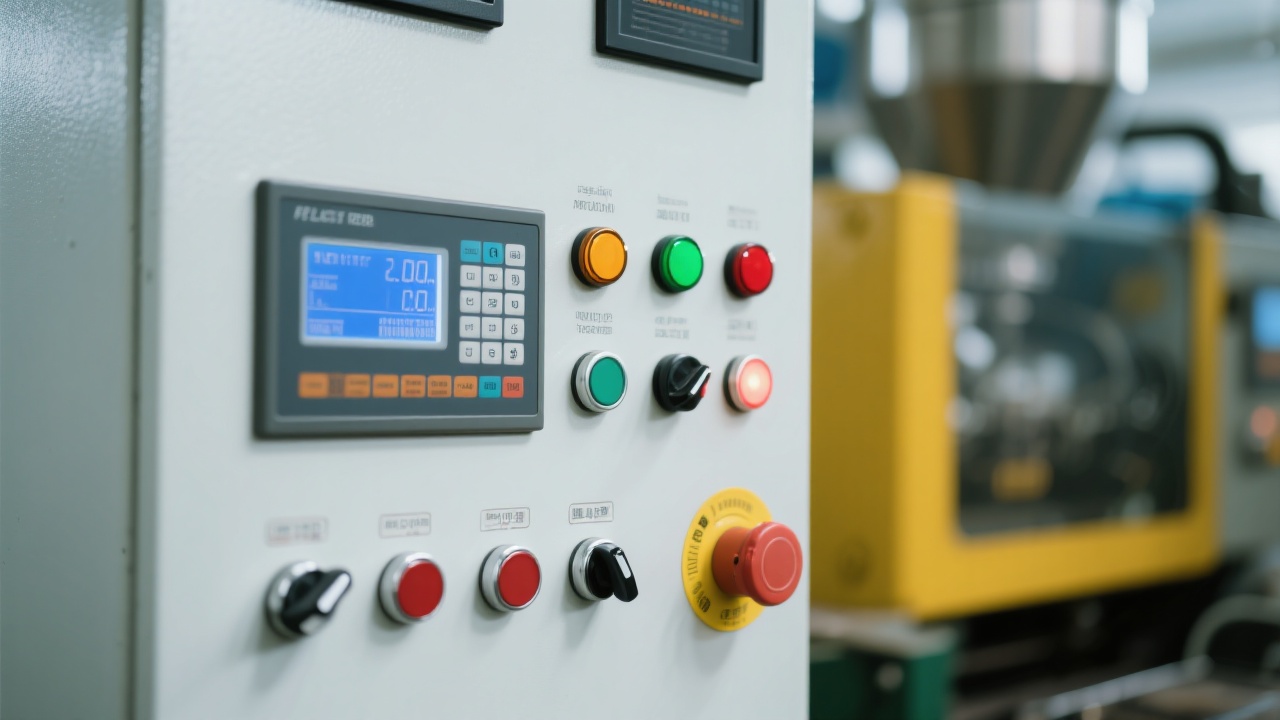
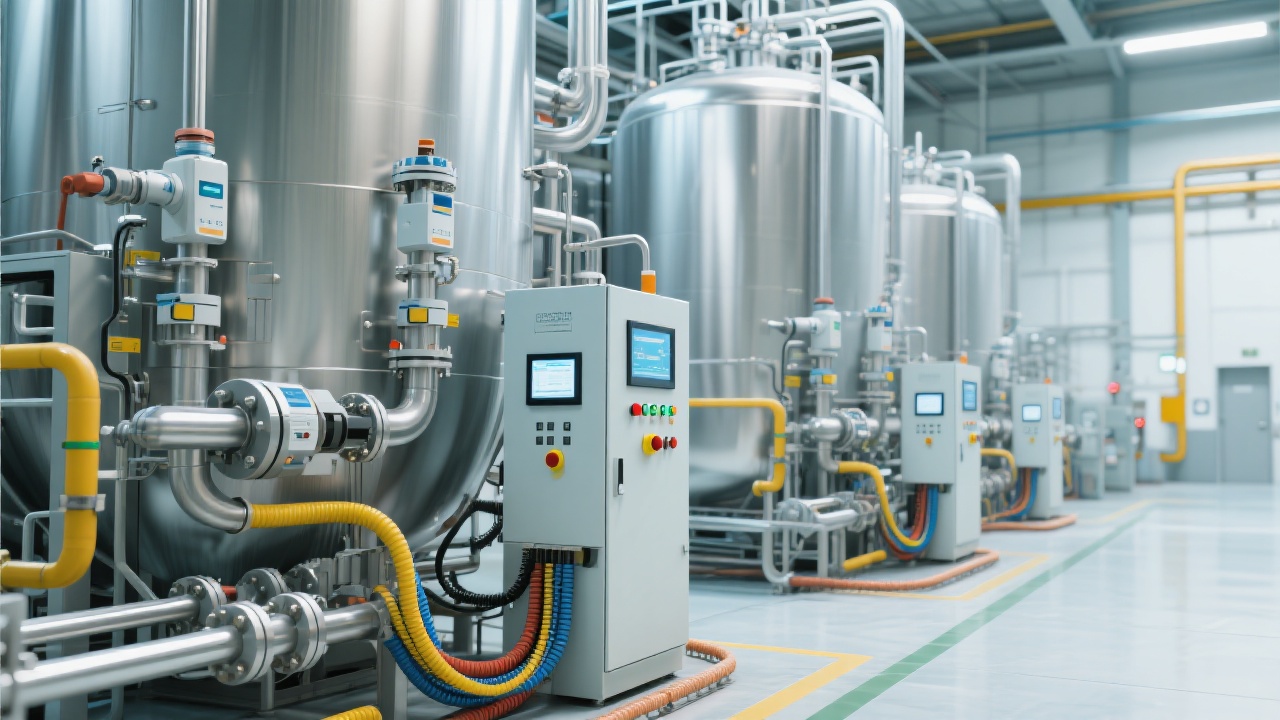
A leading palm oil refiner in Southeast Asia implemented comprehensive process upgrades involving 304 stainless upgrades and advanced automation. Within four months, their average color degradation index dropped from 8.5 to under 5 on the industry-standard Lovibond scale, correlating with improved shelf life and customer satisfaction.
To proactively manage color quality:
Investing in high-quality materials and automation not only enhances product stability but also boosts brand reputation in a competitive market. Consistent color quality directly affects consumer perception and product demand in food and beverage sectors.

 82
|
82
|
 Large Multi-Functional Palm Oil Pressing Machine
Palm Oil Processing Machine for Manufacturing
Palm Oil Extractor for Food Beverage Plants
High Capacity Palm Oil Press Machine
Automated Palm Oil Processing Equipment
Energy Efficient Palm Oil Extraction Machine
Large Multi-Functional Palm Oil Pressing Machine
Palm Oil Processing Machine for Manufacturing
Palm Oil Extractor for Food Beverage Plants
High Capacity Palm Oil Press Machine
Automated Palm Oil Processing Equipment
Energy Efficient Palm Oil Extraction Machine
 112
|
Turnkey Palm Oil Pressing and Extraction Equipment
Palm Oil Processing Machine
Efficient Palm Oil Extractor
Eco-Friendly Palm Oil Processing Equipment
ISO9001:2000 Certified Palm Oil Machinery
Innovative Palm Oil Pressing Solutions
Reliable Palm Oil Extraction Systems
High Yield Palm Oil Production Equipment
Palm Oil Refining and Extraction Technology
Comprehensive Palm Oil Processing Solutions
112
|
Turnkey Palm Oil Pressing and Extraction Equipment
Palm Oil Processing Machine
Efficient Palm Oil Extractor
Eco-Friendly Palm Oil Processing Equipment
ISO9001:2000 Certified Palm Oil Machinery
Innovative Palm Oil Pressing Solutions
Reliable Palm Oil Extraction Systems
High Yield Palm Oil Production Equipment
Palm Oil Refining and Extraction Technology
Comprehensive Palm Oil Processing Solutions
 178
|
Palm oil equipment energy - saving design
Application of high - efficiency motors in oil machinery
Pressure vessel material selection
Application of PLC control system in oil extraction lines
Stability of palm oil processing equipment
178
|
Palm oil equipment energy - saving design
Application of high - efficiency motors in oil machinery
Pressure vessel material selection
Application of PLC control system in oil extraction lines
Stability of palm oil processing equipment
 263
|
Palm Oil Processing Machine
High Efficiency Palm Oil Equipment
Energy Saving Palm Oil Treatment Machine
Smart Palm Oil Processing System
ISO9001 Certified Palm Oil Machine
Palm Oil Cold Press and Hot Press Equipment
Palm Oil Processing Equipment for Factories
Palm Oil Extraction Solutions
Professional Palm Oil Processing Machinery
263
|
Palm Oil Processing Machine
High Efficiency Palm Oil Equipment
Energy Saving Palm Oil Treatment Machine
Smart Palm Oil Processing System
ISO9001 Certified Palm Oil Machine
Palm Oil Cold Press and Hot Press Equipment
Palm Oil Processing Equipment for Factories
Palm Oil Extraction Solutions
Professional Palm Oil Processing Machinery
 131
|
peanut oil refining equipment
multifunctional oil refining machinery
oil refining process
131
|
peanut oil refining equipment
multifunctional oil refining machinery
oil refining process