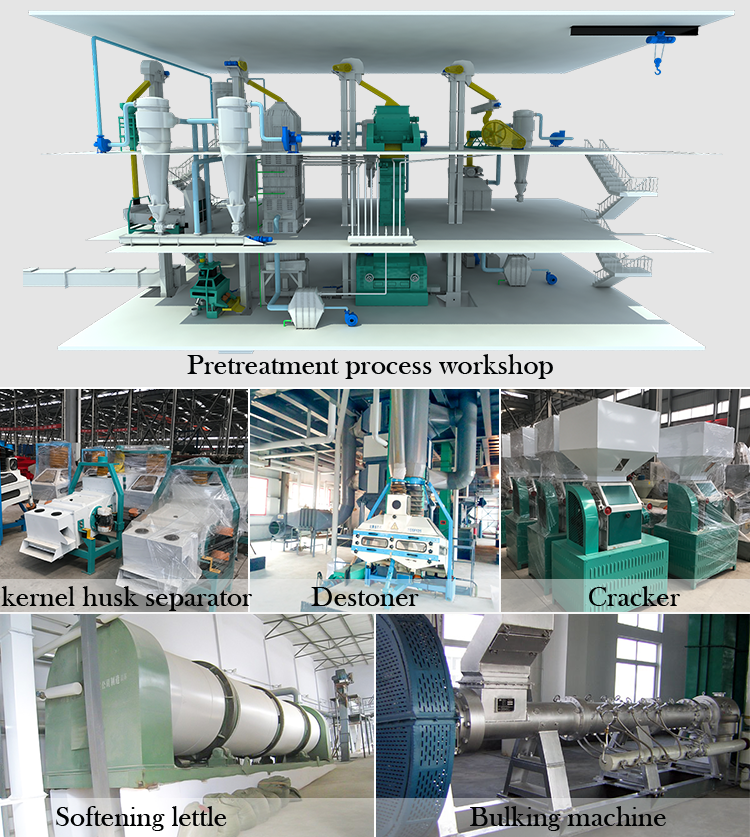
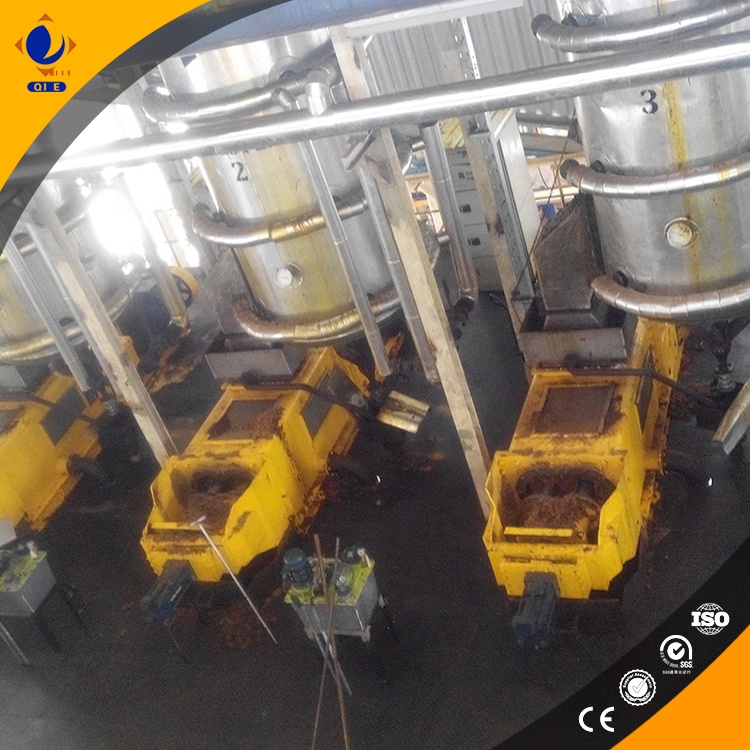
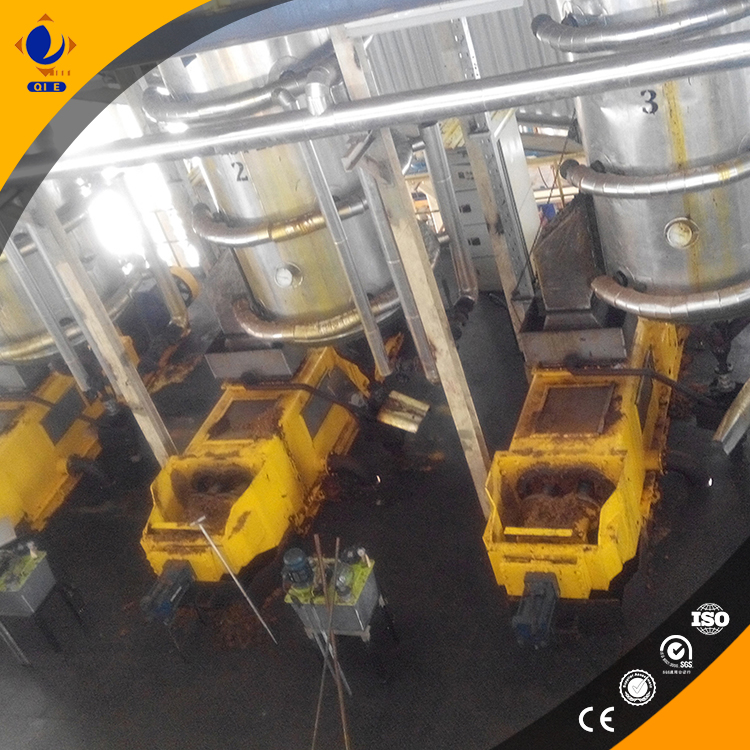
In the competitive landscape of edible oil production, every percentage point in residual oil content translates to significant financial impact. Palm oil processors worldwide face the dual challenge of maximizing yield while minimizing energy consumption—a balance that often feels elusive. Recent industry data reveals that the average residual oil in press cake across Southeast Asian mills ranges from 1.8% to 2.5%, representing millions in lost revenue annually. What if we told you there's a proven method to reduce this to under 1% while actually lowering energy costs? This breakthrough centers on a precise steam pressure optimization strategy that's transforming the industry standard.
INDUSTRY INSIGHT
A 1% reduction in residual oil content for a mid-sized palm oil mill processing 60 tons of fresh fruit bunches (FFB) daily equates to approximately 219 additional tons of oil annually, representing over $200,000 in extra revenue at current market prices.
Steam pressure regulation stands as the unsung hero of palm oil processing efficiency. While many operations default to steam pressures between 0.6-0.7MPa, our research across 12 palm oil mills in Malaysia and Indonesia demonstrated that maintaining a precise 0.8MPa pressure delivers transformative results. This seemingly small adjustment creates the optimal balance between moisture reduction and oil viscosity, allowing for more complete separation during the pressing stage.
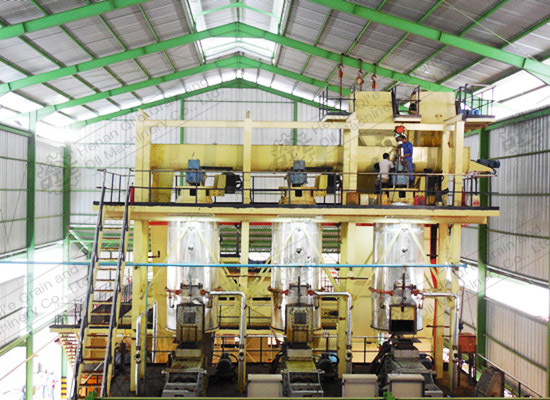
The science behind this optimization lies in the relationship between steam temperature, moisture content, and oil release. At 0.8MPa, saturated steam reaches approximately 170°C—ideal for rupturing oil-bearing cells without overheating the product. This temperature range ensures effective moisture reduction to 8-10% in the sterilization stage while preserving the oil's quality parameters.
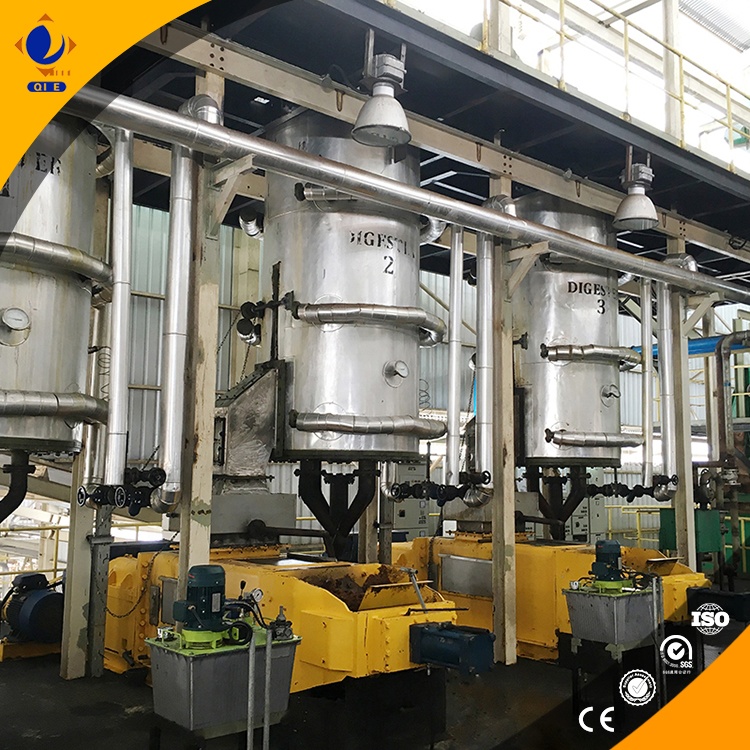
Achieving consistent 0.8MPa steam pressure requires more than just adjusting a valve—it demands a thoughtfully designed heat exchange system. Our patent-pending heat recovery technology captures and repurposes 72% of waste steam, reducing overall energy consumption by an average of 18%. The system integrates three key components:
| Process Stage | Optimal Pressure | Temperature Range | Residual Oil Target |
|---|---|---|---|
| Sterilization | 0.8MPa | 168-172°C | N/A |
| Digestion | 0.75-0.8MPa | 165-168°C | N/A |
| Pressing | 0.65-0.7MPa | 90-95°C | <1.0% |
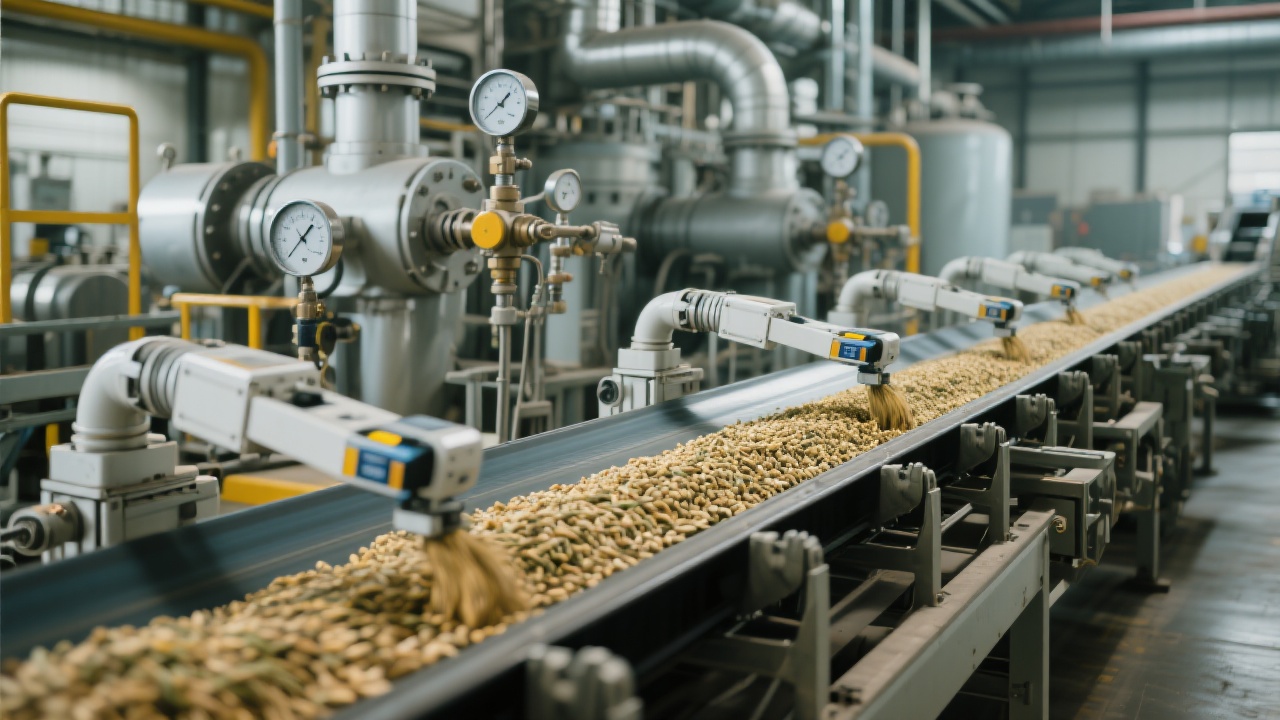
Maintaining sub-1% residual oil consistently requires more than manual adjustments—it demands real-time monitoring and adaptive control. Our integrated PLC system with SCADA interface provides continuous oversight of 23 critical process parameters, triggering automatic adjustments before deviations impact performance. The system's predictive maintenance algorithms have reduced unplanned downtime by 37% in installations across Thailand and Colombia.
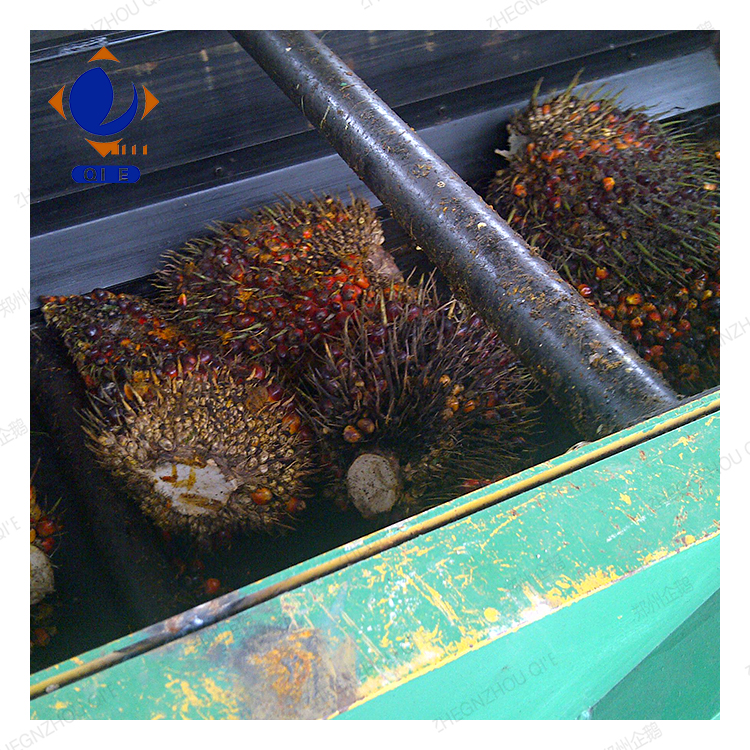
Key features of the automation system include:
Even with sophisticated systems, processors may encounter challenges when implementing 0.8MPa operation. Based on over 500 installation cases, we've identified and solved the most common issues:
Issue: Fluctuating pressure during sterilization cycles
Solution: Check for steam trap malfunctions and ensure the pressure reducing valve has a minimum 1.5:1 pressure differential between inlet and outlet. Install a buffer tank if pressure variations exceed ±0.05MPa.
Issue: Higher than expected energy consumption
Solution: Verify heat exchanger cleanliness (fouling can reduce efficiency by up to 40%). Implement a scheduled descaling program using food-grade citric acid solution.
Issue: Inconsistent residual oil results
Solution: Calibrate pressure sensors quarterly and ensure uniform steam distribution across the sterilization chamber. Check for worn press plates if variance exceeds 0.3% between batches.
Beyond efficiency gains, our 0.8MPa optimization aligns with ISO 9001 quality management standards by establishing consistent processes and documentation. The system's built-in data logging capabilities automatically generate compliance reports, reducing audit preparation time by approximately 65%. This commitment to quality has helped our clients enter premium markets in Europe and North America where stringent quality requirements曾经是进入壁垒。
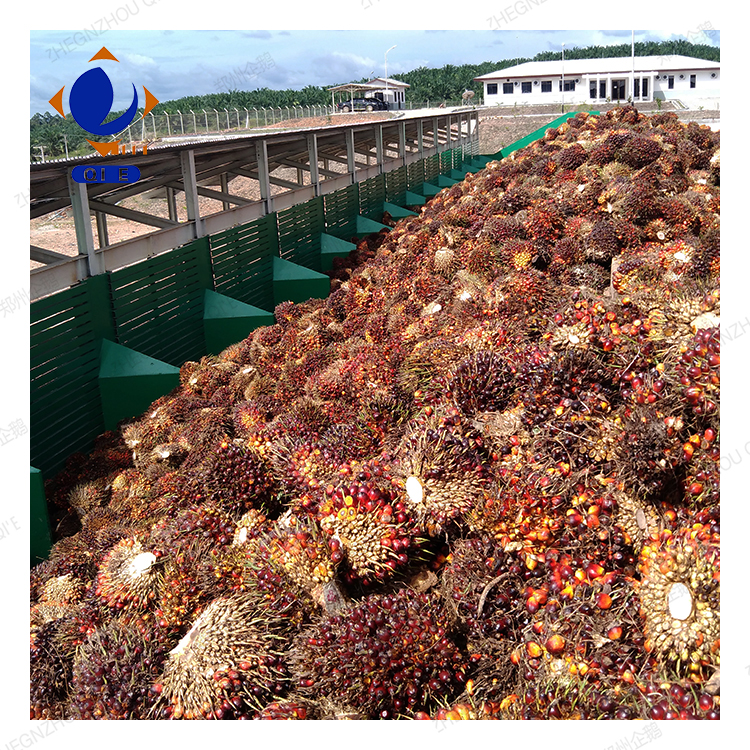
One Indonesian mill reported not only achieving sub-1% residual oil but also reducing their quality control labor costs by 40% after implementing the automated documentation system. The real-time quality monitoring has virtually eliminated the risk of off-spec batches, protecting their valuable export contracts.
Download our exclusive "0.8MPa Steam Pressure Optimization Toolkit" and discover how to implement these proven techniques in your facility.
Get Your Free Toolkit NowIncludes: Pressure setting calculator, maintenance checklist, and ROI projection template
The journey to sub-1% residual oil begins with a single decision to optimize your steam pressure. As one Malaysian mill manager recently shared: "We were skeptical that such a small pressure adjustment could make a difference, but within 30 days, we saw a clear reduction in residual oil and a noticeable drop in our energy bills. The ROI calculation promised 10 months, but we actually achieved payback in just 7 months."
Have you implemented steam pressure optimization in your palm oil processing facility? What challenges did you face, and what results did you achieve? Share your experience in the comments below—we'd love to hear your insights and questions.

 307
|
307
|
 QI'E Group palm oil refining machines
small-scale palm oil processing equipment
Nigeria palm oil market solutions
QI'E Group palm oil refining machines
small-scale palm oil processing equipment
Nigeria palm oil market solutions
 359
|
["multi-function screw oil press"
"cold and hot pressing oil machine"
"oil extraction equipment"
"high-efficiency oil press system"
"industrial oil processing machinery"]
359
|
["multi-function screw oil press"
"cold and hot pressing oil machine"
"oil extraction equipment"
"high-efficiency oil press system"
"industrial oil processing machinery"]
 486
|
small palm oil refining machine quality enhancement
automated palm oil refining equipment Nigeria
energy-efficient palm oil processing technology
300
|
small scale palm oil refining machine
efficient palm oil refining solution
Nigeria SMEs refining technology
486
|
small palm oil refining machine quality enhancement
automated palm oil refining equipment Nigeria
energy-efficient palm oil processing technology
300
|
small scale palm oil refining machine
efficient palm oil refining solution
Nigeria SMEs refining technology
 442
|
palm oil pressing automation
PLC control in palm oil production
industrial sensors in oil processing
palm oil production efficiency improvement
automated monitoring systems for palm oil
442
|
palm oil pressing automation
PLC control in palm oil production
industrial sensors in oil processing
palm oil production efficiency improvement
automated monitoring systems for palm oil