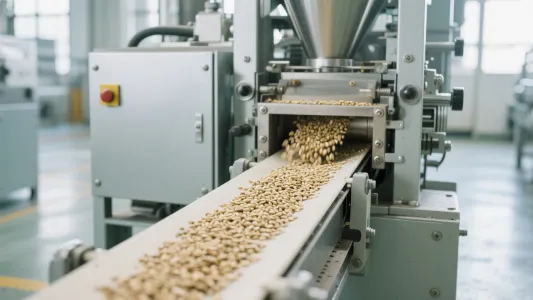
You're not alone if you’re struggling with high maintenance costs, inconsistent output, or equipment breakdowns at your palm oil mill. Whether you run a 5-ton/day operation or scale up to 50 tons, choosing the right automation level—manual, semi-automatic, or fully automatic—is critical for long-term profitability.
| System Type | Best For | Avg. Labor Cost/Day | Maintenance Risk |
|---|---|---|---|
| Manual | Under 5 TPD | $15–$25 | High (operator-dependent) |
| Semi-Auto | 5–20 TPD | $10–$18 | Moderate |
| Fully Auto | 20+ TPD | $5–$10 | Low (with proper maintenance) |
Real-world case from Indonesia: A 15-ton/day mill switched from manual to semi-auto and reduced daily labor by 40%. They also cut downtime by 30% within 6 months thanks to better control over pressing pressure and temperature.
Pro tip: Always install a surge protector—it saves more than $500 in repair costs annually when power fluctuations are common.
With this schedule, most users report extending equipment life by 2–3 years beyond standard warranties (which typically cover 1 year on core components).
Quick fixes like these can reduce unplanned downtime by up to 50%, keeping your production running smoothly even during peak season.

 416
|
416
|
 compact palm oil production line equipment
efficient eco-friendly oil press equipment
palm oil processing for food and beverage plants
Penguin Group oil press equipment
customized palm oil equipment
compact palm oil production line equipment
efficient eco-friendly oil press equipment
palm oil processing for food and beverage plants
Penguin Group oil press equipment
customized palm oil equipment
 239
|
Palm oil pressing equipment maintenance
Equipment fault diagnosis
Press maintenance guide
Preventive maintenance
Equipment downtime emergency handling
239
|
Palm oil pressing equipment maintenance
Equipment fault diagnosis
Press maintenance guide
Preventive maintenance
Equipment downtime emergency handling
 190
|
Palm Oil Refining Equipment
Oil Refining Machine
Automatic Palm Oil Processing Equipment
High-Quality Palm Oil Refining Equipment
Energy-Efficient Oil Refining Machine
Customizable Palm Oil Equipment
ISO9001 Certified Oil Refining Solutions
Palm Oil Production Equipment
Cost-Effective Palm Oil Refining
Advanced Oil Refining Equipment
190
|
Palm Oil Refining Equipment
Oil Refining Machine
Automatic Palm Oil Processing Equipment
High-Quality Palm Oil Refining Equipment
Energy-Efficient Oil Refining Machine
Customizable Palm Oil Equipment
ISO9001 Certified Oil Refining Solutions
Palm Oil Production Equipment
Cost-Effective Palm Oil Refining
Advanced Oil Refining Equipment
 195
|
QI'E Mini Palm Oil Refinery
palm oil production efficiency
Nigerian small enterprise refining
195
|
QI'E Mini Palm Oil Refinery
palm oil production efficiency
Nigerian small enterprise refining
 132
|
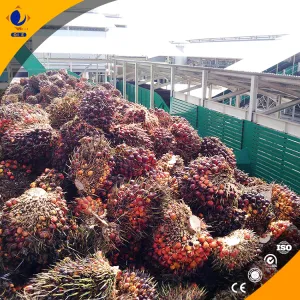
Double Screw 10 Tons/Hour Palm Oil Pressing Production Line
Palm Oil Processing Machine
High Efficiency Palm Oil Extraction Equipment
132
|
Double Screw 10 Tons/Hour Palm Oil Pressing Production Line
Palm Oil Processing Machine
High Efficiency Palm Oil Extraction Equipment