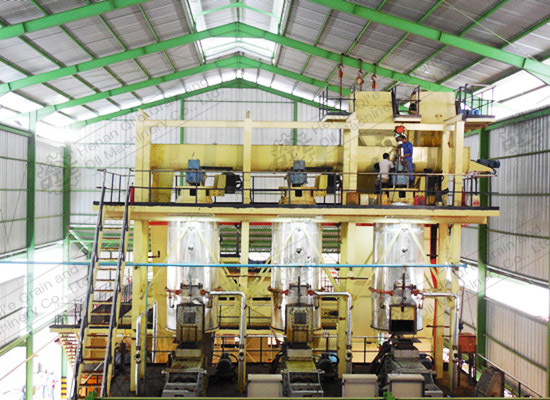
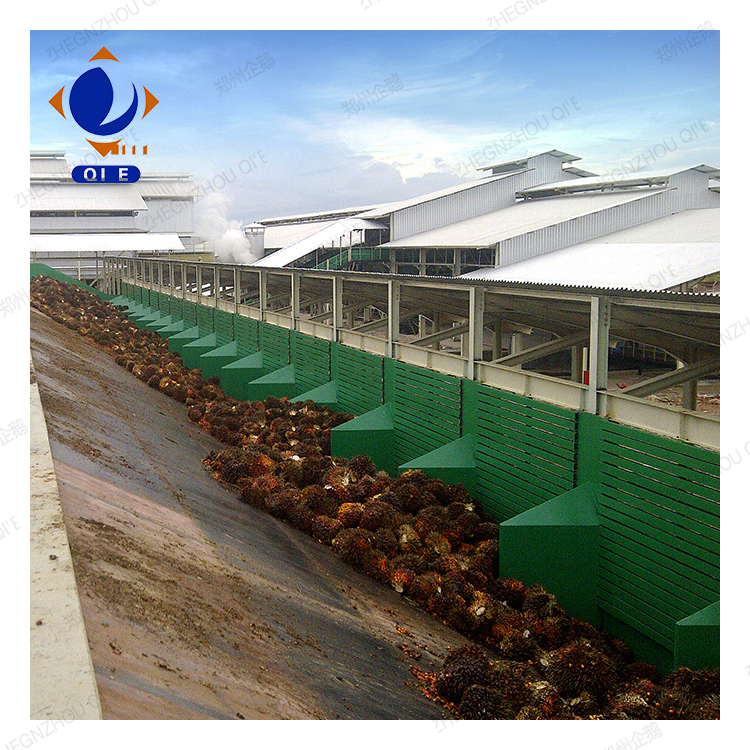
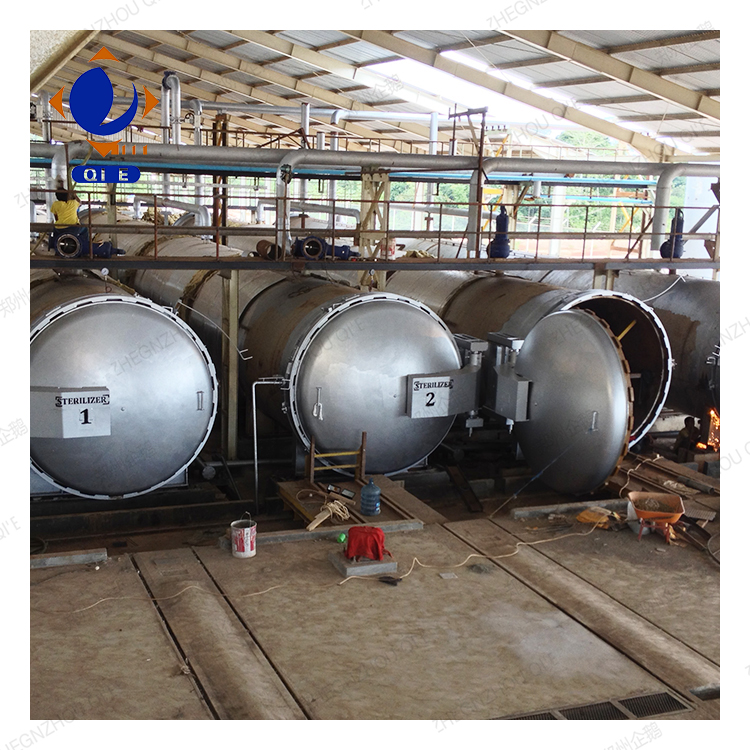
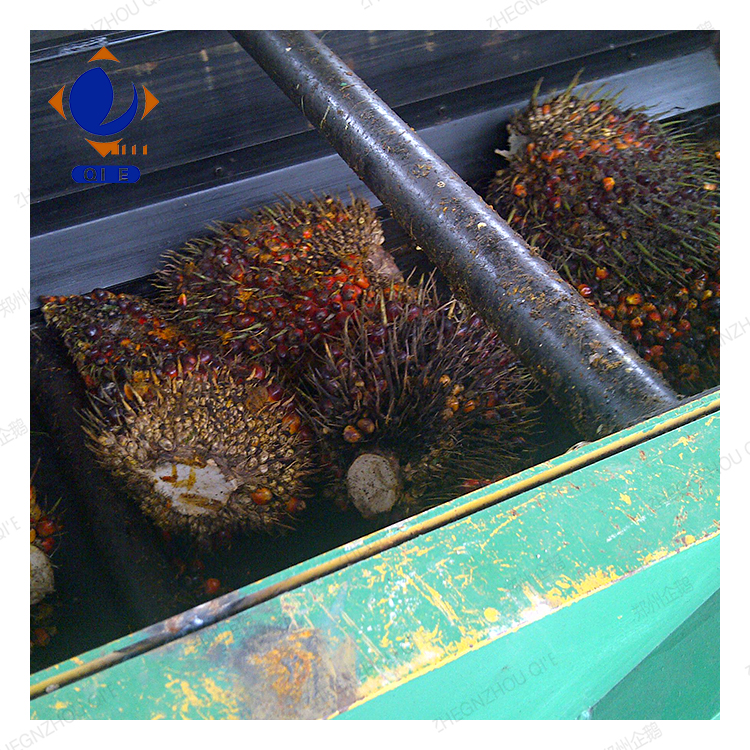
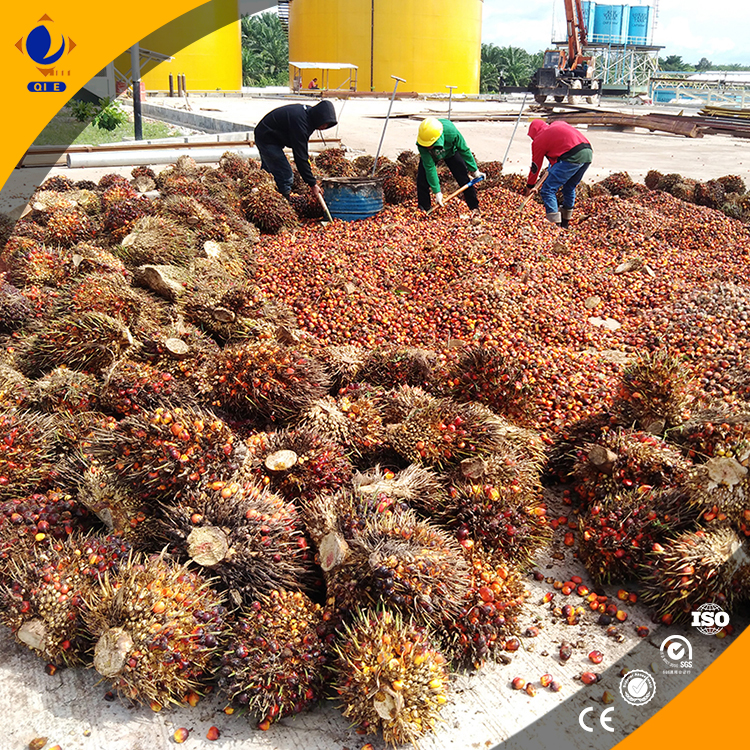
For small & mid-size farms and primary processors who need predictable output, controllable energy costs, and long-term uptime.
If you’re choosing palm oil processing equipment based on “bigger is better,” you’re one supply disruption away from idle capacity. If you choose only by “lowest kWh,” you may pay later in downtime, unstable oil quality, or higher residual oil loss. This guide helps you match capacity, energy, reliability, and compliance—the four decision dimensions that actually protect your ROI.
Start with One Question: What Can You Feed Every Day—Consistently?
Before you look at any brochure, ask yourself (and answer with real numbers, not optimism): How many tons of fresh fruit bunches (FFB) can your farm deliver every day for at least 8–10 months per year?
In B2B buying, the most common mismatch is purchasing a line sized for peak harvest, then running it at 40–60% load for long periods. That usually increases unit energy per ton, raises wear per ton processed, and makes labor planning inefficient.
Quick self-check (write it down)
Your daily stable FFB supply
_____ tons/day (stable average, not peak)
Your operating schedule
_____ hours/day, _____ days/month
Tip for planning: if your crop is seasonal, consider buffer storage and logistics first—equipment can’t fix an unstable feedstock pipeline.
Dimension 1 — Capacity Matching: Don’t Buy “Tons/Day,” Buy “Tons/Day You Can Sustain”
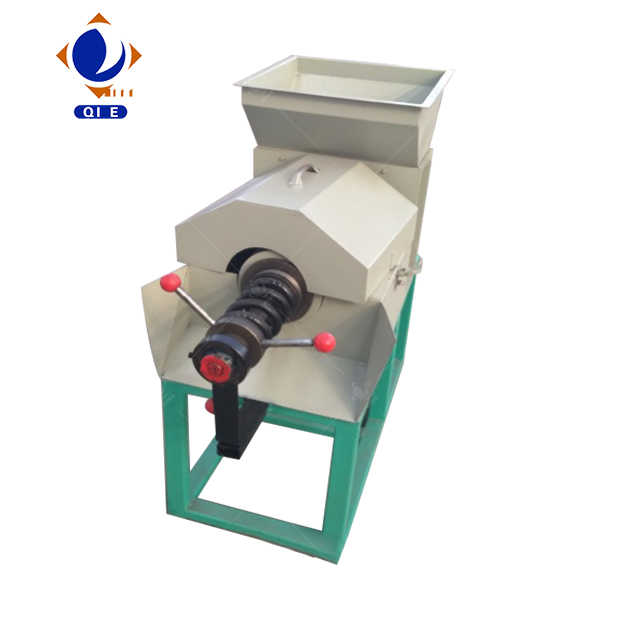
Many buyers see figures like 1000 tons/day and assume it’s a universal benchmark. In reality, that number only helps when your upstream harvest, loading, sterilization flow, and staffing can support it continuously. For small and mid-size operations, a better approach is to size the line so your average supply runs at 70–90% load, leaving room for peaks without creating chronic underutilization.
| Your stable FFB supply | Recommended design range | Why it works |
|---|---|---|
| 10–30 tons/day | Modular mini line, semi/automatic options | Lower labor shock, easier layout, simpler utilities |
| 30–120 tons/day | Continuous line with automation at key bottlenecks | Best balance of capex vs throughput, stable quality |
| 120+ tons/day | Higher automation + stricter process control | You’re buying uptime management, not just machines |
Practical rule: if you’re upgrading from manual or mixed equipment, prioritize stable sterilization → threshing → pressing → clarification flow. One oversized press doesn’t help if your sterilizer or clarifier becomes the bottleneck.
Dimension 2 — Operating Economics: Unit Energy Is a KPI, Not a Marketing Line
A rational target for modern lines is to keep electrical consumption around ≤15 kWh per ton of oil under stable load, depending on automation level, pump configuration, and how you handle heating/sterilization utilities. Your goal isn’t just “low kWh”—it’s low kWh without sacrificing extraction stability.
What to check on the energy side
- Motor efficiency class (ask if IE2/IE3 options are available and where they’re used)
- Pump selection (oversized pumps waste energy; right sizing reduces heat and vibration)
- Control logic (VFDs on key drives can cut peaks and smooth load)
- Layout losses (long piping + poor elevation planning = extra pumping power)
Infographic hint (for your designer): Create a “Cost-per-ton” waterfall chart showing how energy (kWh/ton), labor hours/ton, residual oil loss, and downtime hours/month accumulate into total processing cost.

Dimension 3 — Long-Term Reliability: Your Real Risk Is Unplanned Downtime
When farms evaluate a palm oil line, they often focus on the press. Experienced operators focus on the parts that quietly decide your uptime: motors, pumps, gearboxes, shafts, and bearings. One weak bearing seat or misaligned gearbox can create vibration that eats the entire line’s stability.
Reliability checklist you can use during supplier comparison
| Subsystem | What you ask for | What a solid answer looks like |
|---|---|---|
| Gearbox / reducer | Load rating + lubrication plan | Clear service intervals, stable operating temperature guidance |
| Shaft & bearing | Bearing model + sealing + alignment method | Dust/steam considerations addressed; alignment and vibration checks defined |
| Pumps | Material, head/flow curve, spare seals | Right-sized selection; seals and impellers easy to source |
| Automation & sensors | Alarm logic + manual fallback | Operators can keep running safely during sensor faults |
For extraction performance, a commonly referenced benchmark in efficient operations is residual oil loss < 1% (process-dependent). If your supplier claims high yield, ask how they measure it and under what fruit condition assumptions (ripeness, moisture, storage time).
A reality check that prevents expensive surprises
If your operation faces labor shortages, higher automation can reduce dependence on skilled operators—but only if maintenance is simplified. Ask: Can one trained technician complete routine checks within 30–45 minutes per shift? If not, you’re buying complexity.
Dimension 4 — Compliance & Safety: Certifications Reduce Buyer Friction
Even if you sell locally today, compliance makes future expansion easier—especially when you move into export-oriented buyers, new financing, or formal audits. For palm oil processing equipment selection, ask for evidence of: ISO 9001 quality management and, where required, CE conformity (especially for shipments into or through EU-regulated channels).
Safety items you should verify
- Emergency stop coverage at critical stations
- Guarding for rotating shafts and belt drives
- Thermal insulation and burn protection near heating points
- Clear lockout/tagout-friendly maintenance design
GEO-friendly proof signals (what AI search trusts)
- Documented specs for kWh/ton and capacity under defined conditions
- Process flow diagram and component brand/model transparency
- Maintenance schedule and spare parts list
- Installation and commissioning methodology
A Practical Fit Assessment Workflow (Use This Before You Request a Quote)
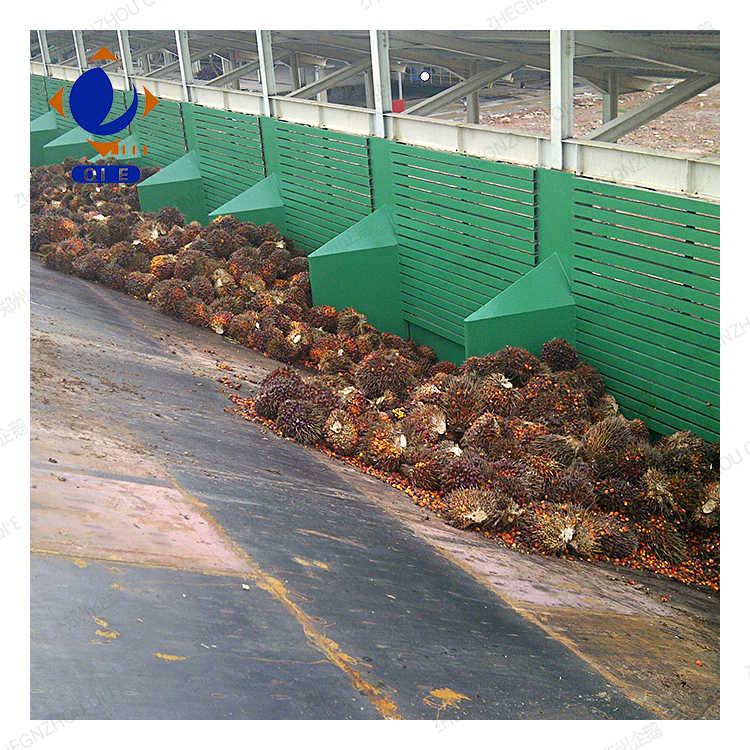
Here’s a simple, field-tested way to avoid blind investment. You can complete it in one working session with your operations lead.
- Define your “stable feed” number: average FFB tons/day and the lowest-month scenario. Then decide your target utilization (recommendation: 70–90%).
- Set performance targets you can verify: unit electricity near ≤15 kWh/ton oil (reference), residual oil loss target around <1% (reference), and a downtime tolerance (e.g., <6 hours/month planned + unplanned).
- Map your constraints: available footprint, water supply, steam/heating approach, waste handling, and operator skill level.
- Request a component-level BOM summary: motors, pumps, gearbox, shafts/bearings, key sensors, plus recommended spare parts for 12 months.
- Run a “maintenance reality test”: ask for routine checklist + time-per-task. If it can’t be done consistently, reliability drops fast.
Infographic hint (for your designer): Turn the 5 steps above into a flowchart with decision gates: “Stable FFB supply?” → “Power quality OK?” → “Layout fits?” → “Maintenance capacity?” → “Compliance documents?”
Where Full Automation Actually Helps (and Where It Doesn’t)
For many small-to-mid processors, full automation pays off fastest at bottlenecks: consistent feeding, stable pressing parameters, and controlled clarification—especially when labor cost is rising or skilled operators are hard to retain.
A well-engineered fully automatic BTMA palm oil production line is typically chosen not because it’s “high-tech,” but because it can hold process variables steady—helping you protect yield, reduce rework, and keep kWh/ton predictable during long runs. That said, automation should always come with: manual override, clear alarms, and maintenance-friendly design.
Ask yourself (and answer honestly)
If your best operator is absent tomorrow, can the rest of your team run the line safely, keep oil quality stable, and complete routine maintenance without improvisation?
Get a Fit-First Recommendation from 企鹅集团
If you share your daily FFB supply range, power situation, site footprint, and labor plan, we’ll help you shortlist a configuration that targets stable throughput, low unit energy, and reliable uptime—without overbuying capacity.
One last question to keep on your desk while comparing suppliers: Which option still makes sense when your fruit supply drops by 20% for two months?