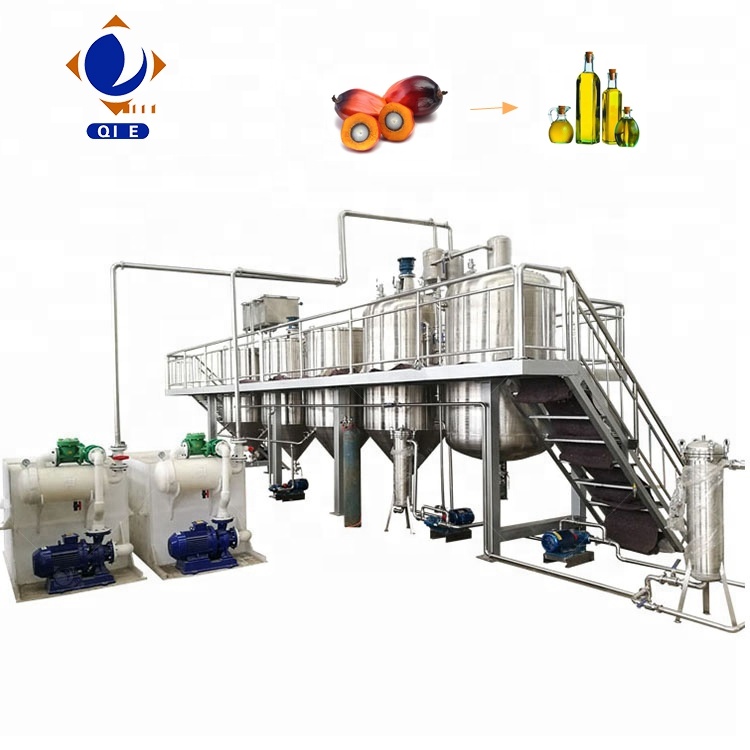
You’re not alone if you're weighing the pros and cons of manual, semi-automatic, or fully automatic palm oil extraction systems. With daily processing needs ranging from 5 to 50 tons per day, many operators struggle with high upfront costs, unclear ROI, and poor long-term reliability.
| Feature | Manual | Semi-Automatic | Fully Automatic |
|---|---|---|---|
| Daily Output (tons) | 5–15 | 15–35 | 35–50+ |
| Labor Required (people/day) | 4–6 | 2–4 | 1–2 |
| Maintenance Complexity | High | Medium | Low |
| Future Scalability | Poor | Good | Excellent |
For example, a Malaysian mill that switched from manual to semi-automatic saw a 30% drop in labor cost within six months — without sacrificing quality. But they also learned the hard way: skipping proper voltage checks led to motor overheating after just two weeks.
“We thought we could save money by installing the extractor ourselves. It took us three days and $800 in repair fees to fix misaligned rollers. Now we always hire certified technicians.” – Ahmad, Owner, Indonesia Palm Mill
Prevent downtime before it starts. Follow this simple routine:
If you notice unusual noise, inconsistent oil flow, or frequent shutdowns — don’t wait. Use our Quick Fault Diagnosis Flowchart to identify root causes like clogged filters, worn gears, or electrical faults.
Get expert guidance tailored to your factory size, location, and production goals — including installation support, training, and remote diagnostics.
Explore Customized Solutions for Your Palm Oil Plant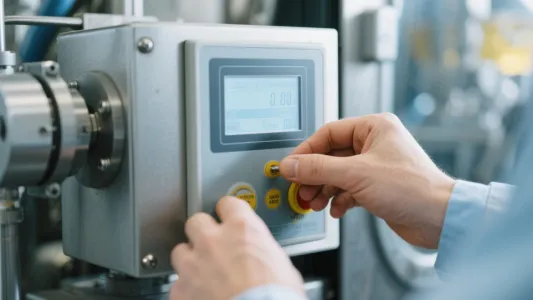
 33
|
33
|
 small-scale palm oil production line
cold and hot pressing technology
304 stainless steel equipment
palm kernel oil yield
customized palm oil machinery
small-scale palm oil production line
cold and hot pressing technology
304 stainless steel equipment
palm kernel oil yield
customized palm oil machinery
 144
|
small palm oil refining equipment
oil refining machine for small scale
environmentally friendly palm oil refining
high yield palm oil refining equipment
automated palm oil refining system
low energy consumption palm oil equipment
palm oil refining technology
QI'E Group palm oil refining solutions
144
|
small palm oil refining equipment
oil refining machine for small scale
environmentally friendly palm oil refining
high yield palm oil refining equipment
automated palm oil refining system
low energy consumption palm oil equipment
palm oil refining technology
QI'E Group palm oil refining solutions
 35
|
palm oil production
small-scale equipment
cold pressing
hot pressing
high oil yield
304 stainless steel
customizable
industry standards
comprehensive service
35
|
palm oil production
small-scale equipment
cold pressing
hot pressing
high oil yield
304 stainless steel
customizable
industry standards
comprehensive service
 91
|
Palm oil equipment
Energy-saving oil press
Automated oil extraction production line
PLC-controlled oil mill equipment
High-efficiency oil processing technology
91
|
Palm oil equipment
Energy-saving oil press
Automated oil extraction production line
PLC-controlled oil mill equipment
High-efficiency oil processing technology
 296
|
mini palm oil refining machine
advanced palm oil production technology
easy-to-use palm oil equipment
296
|
mini palm oil refining machine
advanced palm oil production technology
easy-to-use palm oil equipment