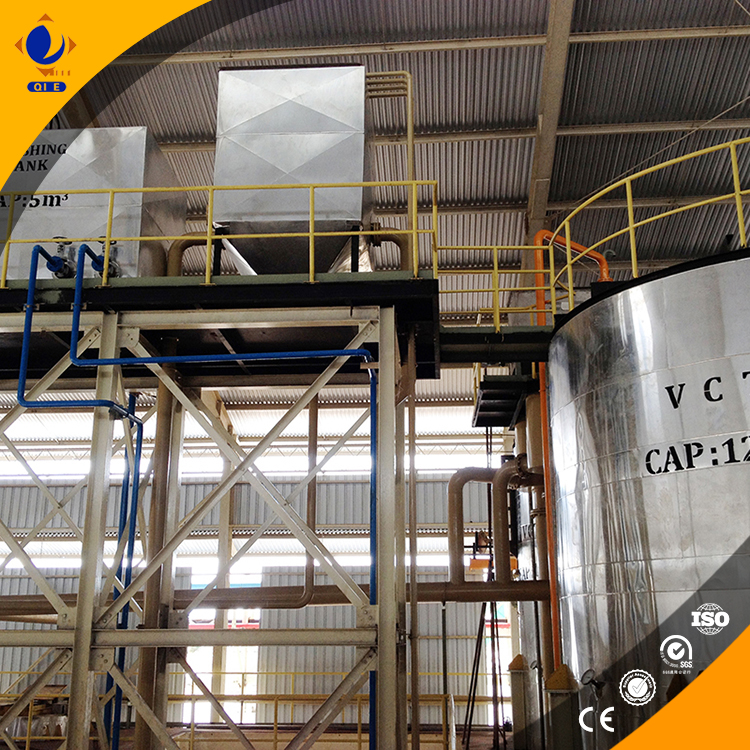
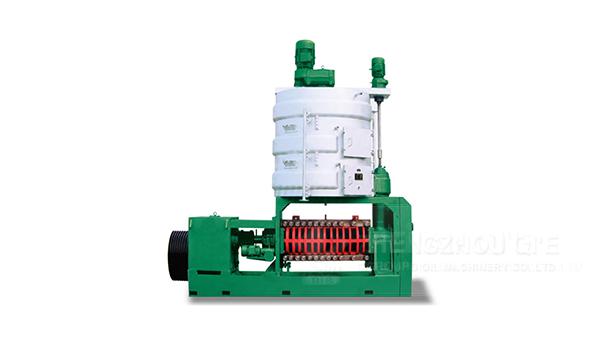
If you're running a palm oil mill with daily capacities between 5 and 50 tons, one question likely keeps you up at night: Is my current level of automation worth the investment?
Manual systems may seem cheaper upfront—but they come with hidden costs: inconsistent output, high labor dependency, and frequent breakdowns. On the other hand, full automation can be overwhelming if not matched to your team’s skill level or production goals.
Based on real-world data from over 70 small mills across Indonesia, Malaysia, and Nigeria:
That means upgrading from manual to semi-auto could reduce your unit labor cost by up to 28%, without needing major technical changes.
A family-run mill in Ashanti Region upgraded from manual pressing to semi-automated extraction. Within six months:
They didn’t replace all equipment overnight—they phased it in based on capacity growth and staff training schedules.
Before installing any system, ensure:
These aren't just best practices—they’re what prevent costly mistakes that derail your first year of operation.
Here’s what your technician should do weekly:
Even minor neglect leads to premature wear—especially in humid climates where moisture accelerates corrosion.
Pro Tip: Keep a digital logbook (Google Sheets or simple app). It helps identify patterns before failures happen—and builds trust with investors or bank auditors.
At this stage, you might wonder: “What if I don’t know how to choose?” That’s exactly why we built our Customized Process Mapping Tool—it guides you step-by-step through selecting the right automation level for your space, team, and future plans.
Whether you're just starting out or scaling up, the key is making decisions based on actual workflow—not marketing hype.
Get personalized recommendations tailored to your mill size, location, and team capabilities.
Explore Custom Solutions for Your Palm Oil MillGot questions about choosing the right automation level? Drop them below—we reply within 24 hours.
 348
|
348
|
 20 ton automatic palm kernel oil processing equipment
automatic palm kernel oil processing machine
palm oil processing machine
high efficiency palm oil equipment
durable palm kernel oil processing
ISO9001 certified palm oil processing
energy-saving palm oil processing machinery
palm oil extraction equipment
palm oil manufacturing equipment
20 ton automatic palm kernel oil processing equipment
automatic palm kernel oil processing machine
palm oil processing machine
high efficiency palm oil equipment
durable palm kernel oil processing
ISO9001 certified palm oil processing
energy-saving palm oil processing machinery
palm oil extraction equipment
palm oil manufacturing equipment
 217
|
Palm oil pressing equipment maintenance
Core component maintenance techniques
Pressing machine gear lubrication
Bearing maintenance cycle
Palm oil production line fault troubleshooting
217
|
Palm oil pressing equipment maintenance
Core component maintenance techniques
Pressing machine gear lubrication
Bearing maintenance cycle
Palm oil production line fault troubleshooting
 486
|
small palm oil refining machine quality enhancement
automated palm oil refining equipment Nigeria
energy-efficient palm oil processing technology
486
|
small palm oil refining machine quality enhancement
automated palm oil refining equipment Nigeria
energy-efficient palm oil processing technology
 230
|
Automatic Palm Oil Pressing Equipment
Palm Oil Processing Machine
High Efficiency Palm Oil Pressing
304 Stainless Steel Palm Oil Equipment
Energy Efficient Palm Oil Production
Customizable Palm Oil Processing Equipment
ISO9001 Certified Palm Oil Machine
Advanced Technology Palm Oil Press
Palm Oil Production Service Solutions
Palm Oil Equipment with 3 Year Warranty
230
|
Automatic Palm Oil Pressing Equipment
Palm Oil Processing Machine
High Efficiency Palm Oil Pressing
304 Stainless Steel Palm Oil Equipment
Energy Efficient Palm Oil Production
Customizable Palm Oil Processing Equipment
ISO9001 Certified Palm Oil Machine
Advanced Technology Palm Oil Press
Palm Oil Production Service Solutions
Palm Oil Equipment with 3 Year Warranty
 33
|
automated palm oil processing equipment
palm oil mill automation upgrade
oil extraction machine installation
voltage compatibility for industrial machinery
palm oil plant maintenance checklist
33
|
automated palm oil processing equipment
palm oil mill automation upgrade
oil extraction machine installation
voltage compatibility for industrial machinery
palm oil plant maintenance checklist