
For small and medium-sized palm oil producers looking to boost efficiency and reduce labor costs, automation isn’t just an option—it’s a necessity. But choosing the right system isn’t about picking the most advanced equipment. It’s about matching your production volume, technical capacity, and budget with a solution that scales safely and sustainably.
Manual systems still dominate in low-volume mills (<5 tons/day), but they require 4–6 operators per shift and are prone to inconsistency. Semi-automatic setups (5–20 tons/day) offer better control with fewer staff—typically 2–3 workers—and improved yield accuracy. Fully automated lines (>20 tons/day) can cut labor costs by up to 40% while increasing throughput by 25–30%, according to case studies from Malaysia and Indonesia.
Real-world example: A 12-ton/day mill in Nigeria upgraded from manual to semi-auto using modular screw presses and PLC-controlled filters. Their monthly output rose from 300 to 420 tons, with energy consumption per ton dropping from 1.8 kWh to 1.3 kWh—a 28% improvement in operational efficiency.
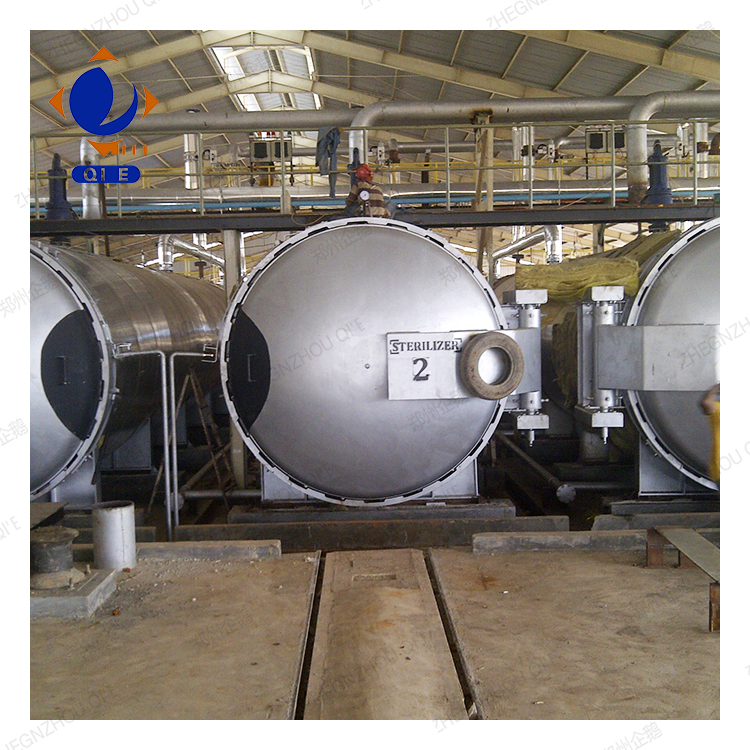
Before installing any equipment, verify two non-negotiables:
One client in Ghana lost $1,200 in downtime because their local power supply wasn’t checked before installation—an avoidable mistake that could have been prevented with a simple multimeter test and pre-installation site survey.
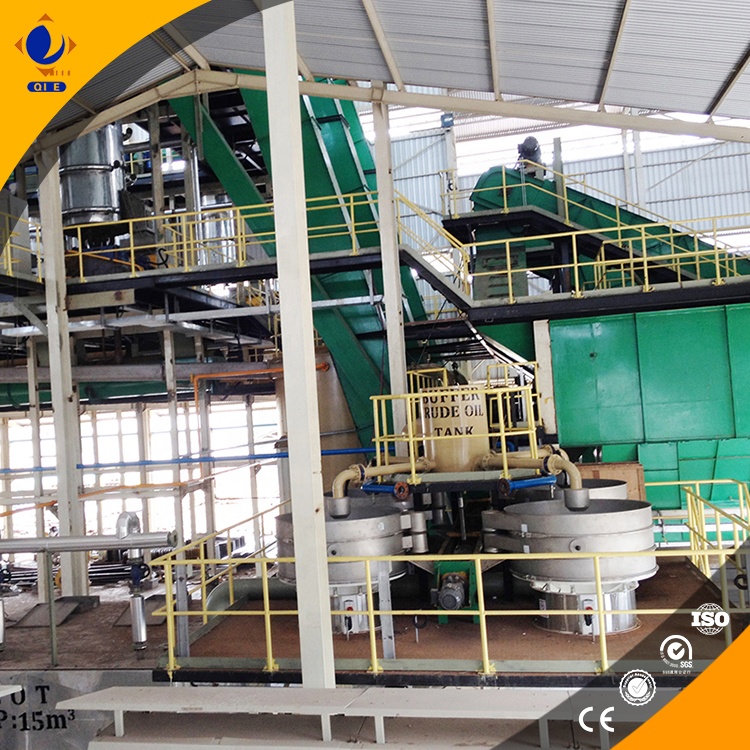
Even the best machines fail without routine care. Create a checklist based on manufacturer guidelines—clean filters daily, check hydraulic pressure weekly, and inspect bearings monthly. Common issues like clogged oil channels or worn belts can be caught early if logged in a maintenance journal.
Pro tip: Train at least one team member in basic diagnostics—not just technicians, but supervisors too. This reduces response time from hours to minutes and minimizes unplanned stoppages.
According to our data, mills that follow structured maintenance plans see 35% fewer breakdowns and extend equipment life by 2–3 years compared to those who don’t.
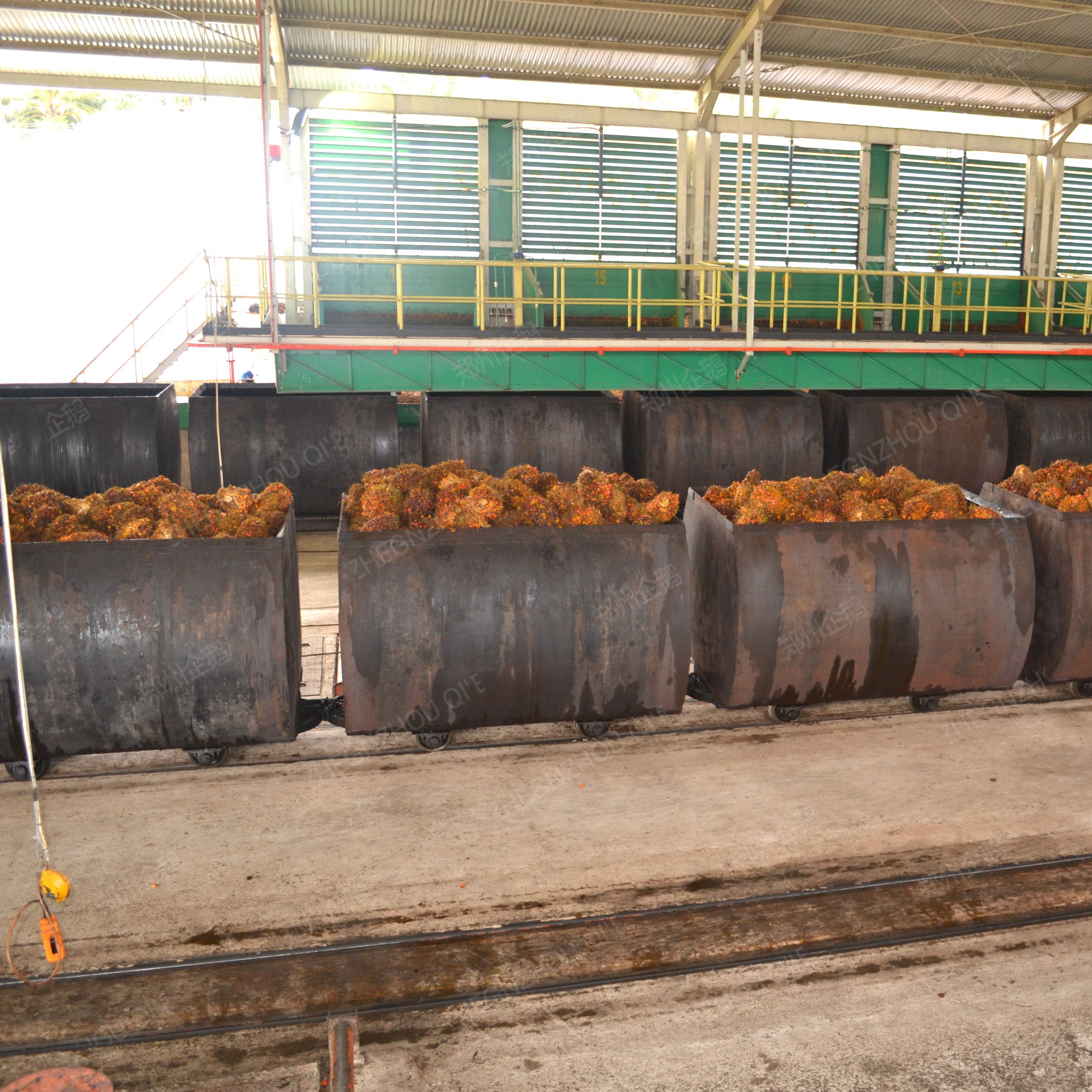
Get a free feasibility assessment tailored to your mill size, location, and current setup—including voltage compatibility checks, foundation recommendations, and ROI projections.
Download Our Free Palm Oil Automation Checklist




