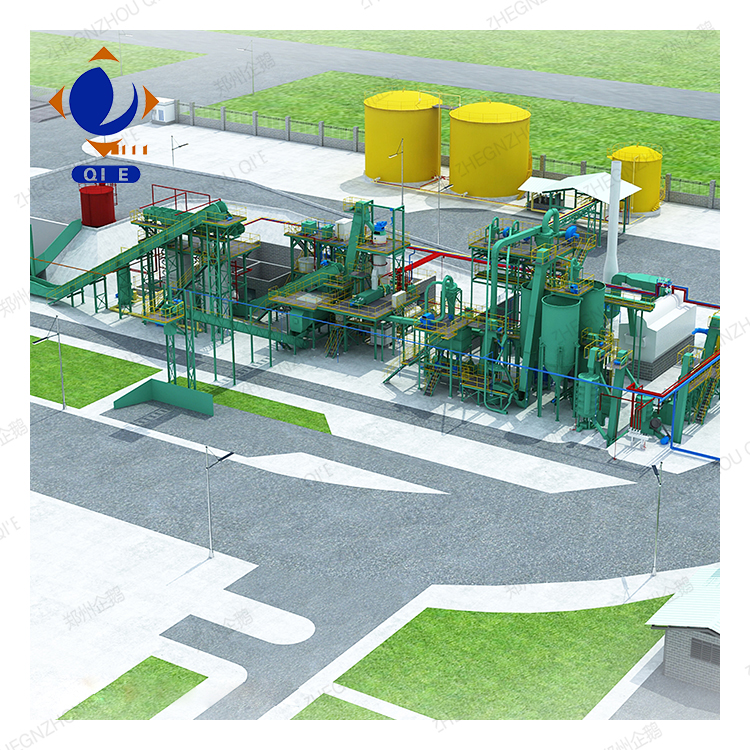
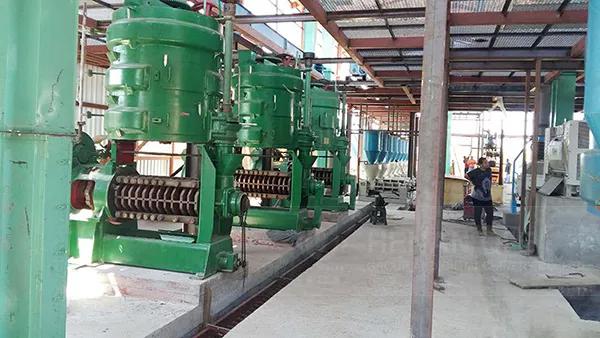
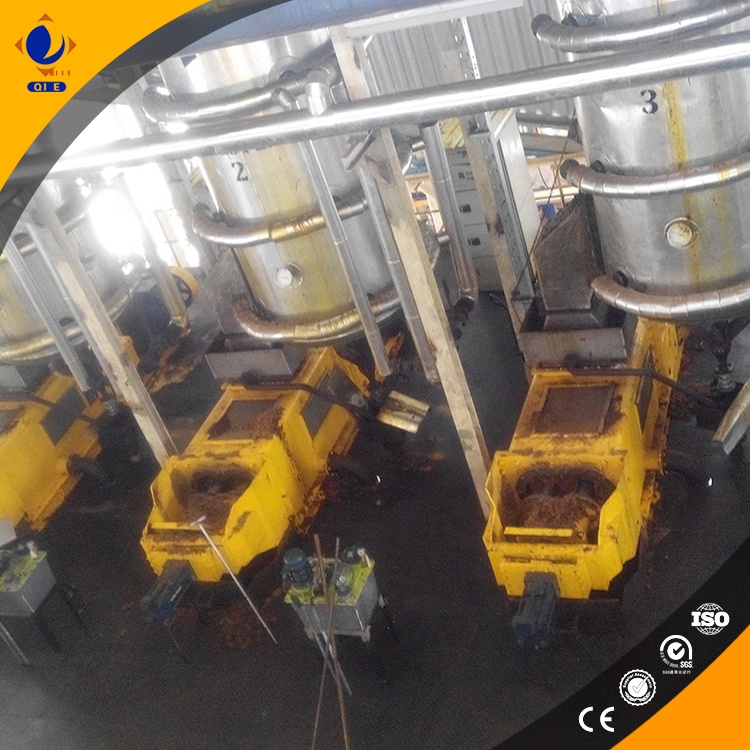
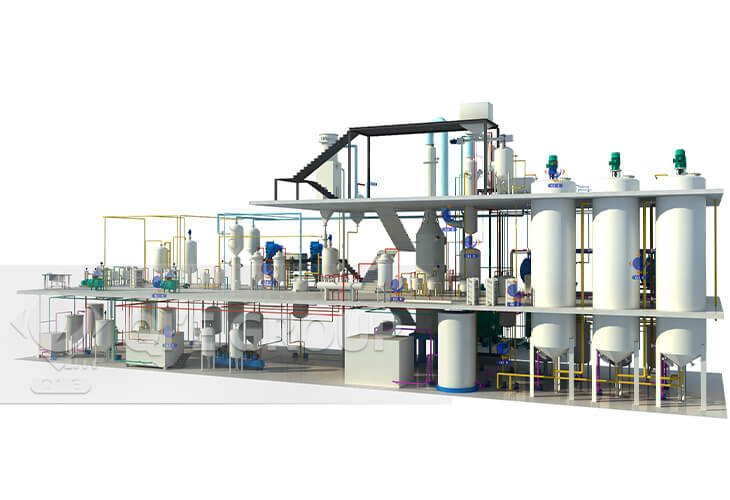
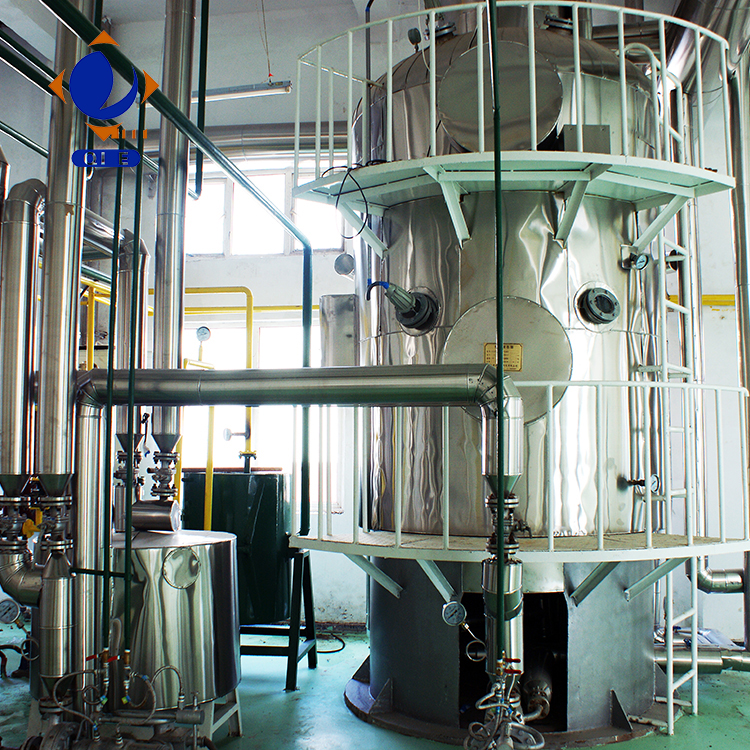
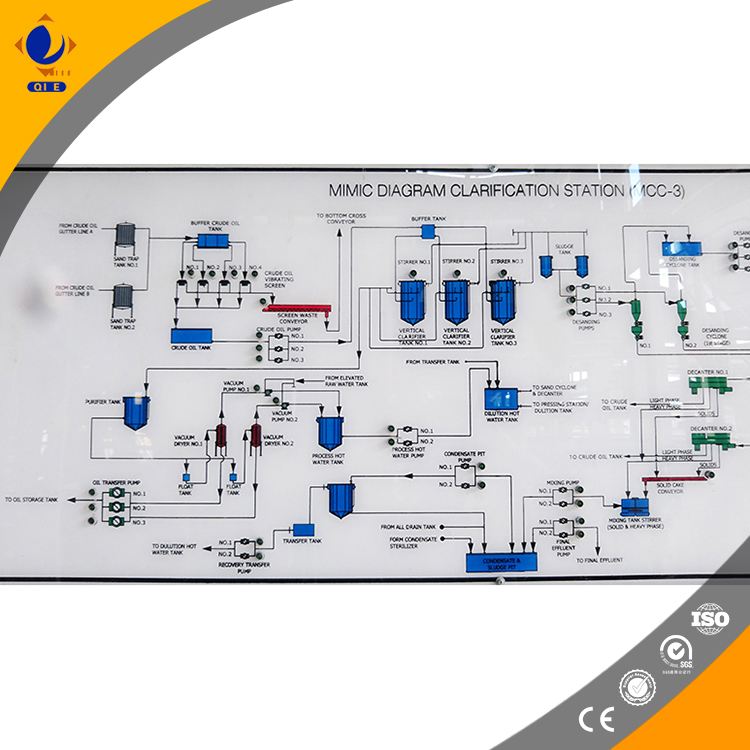
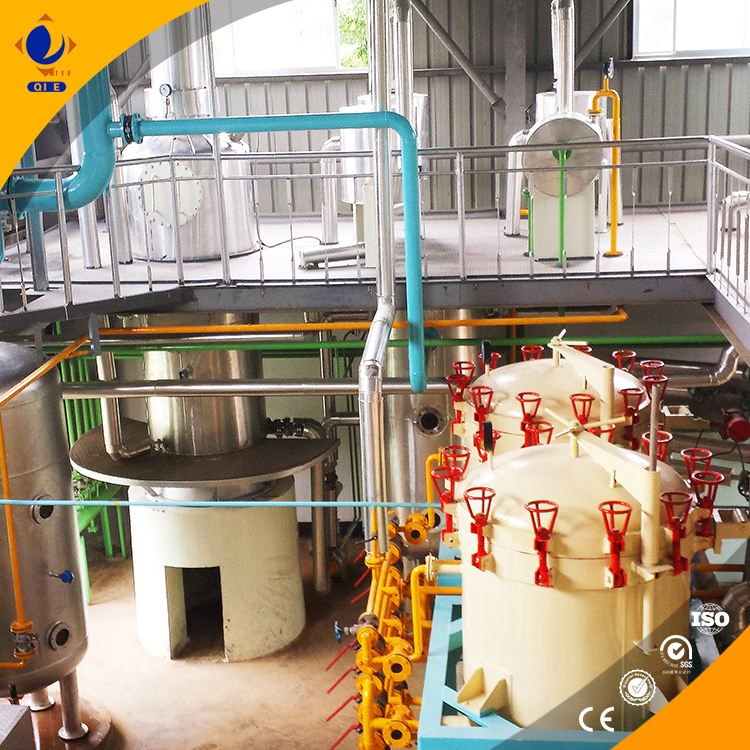
For small and medium palm oil producers, upgrading from manual or semi-automatic systems to full automation isn’t just a trend—it’s a necessity for survival in today’s competitive market. According to industry data, mills that automate their extraction lines see an average 25–40% increase in daily throughput and reduce labor costs by up to 35% within the first year.
Many operators hesitate due to upfront investment concerns—but smart automation pays off fast. Take PT Sinar Jaya, a mid-sized mill in Indonesia with 10 tons/day capacity: after switching to a semi-auto system, they cut downtime by 40%, reduced operator errors by 60%, and saw ROI in just 9 months. Their manager said, “We didn’t expect such a clear jump in consistency—we now produce premium-grade crude palm oil consistently.”
| System Type | Daily Capacity (tons) | Avg. Labor Cost/Day | Ideal For |
|---|---|---|---|
| Manual | 3–5 | $30–$50 | Startups / Trial Runs |
| Semi-Auto | 6–12 | $20–$35 | Growth-phase Mills |
| Fully Auto | 15–30+ | $10–$25 | Established Operations |
One common mistake? Skipping proper foundation planning. In Malaysia, a mill lost $12k in repairs because the floor wasn’t reinforced for the machine’s weight—typically 8–12 tons for a standard auto line. Always check:
A well-maintained system lasts 10+ years—without it, even top-tier equipment fails early. Create a simple checklist:
Pro tip: Use our free maintenance calendar template—downloadable via email sign-up—to stay ahead of issues before they become costly breakdowns.
“What surprised us most was how easy it was to train new staff—our team went from 6 people to 3, without losing output.” — Arif Rahman, Plant Manager, PT Bumi Lestari, Sumatra
Get a customized automation plan tailored to your mill size, budget, and goals—no pressure, just expert advice.
Explore Customized Solutions Now
 227
|
227
|
 Palm Kernel Oil Extraction Equipment
Palm Kernel Oil Refining Equipment
Oil Refining Machine
Automated Palm Kernel Oil Equipment
High Efficiency Palm Shell Oil Extraction
Low Residual Oil Palm Kernel Extraction
Eco-friendly Oil Refining Equipment
Quality Certified Oil Extraction Machines
Palm Kernel Oil Extraction Equipment
Palm Kernel Oil Refining Equipment
Oil Refining Machine
Automated Palm Kernel Oil Equipment
High Efficiency Palm Shell Oil Extraction
Low Residual Oil Palm Kernel Extraction
Eco-friendly Oil Refining Equipment
Quality Certified Oil Extraction Machines
 231
|
5tph Palm Oil Processing Machine
10tph Palm Oil Processing Equipment
30tph Palm Oil Processing Equipment
Palm Oil Processing Solutions
Automated Palm Oil Extraction
High Efficiency Palm Oil Machines
ISO9001 Certified Palm Oil Equipment
Durable Palm Oil Processing Systems
Cost-effective Palm Oil Processing
Complete Palm Oil Machinery
231
|
5tph Palm Oil Processing Machine
10tph Palm Oil Processing Equipment
30tph Palm Oil Processing Equipment
Palm Oil Processing Solutions
Automated Palm Oil Extraction
High Efficiency Palm Oil Machines
ISO9001 Certified Palm Oil Equipment
Durable Palm Oil Processing Systems
Cost-effective Palm Oil Processing
Complete Palm Oil Machinery
 242
|
PLC automation control
palm oil pressing automation
industrial sensor applications
remote equipment monitoring
palm oil production optimization
242
|
PLC automation control
palm oil pressing automation
industrial sensor applications
remote equipment monitoring
palm oil production optimization
 469
|
multifunctional mini palm oil production equipment
efficient application in manufacturing plants
palm oil processing equipment
Penguin Group
cold and hot pressing technology
personalized customization
469
|
multifunctional mini palm oil production equipment
efficient application in manufacturing plants
palm oil processing equipment
Penguin Group
cold and hot pressing technology
personalized customization
 110
|
50-80 tons per day palm oil extraction production line
high efficiency palm oil processing machine
automatic palm oil extraction production line
110
|
50-80 tons per day palm oil extraction production line
high efficiency palm oil processing machine
automatic palm oil extraction production line