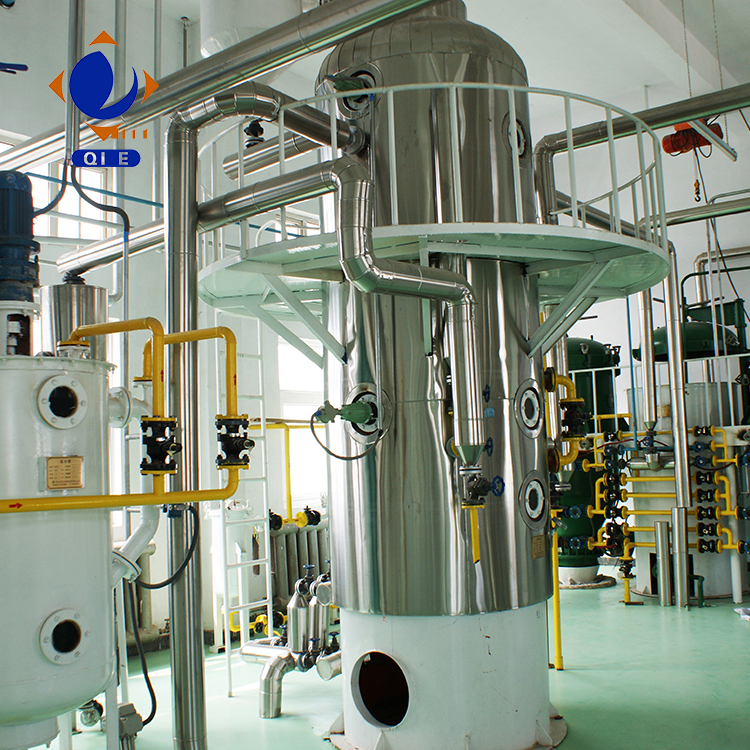
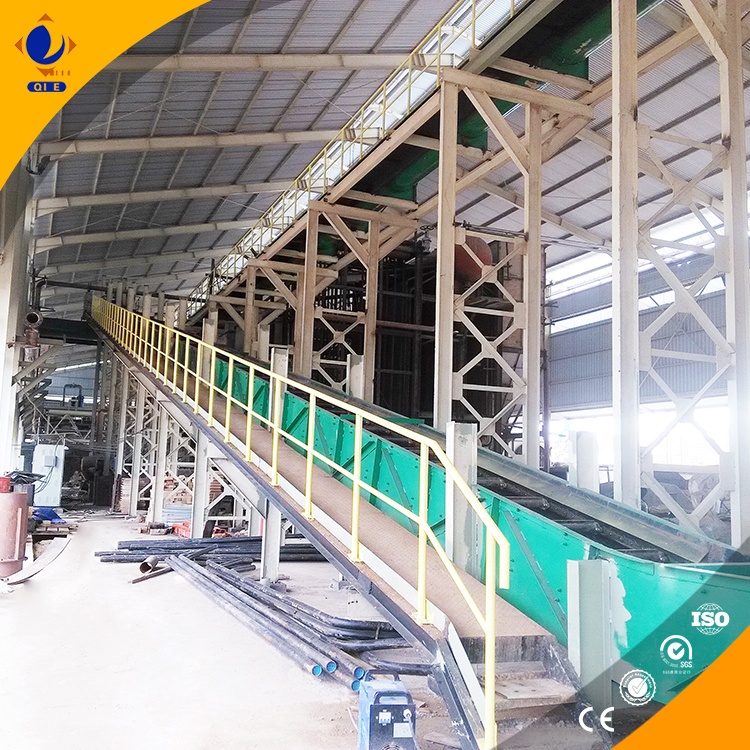
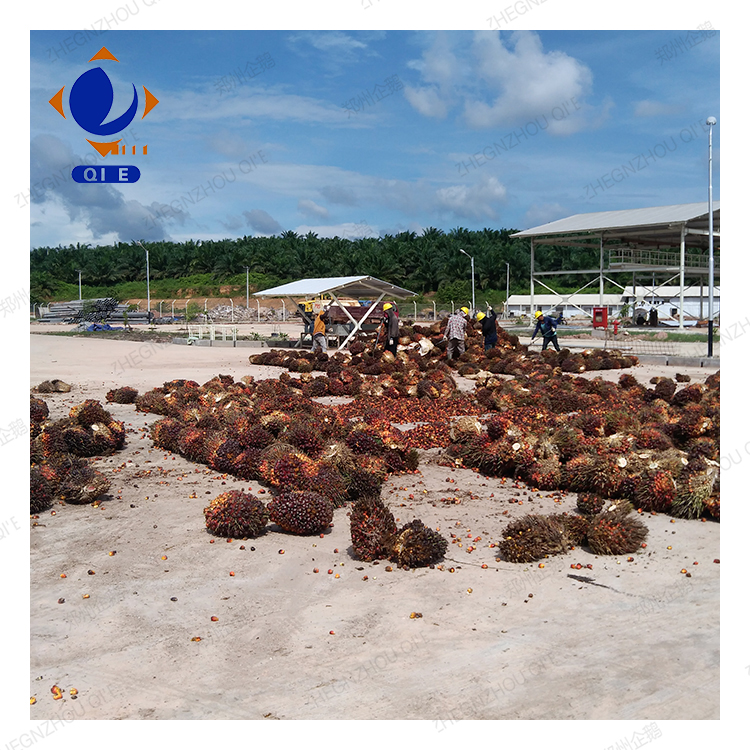
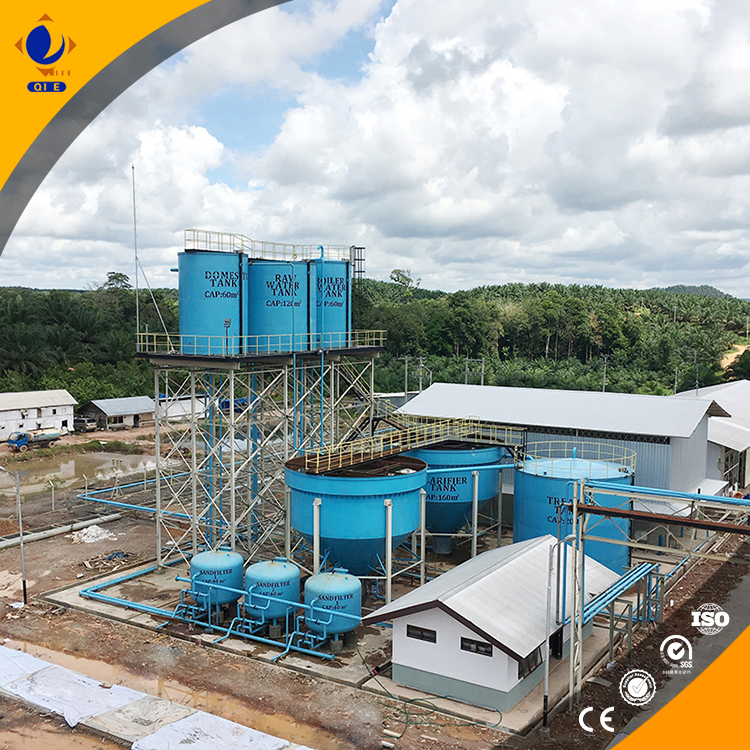
For small and medium palm oil producers in Southeast Asia, Africa, and Latin America, selecting the right automated oil extraction system isn’t just about efficiency—it’s about long-term sustainability. A well-chosen machine can reduce labor costs by up to 40% and increase throughput by 25–30%, according to a 2023 study by the International Tropical Timber Organization (ITTO).
If your mill processes 5–20 tons/day, a semi-automatic system (like our model POM-15S) offers the sweet spot between cost and control. It reduces manual handling while keeping initial investment under $15,000—ideal for startups or farms expanding slowly.
For higher volumes (30–50 tons/day), fully automated lines like the POM-40A cut downtime by 60% compared to manual setups. One user in Indonesia reported saving over 300 hours/year on maintenance alone after switching from batch processing to continuous flow systems.
| System Type | Avg. Labor Cost/Day | Maintenance Frequency | ROI Period |
|---|---|---|---|
| Manual | $80–$120 | Daily | 18–24 months |
| Semi-Auto | $40–$70 | Weekly | 12–18 months |
| Fully Auto | $20–$40 | Monthly | 8–12 months |
Before installing any press, verify ground load capacity—most industrial presses require at least 150 kg/m². Also, ensure voltage stability: fluctuations above ±10% can damage motor controllers. In Malaysia, one mill avoided costly repairs by adding a surge protector and grounding rod during setup.
Our engineers recommend scheduling monthly inspections using this checklist:
Pro Tip: Keep a digital logbook—users who track performance metrics see 20% fewer breakdowns within six months.
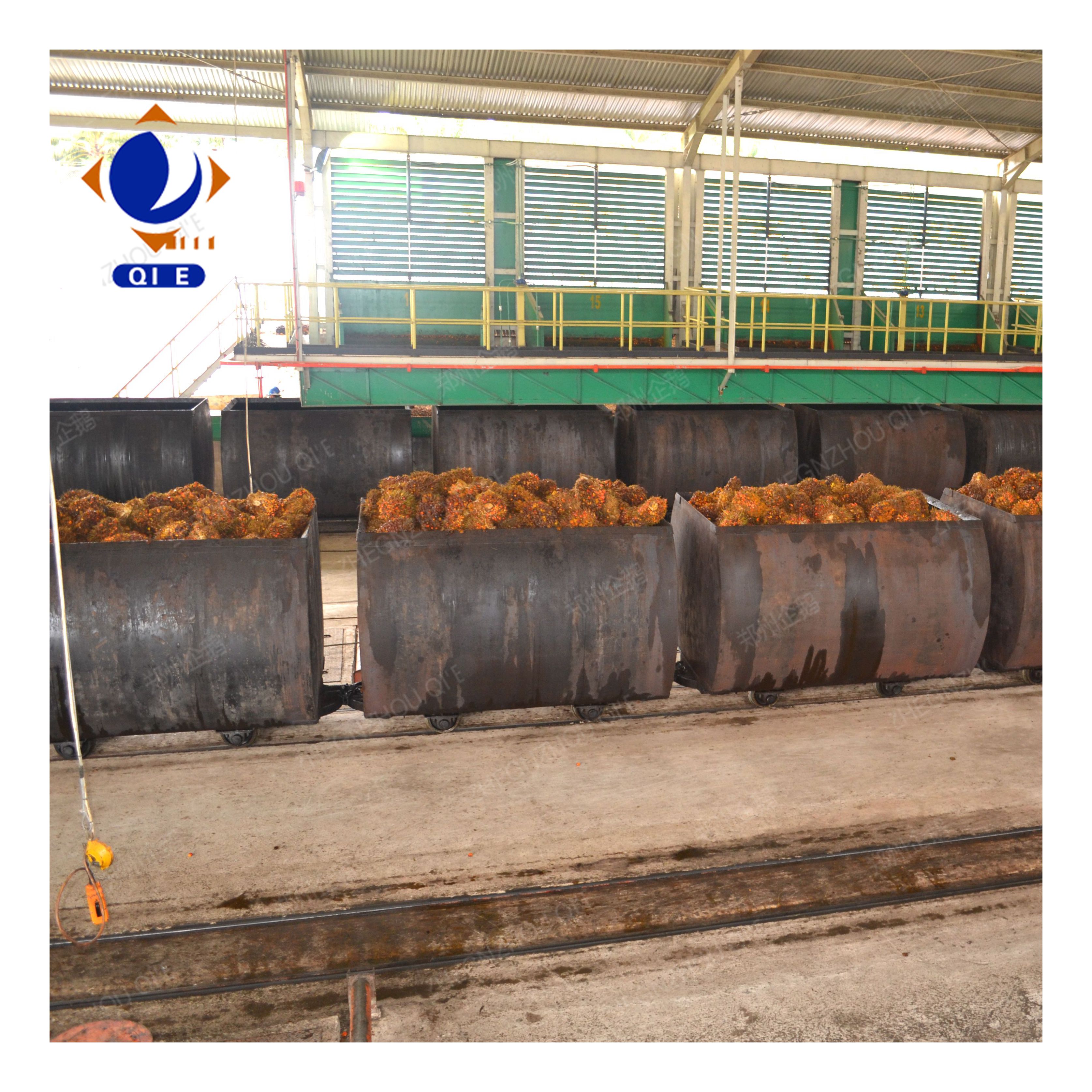
One of the top issues we see is clogged oil filters—often caused by poor pre-treatment of raw fruit bunches. A simple 3-step cleaning routine (rinse → soak in warm water → dry thoroughly) prevents 80% of filter failures.
Another frequent problem? Misaligned rollers. If you hear grinding noises, check alignment with a laser level—a quick fix that saves hundreds in repair fees.
Whether you're planning a new mill or upgrading existing equipment, understanding automation levels, installation best practices, and proactive maintenance will help you avoid common pitfalls—and keep your operations running smoothly for years.
 387
|
387
|
 Palm oil processing equipment
PLC intelligent control system
energy-efficient palm oil machinery
automated palm oil production
ISO9001 palm oil equipment
Palm oil processing equipment
PLC intelligent control system
energy-efficient palm oil machinery
automated palm oil production
ISO9001 palm oil equipment
 438
|
seed preprocessing solutions
technical support for oil production
vegetable oil manufacturing efficiency
438
|
seed preprocessing solutions
technical support for oil production
vegetable oil manufacturing efficiency
 212
|
palm oil refining machine
small scale palm oil processing
automated palm oil production
212
|
palm oil refining machine
small scale palm oil processing
automated palm oil production
 436
|
Energy-saving palm oil equipment
Low steam consumption palm oil equipment
PLC automation control
Pressure vessel standards
ISO 9001 quality management
436
|
Energy-saving palm oil equipment
Low steam consumption palm oil equipment
PLC automation control
Pressure vessel standards
ISO 9001 quality management
 248
|
palm oil refining equipment
compact palm oil refinery
production efficiency solution
248
|
palm oil refining equipment
compact palm oil refinery
production efficiency solution