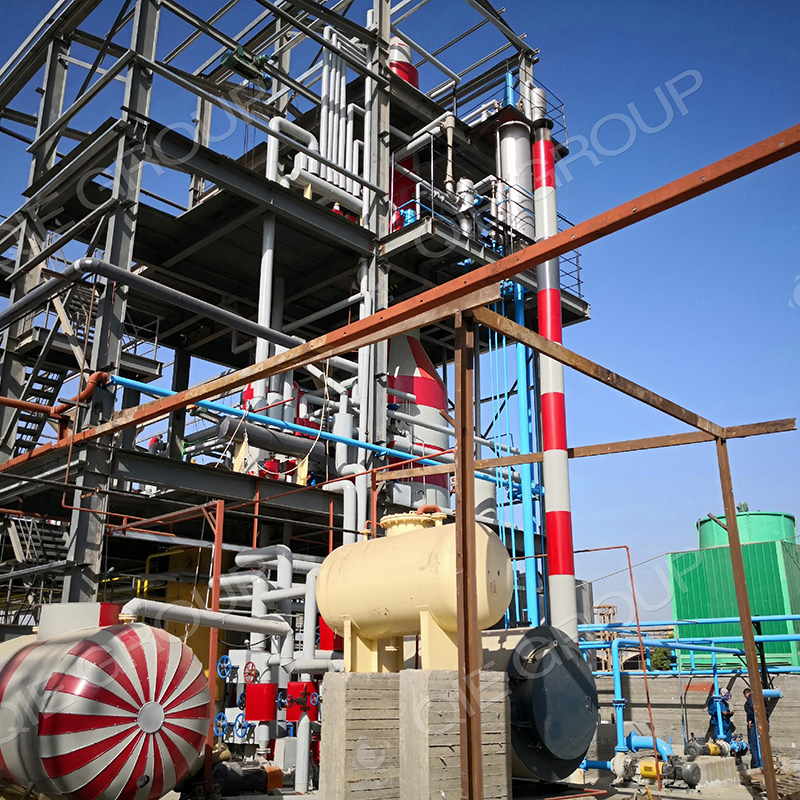
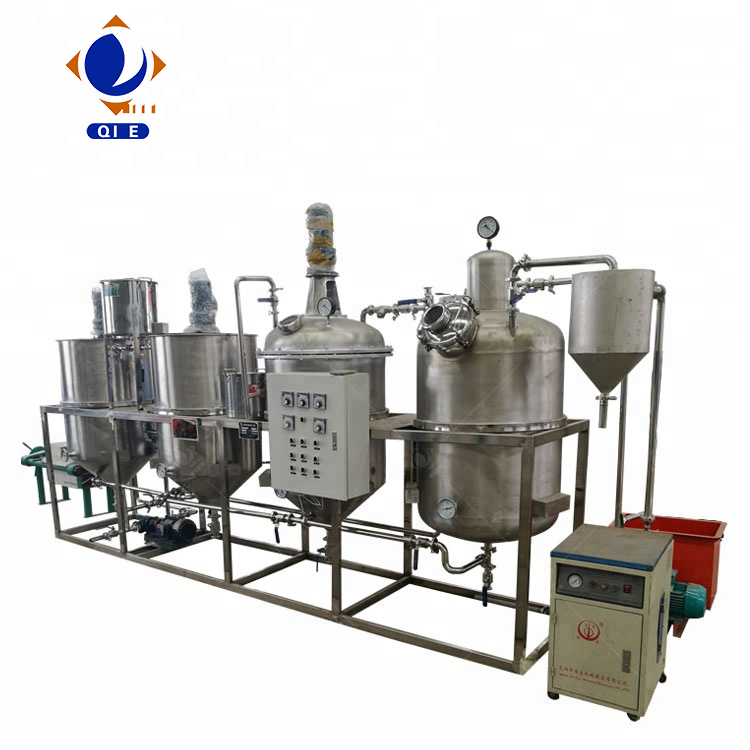
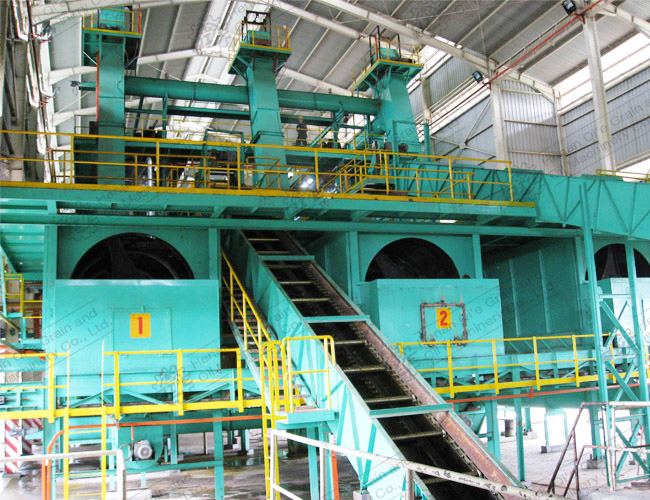
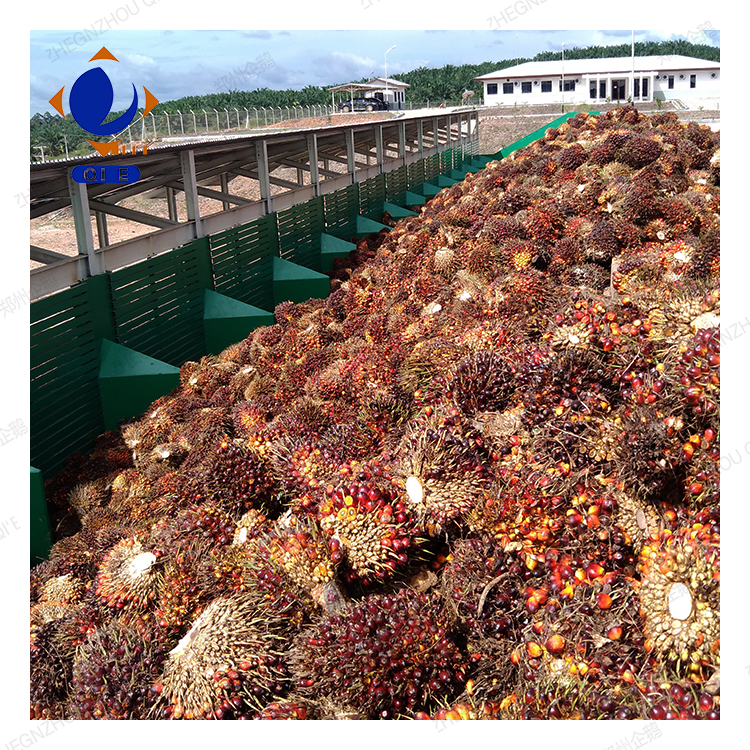
As a technical manager or procurement lead at a small to mid-sized palm oil mill, you know that choosing the right automated extraction system isn’t just about upfront cost—it’s about long-term operational stability and return on investment. Many facilities face unexpected delays or even safety issues due to overlooked installation factors like ground load capacity and voltage compatibility.
Let’s break it down with real-world data:
“We upgraded from semi-auto to full automation last year—we cut downtime by 40% and reduced our staffing needs by two people per shift.” — Ravi Singh, Operations Manager, PT Sinar Mas Jaya, Indonesia
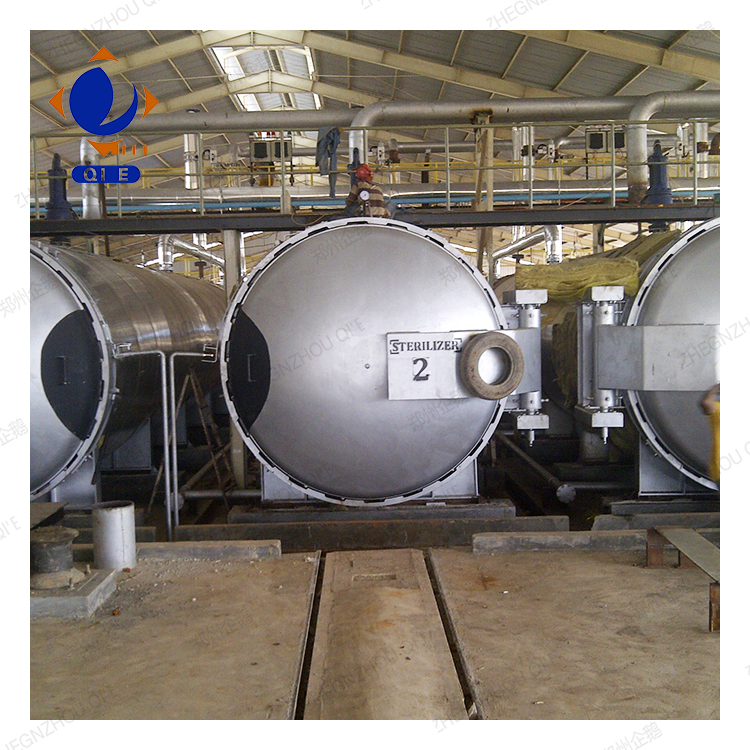
A typical 5-ton/hour palm oil processing line can weigh between 8–12 metric tons when fully loaded. If your foundation doesn’t support at least 1.5x this weight (i.e., 18–24 tons), vibration and misalignment will cause premature wear—and potentially catastrophic failure.
Here’s how to calculate safely:
Many global buyers don’t realize that not all machines are built for multiple voltages. Our clients often report issues when installing units designed only for 380V in regions where 220V or 440V is standard. At QIE Group, we design all new models to be compatible with 220V / 380V / 440V—no extra transformers needed.
This flexibility means faster deployment, fewer electrical risks, and lower integration costs—especially important if you're sourcing parts from different countries.
Prevent breakdowns before they happen. Use this simple checklist weekly:
If you notice unusual noise, inconsistent oil flow, or sudden power fluctuations—stop the machine immediately. These early signs can prevent major repairs costing $5k–$15k.
Whether you're planning an upgrade or starting fresh, getting the fundamentals right—from foundation to voltage—is critical. Let us help tailor a solution that fits your site, team, and goals.
Get Your Customized Installation Plan Now
 251
|
251
|
 Mini Palm Oil Production Line Equipment
Palm Oil Processing Machine
Small Scale Palm Oil Extractor
Eco-Friendly Palm Oil Production Equipment
304 Stainless Steel Palm Oil Machinery
Customizable Palm Oil Production Line
ISO9001 Certified Palm Oil Equipment
Reliable Palm Oil Production Solutions
Palm Oil Manufacturing Equipment
Advanced Cold and Hot Pressing Technology
Mini Palm Oil Production Line Equipment
Palm Oil Processing Machine
Small Scale Palm Oil Extractor
Eco-Friendly Palm Oil Production Equipment
304 Stainless Steel Palm Oil Machinery
Customizable Palm Oil Production Line
ISO9001 Certified Palm Oil Equipment
Reliable Palm Oil Production Solutions
Palm Oil Manufacturing Equipment
Advanced Cold and Hot Pressing Technology
 285
|
Palm oil production line maintenance
Equipment fault identification
Preventive maintenance
Palm oil production equipment care
Emergency response process
285
|
Palm oil production line maintenance
Equipment fault identification
Preventive maintenance
Palm oil production equipment care
Emergency response process
 323
|
Palm Kernel Oil Extraction Equipment
Palm Kernel Oil Refining Machine
Oil Refining Technology
323
|
Palm Kernel Oil Extraction Equipment
Palm Kernel Oil Refining Machine
Oil Refining Technology
 153
|
mini palm oil production line equipment
efficient eco-friendly oil extraction equipment
customized palm oil processing equipment
153
|
mini palm oil production line equipment
efficient eco-friendly oil extraction equipment
customized palm oil processing equipment
 356
|
seed preprocessing equipment for oil extraction
efficient vegetable oil production solutions
versatile oilseed processing line
356
|
seed preprocessing equipment for oil extraction
efficient vegetable oil production solutions
versatile oilseed processing line