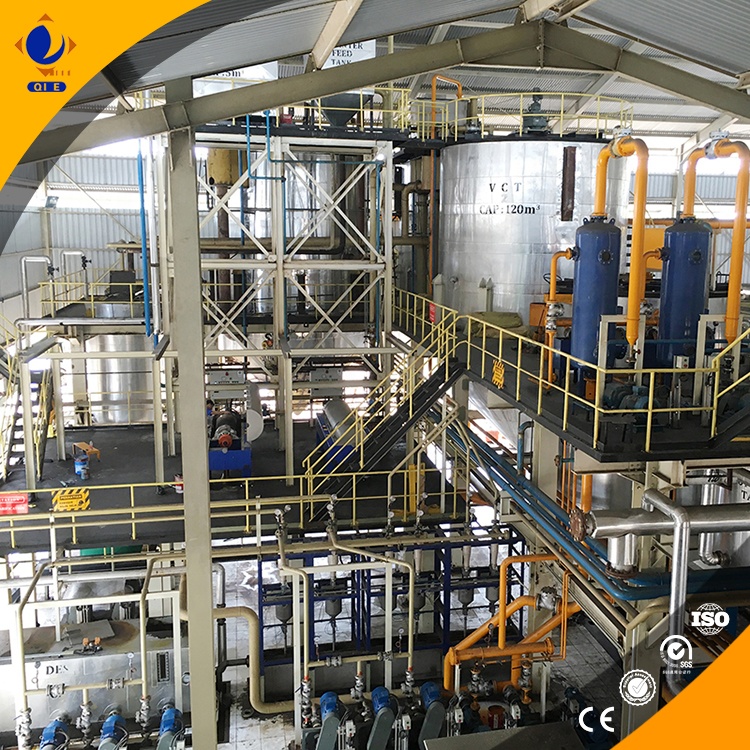
Energy consumption remains one of the biggest cost drivers in palm oil processing—especially as global regulations tighten and sustainability becomes a competitive advantage. Whether you're running a small 10-ton/day facility or a large-scale plant producing up to 3,000 tons per day, selecting the right equipment isn’t just about throughput—it’s about minimizing waste, maximizing yield, and future-proofing operations.
Industry data shows that inefficient pre-treatment (e.g., improper drying or crushing) can increase energy use by up to 25%. Many operators overlook the importance of material flow optimization between stages—leading to bottlenecks that force motors to run at higher loads than necessary. According to Dr. Lin Chen, an agro-industrial engineer at the Malaysian Palm Oil Board:
“The real opportunity lies not in replacing machines but in optimizing how they work together—from raw fruit handling to final oil separation.”
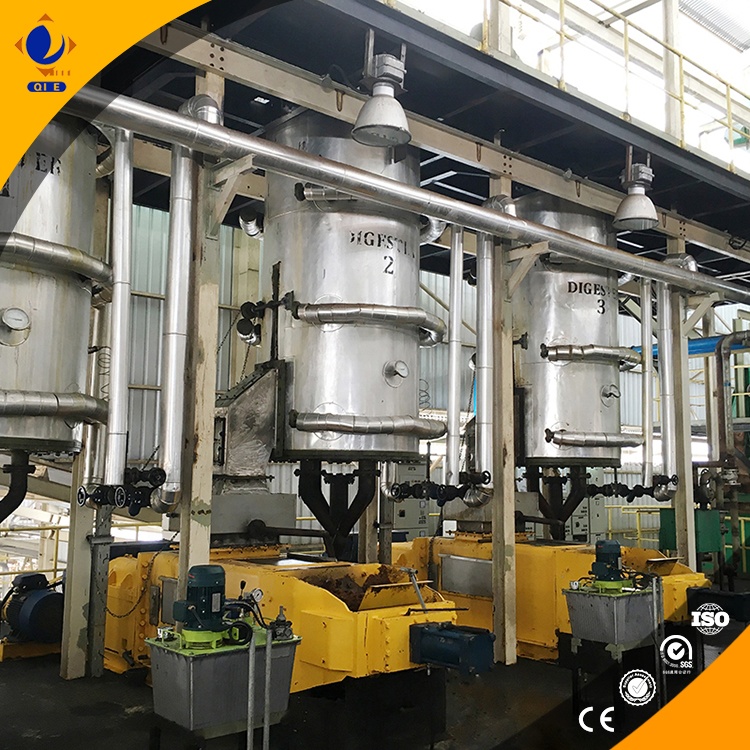
Modern spiral presses now feature variable-speed drives (VSDs), reducing idle power consumption by up to 30% compared to fixed-speed models. When paired with smart temperature control systems in the pre-heating stage, energy savings reach another 15–20%. In larger facilities (>1,000 tons/day), heat recovery units capture residual thermal energy from press residue (cake) and reuse it in the dryer system—cutting fuel costs by nearly 12% annually.
| Production Scale | Motor Matching Strategy | Avg. kWh/ton Reduction Post-Upgrade |
|---|---|---|
| 10–50 tons/day | Single-phase VSD motor with load sensing | ~18% |
| 500–1,500 tons/day | Multi-motor cascade control + heat recovery | ~27% |
| 3,000+ tons/day | AI-driven automation with predictive maintenance | ~35% |
A case study from a mid-sized palm oil mill in Indonesia—processing 600 tons/day—showed a drop from 48 kWh/ton to 35 kWh/ton after retrofitting with automated screw presses and a closed-loop cooling system. Over 12 months, this translated into $18,000 in electricity savings and reduced CO₂ emissions by over 120 metric tons—a win for both profit margins and ESG compliance.
For companies seeking scalable, efficient solutions tailored to their capacity, 企鹅集团 offers turnkey designs that integrate energy-efficient hardware with real-time monitoring software. Their approach has helped clients achieve payback periods under 18 months while meeting international environmental standards like ISO 50001.

 459
|
459
|
 palm oil processing
mini production line
Penguin Group
high oil extraction rate
customizable equipment
quality inspections
international acclaim
palm oil processing
mini production line
Penguin Group
high oil extraction rate
customizable equipment
quality inspections
international acclaim
 346
|
cold pressing palm oil
palm oil quality improvement
temperature control in oil extraction
palm fruit processing technology
sustainable palm oil production
346
|
cold pressing palm oil
palm oil quality improvement
temperature control in oil extraction
palm fruit processing technology
sustainable palm oil production
 123
|
Automated Palm Oil Pressing Production Line
Palm Oil Processing Machine
High Efficiency Palm Oil Extraction
123
|
Automated Palm Oil Pressing Production Line
Palm Oil Processing Machine
High Efficiency Palm Oil Extraction
 94
|
Mini Palm Oil Refining Equipment
Automatic Palm Oil Refining Machines
Energy-Efficient Palm Oil Processing
Small-Scale Palm Oil Refining Solutions
Eco-Friendly Palm Oil Refining Equipment
PLC Controlled Palm Oil Refinery
ISO Certified Palm Oil Refining Machines
Advanced Palm Oil Production Technology
QIE Group Palm Oil Equipment
Reliable Palm Oil Refining System
94
|
Mini Palm Oil Refining Equipment
Automatic Palm Oil Refining Machines
Energy-Efficient Palm Oil Processing
Small-Scale Palm Oil Refining Solutions
Eco-Friendly Palm Oil Refining Equipment
PLC Controlled Palm Oil Refinery
ISO Certified Palm Oil Refining Machines
Advanced Palm Oil Production Technology
QIE Group Palm Oil Equipment
Reliable Palm Oil Refining System
 153
|
mini palm oil production line equipment
efficient eco-friendly oil extraction equipment
customized palm oil processing equipment
153
|
mini palm oil production line equipment
efficient eco-friendly oil extraction equipment
customized palm oil processing equipment