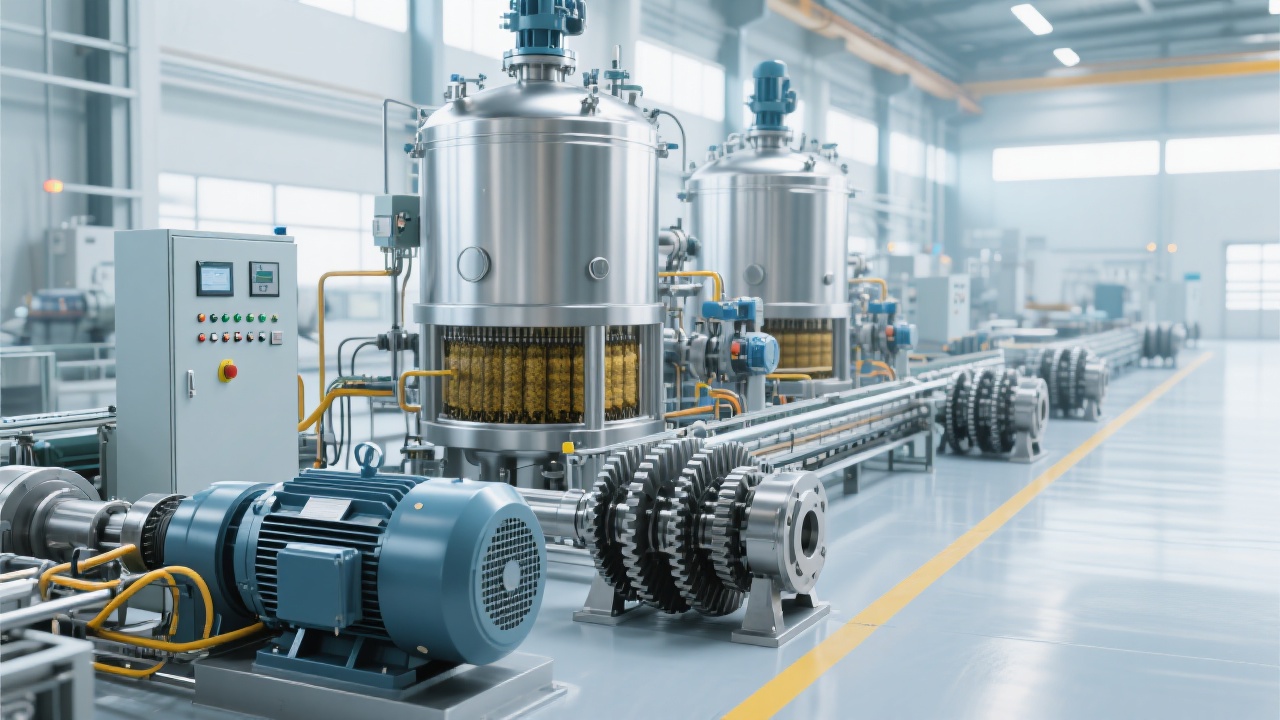
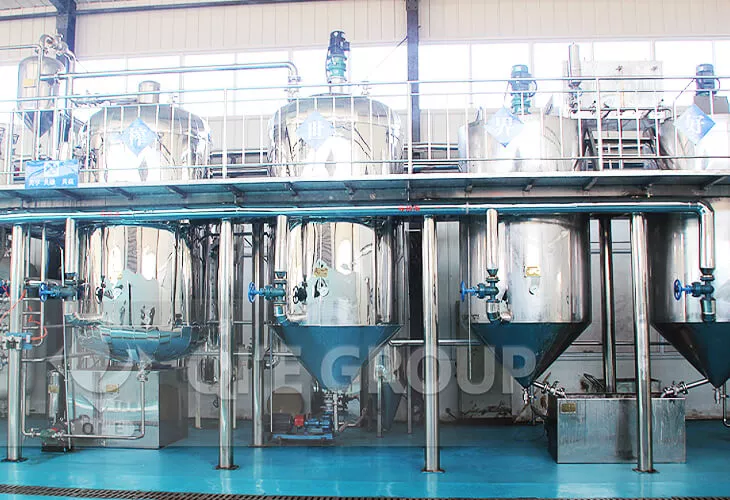
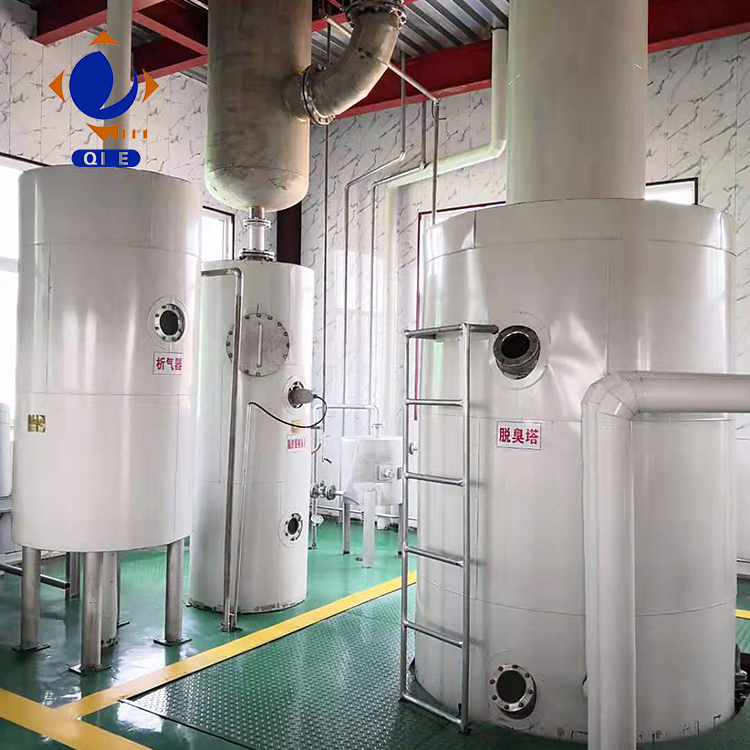
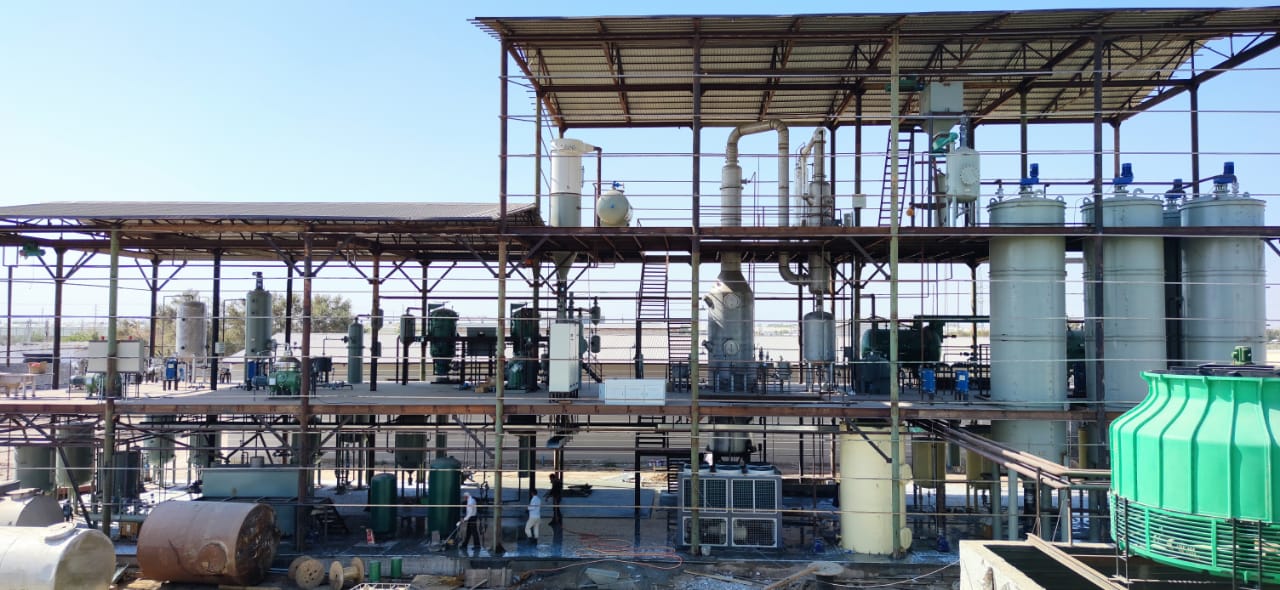
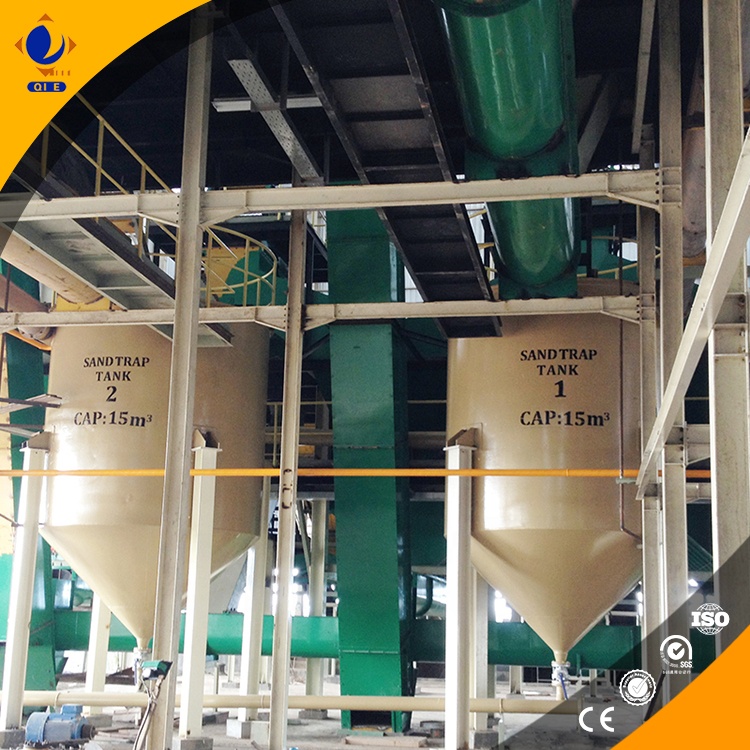
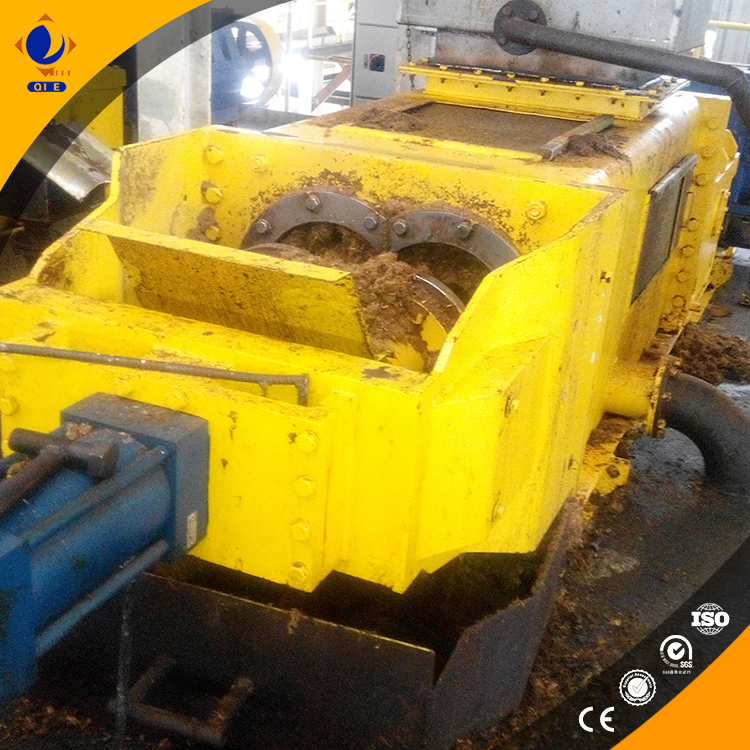
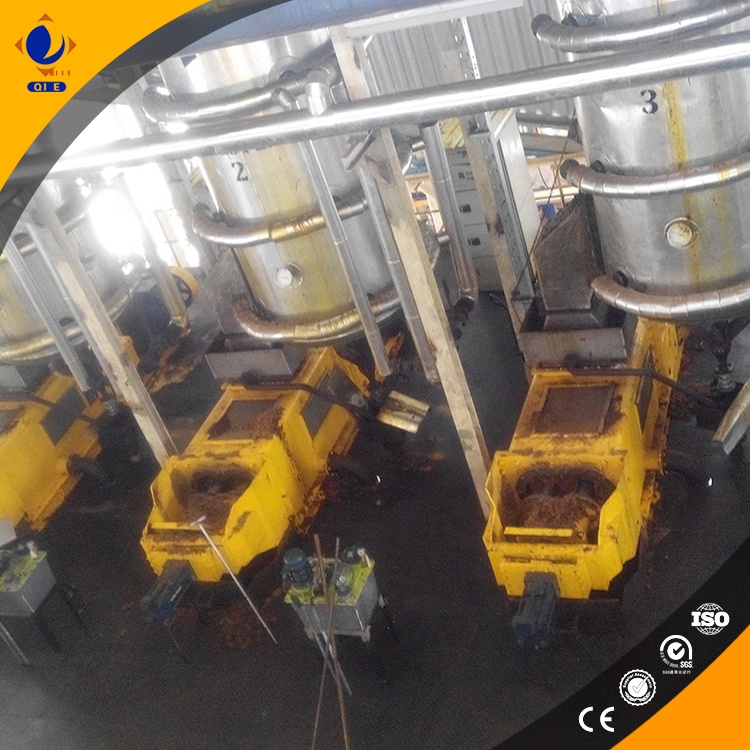
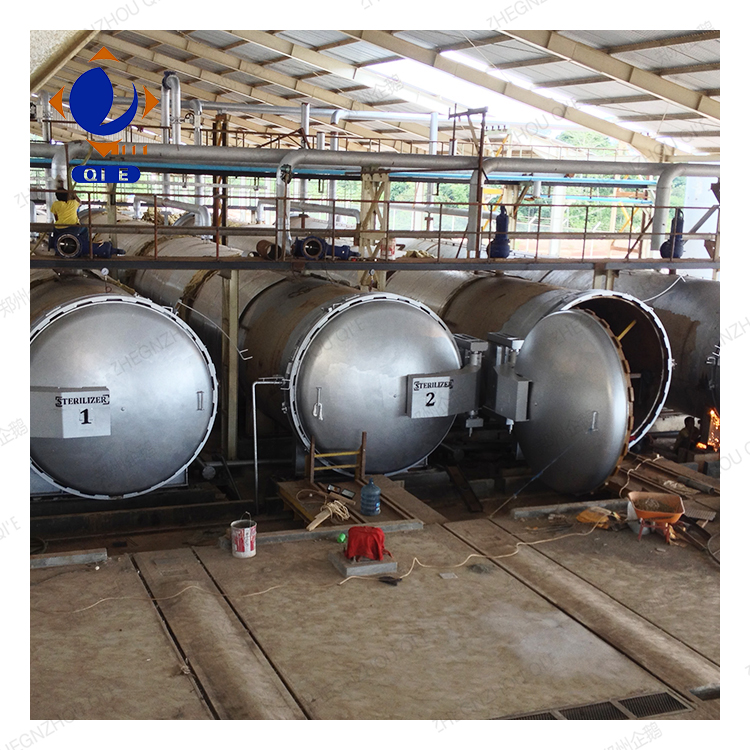
When small and medium-sized palm oil mills purchase automated oil extraction equipment, installation failures or unstable operation often occur due to issues such as insufficient foundation load-bearing capacity and incorrect voltage adaptation. This article details the key installation steps of a fully automated palm fruit oil extraction production line—how to scientifically evaluate the foundation's load-bearing capacity, match local voltage standards (220V/380V/440V), and ensure stable equipment operation. It also combines actual cases of QIE Group to explain the selection logic and operation and maintenance points of automation under different processing capacities (5 - 50 tons per day), helping users avoid initial risks and achieve efficient production.
Let's start with a comparison between manual and fully automated systems. Manual systems require a large amount of labor, which not only increases the labor cost but also makes the operation more difficult. For example, in a manual palm oil processing plant, it may take 10 - 15 workers to complete the daily production task. However, with a fully automated system, the number of workers can be reduced to 2 - 5, and the operation becomes much simpler. The automation greatly reduces the labor intensity and improves the production efficiency.
The foundation is the key to the stable operation of the equipment. The foundation should have a load-bearing capacity of at least 1.5 times the equipment weight. For example, if the weight of the palm oil processing equipment is 10 tons, the foundation should be able to bear at least 15 tons. Here are the steps for foundation design:
Matching the correct voltage is crucial for the normal operation of the equipment. Different regions may have different voltage standards (220V/380V/440V). Here is the voltage configuration process:
| Local Voltage Standard | Equipment Compatibility Check | Grounding Requirements |
|---|---|---|
| 220V | Check the equipment's rated voltage label | Use a grounding wire with appropriate cross - section |
| 380V | Verify three - phase electrical connection | Ensure proper grounding resistance |
| 440V | Confirm equipment adaptation to high voltage | Follow strict grounding procedures |
Based on real - world customer feedback, we've identified some common equipment faults. For example, abnormal hydraulic system pressure may indicate a hydraulic oil leak or pump failure. Motor overheating could be caused by overloading, poor ventilation, or electrical problems. Early identification of these faults can prevent serious breakdowns and reduce maintenance costs.
We understand that each palm oil production plant has its own unique requirements. That's why we offer customized equipment configuration solutions. Our global technical support team is ready to assist you at any time during the installation, operation, and maintenance of the equipment. Whether you need on - site support or remote guidance, we've got you covered.
Are you ready to upgrade your palm oil processing plant? Click here to get your free customized equipment configuration consultation.

 496
|
496
|
 Eco-Friendly Palm Oil Extraction Equipment
Palm Oil Processing Equipment
High Efficiency Oil Refining Machine
304 Stainless Steel Palm Oil Equipment
Automated Palm Oil Extraction System
ISO9001 Certified Oil Refining Equipment
Customizable Palm Oil Production Solutions
Energy-Efficient Oil Processing Equipment
Durable Oil Extraction Machinery
Eco-Friendly Palm Oil Extraction Equipment
Palm Oil Processing Equipment
High Efficiency Oil Refining Machine
304 Stainless Steel Palm Oil Equipment
Automated Palm Oil Extraction System
ISO9001 Certified Oil Refining Equipment
Customizable Palm Oil Production Solutions
Energy-Efficient Oil Processing Equipment
Durable Oil Extraction Machinery
 397
|
customized vegetable oil production line
oilseed pre-treatment technology
high ROI oil processing solutions
397
|
customized vegetable oil production line
oilseed pre-treatment technology
high ROI oil processing solutions
 479
|
small-scale palm oil production line equipment
high oil yield extraction equipment
customizable palm oil equipment
479
|
small-scale palm oil production line equipment
high oil yield extraction equipment
customizable palm oil equipment
 102
|
Nigerian palm oil processing equipment
pressure vessel safety standards
efficient palm oil extraction systems
automated oil refining technology
food-grade processing equipment
102
|
Nigerian palm oil processing equipment
pressure vessel safety standards
efficient palm oil extraction systems
automated oil refining technology
food-grade processing equipment
 308
|
small-scale palm oil production equipment
eco-friendly palm oil processing technology
high-efficiency oil extraction solutions
308
|
small-scale palm oil production equipment
eco-friendly palm oil processing technology
high-efficiency oil extraction solutions