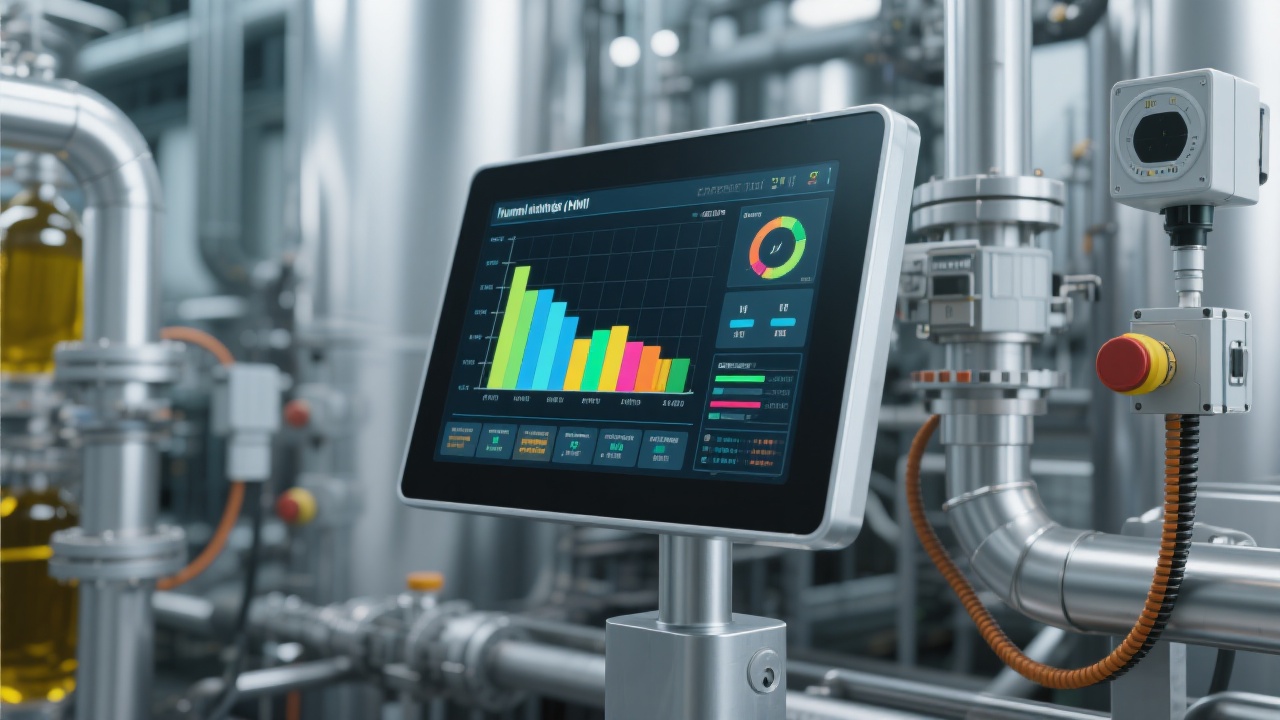
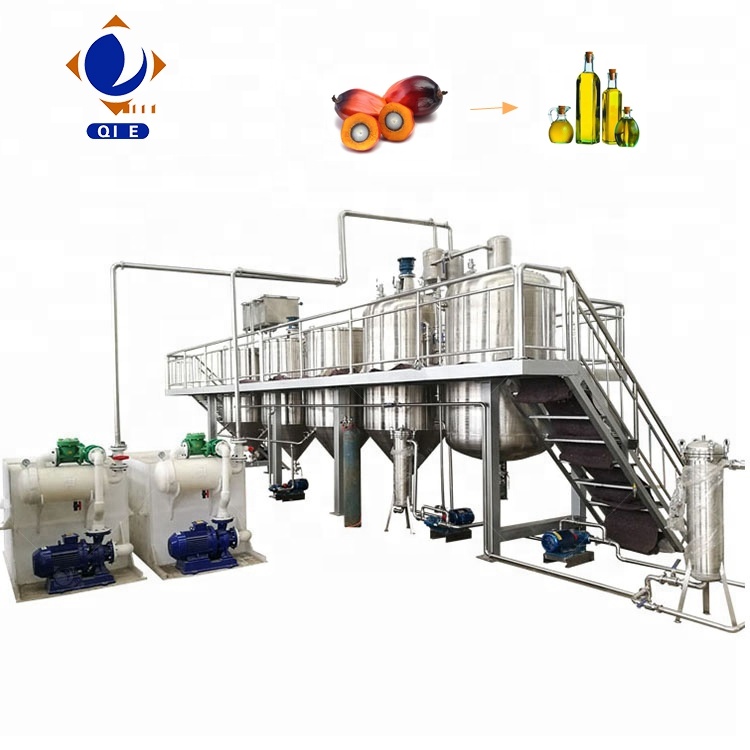
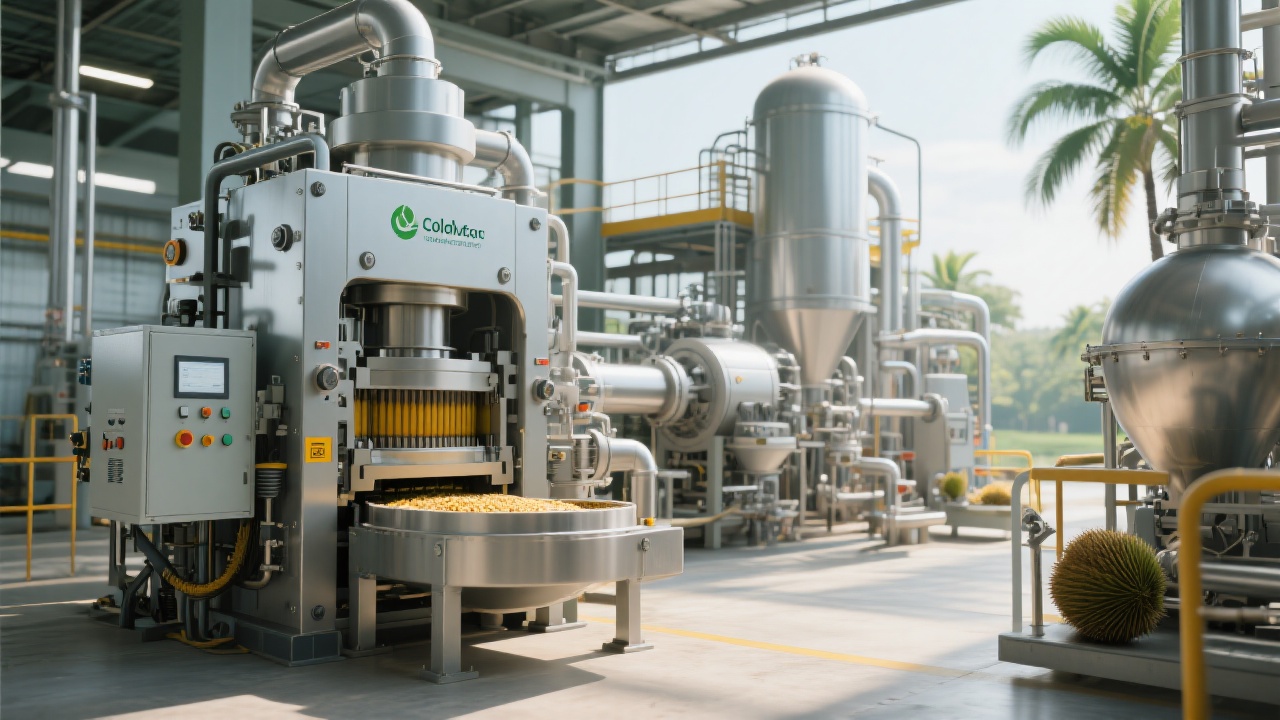
Are you facing challenges transitioning your palm oil production line from manual processes to an intelligent, automated system? The integration of a Programmable Logic Controller (PLC) intelligent control system in a 50-80 tons per day (tpd) palm oil extraction line can dramatically enhance operational efficiency, reduce energy consumption, and minimize human errors. This guide provides you with actionable insights and practical steps to leverage PLC technology effectively in your mid-sized facility.
The palm oil industry is rapidly evolving with increasing pressure to optimize production while maintaining quality and controlling costs. For small and mid-sized processing plants, persistent issues such as inconsistent product quality, high manual labor costs, excessive downtime, and energy inefficiency are common. Adopting automation through PLC systems aligns with global trends toward Industry 4.0, enabling you to stay competitive by improving throughput and safety while reducing operational risks.
The heart of automation lies in the PLC system’s ability to seamlessly control and coordinate multiple process parameters:
Integrating these modules allows you to automate the entire extraction cycle with precision, reducing manual interventions and improving safety.
Comparing traditional manual operations with PLC automated control yields compelling advantages:
| Metric | Manual Operation | PLC Automated Control |
|---|---|---|
| Energy Consumption | 100% | 70-80% |
| Equipment Failure Rate | Baseline | 25% Reduction |
| Labour Dependency | High | Low |
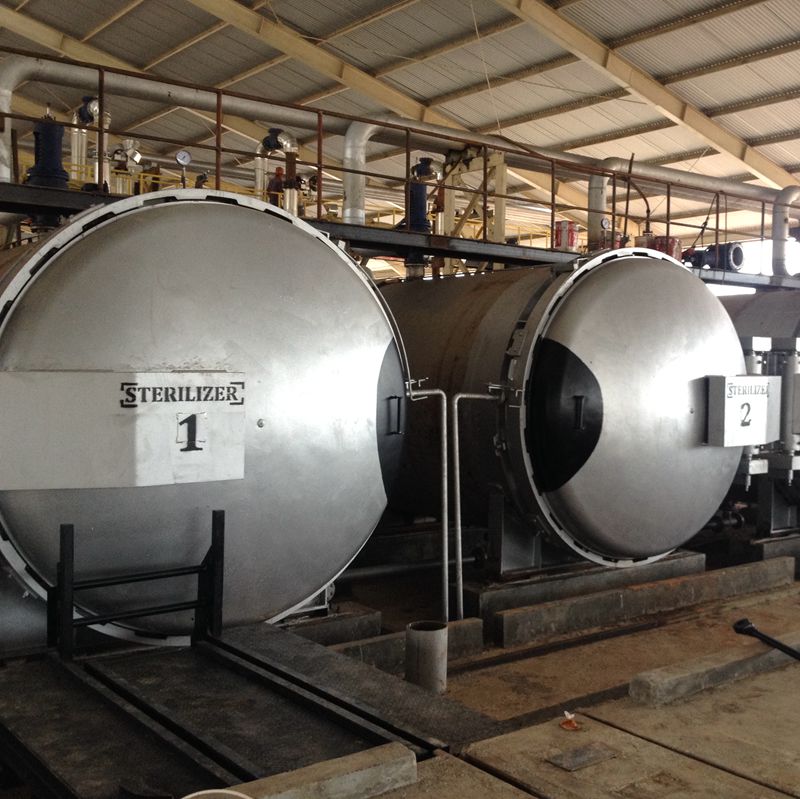
Successful automation not only depends on software but also mechanical reliability. Two critical areas to focus on during commissioning are:
Documenting these tests with detailed logs enhances traceability and helps troubleshoot issues efficiently.
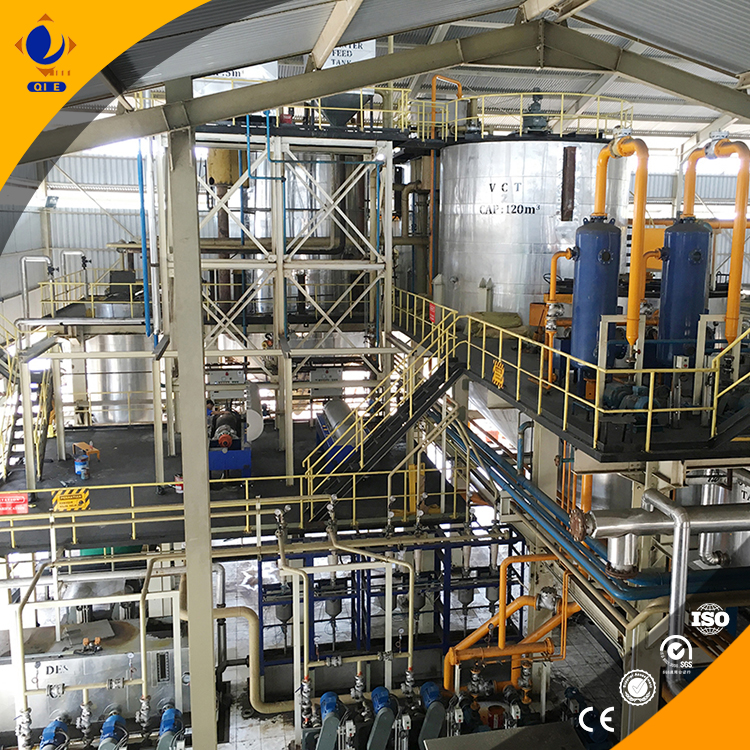
Consider the case of a 70 tpd palm oil processing factory that upgraded its line last year with our PLC control solution from QIE Group. The outcomes within six months included:
This tangible proof confirms that an investment in intelligent control systems translates into clear competitive advantages.
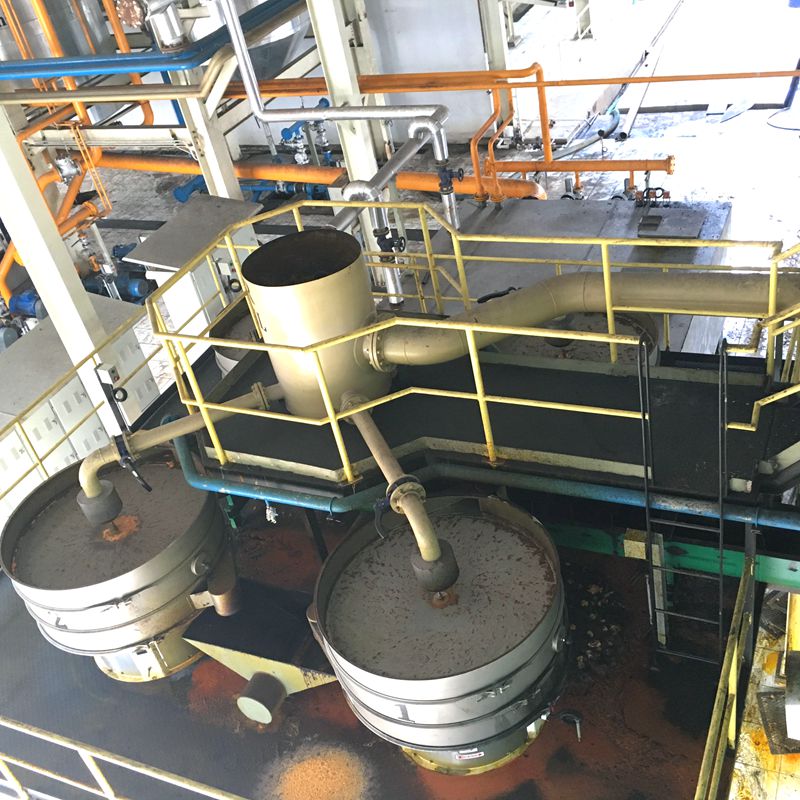
Automating your palm oil production line involves technical and operational hurdles. Here are key recommendations to smooth your journey:
Are you currently facing similar challenges in your processing facility? Leave a comment below or connect directly for tailored advice.


 235
|
235
|
 Mini Palm Oil Refined Equipment
High-Efficiency Mini Palm Oil Equipment
Automated Palm Oil Refining Machine
Energy-Saving Palm Oil Processing Equipment
PLC Controlled Palm Oil Refining
ISO Certified Palm Oil Refining Equipment
Durable Palm Oil Processing Machinery
Palm Oil Refining Solutions for Small Enterprises
QIE Group Palm Oil Refining Systems
Environmental Friendly Palm Oil Equipment
Mini Palm Oil Refined Equipment
High-Efficiency Mini Palm Oil Equipment
Automated Palm Oil Refining Machine
Energy-Saving Palm Oil Processing Equipment
PLC Controlled Palm Oil Refining
ISO Certified Palm Oil Refining Equipment
Durable Palm Oil Processing Machinery
Palm Oil Refining Solutions for Small Enterprises
QIE Group Palm Oil Refining Systems
Environmental Friendly Palm Oil Equipment
 416
|
compact palm oil production line equipment
efficient eco-friendly oil press equipment
palm oil processing for food and beverage plants
Penguin Group oil press equipment
customized palm oil equipment
416
|
compact palm oil production line equipment
efficient eco-friendly oil press equipment
palm oil processing for food and beverage plants
Penguin Group oil press equipment
customized palm oil equipment
 101
|
Palm Fruit Oil Production Line
Palm Oil Processing Machine
Efficient Palm Oil Production
High Capacity Palm Oil Equipment
Automated Palm Oil Production Line
ISO9001 Certified Palm Oil Machines
Low Steam Consumption Palm Oil Production
Advanced Palm Oil Processing Technology
Reliable Palm Oil Production Equipment
101
|
Palm Fruit Oil Production Line
Palm Oil Processing Machine
Efficient Palm Oil Production
High Capacity Palm Oil Equipment
Automated Palm Oil Production Line
ISO9001 Certified Palm Oil Machines
Low Steam Consumption Palm Oil Production
Advanced Palm Oil Processing Technology
Reliable Palm Oil Production Equipment
 53
|
compact palm oil production equipment
high-efficiency palm oil extraction technology
customizable palm oil processing solutions
53
|
compact palm oil production equipment
high-efficiency palm oil extraction technology
customizable palm oil processing solutions
 213
|
small palm oil refining machine
palm oil quality enhancement
production efficiency palm oil equipment
213
|
small palm oil refining machine
palm oil quality enhancement
production efficiency palm oil equipment