As palm oil demand continues to grow globally, your processing plant faces unprecedented pressure to increase efficiency while maintaining product quality. The key to breaking through these challenges lies in automation—but how do you navigate the complex world of PLC control systems without overinvesting or disrupting current operations?
Manual operations in palm oil processing plants typically result in 15-22% efficiency loss due to human error, inconsistent processing parameters, and reaction delays. According to a 2023 industry report by the International Palm Oil Technology Association, plants implementing basic automation see an average 37% reduction in energy consumption and 28% increase in yield within the first year.
Industry Reality Check: "Our manual control system meant temperature fluctuations of ±5°C during sterilization, directly affecting oil quality and causing weekly production losses of 3-5 tons," admitted a plant manager from a 60TPD facility in Malaysia before automation upgrade.
Your factory's current challenges might include:

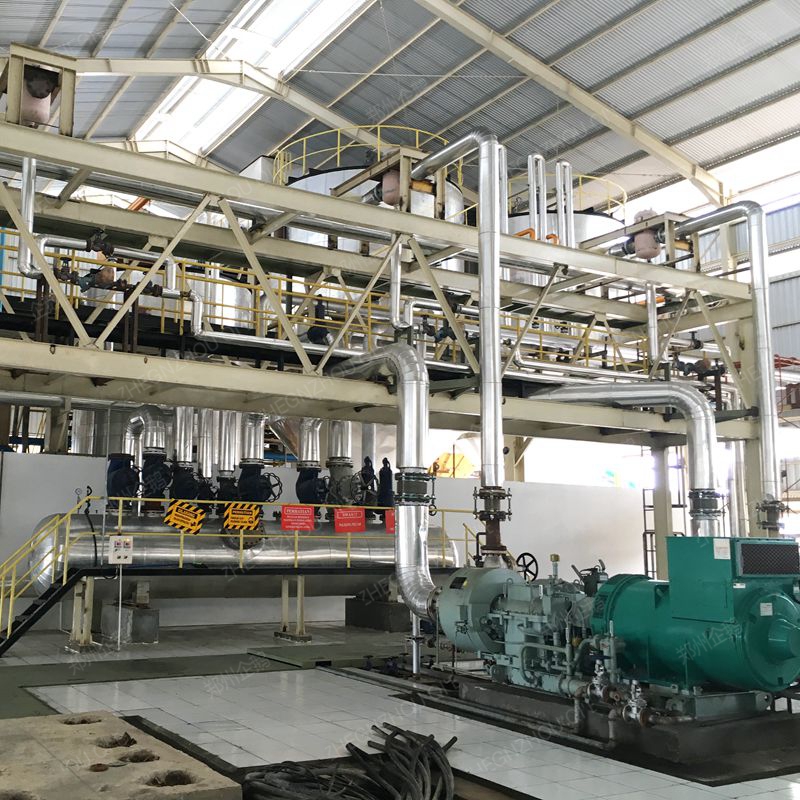
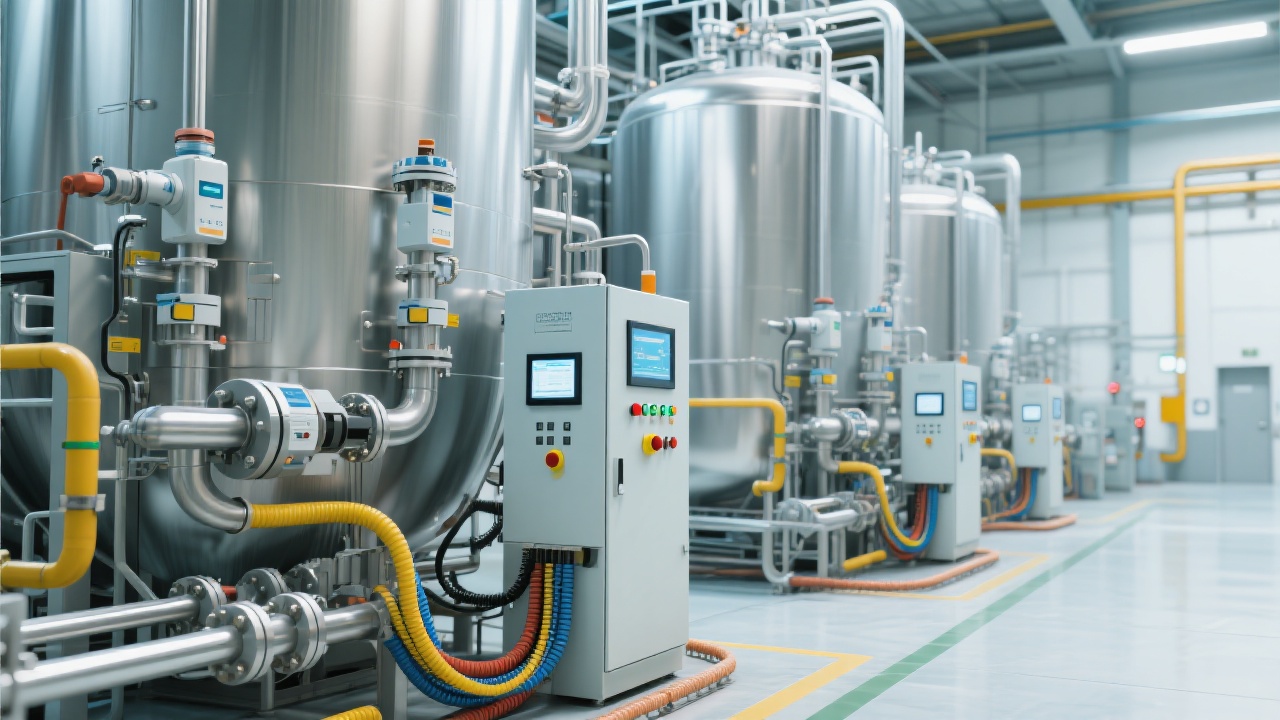
A properly configured PLC system for palm oil processing integrates three critical modules that work together seamlessly:
Precision speed regulation for conveyors, crushers, and presses with 0.1% speed accuracy, reducing mechanical stress and extending equipment lifespan by up to 40%.
Intelligent pressure and flow control that reduces energy consumption by 25-35% compared to standalone pump operations through synchronized start/stop sequences.
24/7 tracking of temperature, pressure, and moisture levels with instant alerts, reducing quality deviations by 80% and minimizing waste.
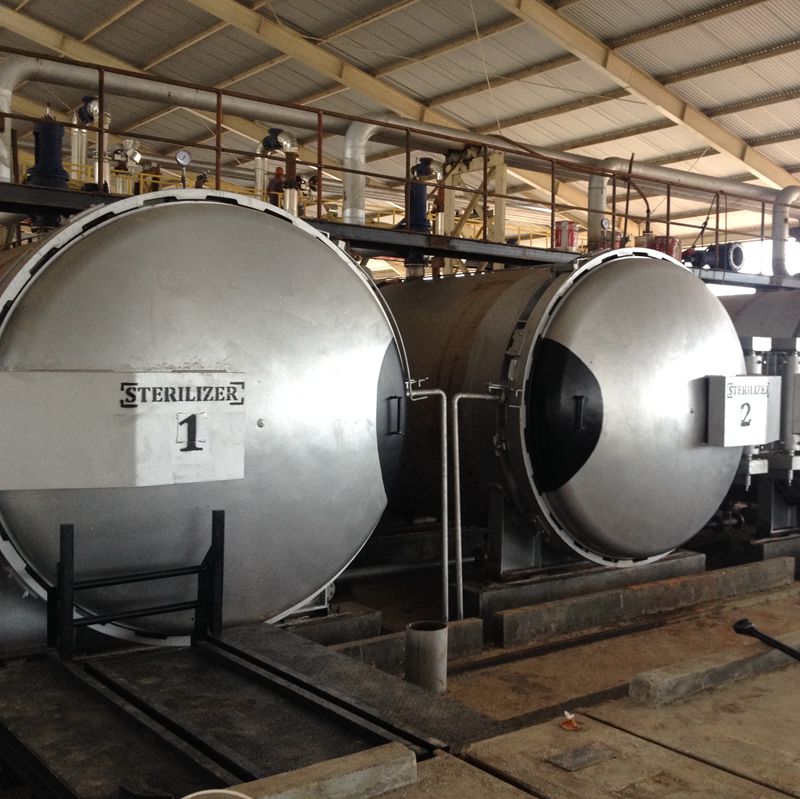
The true power of PLC control lies in how these modules communicate. For example, during the sterilization process, the system automatically adjusts steam flow based on real-time temperature readings while simultaneously regulating conveyor speed to ensure optimal retention time. This level of coordination is impossible with manual operations.
| Performance Metric | Manual Operation | PLC Automated System | Improvement |
|---|---|---|---|
| Energy Consumption | 125 kWh/ton processed | 82 kWh/ton processed | 34.4% |
| Labor Requirement | 12 operators/shift | 5 operators/shift | 58.3% |
| Production Consistency | ±4.5% variation | ±0.8% variation | 82.2% |
| Maintenance Costs | $0.18/kg processed | $0.11/kg processed | 38.9% |
During system commissioning, pay special attention to:
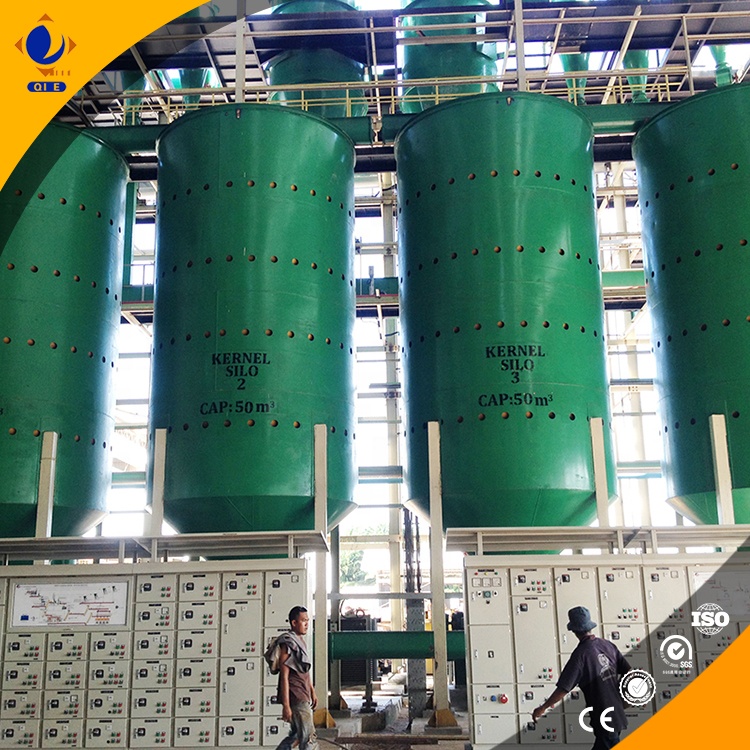
The path to automation varies significantly based on your current production capacity and future goals:
Start with partial automation focusing on critical stages: sterilization and pressing. This phased approach requires approximately 3-4 weeks implementation and typically achieves ROI within 11-14 months.
Full-line automation with integrated SCADA monitoring. Implementation takes 6-8 weeks with minimal production interruption, delivering ROI in 8-10 months through comprehensive efficiency gains.
Take our quick assessment to identify your specific automation needs and potential ROI. Our palm oil processing experts will provide a customized analysis within 48 hours.
Get Your Custom Automation Upgrade PlanRemember, automation isn't just about technology—it's about future-proofing your business in an increasingly competitive market. The palm oil producers who thrive in the next decade will be those who leverage intelligent control systems to consistently deliver quality while optimizing resource usage.
The question isn't whether you can afford to automate, but whether you can afford not to as your competitors gain efficiency and cost advantages.
 211
|
211
|
 Palm Oil Refining Equipment
Oil Refining Machine
High Efficiency Palm Oil Equipment
Automated Palm Oil Refining
Eco-friendly Palm Oil Processing
ISO Certified Palm Oil Machinery
Customized Palm Oil Refining Solutions
Palm Oil Processing Manufacturing
Palm Oil Refining Equipment for Africa
Palm Oil Refining Equipment
Oil Refining Machine
High Efficiency Palm Oil Equipment
Automated Palm Oil Refining
Eco-friendly Palm Oil Processing
ISO Certified Palm Oil Machinery
Customized Palm Oil Refining Solutions
Palm Oil Processing Manufacturing
Palm Oil Refining Equipment for Africa
 398
|
Fully Automatic BTMA Palm Oil Production Line
BTMA Palm Oil Processing Machine
High Efficiency Palm Oil Extraction System
Eco-Friendly Palm Oil Production Equipment
ISO9001 Certified Palm Oil Machine
Low Energy Consumption Palm Oil Processing
Customized Palm Oil Production Solutions
Professional Palm Oil Processing Equipment
Palm Oil Production Line with Technical Support
398
|
Fully Automatic BTMA Palm Oil Production Line
BTMA Palm Oil Processing Machine
High Efficiency Palm Oil Extraction System
Eco-Friendly Palm Oil Production Equipment
ISO9001 Certified Palm Oil Machine
Low Energy Consumption Palm Oil Processing
Customized Palm Oil Production Solutions
Professional Palm Oil Processing Equipment
Palm Oil Production Line with Technical Support
 403
|
automated palm oil processing equipment
nigeria palm oil production efficiency
pressure vessel safety standards
palm oil refining technology
industrial food processing solutions
403
|
automated palm oil processing equipment
nigeria palm oil production efficiency
pressure vessel safety standards
palm oil refining technology
industrial food processing solutions
 188
|
palm oil press equipment maintenance
preventive maintenance guide
palm oil production line upkeep
equipment downtime reduction
industrial equipment health management
188
|
palm oil press equipment maintenance
preventive maintenance guide
palm oil production line upkeep
equipment downtime reduction
industrial equipment health management
 190
|
Palm oil processing equipment
PLC intelligent control system
Energy-efficient equipment
Continuous high-load operation
Nigerian market
190
|
Palm oil processing equipment
PLC intelligent control system
Energy-efficient equipment
Continuous high-load operation
Nigerian market