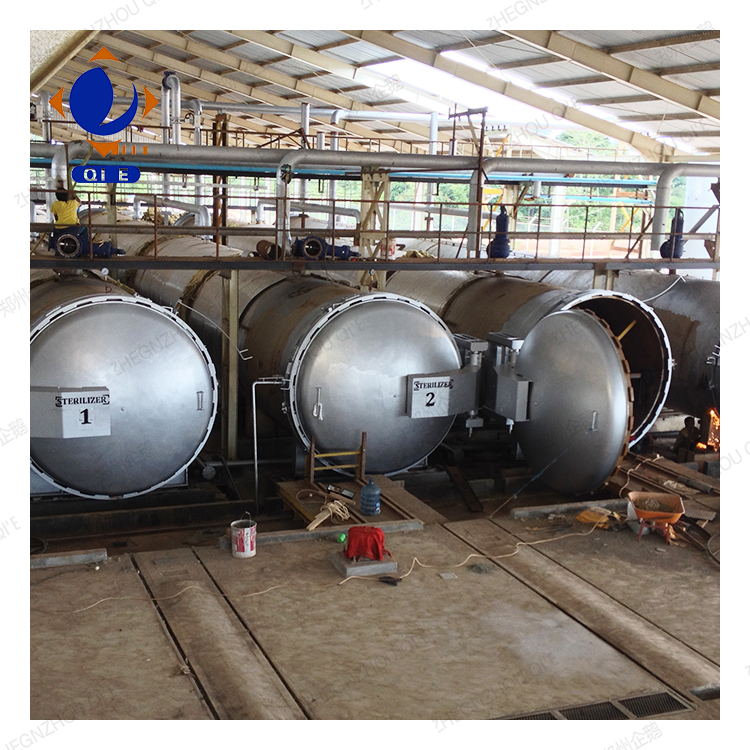
In the highly demanding environment of palm oil processing, maintaining the operational integrity of the fully automatic BTMA palm oil production line’s electric motors is critical. One of the prevalent challenges faced by technicians and operators is motor overload, which can severely impact production efficiency and equipment lifespan. This article delves into the root causes of motor overload, offers rapid troubleshooting guidelines tailored for operators with various expertise levels, and sheds light on how to sustain stable, high-yield operations through robust maintenance and control strategies.
Motor overload in the BTMA palm oil production line primarily arises from a combination of mechanical, electrical, and operational factors:
Addressing motor overload efficiently requires a structured approach. The following guidelines align with varying user proficiency levels to enhance self-sufficient maintenance.
In a recent operational breakthrough at a leading palm oil mill, an unexpected motor overload alarm was successfully resolved within three hours by applying a systematic troubleshooting protocol. The root cause was traced to an increase in palm fruit moisture due to recent heavy rains causing pressure surges across the hydraulic system. Implementing moisture content pre-screening and adjusting the PLC pressure control parameters prevented recurrence, demonstrating the efficacy of integrated mechanical and control strategies.
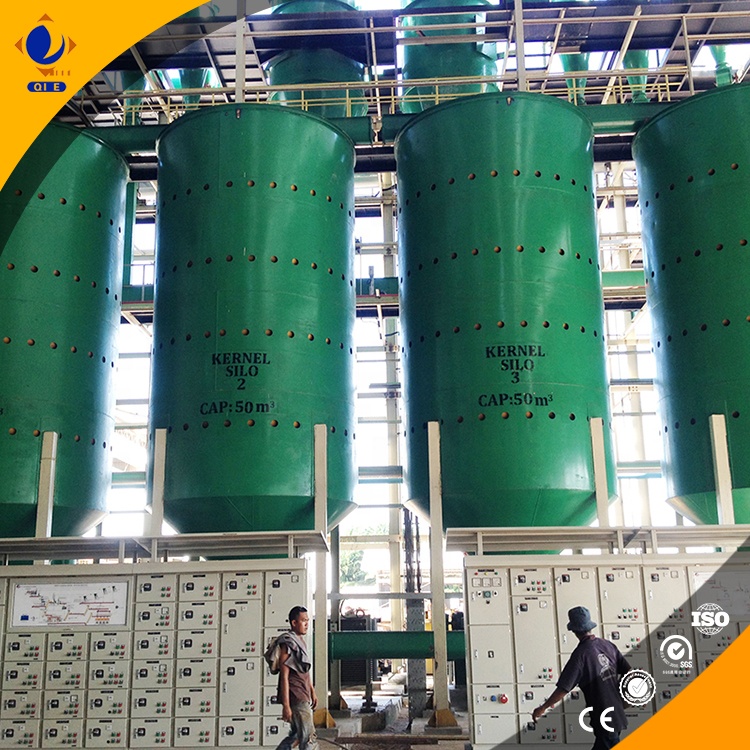
Regular preventive maintenance is vital to mitigate motor overload risks and improve equipment reliability. Key focus areas include:
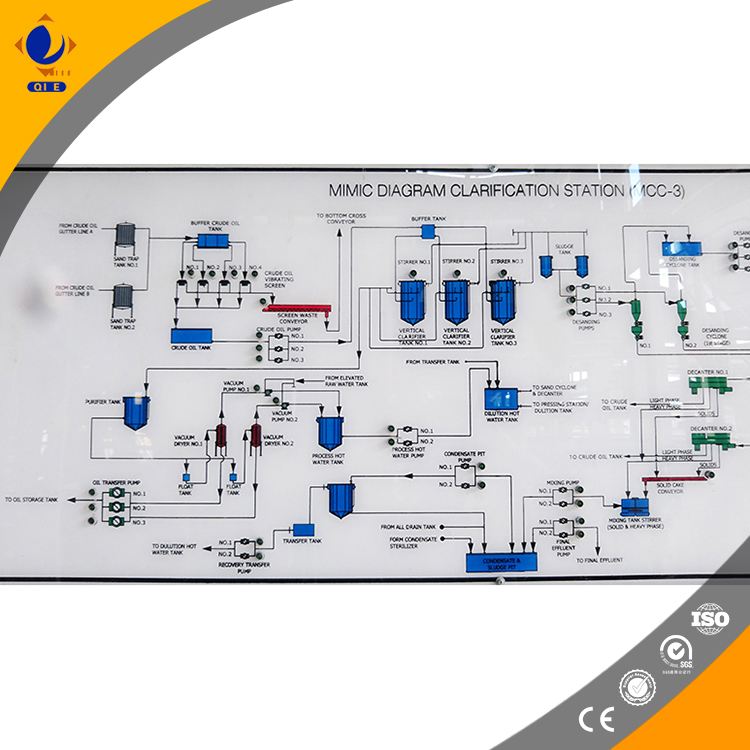
To bridge knowledge gaps and encourage proactive management, the use of multimedia resources such as interactive video demonstrations on overload troubleshooting, downloadable PDF guides, and Q&A forums are becoming industry standards. These tools not only accelerate learning curves but enhance overall operational resilience, paving the way for augmented reality (AR)-guided maintenance and remote expert support in the near future.


 297
|
297
|
 palm fruit oil dehydration process
residual oil rate control
steam pressure optimization
palm oil production efficiency
PLC system monitoring
palm fruit oil dehydration process
residual oil rate control
steam pressure optimization
palm oil production efficiency
PLC system monitoring
 288
|
palm oil extraction technology
twin-screw press machine
low-energy oil pressing
food processing equipment
oilseed press line
288
|
palm oil extraction technology
twin-screw press machine
low-energy oil pressing
food processing equipment
oilseed press line
 71
|
palm oil processing equipment
automated oil press system
small palm oil mill
semi automatic oil extraction
fully automatic palm oil plant
475
|
palm oil refining process
stainless steel equipment in oil processing
automated control systems in refining
batch consistency in palm oil
food safety in edible oil production
71
|
palm oil processing equipment
automated oil press system
small palm oil mill
semi automatic oil extraction
fully automatic palm oil plant
475
|
palm oil refining process
stainless steel equipment in oil processing
automated control systems in refining
batch consistency in palm oil
food safety in edible oil production
 460
|
palm oil production automation
PLC smart control systems
energy-efficient oil processing
palm oil extraction equipment
automation upgrade guide
460
|
palm oil production automation
PLC smart control systems
energy-efficient oil processing
palm oil extraction equipment
automation upgrade guide