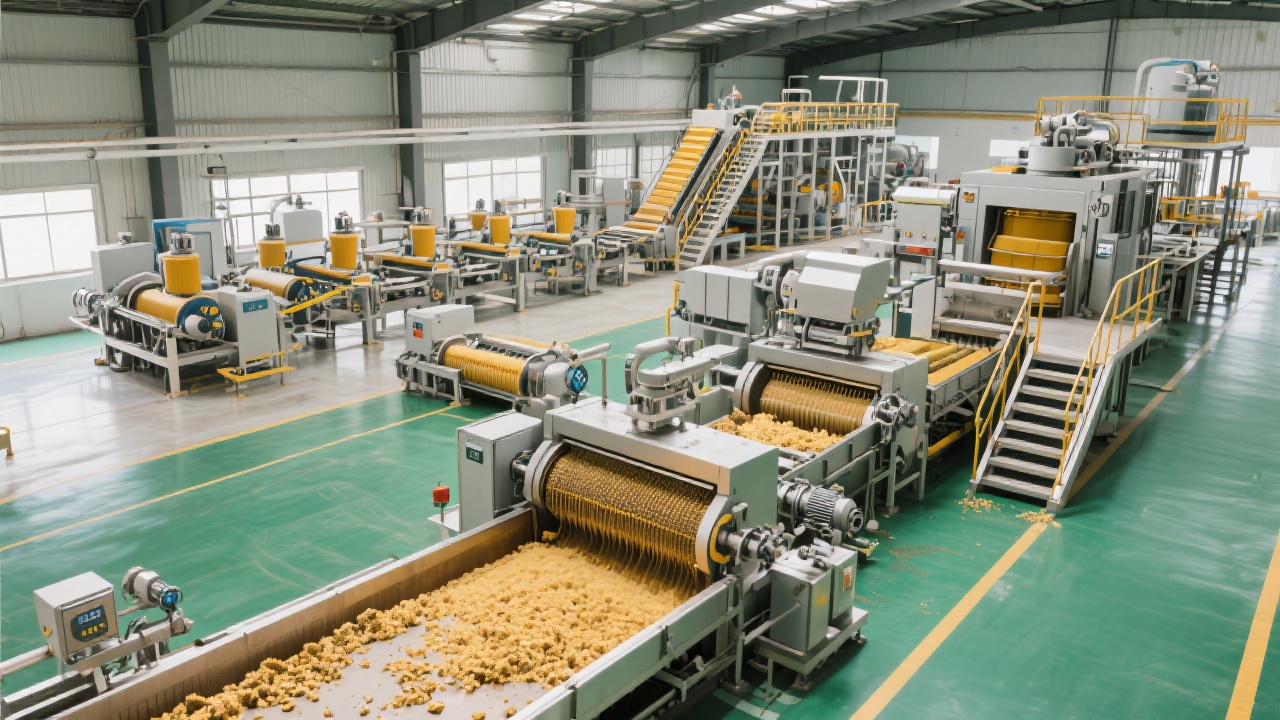
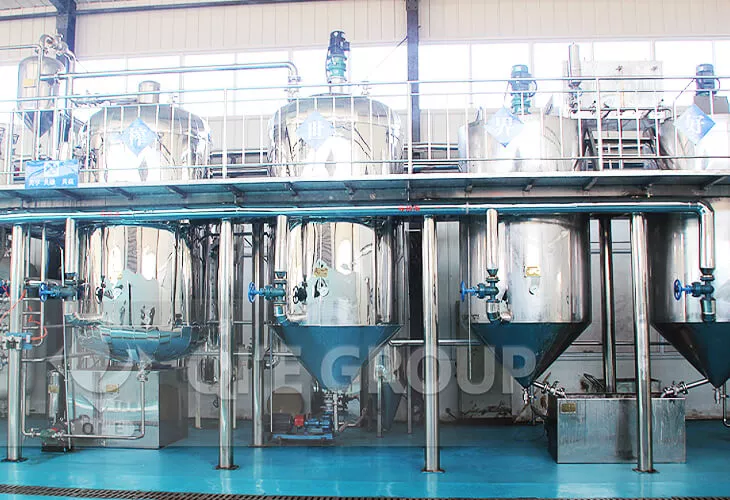
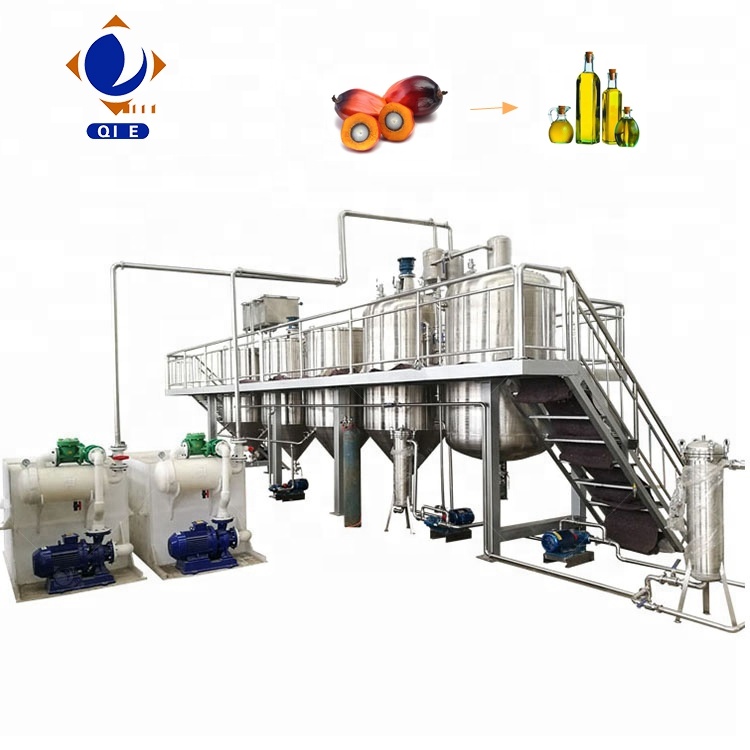
The automation upgrade of palm oil pressing lines is an imperative step towards improving productivity, energy efficiency, and operational stability in medium and small-scale edible oil enterprises. Central to this transformation is the optimization of Programmable Logic Controller (PLC) logic control across the entire production process—from raw material intake to oil-water separation. This technical guide delves into how industrial sensors integrated with advanced control algorithms can dynamically adjust processing parameters, implement fault detection, and enable remote monitoring, ultimately realizing an energy consumption benchmark of ≤22 kWh per ton of oil and enhancing overall throughput.
PLC systems serve as the nerve center of palm oil pressing lines, executing real-time command sequences to synchronize feeding conveyors, hydraulic presses, and separation units. Optimization begins with refining the control logic to respond automatically to changes in sensor input data, such as feedstock moisture content or press pressure fluctuations. By implementing modular ladder logic routines and data-driven PID control loops, equipment response time shortens by an estimated 15–20%, reducing idle cycles and preventing mechanical stress.
Notably, this optimization involves:
A robust sensor network is the foundation for precise PLC inputs. Key parameters monitored include:
| Sensor Type | Location | Function Impact |
|---|---|---|
| Pressure Sensors | Hydraulic press chambers | Ensures optimal pressing force; avoids overpressure damage |
| Temperature Sensors | Press feed inlet and oil-water separator | Maintains processing temperature for maximum oil yield and efficient separation |
| Flow Meters | Oil effluent and water discharge channels | Monitors output rates, preventing bottlenecks or overflows |
This sensor arrangement ensures a closed-loop feedback system where the PLC dynamically adjusts valve actuators, press speed, and heating elements, avoiding manual intervention and minimizing human error.
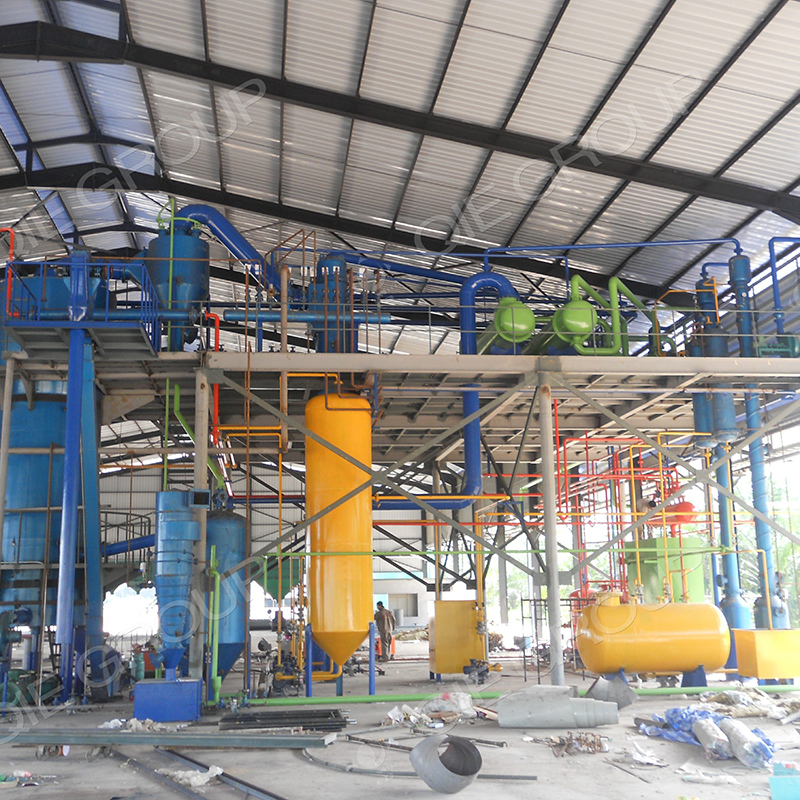
Case studies from industry implementations demonstrate compelling benefits:
| Parameter | Pre-Upgrade | Post-Upgrade | Improvement |
|---|---|---|---|
| Electricity Consumption (kWh/ton oil) | 28 | ≤22 | 21.4% reduction |
| Throughput (tons/day) | 15 | 18 | 20% increase |
| Unscheduled Downtime (hours/month) | 12 | 5 | 58% reduction |
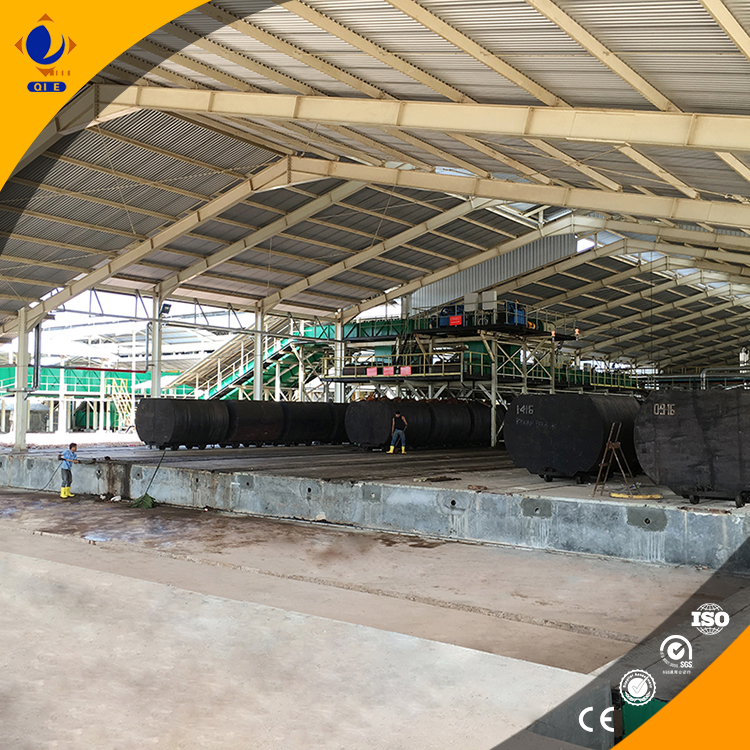
For SMEs considering direct automation retrofits, key success factors include:
These strategies collectively ensure a tailored yet scalable solution aligned with the production capabilities and budget constraints of mid-tier oil processing enterprises.
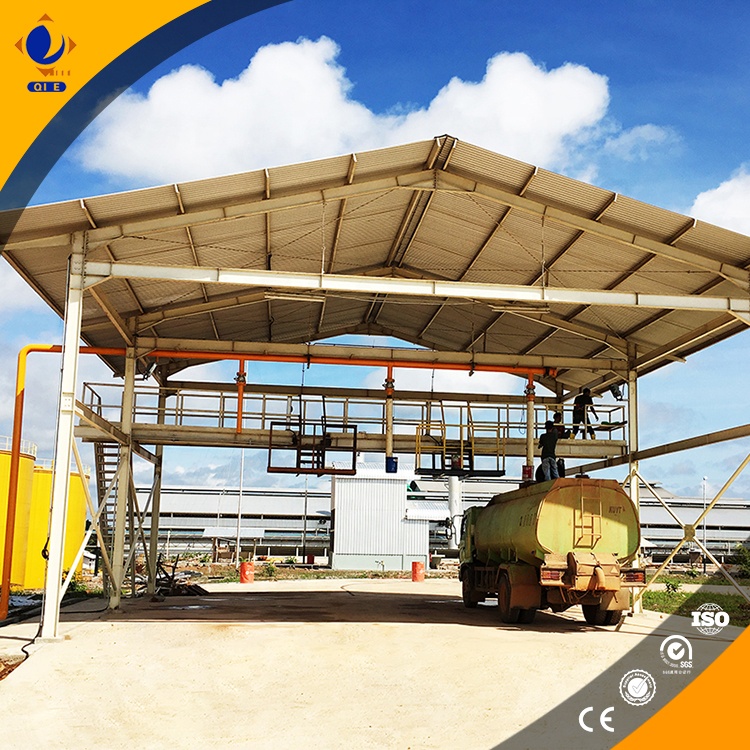
Take the next step in enhancing your palm oil production efficiency and sustainability.
Get the High-Efficiency Automated Palm Oil Pressing Solution by QIE Group Now

 146
|
146
|
 small palm oil production line equipment
palm oil manufacturing plant
high investment returns
customer case study
Penguin Group
oil press equipment
small palm oil production line equipment
palm oil manufacturing plant
high investment returns
customer case study
Penguin Group
oil press equipment
 137
|
Palm Oil Processing Machine
Palm Oil Extraction Equipment
High-Efficiency Palm Oil Press
304 Stainless Steel Palm Oil Machine
Automated Palm Oil Production Line
ISO9001 Certified Palm Oil Equipment
Custom Palm Oil Processing Solutions
Reliable Palm Oil Machinery
Palm Oil Production Capacity 2000 Tons/Day
QIE Group Palm Oil Equipment
137
|
Palm Oil Processing Machine
Palm Oil Extraction Equipment
High-Efficiency Palm Oil Press
304 Stainless Steel Palm Oil Machine
Automated Palm Oil Production Line
ISO9001 Certified Palm Oil Equipment
Custom Palm Oil Processing Solutions
Reliable Palm Oil Machinery
Palm Oil Production Capacity 2000 Tons/Day
QIE Group Palm Oil Equipment
 114
|
High-Tech Palm Oil Deodorization Processing Equipment
Palm Oil Refining Machine
Efficient Palm Oil Processing Equipment
114
|
High-Tech Palm Oil Deodorization Processing Equipment
Palm Oil Refining Machine
Efficient Palm Oil Processing Equipment
 296
|
Automatic Palm Oil Press Machine
Palm Oil Processing Machine
High-Efficiency Palm Oil Press
296
|
Automatic Palm Oil Press Machine
Palm Oil Processing Machine
High-Efficiency Palm Oil Press
 145
|
Palm Oil Processing Machine
Palm Fruit Oil Press
Kernel Oil Press Machine
145
|
Palm Oil Processing Machine
Palm Fruit Oil Press
Kernel Oil Press Machine