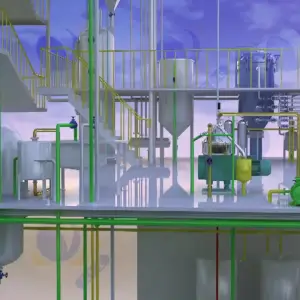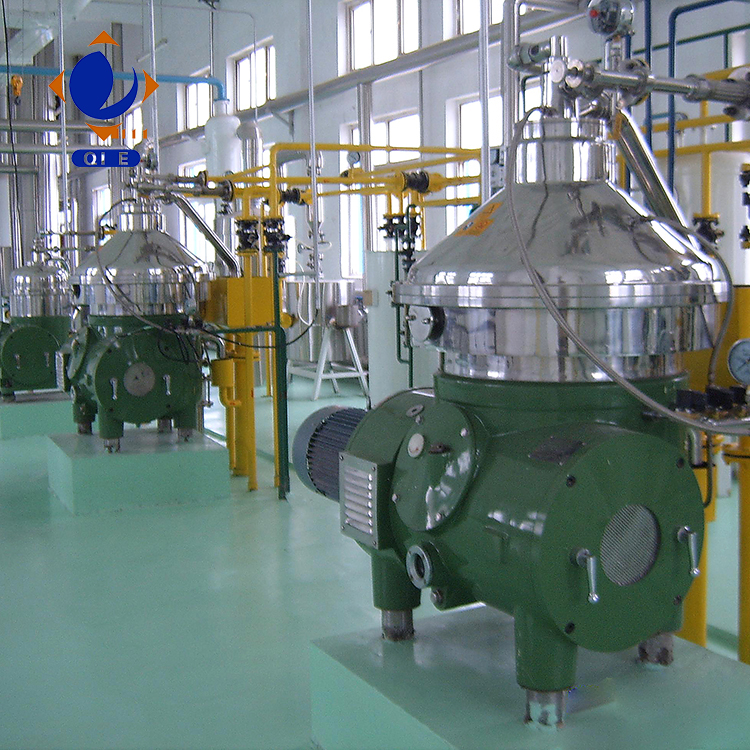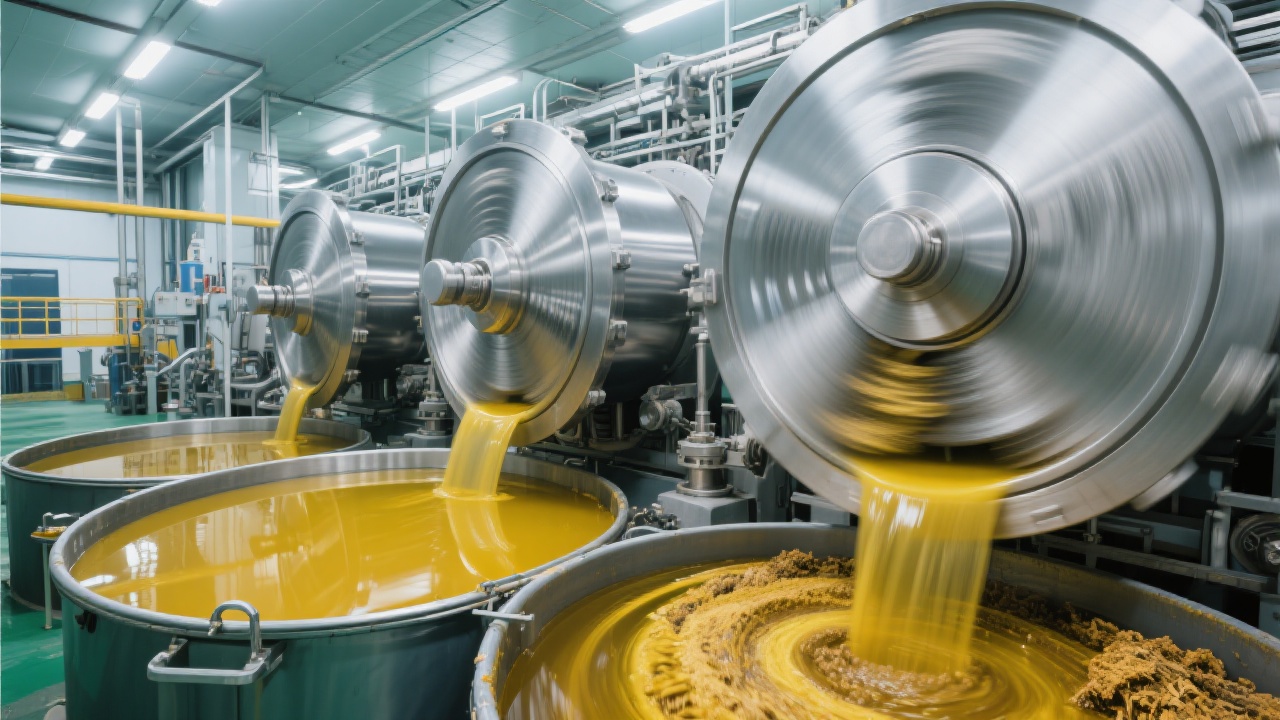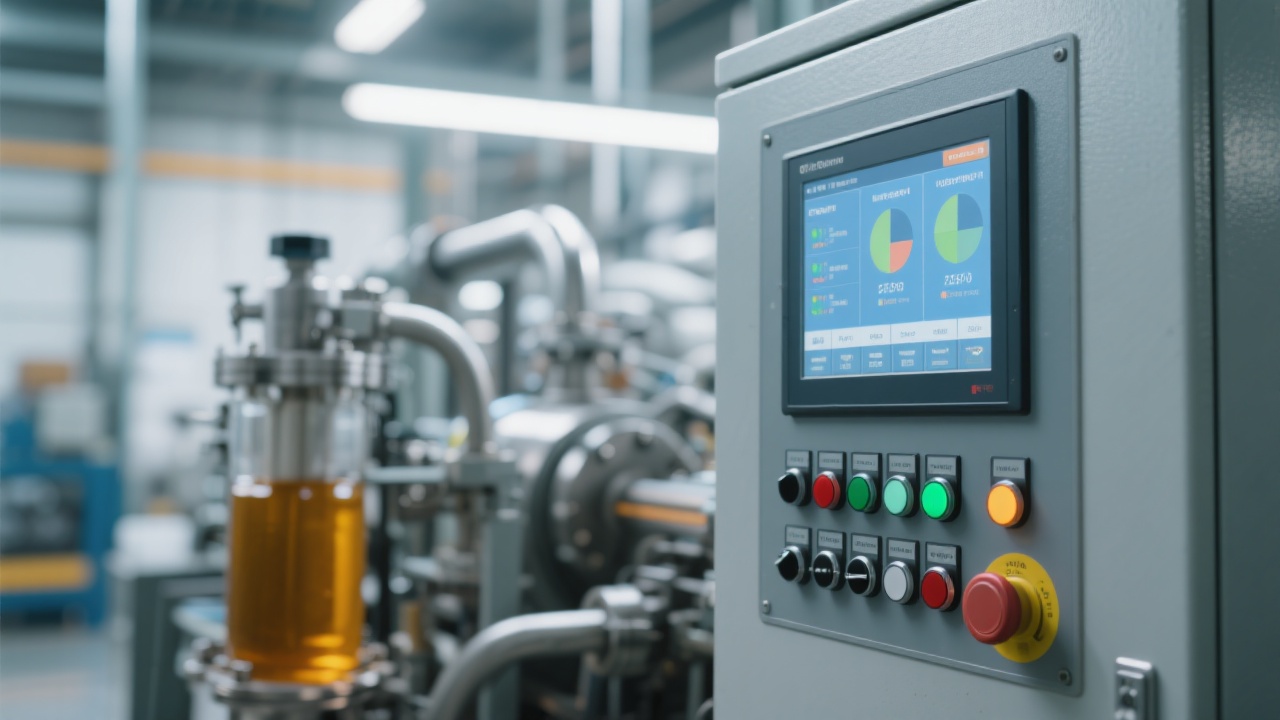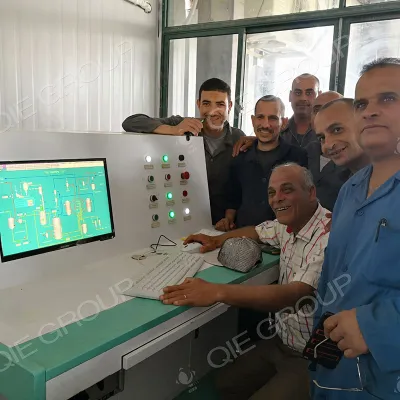
In today’s competitive palm oil industry, upgrading production lines with automation technologies has become pivotal for survival and growth. For palm oil mills processing 50 to 80 tons per day (tpd), integrating Programmable Logic Controller (PLC)-based intelligent control systems offers a sophisticated solution to enhance operational accuracy, reduce manual intervention, and optimize overall productivity.
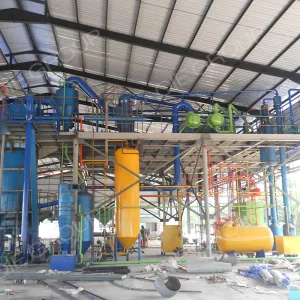
The automated palm oil extraction process leverages a PLC system to coordinate critical components such as motor drives, pump group linkages, and real-time sensors. With precise control over electric motors driving conveyors and presses, PLC ensures synchronization that mitigates risks of mechanical stresses and energy waste.
Additionally, advanced temperature and pressure sensors feed continuous data into the PLC system, allowing instantaneous adjustments to maintain optimal extraction conditions. This seamless monitoring is essential to safeguard process stability, prevent overheating, and avoid overpressure accidents that are common in manual setups.
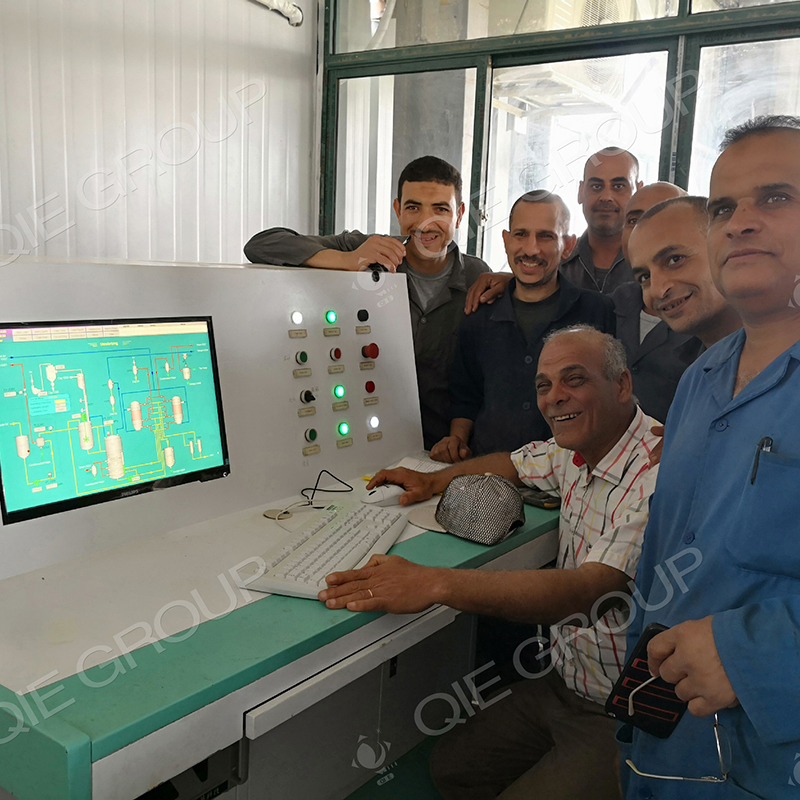
Manual operations in palm oil processing are prone to deviation caused by operator fatigue, inconsistent practices, or delayed response. The PLC automation mitigates such issues by executing predefined control logic, delivering uniform performance with error reduction potentially exceeding 30%.
A significant advantage is energy saving through optimized pump and motor coordination. Unlike conventional setups where pumps run continuously or inefficiently, PLC automation regulates runtime and load dynamically — studies show energy consumption can drop by up to 25%, lowering production costs and environmental footprint.
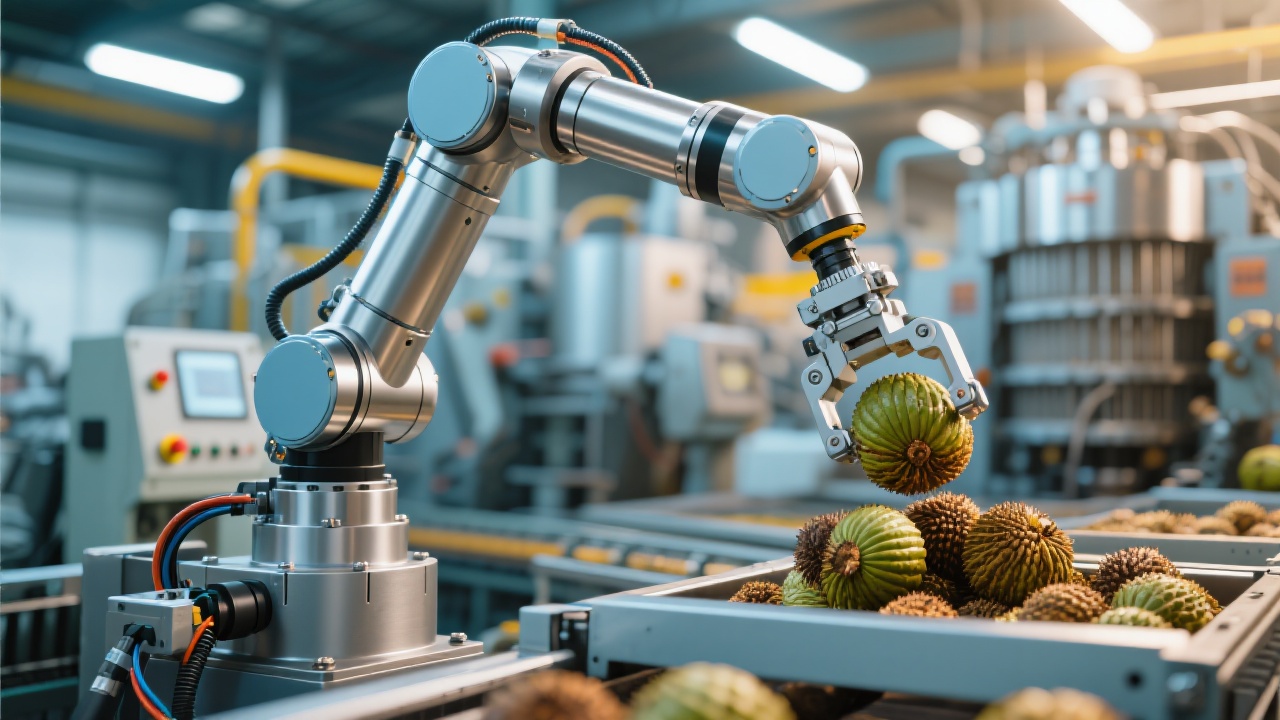
Beyond core control, maintaining mechanical reliability underpins production continuity. Gear transmission stability tests integrated during commissioning verify synchronized movement and detect misalignment early—a critical factor in sustaining throughput.
Similarly, implementing automated bearing lubrication cycles programmed in the PLC prevents premature wear and failure. This proactive approach reduces downtime by approximately 20%, optimizing maintenance efforts and extending equipment life.
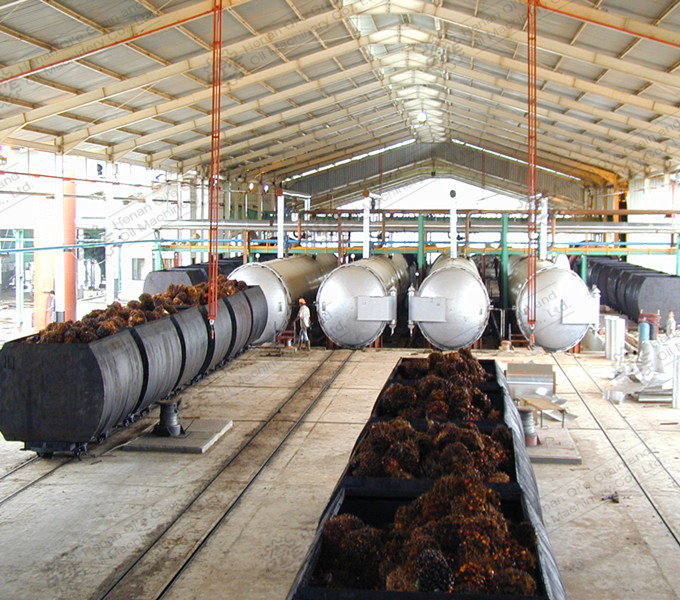
While automation promises substantial gains, small and mid-size palm oil factories often face barriers such as limited capital, workforce training gaps, and concerns over technology complexity. Addressing these challenges requires tailored implementation strategies including phased upgrades, hands-on technical training, and selecting modular PLC systems that scale with production demands.
Moreover, partnering with experienced automation providers ensures smoother integration and ongoing support. Leveraging vendor expertise facilitates troubleshooting, minimizes operational disruptions, and accelerates return on investment—empowering businesses to maintain competitiveness amid industry shifts.
For palm oil processors aiming to elevate their operational efficiency and safety, the expertise offered by QIE Group delivers comprehensive automation solutions tailored to the sector's nuances. Backed by decades of industry knowledge and cutting-edge technology, their services encompass system design, installation, and continuous optimization.

 396
|
396
|
 mini palm oil refinery machine Nigeria
fully automated palm oil processing equipment
enhance palm oil quality and production efficiency
mini palm oil refinery machine Nigeria
fully automated palm oil processing equipment
enhance palm oil quality and production efficiency
 456
|
palm oil extraction automation
PLC control system
industrial sensor deployment
energy-efficient oil processing
predictive maintenance in oil mills
456
|
palm oil extraction automation
PLC control system
industrial sensor deployment
energy-efficient oil processing
predictive maintenance in oil mills
 104
|
Palm Oil Refining Equipment
Oil Refining Machine
High-Efficiency Palm Oil Processing
Automated Palm Oil Refining Equipment
Energy-Efficient Oil Refining Machinery
Customizable Palm Oil Equipment
ISO9001 Certified Refining Machines
Palm Oil Production Equipment for Nigeria
Advanced Palm Oil Refining Technology
104
|
Palm Oil Refining Equipment
Oil Refining Machine
High-Efficiency Palm Oil Processing
Automated Palm Oil Refining Equipment
Energy-Efficient Oil Refining Machinery
Customizable Palm Oil Equipment
ISO9001 Certified Refining Machines
Palm Oil Production Equipment for Nigeria
Advanced Palm Oil Refining Technology
 178
|
Palm oil equipment energy - saving design
Application of high - efficiency motors in oil machinery
Pressure vessel material selection
Application of PLC control system in oil extraction lines
Stability of palm oil processing equipment
178
|
Palm oil equipment energy - saving design
Application of high - efficiency motors in oil machinery
Pressure vessel material selection
Application of PLC control system in oil extraction lines
Stability of palm oil processing equipment
 383
|
10 ton/hour twin screw palm oil pressing production line
palm oil processing machine
high efficiency palm oil extraction system
twin screw oil expeller for palm oil
304 stainless steel palm oil press
automated palm oil production equipment
customizable palm oil processing solutions
ISO9001 certified palm oil machinery
high purity palm oil production line
383
|
10 ton/hour twin screw palm oil pressing production line
palm oil processing machine
high efficiency palm oil extraction system
twin screw oil expeller for palm oil
304 stainless steel palm oil press
automated palm oil production equipment
customizable palm oil processing solutions
ISO9001 certified palm oil machinery
high purity palm oil production line