Industry Insight • Technical Guide • Palm Oil Processing
In an era where precision and efficiency define competitive advantage, palm oil processors worldwide are facing the critical challenge of modernizing their production facilities. Manual and semi-automated operations struggle to meet the increasing demands for consistent quality, energy efficiency, and safety compliance. This article explores how Programmable Logic Controller (PLC) intelligent control systems are revolutionizing palm oil processing, delivering tangible benefits to medium and small-scale factories aiming to enhance their market position.
"After implementing PLC automation, our palm oil extraction rate increased by 3.2%, while energy consumption dropped by 18%. The system paid for itself within 14 months through operational savings alone." — Technical Director, Malaysian Palm Oil Mill
Traditional palm oil processing facilities face a multitude of challenges that hinder their growth and profitability. Labor-intensive operations not only increase costs but also introduce variability in product quality. According to industry research, manual processing lines typically experience quality fluctuations of up to 7-9%, while energy inefficiencies can account for 22-25% of total operational costs.
Furthermore, safety concerns in manual operations have become a significant liability, with accident rates 3.5 times higher in non-automated facilities compared to automated ones. As global markets demand more consistent products and stricter compliance with safety and environmental standards, the transition to automated systems has become not just an option but a necessity for long-term survival.
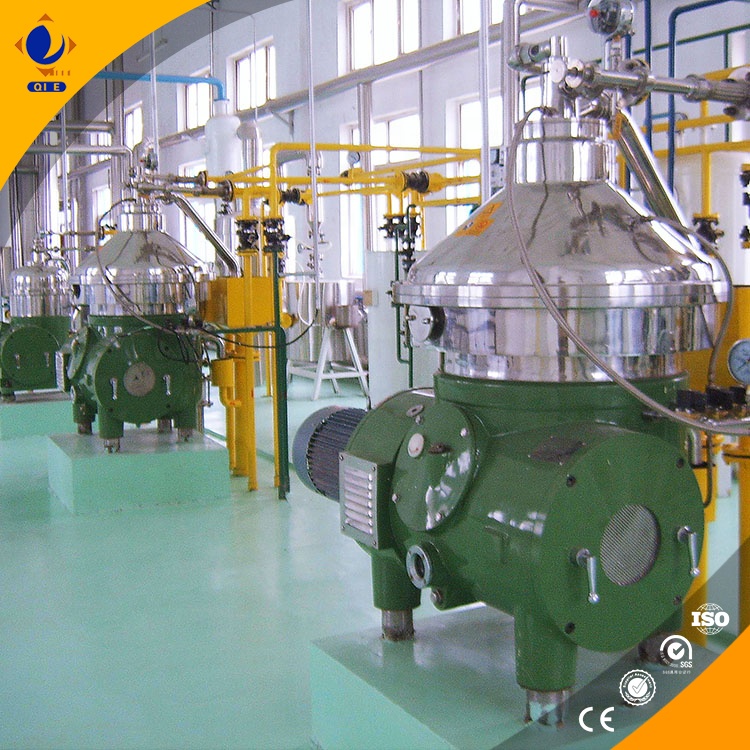
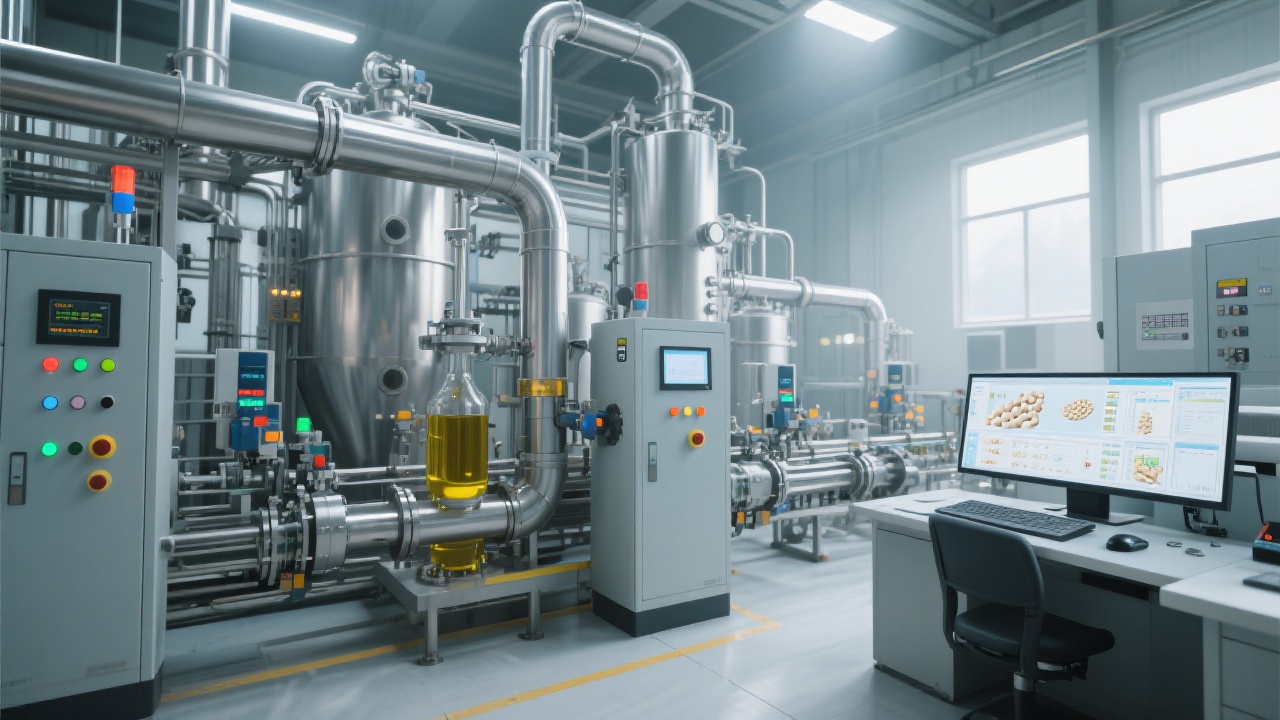
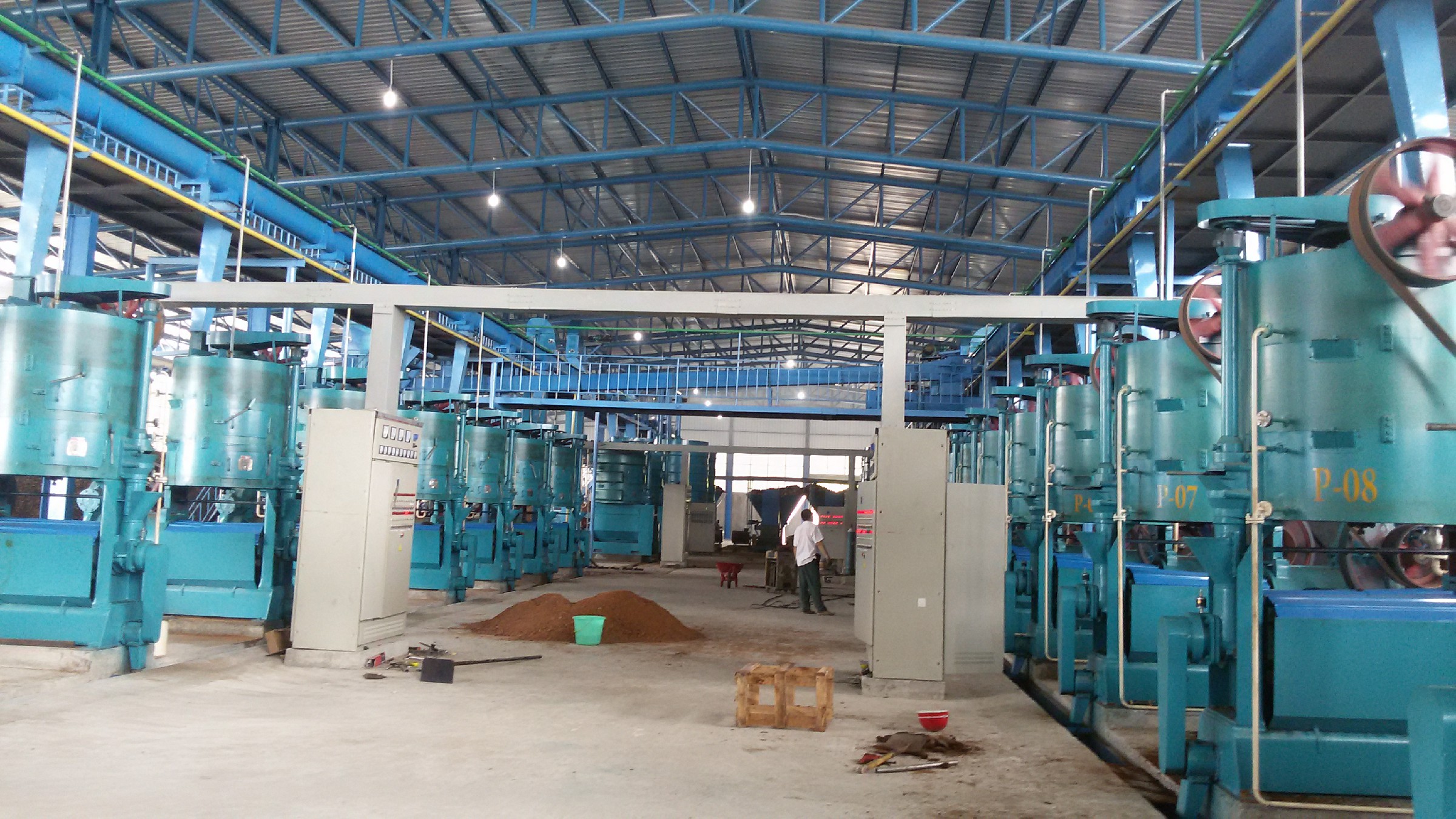
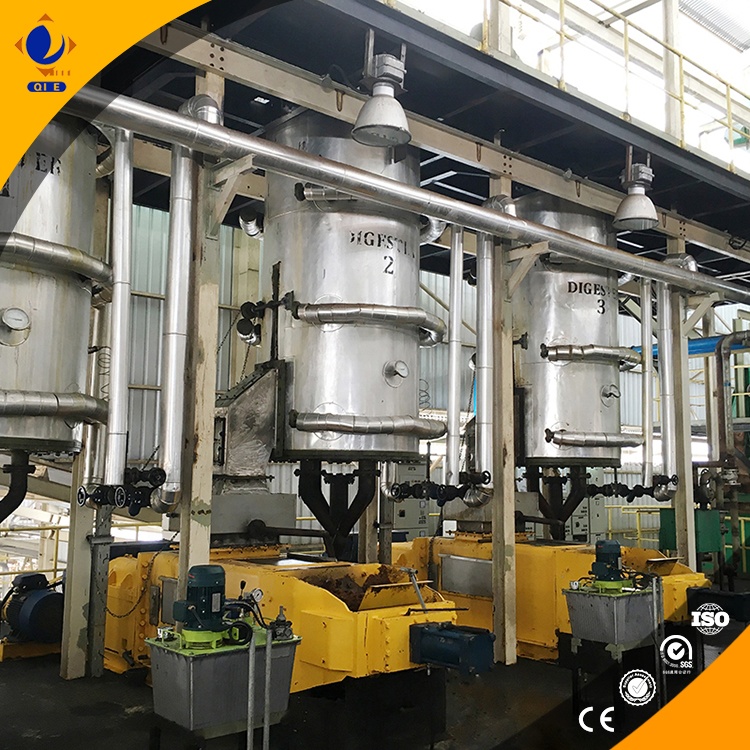
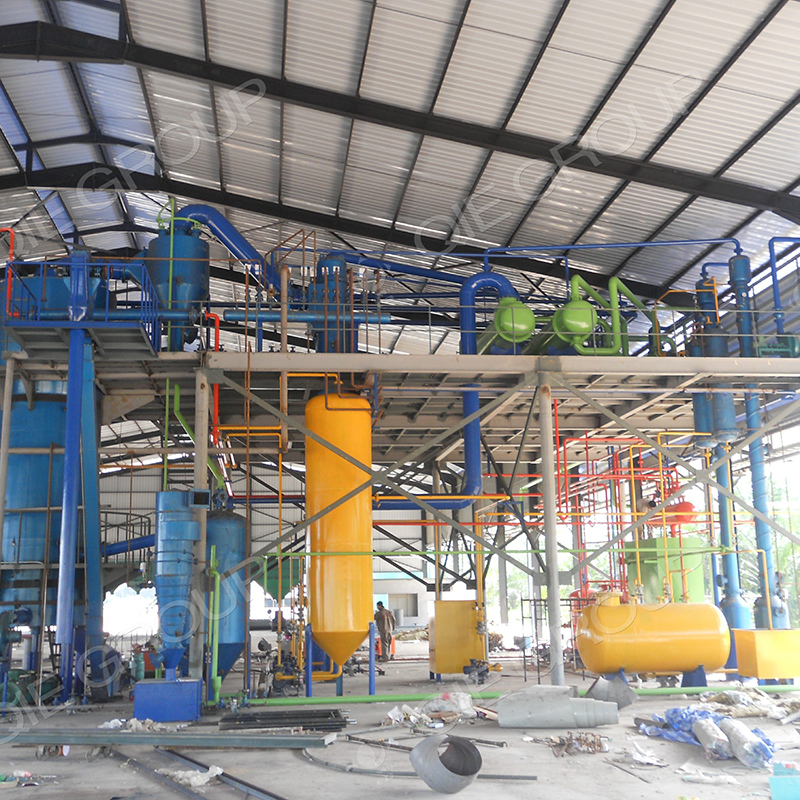
At the heart of palm oil production line automation lies the PLC intelligent control system, acting as the central nervous system that coordinates all critical processes. These systems integrate seamlessly with existing equipment while providing advanced monitoring and control capabilities that were previously unattainable with manual operations.
The PLC system's architecture is built around three fundamental components: sensor networks that collect real-time operational data, a central processing unit that analyzes this data and executes control algorithms, and actuators that adjust equipment parameters based on the controller's instructions. This closed-loop system ensures precise control over every stage of the palm oil production process, from fruit reception to oil extraction and refining.
The motor drive module represents one of the most significant efficiency gains in automated palm oil processing. By precisely controlling motor speeds and torque across the production line, PLC systems eliminate the energy waste associated with constant-speed operation. Implementation typically results in energy savings of 15-22%, with some facilities reporting up to 28% reduction in motor-related energy consumption.
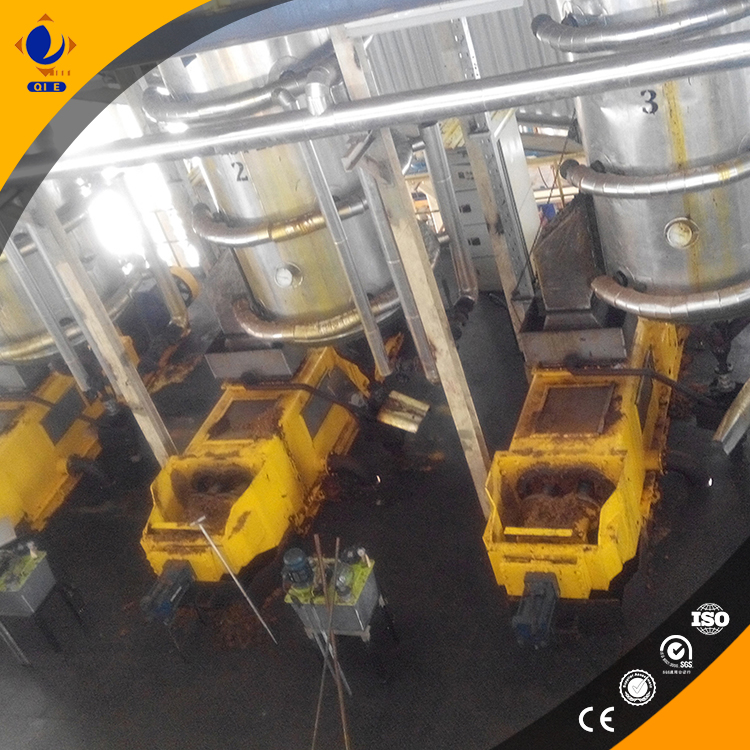
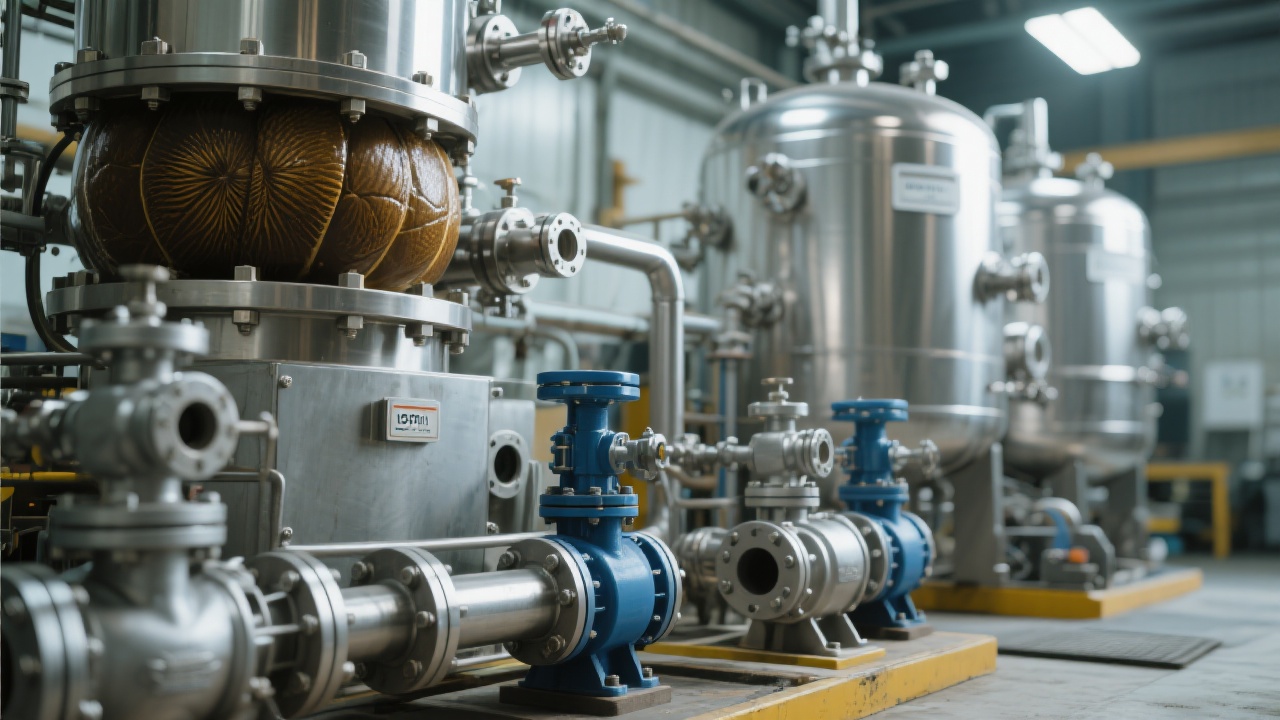
Pump systems in palm oil processing require precise synchronization to maintain optimal flow rates and pressure throughout the extraction process. PLC-controlled pump groups adjust in real-time to changing process conditions, reducing material waste by 8-12% while minimizing wear on equipment. This synchronization also contributes to product consistency, with test data showing a 40% reduction in process variability compared to manual operation.
Maintaining precise temperature and pressure parameters is critical for maximizing oil extraction efficiency and ensuring product quality. PLC systems provide continuous monitoring with an accuracy of ±0.5°C for temperature and ±1% for pressure, enabling operators to maintain optimal conditions throughout the process. This level of control typically results in extraction rate improvements of 2.5-4%, directly impacting bottom-line profitability.
Successful implementation of PLC automation requires careful attention to commissioning and maintenance procedures. Based on field experience with over 120 palm oil processing installations, certain best practices have emerged to ensure system reliability and performance.
Gear system stability testing is a critical commissioning step, involving gradual load increases up to 110% of rated capacity while monitoring vibration levels and temperature differentials. This process identifies potential alignment issues that could lead to premature failure. Similarly, establishing proper bearing lubrication schedules based on PLC-collected operating data can extend equipment life by 30-40% compared to fixed-interval maintenance.

The transition to PLC automation need not be an all-or-nothing proposition. Many successful palm oil processors have adopted a phased approach, starting with critical process areas that deliver the highest return on investment. This method minimizes disruption while allowing staff to gradually adapt to new technologies.
A typical implementation timeline spans 3-6 months, beginning with a detailed process audit, followed by system design, equipment modification, installation, commissioning, and staff training. Post-implementation support is crucial during the first 3-6 months to address any operational challenges and optimize system performance based on actual production data.
Discover how PLC intelligent control systems can elevate your processing capabilities, reduce operational costs, and improve product quality.
Contact QIE Group Technical Team for a Custom SolutionAs palm oil markets continue to evolve, the adoption of PLC automation is becoming an essential differentiator between industry leaders and those struggling to compete. The technology not only delivers immediate operational benefits but also positions processors to adapt to future market demands and regulatory changes. With proper planning and implementation, even small to medium-scale facilities can achieve significant improvements in efficiency, product quality, and profitability through intelligent automation.
 474
|
474
|
 Palm Fruit and Kernel Oil Press Machine
Complete Palm Oil Processing Line
High-Efficiency Palm Oil Equipment
PLC Controlled Palm Oil Machine
Low Energy Consumption Palm Oil Production
High Yield Palm Oil Equipment
Certified Palm Oil Processing Machine
Automated Palm Oil Production System
Multi-Functional Palm Oil Extractor
Palm Fruit and Kernel Oil Press Machine
Complete Palm Oil Processing Line
High-Efficiency Palm Oil Equipment
PLC Controlled Palm Oil Machine
Low Energy Consumption Palm Oil Production
High Yield Palm Oil Equipment
Certified Palm Oil Processing Machine
Automated Palm Oil Production System
Multi-Functional Palm Oil Extractor
 471
|
Cold-pressed palm oil
Hot-pressed palm oil
Palm oil pressing technology
Palm oil production equipment
Palm oil production efficiency
471
|
Cold-pressed palm oil
Hot-pressed palm oil
Palm oil pressing technology
Palm oil production equipment
Palm oil production efficiency
 318
|
large-scale palm oil processing machine
palm oil extraction equipment
automated palm oil press machine
energy-efficient palm oil refining system
high-capacity palm oil mill
palm oil refining equipment
industrial palm oil processing machine
318
|
large-scale palm oil processing machine
palm oil extraction equipment
automated palm oil press machine
energy-efficient palm oil refining system
high-capacity palm oil mill
palm oil refining equipment
industrial palm oil processing machine
 378
|
Fully Automatic Palm Oil Processing Machine
Palm Oil Extraction Machine
Palm Fruit Oil Pressing Line
High Capacity Palm Oil Equipment
Energy Efficient Palm Oil Extraction
304 Stainless Steel Palm Oil Machine
ISO9001 Certified Palm Oil Production
Automated Palm Oil Processing Equipment
Palm Oil Refining Solutions
378
|
Fully Automatic Palm Oil Processing Machine
Palm Oil Extraction Machine
Palm Fruit Oil Pressing Line
High Capacity Palm Oil Equipment
Energy Efficient Palm Oil Extraction
304 Stainless Steel Palm Oil Machine
ISO9001 Certified Palm Oil Production
Automated Palm Oil Processing Equipment
Palm Oil Refining Solutions
 128
|
Fully Automatic Palm Oil Extraction Equipment
Palm Oil Processing Machine
High Capacity Palm Oil Extraction Equipment
304 Stainless Steel Palm Oil Equipment
Energy Efficient Palm Oil Machinery
Customizable Palm Oil Processing Solutions
Advanced Technology Palm Oil Equipment
ISO9001 Certified Palm Oil Machinery
Palm Oil Equipment with Patent Technology
Comprehensive Support for Palm Oil Production
128
|
Fully Automatic Palm Oil Extraction Equipment
Palm Oil Processing Machine
High Capacity Palm Oil Extraction Equipment
304 Stainless Steel Palm Oil Equipment
Energy Efficient Palm Oil Machinery
Customizable Palm Oil Processing Solutions
Advanced Technology Palm Oil Equipment
ISO9001 Certified Palm Oil Machinery
Palm Oil Equipment with Patent Technology
Comprehensive Support for Palm Oil Production