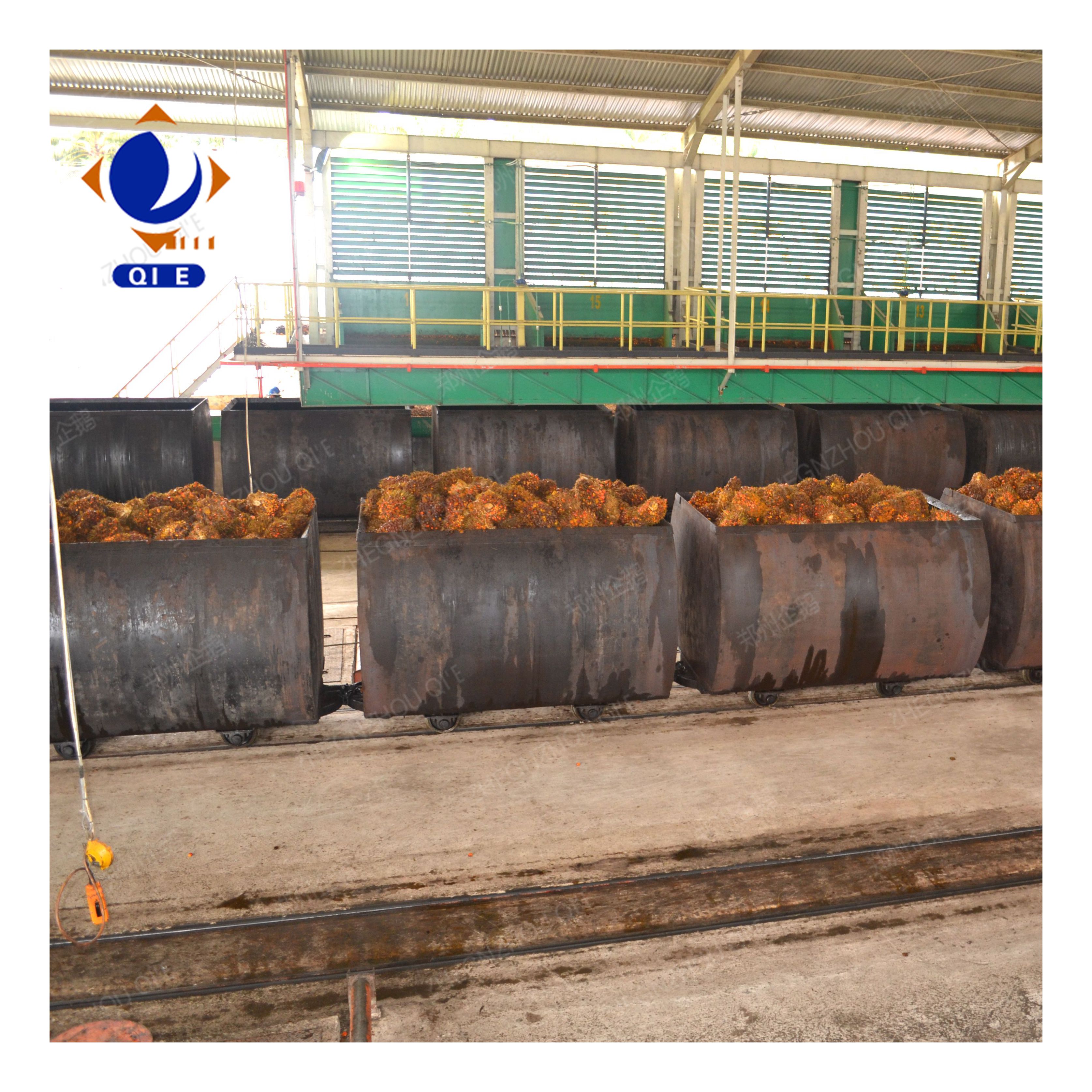
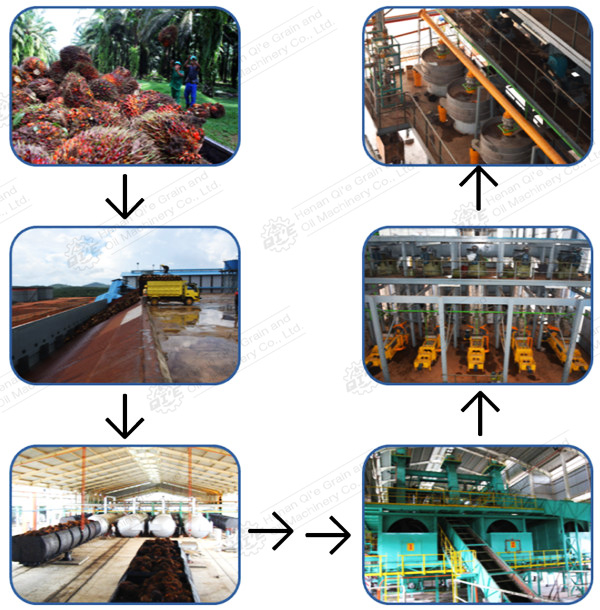
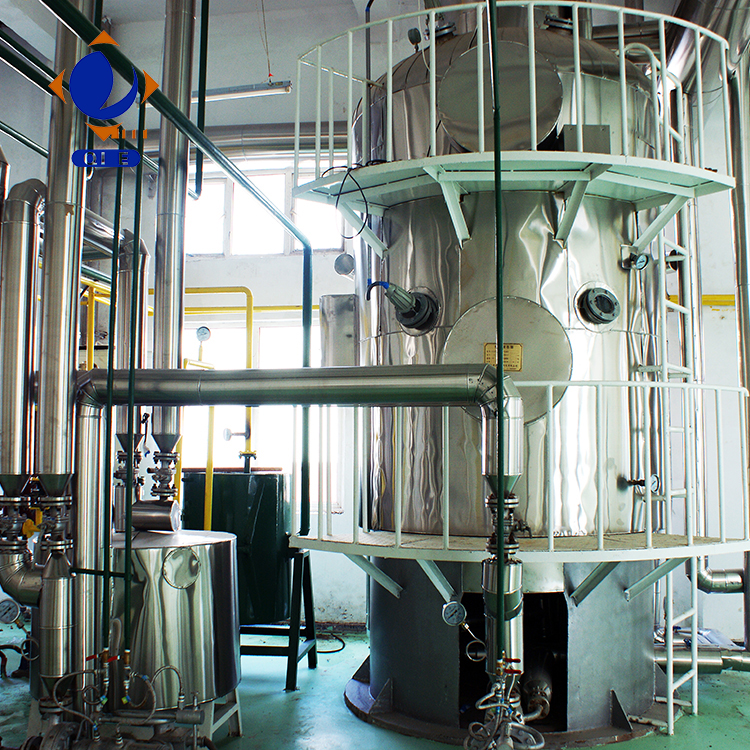
The refining process of palm oil is a crucial journey from crude oil to refined oil, which typically involves four key steps. Among them, degumming and deacidification play a central role in the entire chain. These two processes are essential for removing impurities and ensuring the high - quality output of palm oil.
The main purpose of the degumming process is to remove phospholipids from the crude palm oil. The principle behind it is based on the property that phospholipids can be separated from the oil under certain conditions. The optimal temperature range for degumming usually lies between 60 - 70°C. There are two main methods for degumming: the hydration method and the acid - based method. The choice between these two methods depends on the characteristics of the crude oil. For example, if the crude oil has a high content of non - hydratable phospholipids, the acid - based method might be a better option. However, common problems such as incomplete phospholipid removal may occur. In such cases, adjusting the temperature or the type of additive can be effective solutions.
The goal of the deacidification process is to control the level of free fatty acids in the palm oil. The target for free fatty acid control is generally to reduce it to a very low level, usually less than 0.1%. Vacuum conditions are crucial for this process. A proper vacuum degree, typically around 2 - 5 mbar, can effectively remove the free fatty acids. The calculation of the amount of lye to be added is based on the initial acid value of the oil. By accurately calculating the lye addition, the free fatty acids can react with the lye and be removed from the oil.
During the palm oil refining process, common quality problems such as abnormal color and excessive acid value may occur. Abnormal color can be caused by various factors, such as improper temperature control during the refining process or the presence of certain impurities. Excessive acid value is mainly due to ineffective deacidification, which could be related to incorrect vacuum conditions or inaccurate lye addition. To address these problems, on - site inspection methods can be used. For example, by checking the temperature, vacuum degree, and additive dosage, the root causes can be identified and corresponding adjustments can be made.
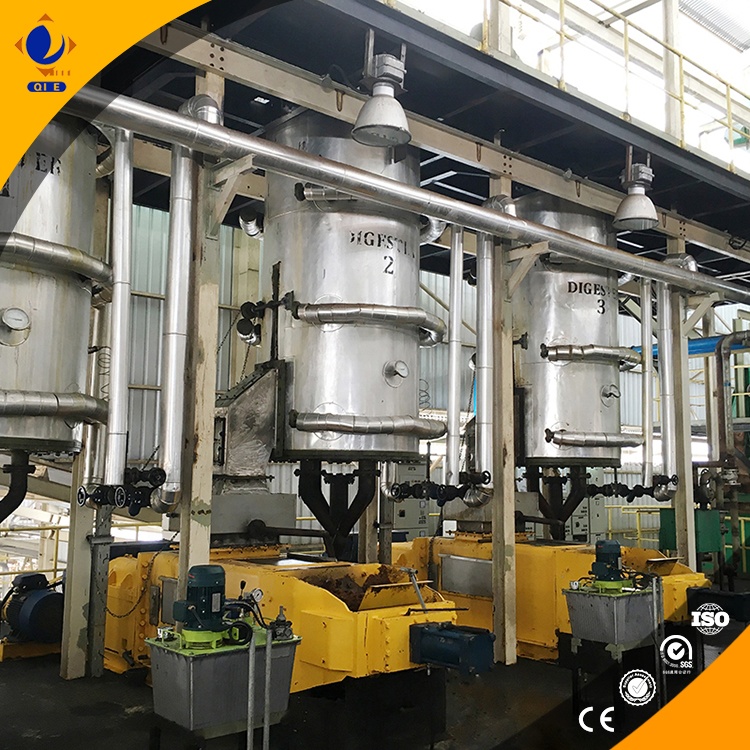
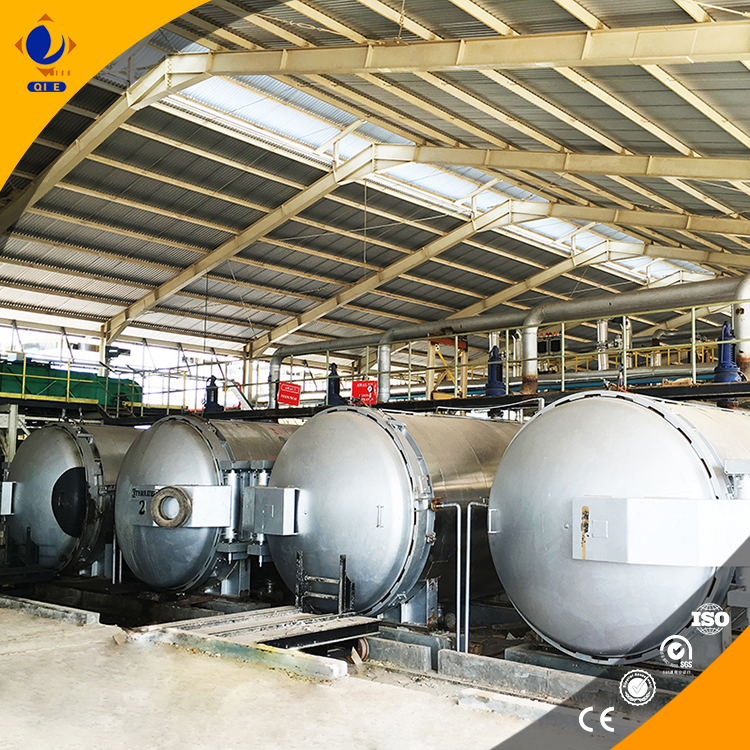
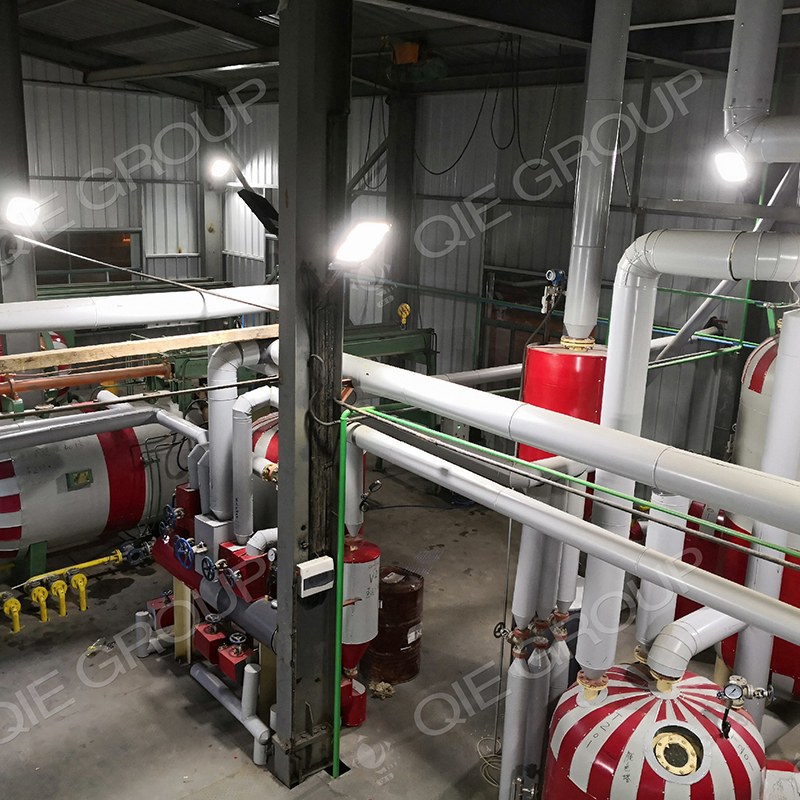
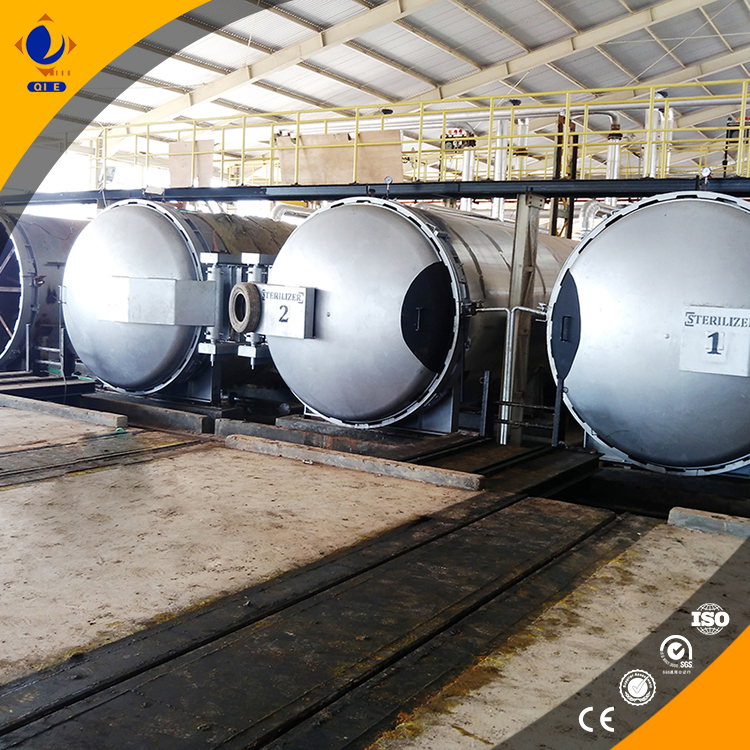
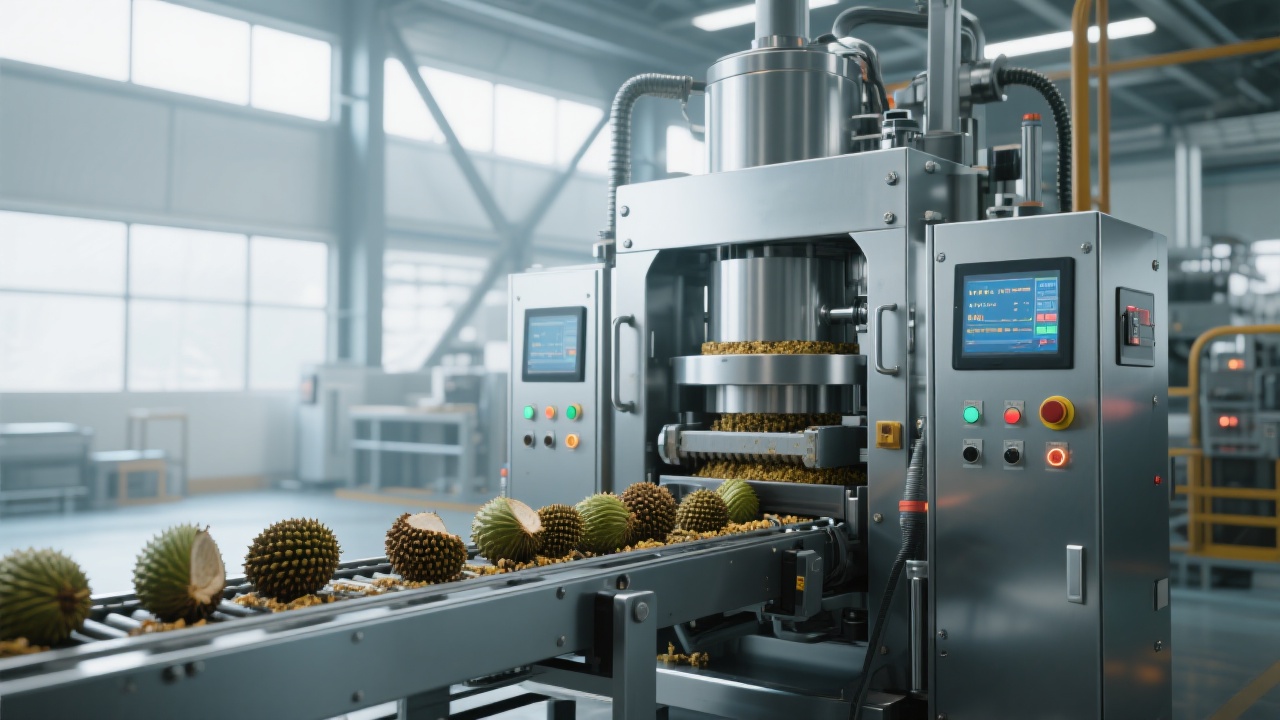
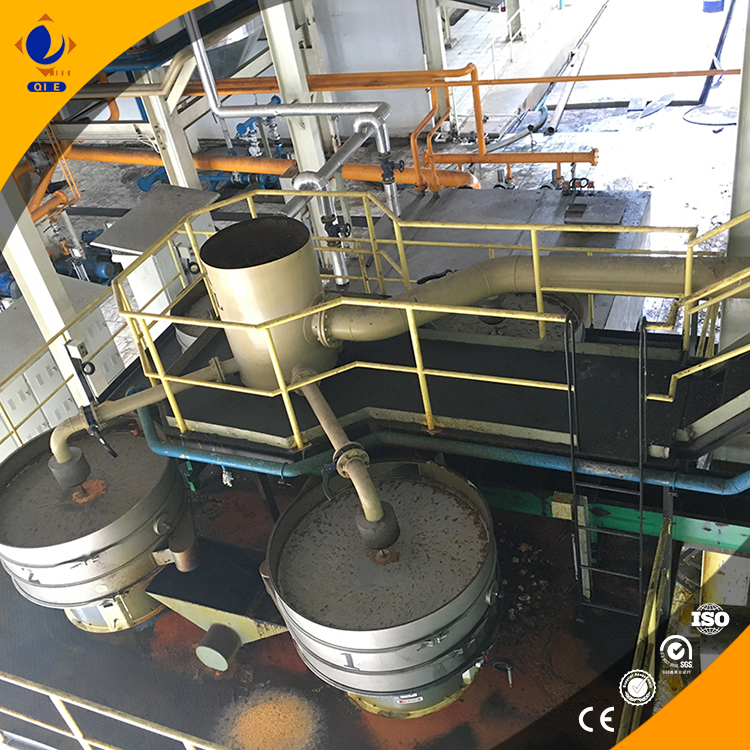
The stainless - steel material used in the fully automatic production line of QIE Group has significant advantages. Stainless steel, especially the 304 grade, can prevent metal contamination of the palm oil, ensuring the purity of the product. Moreover, the application of an automated control system in the production line can greatly improve the batch - to - batch consistency and production efficiency. By referring to the application cases of QIE Group production line, it can be seen that the automated system can accurately control the key parameters such as temperature, vacuum degree, and additive dosage, thus reducing the influence of human factors on the production process.
Based on years of industrial practice, a standardized operation procedure (SOP) has been developed. This SOP template can help operators to carry out the refining process in a more standardized way, reducing human errors. By following the SOP, the production process can be more stable, and the quality of the palm oil can be more consistent.
Here are some real - world success stories from users who have adopted the refined process and equipment recommended in this article. These cases can provide practical references for other enterprises. Additionally, we encourage you to share your questions and experiences through the interactive Q&A section below. We believe that through communication and sharing, we can jointly improve the palm oil refining process.
Upgrade Your Palm Oil Refining with QIE Group Fully Automatic Production Line
 239
|
239
|
 Palm oil pressing equipment maintenance
Equipment fault diagnosis
Press maintenance guide
Preventive maintenance
Equipment downtime emergency handling
Palm oil pressing equipment maintenance
Equipment fault diagnosis
Press maintenance guide
Preventive maintenance
Equipment downtime emergency handling
 347
|
Nigeria palm oil refining machine
QI'E Group refining equipment
small-scale palm oil refining
347
|
Nigeria palm oil refining machine
QI'E Group refining equipment
small-scale palm oil refining
 139
|
palm oil refining process
degumming and neutralization technology
process parameter control
quality fluctuation troubleshooting
automated palm oil refining equipment
139
|
palm oil refining process
degumming and neutralization technology
process parameter control
quality fluctuation troubleshooting
automated palm oil refining equipment
 195
|
QI'E Mini Palm Oil Refinery
palm oil production efficiency
Nigerian small enterprise refining
195
|
QI'E Mini Palm Oil Refinery
palm oil production efficiency
Nigerian small enterprise refining
 494
|
small palm oil refining machine
Nigeria palm oil processing
automated palm oil refining
494
|
small palm oil refining machine
Nigeria palm oil processing
automated palm oil refining