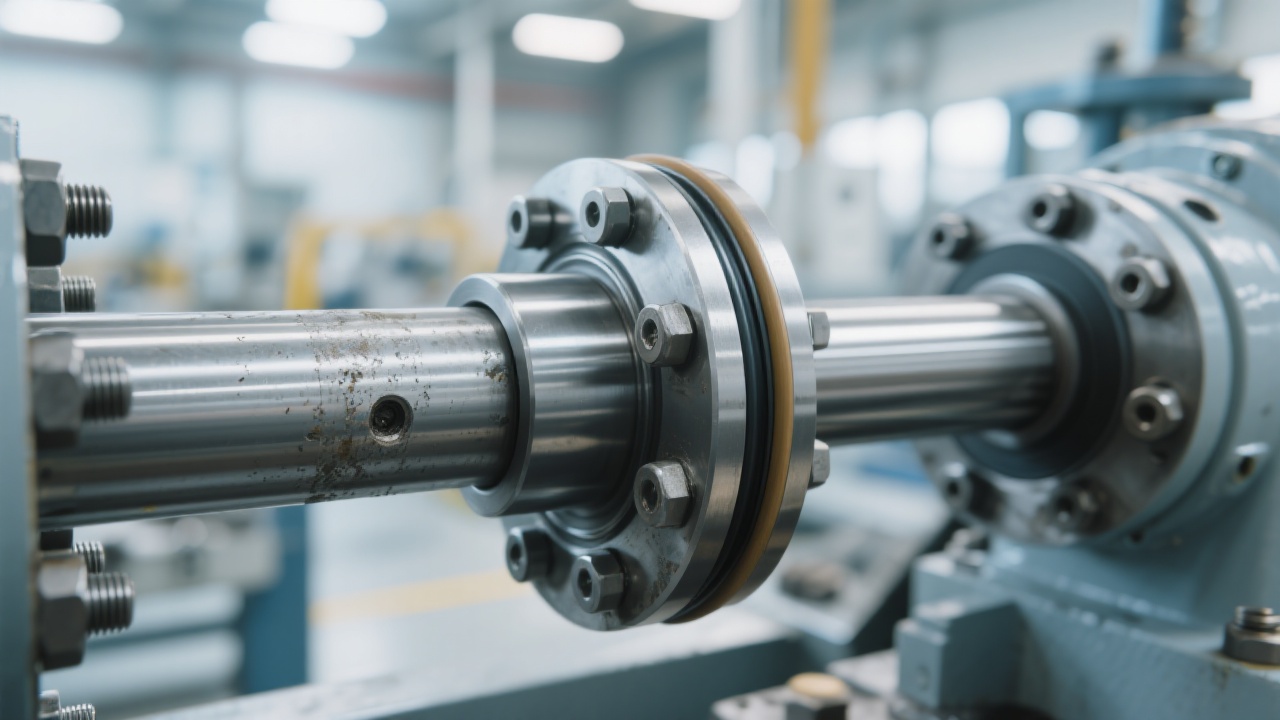
For exporters aiming to meet global standards and boost competitiveness, mastering the palm oil refining process is no longer optional—it's essential. This article breaks down the four core steps—degumming, deacidification, decolorization, and deodorization—with real-world technical insights that address common quality fluctuations and how automation can turn inconsistency into precision.
In practice, small deviations in temperature, vacuum level, or chemical dosage can lead to significant variations in final product quality. For example:
When your refined palm oil shows inconsistent clarity or elevated FFA (>0.5%), start here:
“In our client case study from Malaysia, a 12% drop in yield due to over-degumming was corrected after implementing automated pH monitoring. Batch-to-batch variation dropped from ±1.2% to ±0.3% within two weeks.”
Use this checklist to troubleshoot:
Manual operations introduce variability. A single operator error in adjusting flow rate or timing can compromise an entire batch. Our clients report up to 30% faster production cycles and 98% consistency when using integrated PLC-controlled systems. These systems also reduce labor costs per ton by ~15%, making them ideal for scaling exports.
Moreover, standardized SOPs built around automation help new staff achieve proficiency in days—not months—and ensure compliance with international certifications like ISO 22000 or HACCP.

 45
|
45
|
 PLC automation
palm oil pressing automation
industrial sensor applications
automated control systems
palm oil production line efficiency
PLC automation
palm oil pressing automation
industrial sensor applications
automated control systems
palm oil production line efficiency
 298
|
compact palm oil refining machine Nigeria
automated palm oil refining equipment
enhance palm oil quality refining machine
298
|
compact palm oil refining machine Nigeria
automated palm oil refining equipment
enhance palm oil quality refining machine
 478
|
1-50TPD Small Palm Oil Refinery Plant
1-50TPD Palm Oil Refining Machine
Small Palm Oil Refiner
478
|
1-50TPD Small Palm Oil Refinery Plant
1-50TPD Palm Oil Refining Machine
Small Palm Oil Refiner
 333
|
small palm oil processing line
cold and hot pressing technology
palm oil yield improvement
304 stainless steel equipment
palm oil production efficiency
333
|
small palm oil processing line
cold and hot pressing technology
palm oil yield improvement
304 stainless steel equipment
palm oil production efficiency
 68
|
Red Palm Oil Production Line Equipment
Palm Oil Processing Machine
Red Palm Oil Extractor Equipment
Automated Palm Oil Production Line
304 Stainless Steel Palm Oil Equipment
Custom Palm Oil Processing Solutions
Palm Oil Refining Machinery
High-Performance Palm Oil Equipment
Palm Oil Production Equipment with After-Sales Service
68
|
Red Palm Oil Production Line Equipment
Palm Oil Processing Machine
Red Palm Oil Extractor Equipment
Automated Palm Oil Production Line
304 Stainless Steel Palm Oil Equipment
Custom Palm Oil Processing Solutions
Palm Oil Refining Machinery
High-Performance Palm Oil Equipment
Palm Oil Production Equipment with After-Sales Service